
Leave Your Message
Engineered for seamless functionality, high brand differentiation, and strict sustainability compliance across global cosmetics and skincare markets.
As the international cosmetics sector navigates stringent plastic taxation and corporate carbon accountability, fiber packaging transitions from an ideological luxury into an imperative commercial strategy.
The escalation of legislative pressures—notably the European Union's Packaging and Packaging Waste Regulation (PPWR), extended producer responsibility (EPR) programs, and state-level plastic prohibitions across North America—is forcing beauty conglomerates to excise non-recyclable composite polymers. Certified paper structures deliver an immediate, legally resilient pathway to meet circular packaging directives before 2030 deadlines.
Historically, cosmetics were confined to virgin polymers due to oil, moisture, and alcohol volatility. Modern paper engineering employs plant-derived water-based dispersion barriers, bio-wax inner linings, and precision spiraling techniques. These innovations deliver airtight shelf stability and tactile luxury without compromising municipal compostability or curbside recyclability.
Gen Z and Millennial buyers scrutinize unboxing sustainability with microscopic attention. Studies across premium retail indicate that tangible paper-based packaging communicates authenticity, elevating perceived organic formulation quality. Brands executing clean launches within fiber packaging command higher retail margins and demonstrate significantly elevated customer lifetime value (LTV).
Launching a personal care line requires meticulous alignment between cosmetic chemical stability and structural packaging physics. At Nextruct, our fiber-based solutions undergo rigorous migration assays to ensure zero leachability and flawless user interaction across demanding categories:
Traditional plastic cosmetic vessels persist largely due to their water vapor transmission rate (WVTR) and oxygen transmission rate (OTR) parameters. Modern structural paper packaging achieves parity through microscopic aqueous polymer dispersion coatings.
By replacing traditional fossil-derived polyethylene (PE) laminates with bio-degradable dispersion barriers or ultra-thin removable inserts, paper vessels provide an impenetrable fortress against active cosmetic evaporation, essential oils deterioration, and ambient humidity infiltration.
"True sustainability does not compromise formulation stability. Our multi-layer paper technologies safeguard high-potency actives across extensive retail shelf cycles."



Transitioning to eco-friendly personal care packaging requires more than aesthetic redesign—it demands uncompromising structural performance, social compliance, and scalable production agility.
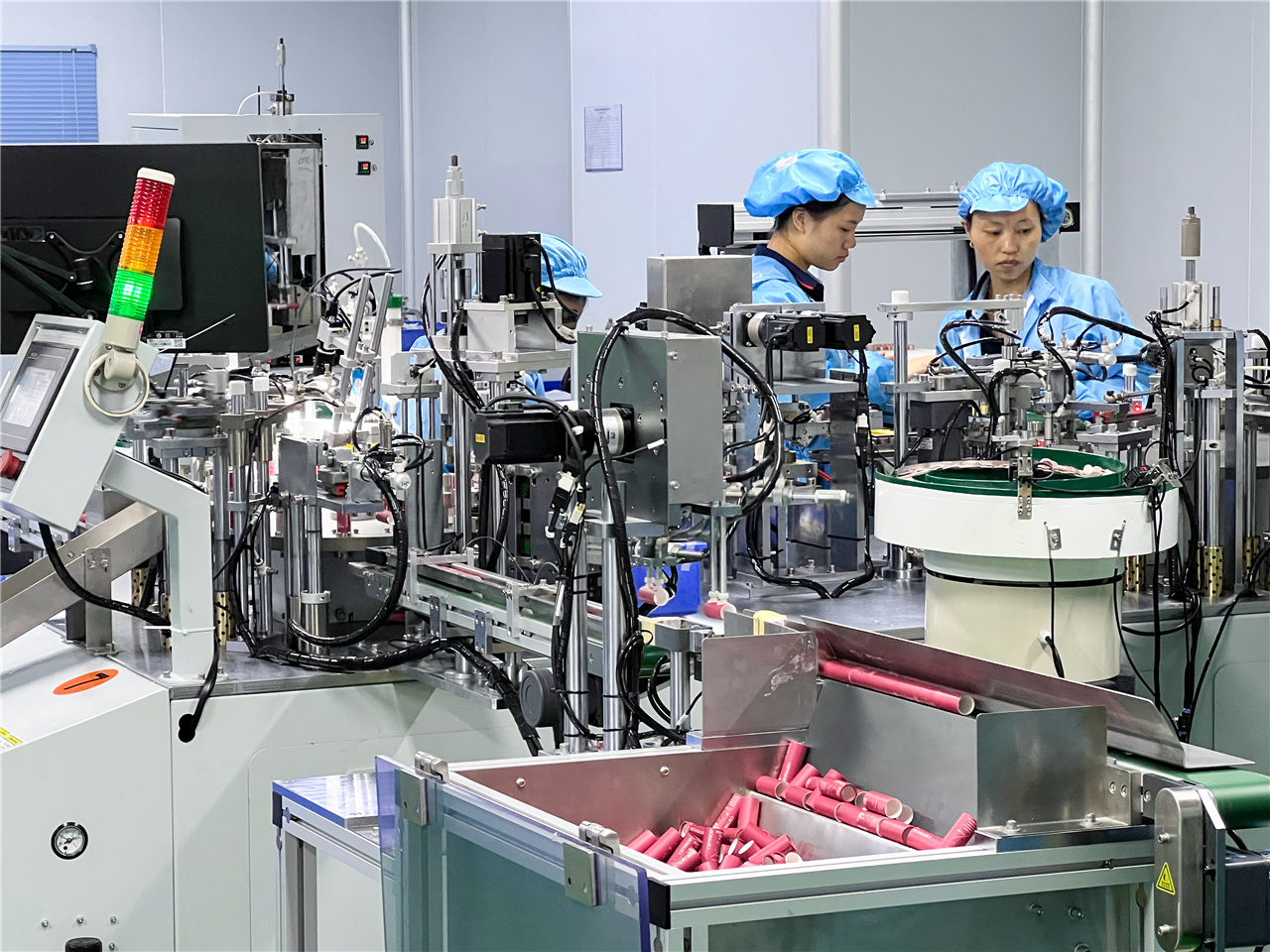
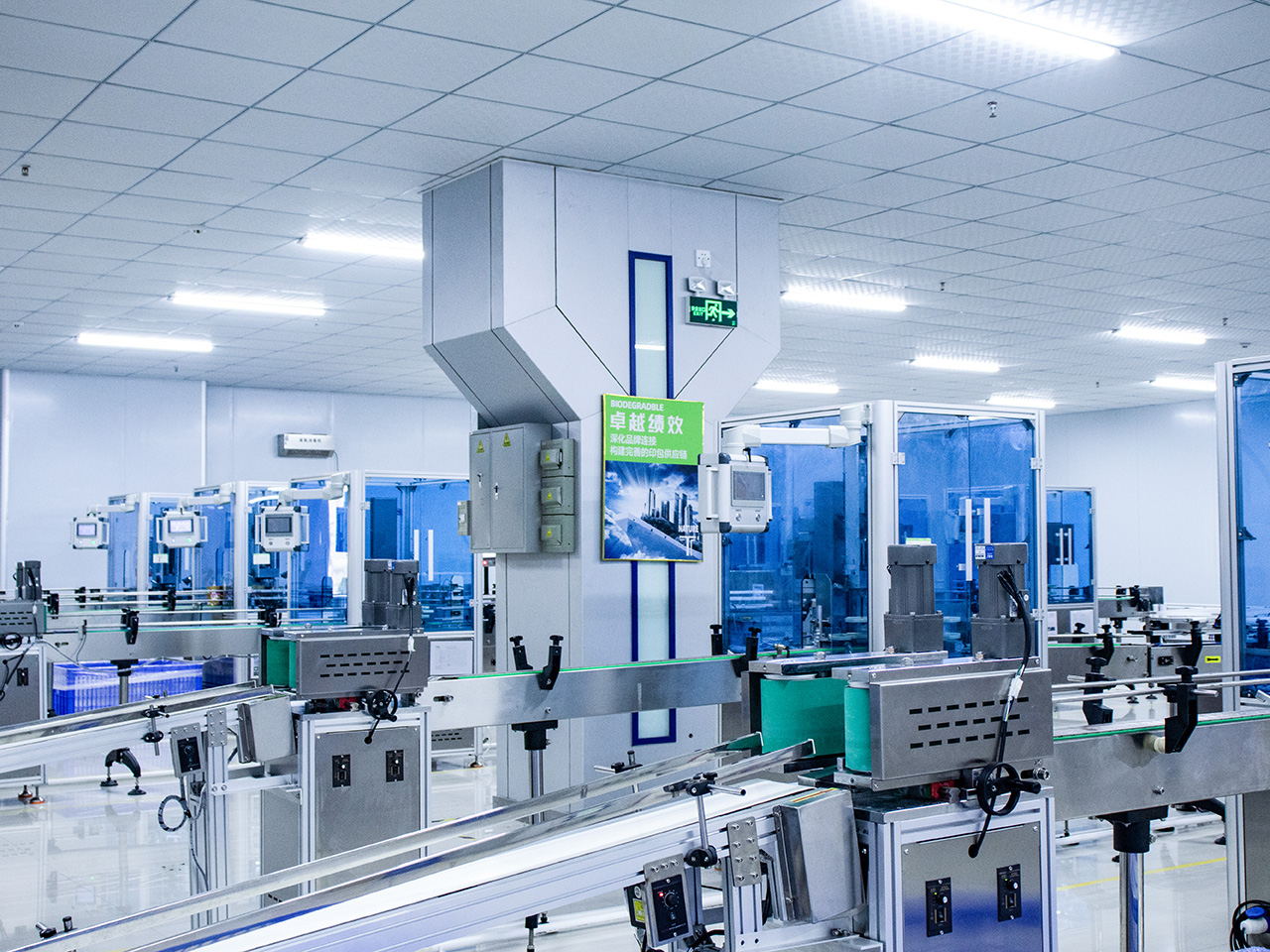
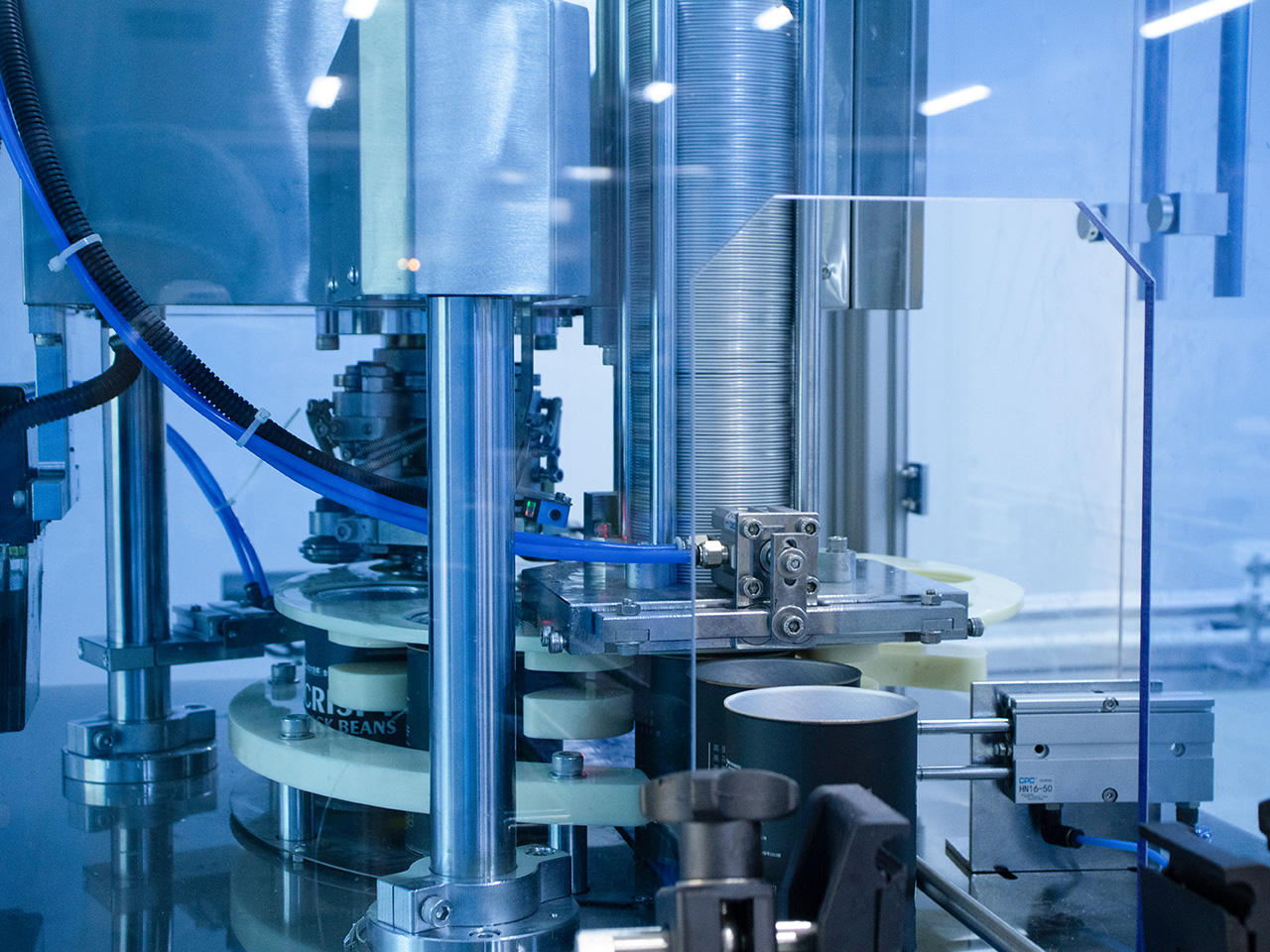
A strategic blueprint for cosmetic brand founders, packaging procurement executives, and R&D directors navigating the transition to paper-based architectures.
Analyze cosmetic base matrices (aqueous, lipid-rich, ethanolic, or dry powder) to engineer precise internal barrier coatings preventing saturation or evaporation over 36 months.
Leverage CAD modeling and precision laser prototyping to validate internal tolerances, friction closures, wall rigidity, and ergonomic customer dispensing behaviors.
Subject loaded paper cylinders and balm mechanisms to extreme environmental chambers (45°C/75% RH) to monitor moisture egress, structural warping, and ink adherence.
Deploy high-speed automated rolling and assembly machinery certified under ISO 9001, ensuring micro-millimeter consistency and cleanroom hygiene standard compliance.
Browse our complete lineup of patented paper-based vessels, custom secondary canisters, and hybrid refillable systems tailored for your upcoming sustainable product launches.
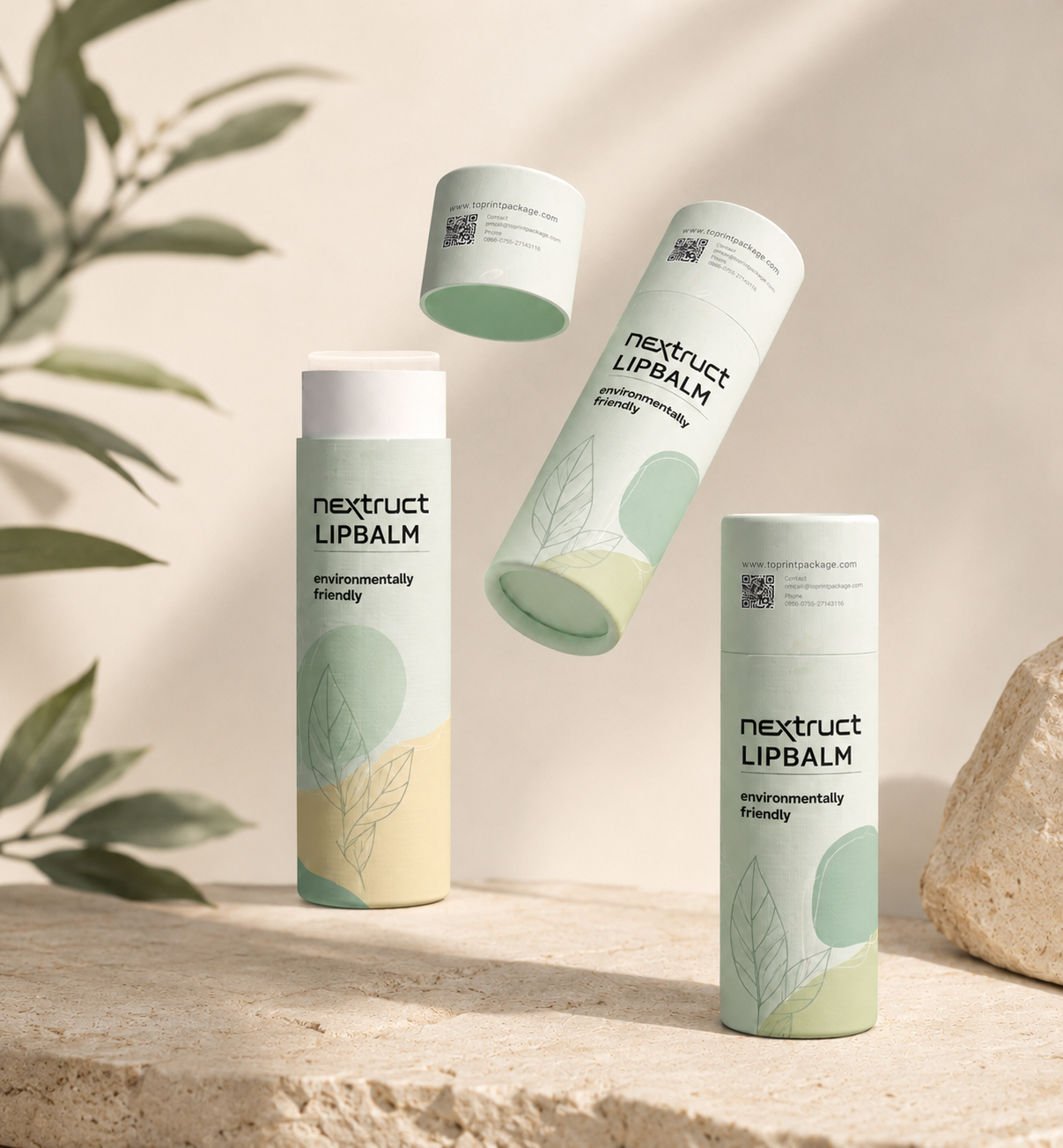
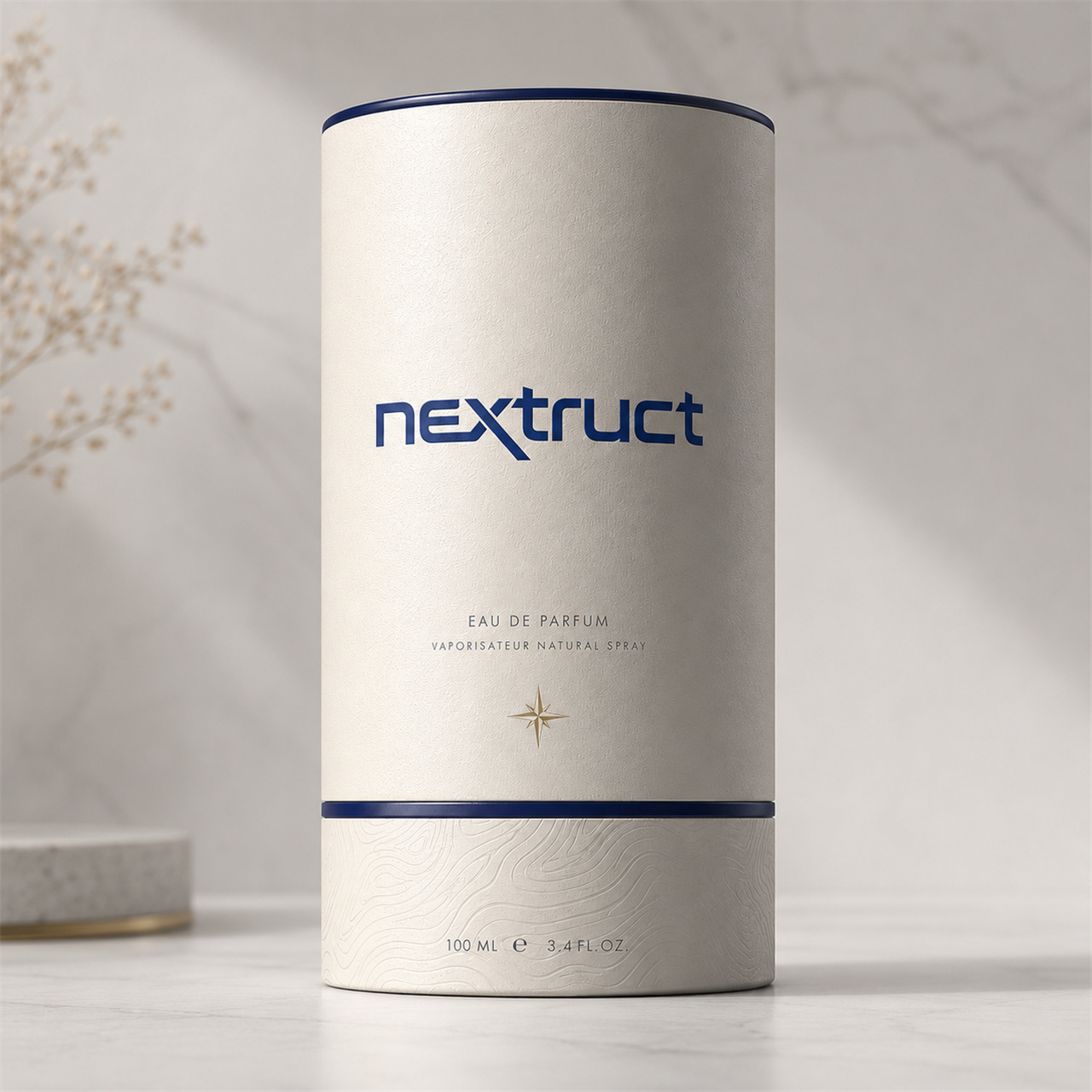
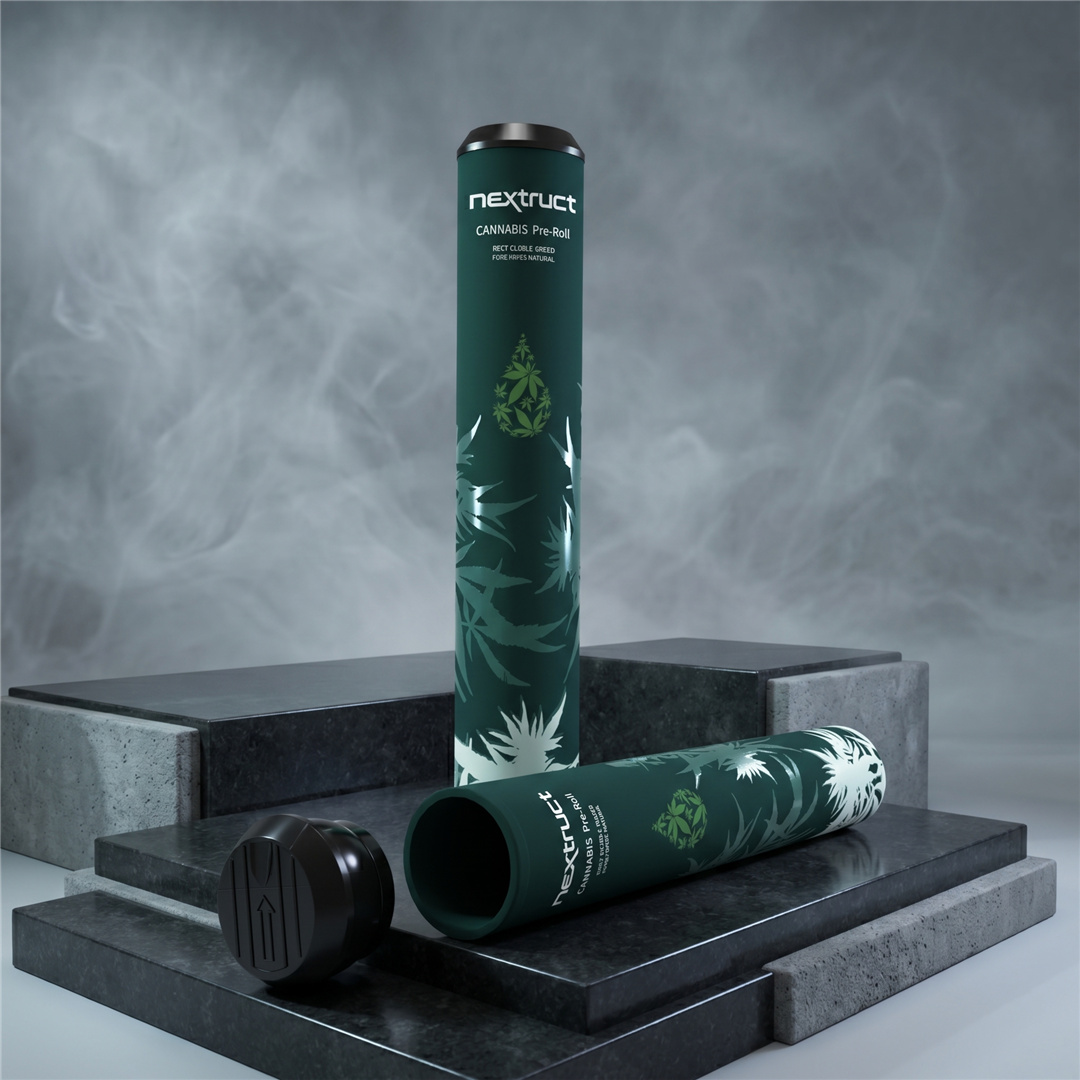
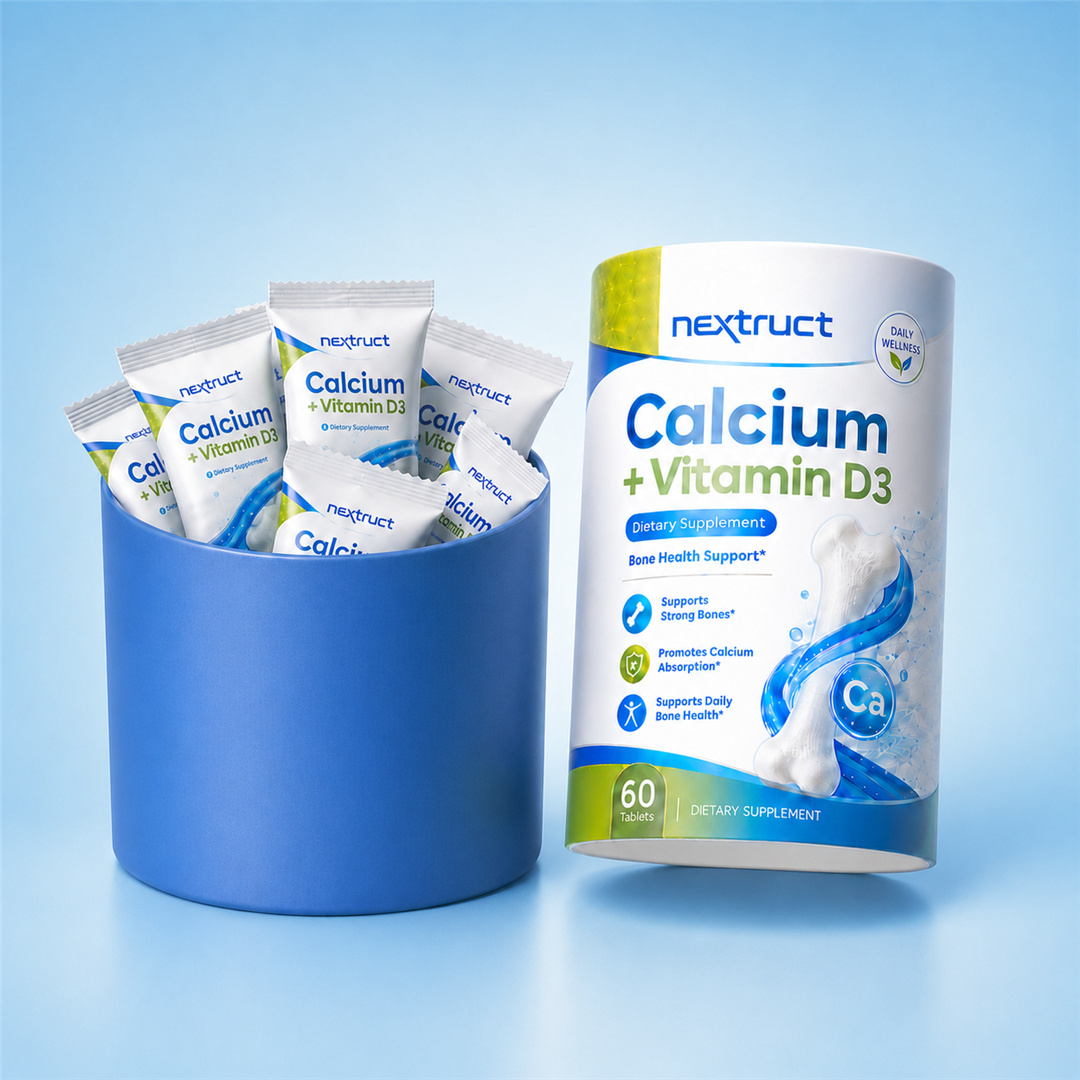
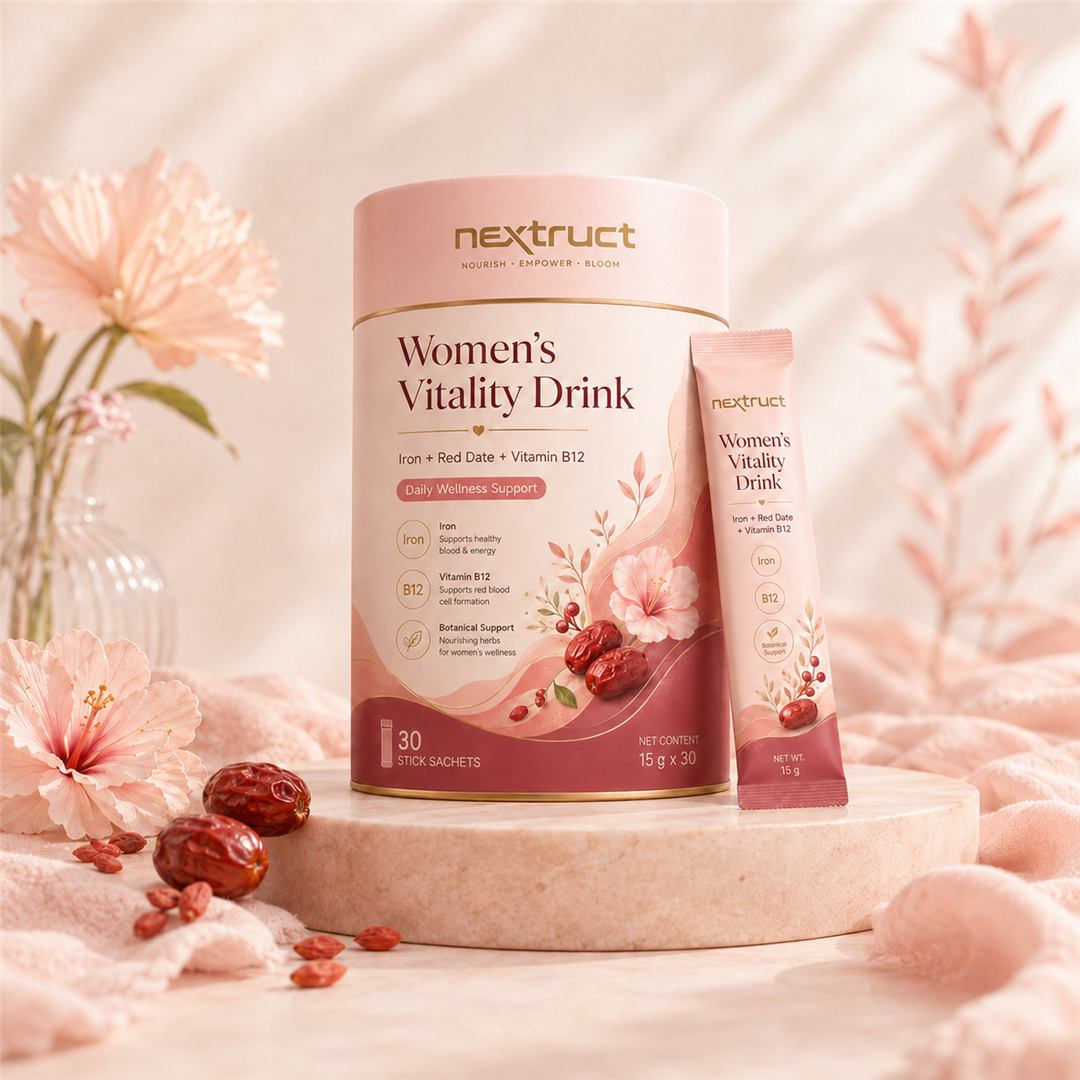
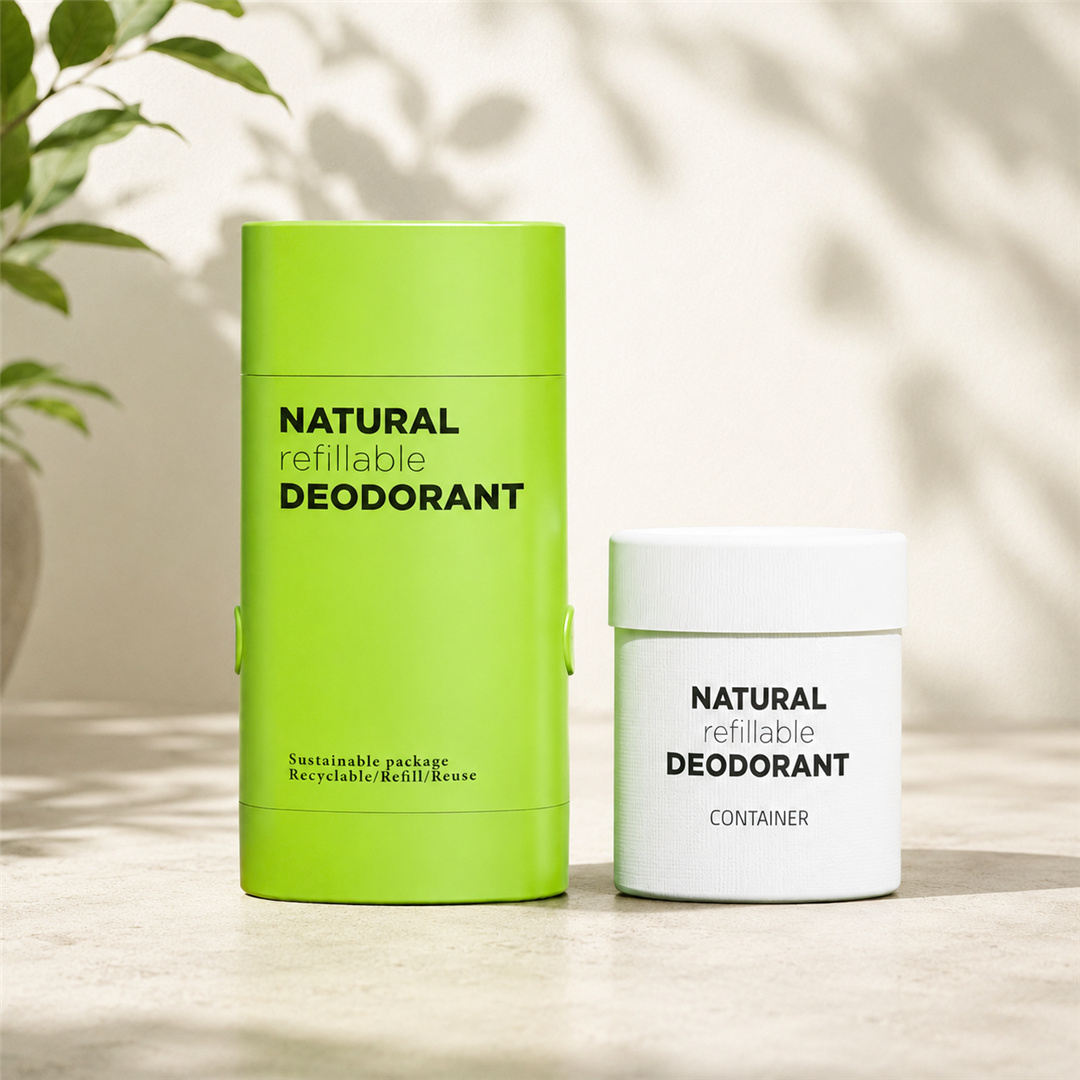
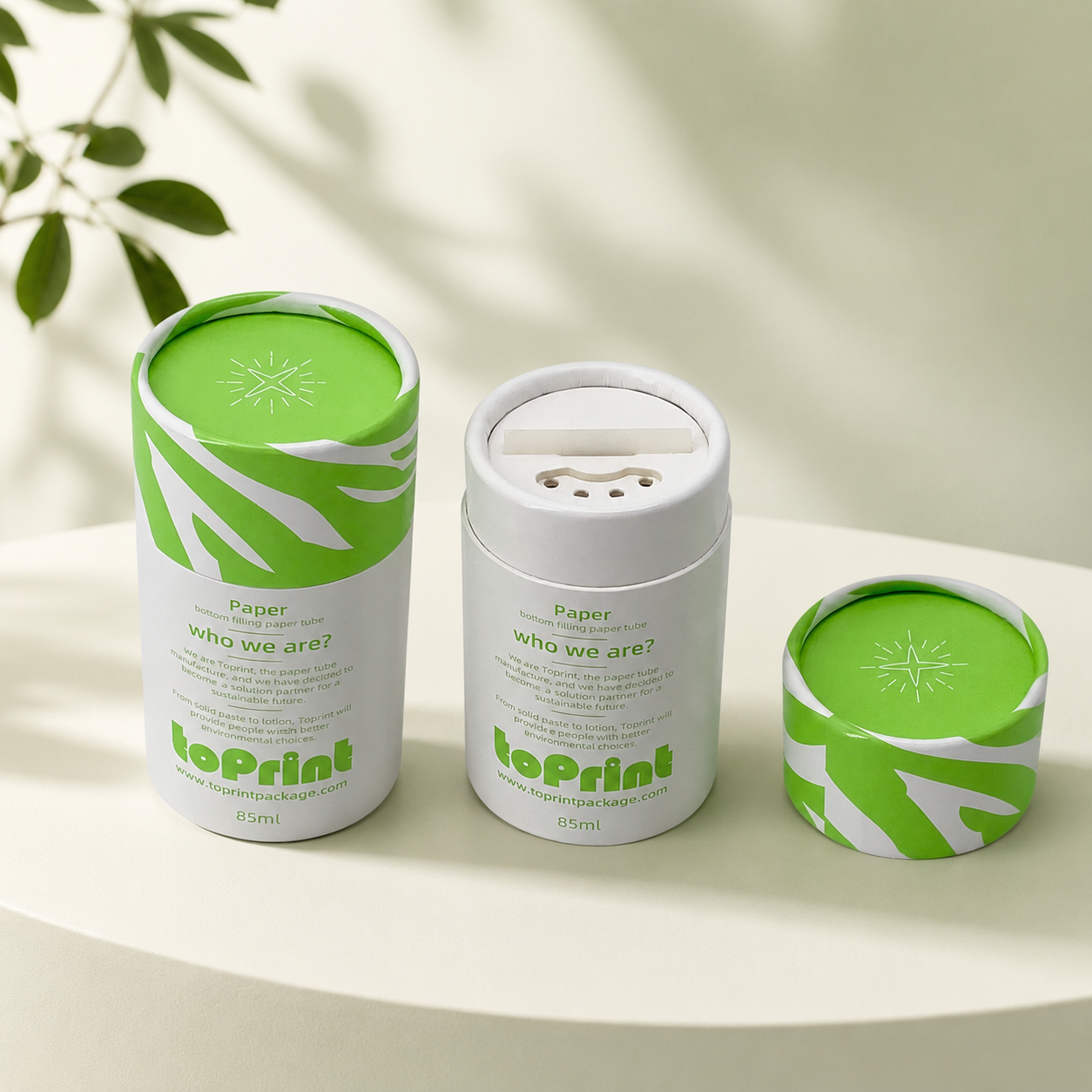
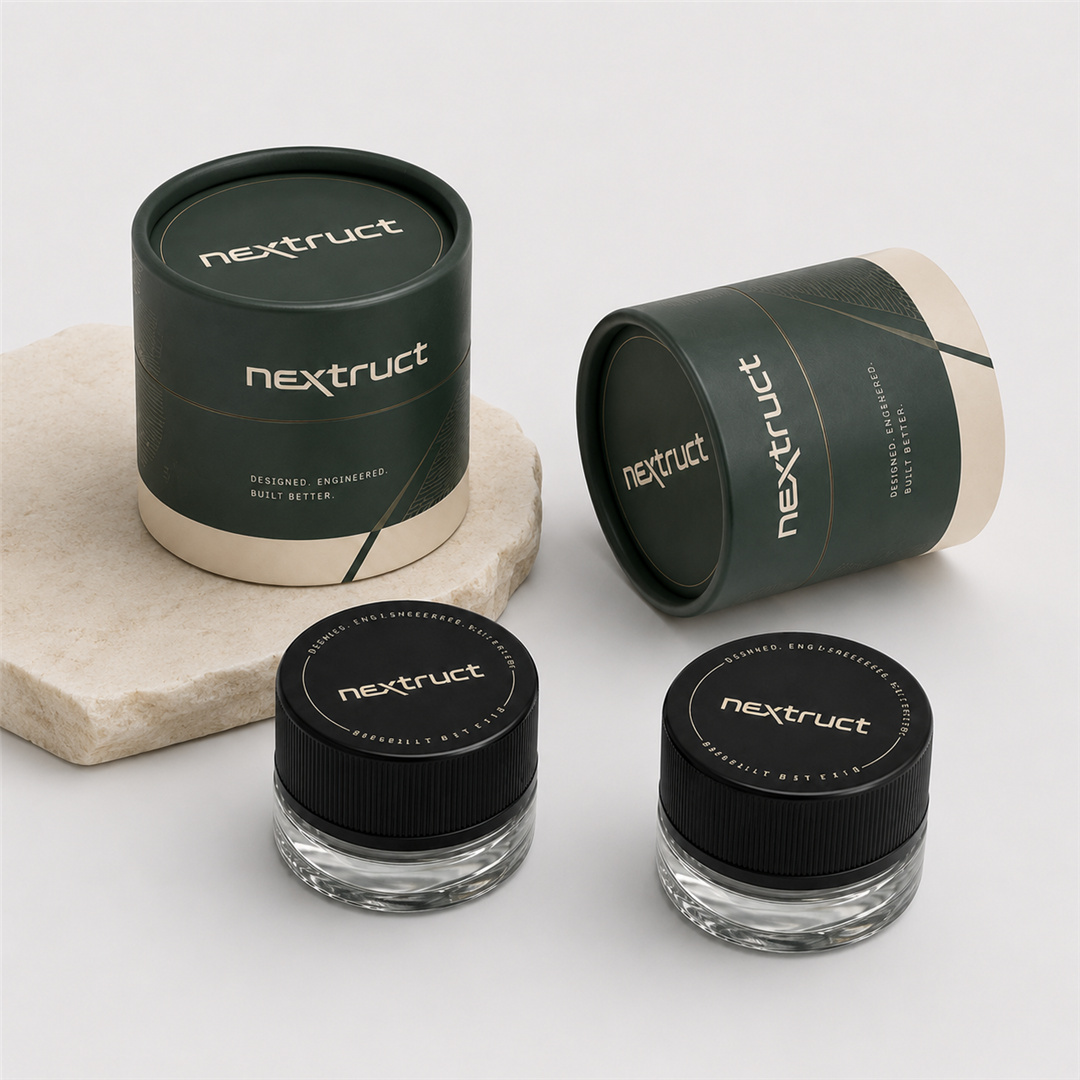
Critical considerations when specifying paper packaging cosmetics for commercial retail and international distribution.
Nextruct incorporates specialized plant-based greaseproof coatings and food-grade mineral wax inner barriers capable of enduring direct hot-pour liquid temperatures up to 75°C without delaminating or softening. Upon cooling, the balm solidifies securely inside the FSC paper tube with zero bleed-through or outer discoloration.
By engineering mono-material separation where the outer paper shell easily disassembles from minimal inner PCR or glass inserts, the packaging adheres to European PPWR guidelines and domestic curbside recyclability thresholds. Clear on-pack disposal typography guides end-users in segregating paper streams from recyclable glass.
Yes. We utilize transfer metallization techniques and solvent-free, soy-based inks that leave less than 0.1% micron-level metallic residues. This ensures that the overall cellulose composition remains completely compliant with EN 13432 and ASTM D6400 industrial and home composting thresholds while preserving ultra-luxurious visual aesthetics.