Leave Your Message
The global cosmetics and beauty sector is undergoing a profound structural evolution. Modern consumers demand not only high-efficacy formulations but also packaging that reflects environmental responsibility, luxury, and safety. Historically, the supply chain for cosmetic packaging has been notoriously fragmented. A single finished cosmetic item—whether it is a luxury facial serum, a mineral sunscreen, or an organic skin balm—often requires components sourced from multiple, disparate vendors. The primary container might come from a glass manufacturer in one region, the closure or pump mechanism from an injection molder in another, the outer protective carton from a paper converter, and the branding labels from a specialized printer.
This high level of fragmentation introduces significant risks for beauty brands, including prolonged lead times, quality control discrepancies, mismatched tolerances, and complex logistics that inflate the overall carbon footprint. By analyzing the packaging of cosmetics for streamlining fragmented packaging supply chains, industry leaders are identifying new pathways to consolidate production, implement structural innovations, and transition smoothly to sustainable materials without compromising commercial viability.
Eliminating dimensional errors between glass, plastic, and fiber components.
Unifying FSC paper, PCR plastics, and glass to reduce carbon footprints.
Accelerating product time-to-market with integrated structural prototyping.
In a fast-paced retail market where "clean beauty" and "circular economy" are dominant trends, speed-to-market and environmental compliance are paramount. When cosmetic brands manage a fragmented supply chain, they face several critical bottlenecks:
Addressing these challenges requires a structural shift toward integrated, one-stop packaging solutions. By partnering with a single provider capable of designing and manufacturing hybrid packaging systems—combining high-performance fiber containers, PCR plastics, and glass—brands can streamline their operations and secure a competitive edge.

To truly understand how integrated packaging design resolves supply chain fragmentation, we must examine real-world application scenarios across key beauty and wellness sectors.
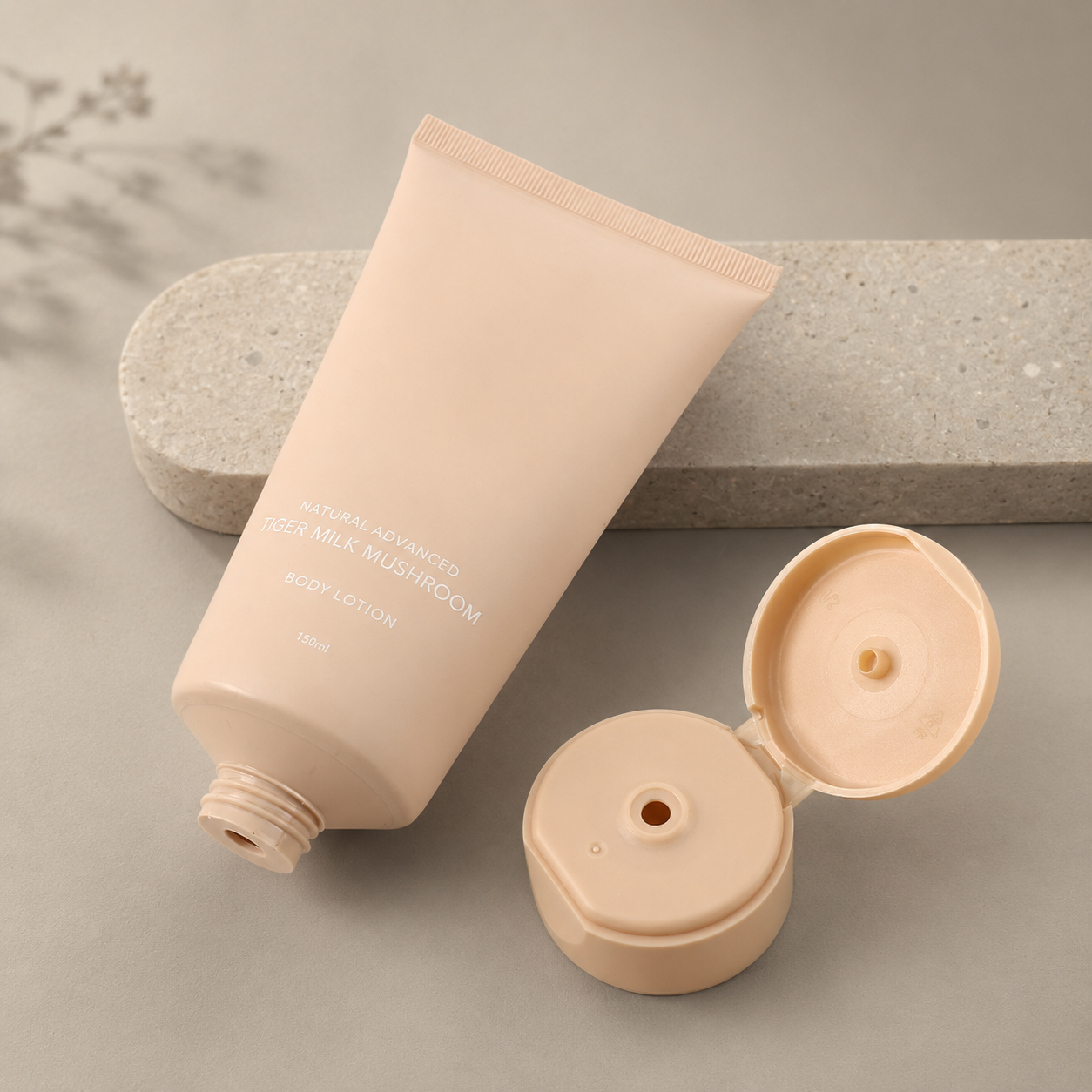
High-end skincare brands often face a dilemma: they want the luxurious feel of glass but need to meet modern sustainability mandates. By using hybrid packaging integration, a brand can house its active serum in a lightweight, recyclable glass vial, which is then encased in a custom PCR-PE squeeze tube or a high-performance fiber canister.
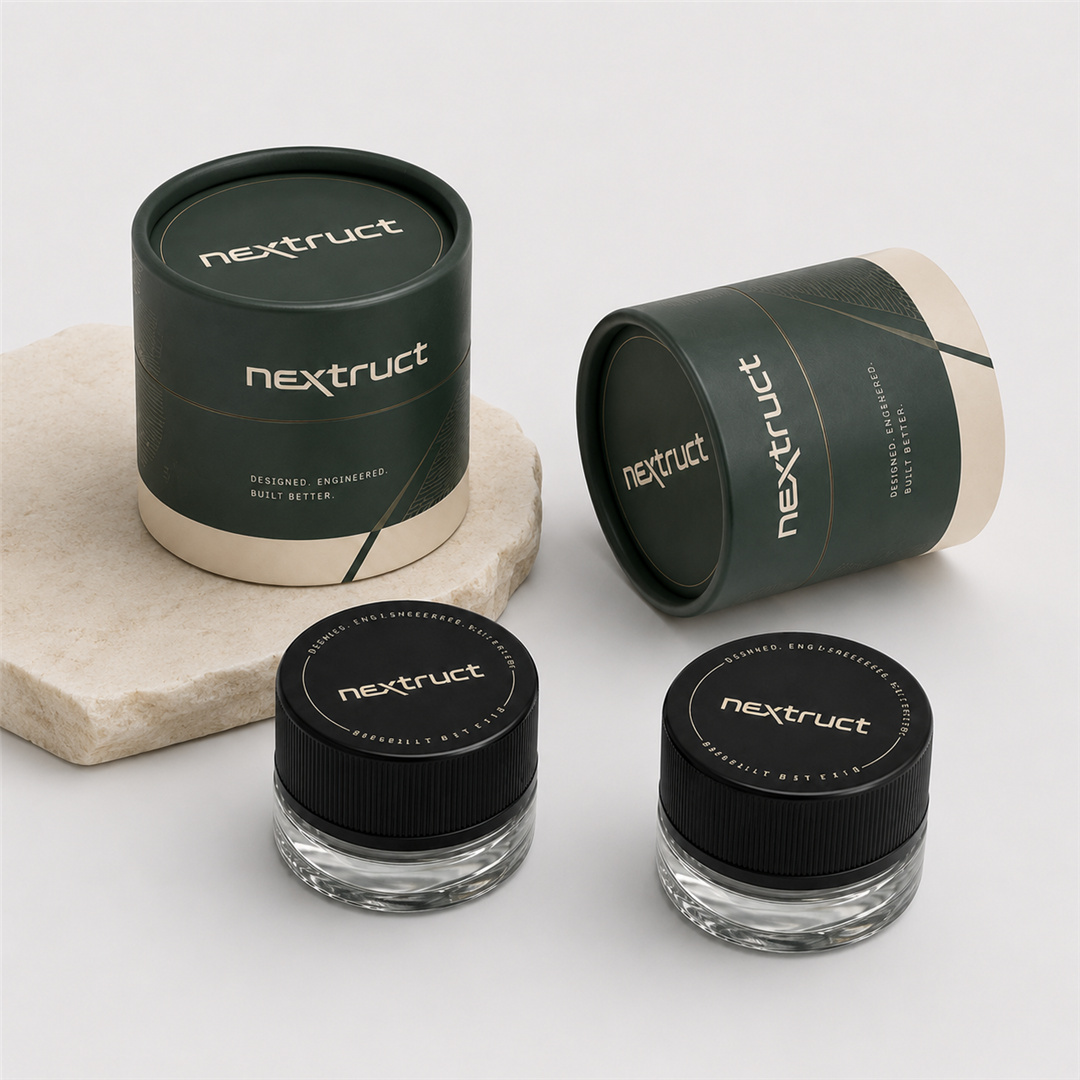
Nextruct’s structural engineering ensures that the outer protective paper tube fits the inner glass bottle precisely. This eliminates the need for plastic bubble wraps or complex multi-layer corrugated inserts, reducing material waste and streamlining the final assembly process at the filling facility.
"Integrating structural engineering directly with material science allows cosmetic brands to bypass the traditional multi-vendor headache, ensuring that sustainable materials perform with the same precision as traditional plastics."
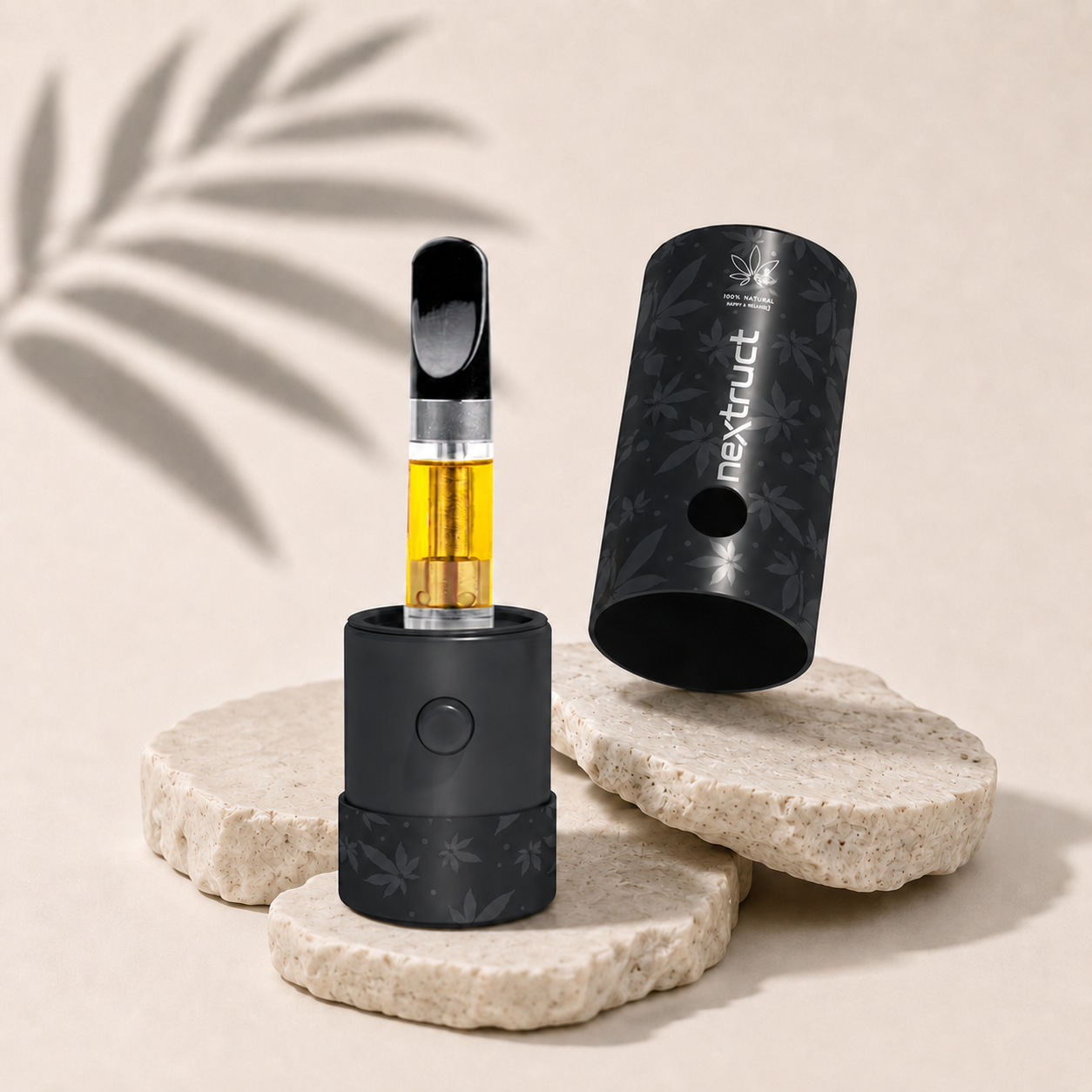
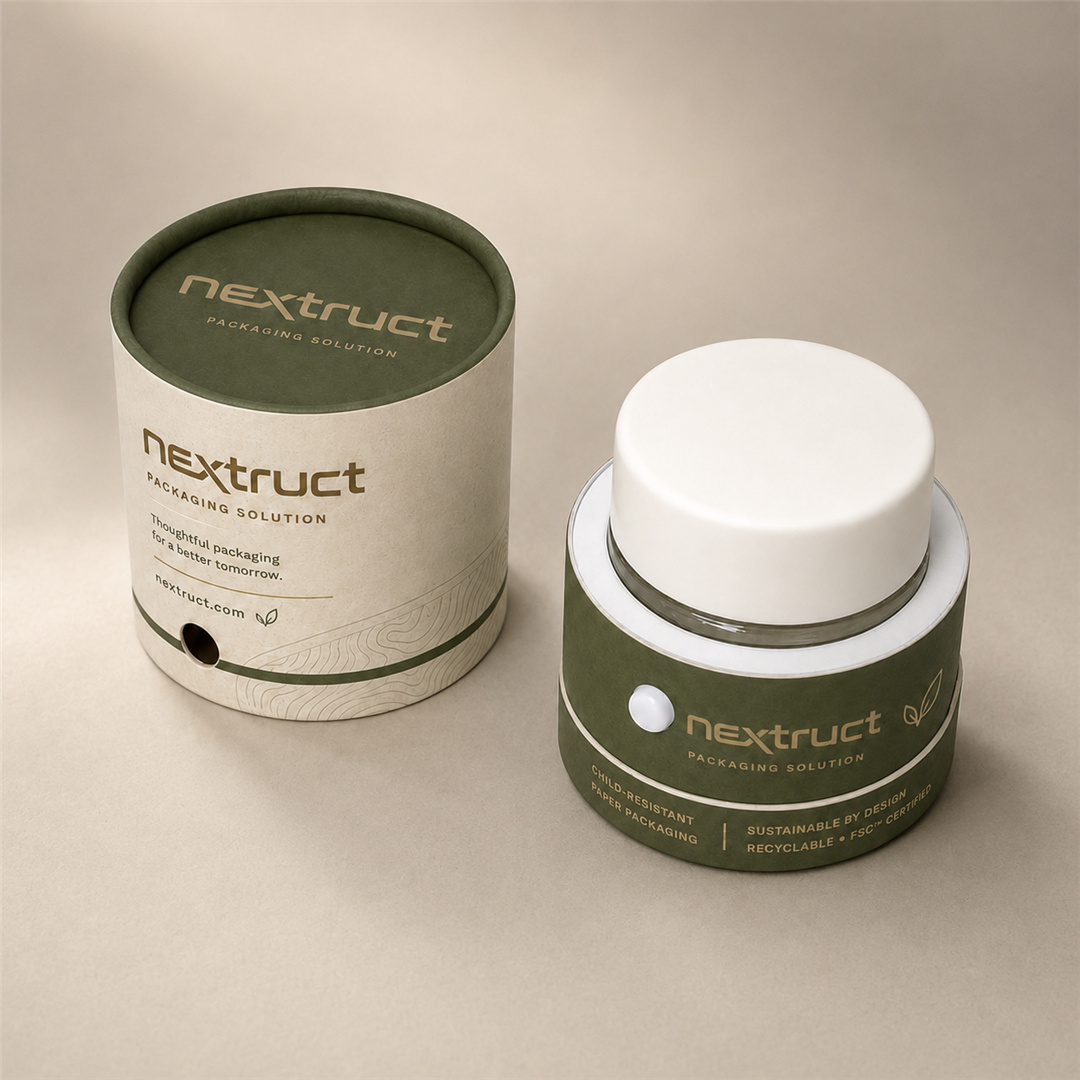
The wellness sector, particularly brands selling supplements, CBD oils, or concentrated skin treatments, requires specialized packaging that is both eco-friendly and secure. Traditional child-resistant (CR) packaging relies heavily on complex, multi-part plastic caps. By utilizing plastic-free child-resistant paper structures, brands can achieve regulatory compliance while keeping their carbon footprint low.
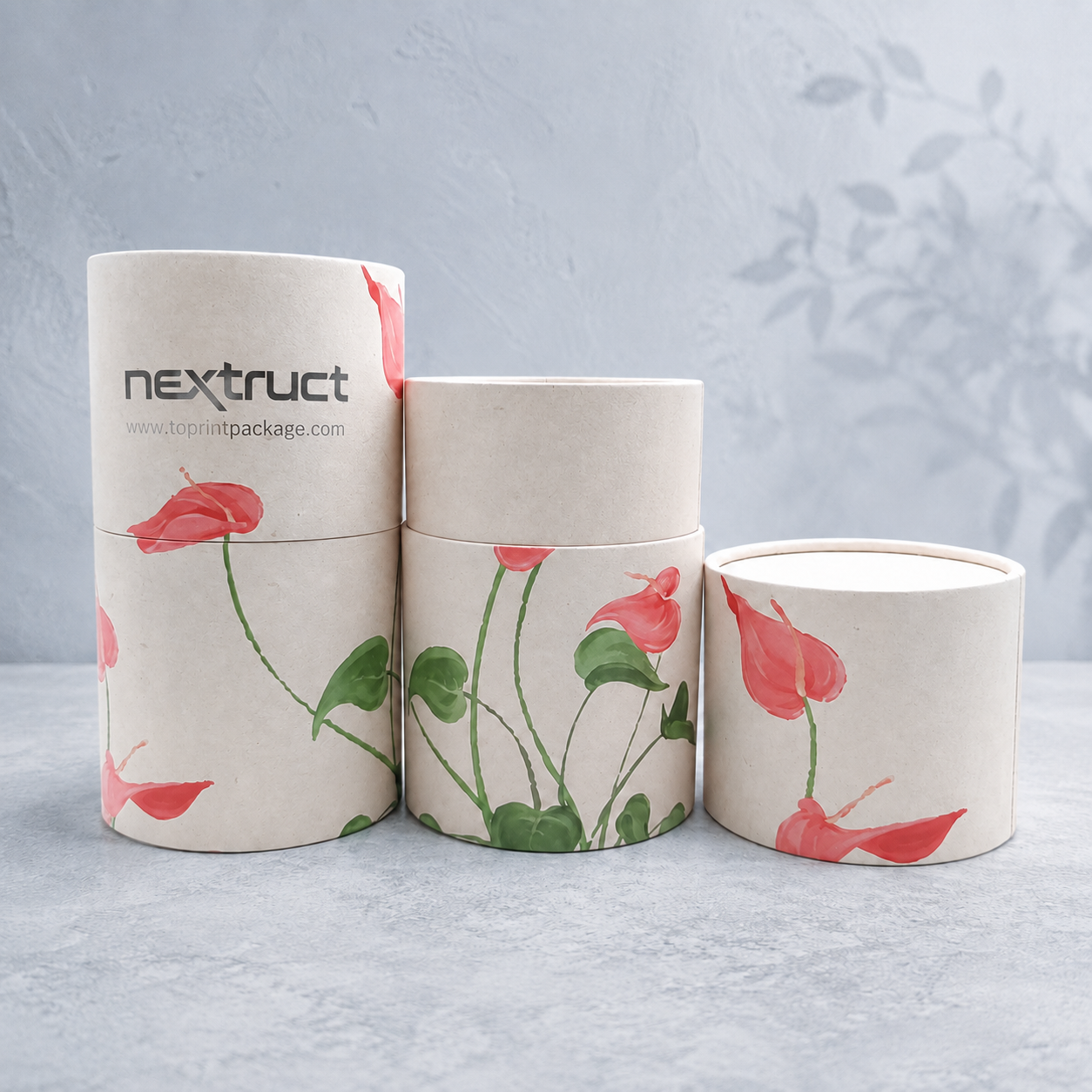
These patented paper-based CR mechanisms are built directly into biodegradable paper tubes, offering a sleek, organic aesthetic that stands out on retail shelves. Because the container and the safety mechanism are manufactured as a single unified component, the brand avoids the logistical complexity of sourcing specialized child-resistant closures separately.


As we look toward the future of cosmetic packaging, several macro trends are shaping how manufacturers and brands collaborate to optimize their supply chains:
One of the holy grails of sustainable cosmetic packaging is the elimination of plastic from liquid formulations. The development of waterproof paper bottle technologies represents a major leap forward. By applying thin, biodegradable barrier coatings to high-density molded fiber shells, packaging designers can now create bottles suitable for shampoos, conditioners, and lotions. This structural innovation allows brands to transition entire product lines away from virgin HDPE/PET bottles to fully compostable fiber alternatives.
Historically, the design phase of cosmetic packaging involved weeks of back-and-forth physical sampling between the brand, the designer, and the manufacturer. Today, advanced CAD software and rapid visual modeling allow engineers to simulate structural stress, fit tolerances, and material behaviors virtually. This digital-first approach ensures that when a physical sample is finally produced, it is already optimized for the filling line, reducing development cycles from months to days.
Global regulatory bodies are increasingly penalizing non-recyclable packaging waste. Brands must design for circularity from the outset. This means selecting mono-materials where possible—such as 100% paper-based tubes—or designing hybrid containers where the glass, plastic, and fiber elements can be easily separated by the consumer for recycling. Consolidating these design requirements under a single structural packaging partner ensures that the final product complies with international recycling standards (such as FSC and SA8000).