1. Compliance with the EU PPWR Regulations
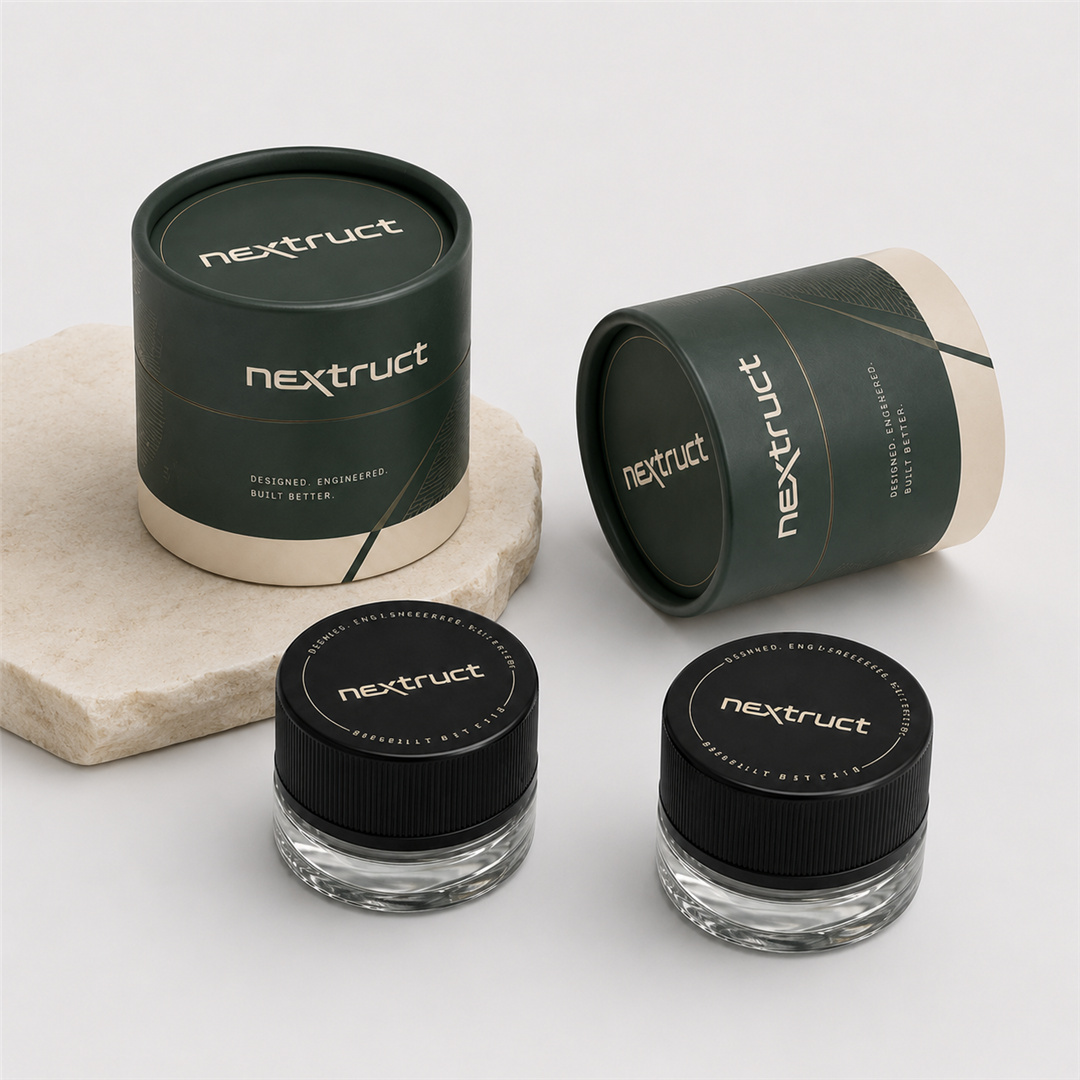
The Packaging and Packaging Waste Regulation (PPWR) mandates that all packaging in the EU market must be recyclable by 2030, and packaging waste must be progressively reduced. In Belgium, organizations like Fost Plus and Valipac enforce strict recycling quotas. Manufacturers are redesigning their structural layouts to eliminate composite materials that are difficult to separate, moving towards mono-material paperboard structures and easily separable hybrid packaging.
2. Plastic-Free Child-Resistant (CR) Packaging
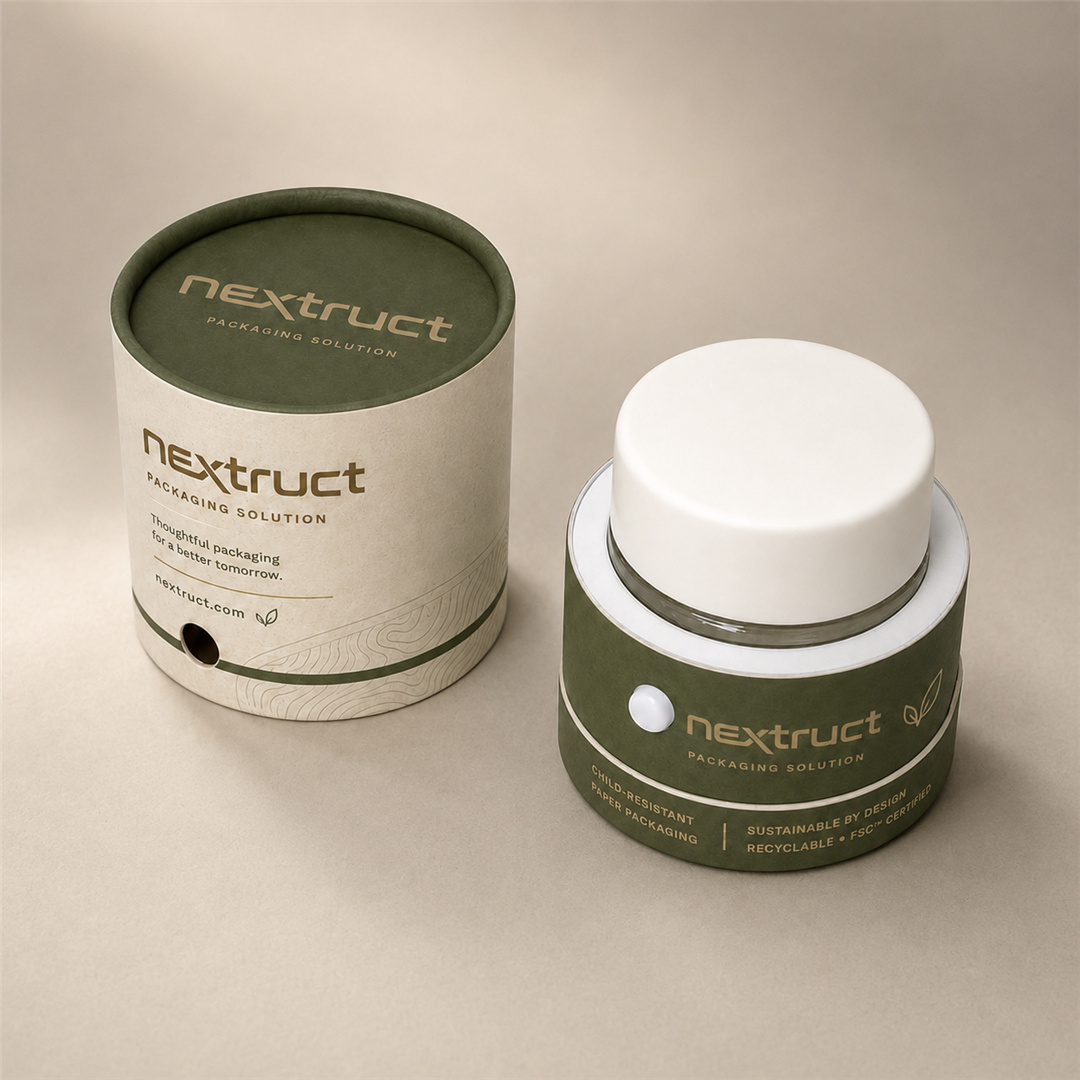
With the expansion of the wellness and pharmaceutical sectors, child-resistant packaging has become a focal point. Traditionally, CR mechanisms relied heavily on complex plastic components. The current trend in Belgium is the adoption of plastic-free, paper-based CR structures. These designs utilize smart locking mechanisms made entirely from biodegradable fiberboards, providing the necessary safety ratings without compromising sustainability goals.
3. Digital Twin Prototyping & AI-Driven Layouts
To speed up the time-to-market for Belgian enterprises, modern manufacturers utilize AI-driven layout design tools. These technologies allow for rapid visual modeling, stress-testing packaging structures in virtual environments before physical samples are created. This digital twin approach minimizes material waste during the prototyping phase and ensures that the final layout is structurally optimized for mass production.
4. Circular Economy and Refillable Systems
Belgian consumers are highly receptive to refillable packaging models. Brands are requesting layouts that consist of a durable outer shell (often made of glass, wood, or heavy-duty paperboard) and a lightweight, recyclable, or compostable inner refill. This hybrid packaging integration reduces long-term packaging costs and waste, aligning perfectly with Belgium's circular economy goals.