Leave Your Message
Explore our top-tier structural packaging layouts engineered specifically to resolve fragmentation in high-demand consumer goods supply chains.
In the contemporary globalized economy, brands operating within the wellness, cosmetics, and personal care sectors frequently encounter a silent bottleneck: supply chain fragmentation. This fragmentation manifests when various elements of a single product’s packaging—such as the primary container, secondary protective box, inserts, labels, and outer shipping cartons—are sourced from geographically dispersed manufacturers. The resulting friction leads to color inconsistencies, structural mismatches, assembly delays, and inflated shipping costs. Optimizing the packaging layout serves as a strategic intervention to resolve these inefficiencies.
When packaging components do not share a unified structural layout or design blueprint, the downstream assembly line bears the burden. For instance, a cosmetic brand sourcing a PCR-PE squeeze tube from one vendor and a custom paperboard sleeve from another often discovers that minor dimensional tolerance variations prevent automated cartoning machines from running at peak speed. This mismatch requires manual intervention, increasing labor costs and extending time-to-market. By enforcing a standardized, digitally mapped packaging layout, brands can establish precise tolerance parameters that bind all manufacturing partners to a single source of truth.
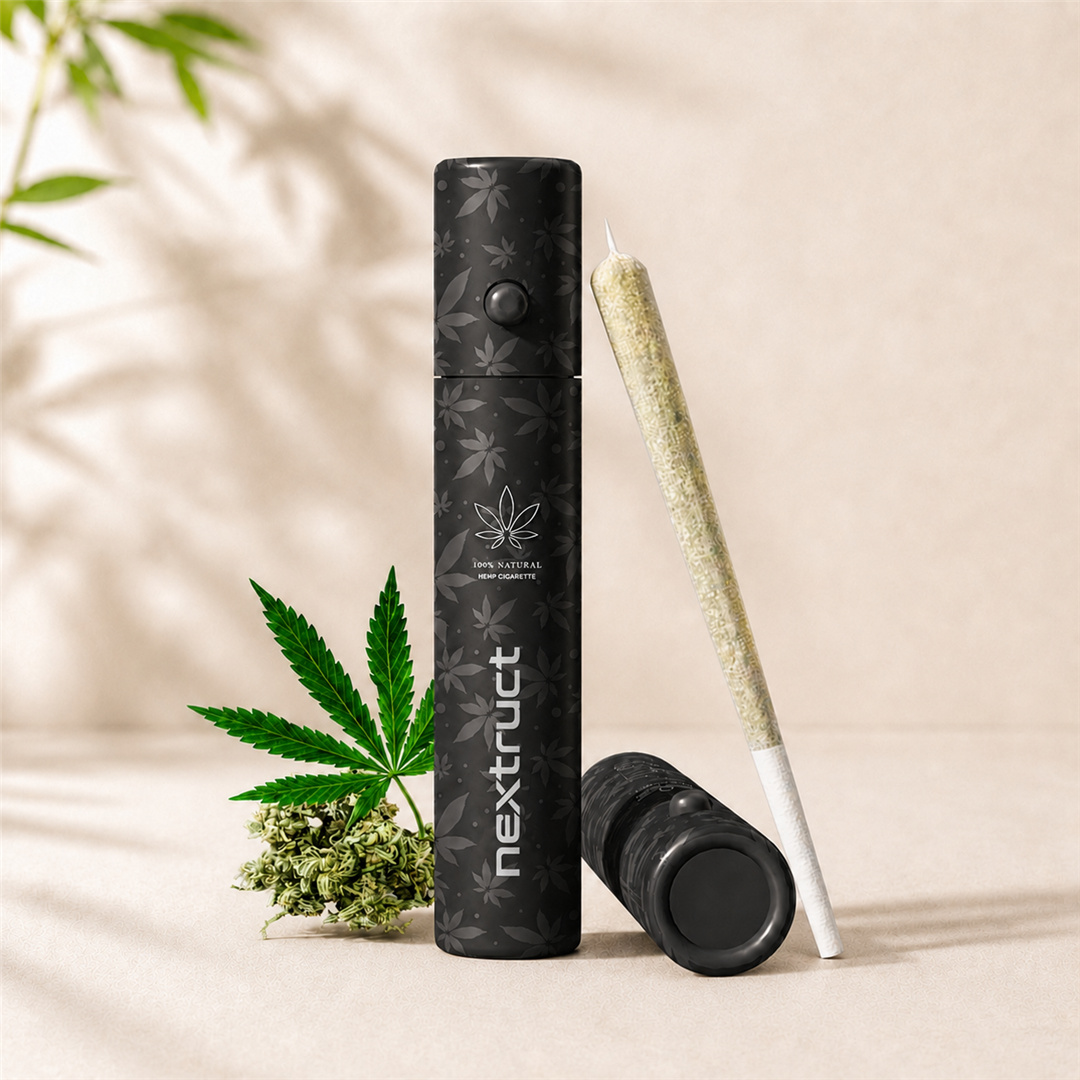
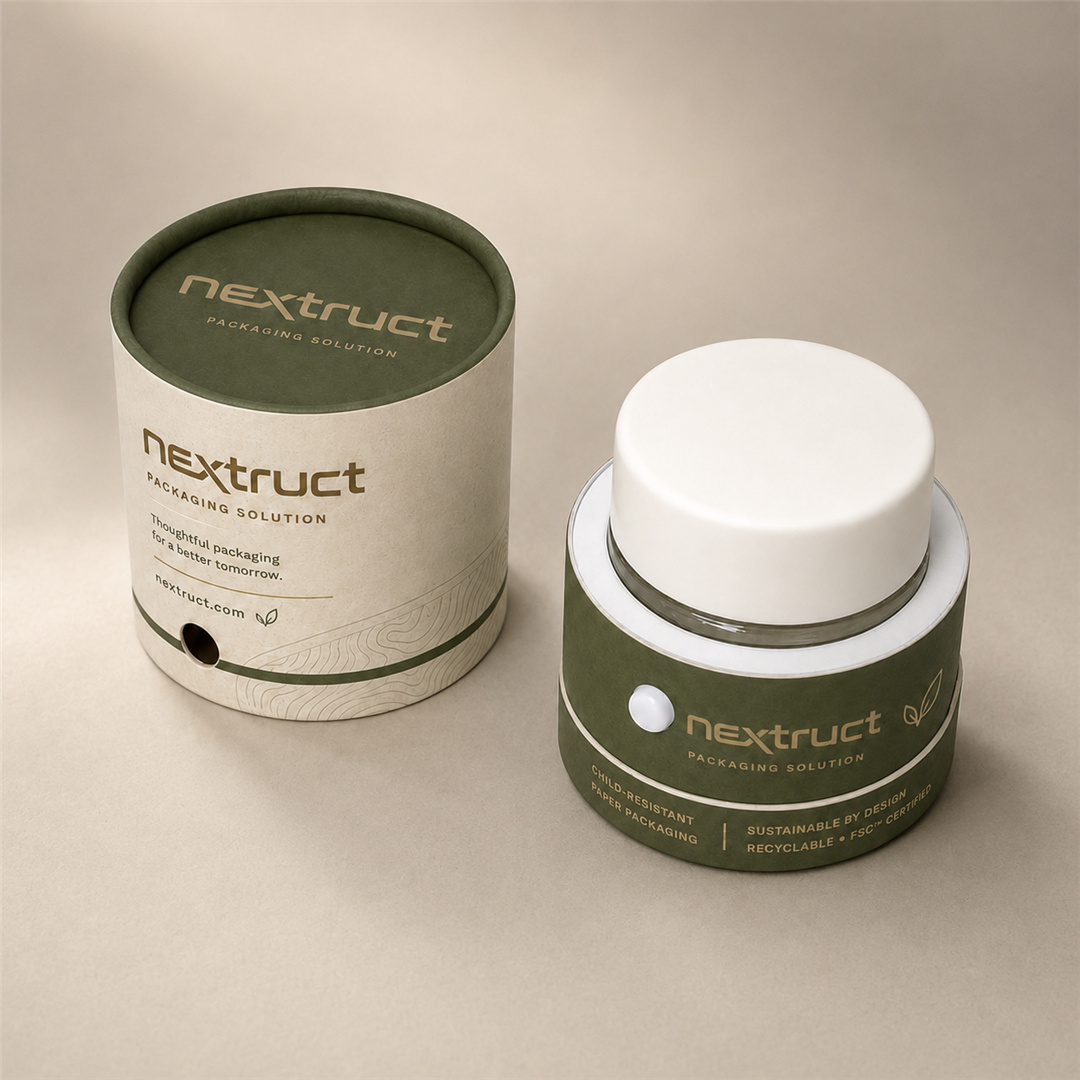
In highly regulated industries such as electronic cigarettes, vape hardware, and medicinal wellness, packaging is subject to strict safety mandates. Implementing a plastic-free, biodegradable child-resistant paper packaging layout requires meticulous structural engineering. The layout must integrate locking tabs, internal structural supports, and precise die-lines that remain consistent across varying paperboard densities. A unified layout allows brands to source raw pulp and paperboard from local mills while maintaining certified compliance at the final packaging assembly plant, dramatically reducing the carbon footprint associated with long-distance material transit.
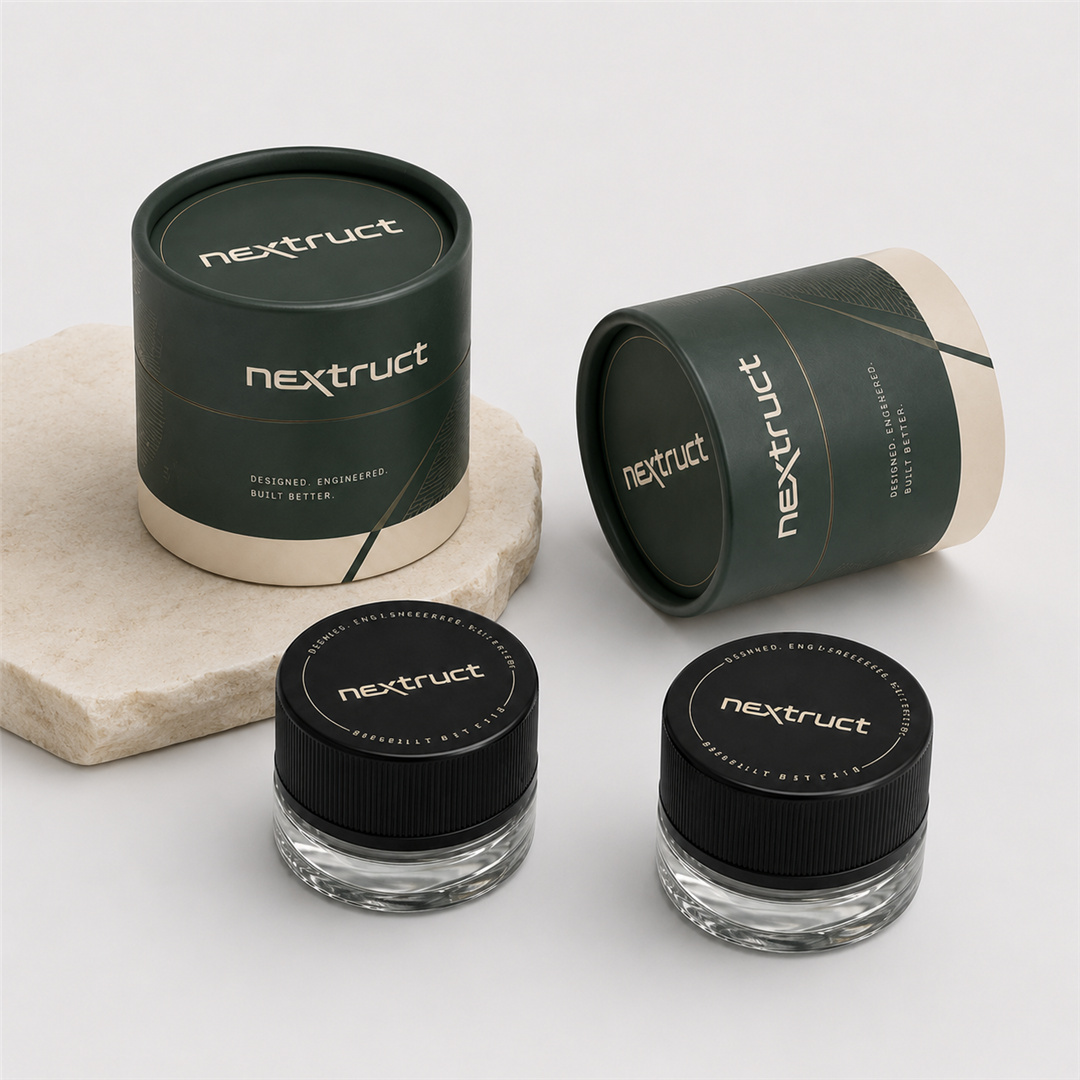
Modern cosmetic brands must balance sustainability with luxury aesthetics. This balance often calls for hybrid packaging layouts that combine fiber-based outer sleeves with glass or post-consumer recycled (PCR) plastic containers. The design challenge lies in ensuring that these disparate materials fit together seamlessly without adhesive dependencies. A well-designed packaging layout incorporates structural friction locks and geometric nesting to secure the primary container within the outer fiber jacket, facilitating easy material separation for end-consumers during recycling and streamlining the automated assembly process.
The wellness and supplement industry is characterized by high SKU counts and diverse formulation volumes (powders, capsules, liquids). Historically, this diversity forced brands to maintain dozens of distinct packaging layouts, leading to high tooling costs and supply chain complexity. By shifting to a modular packaging layout—such as a standardized tube diameter with variable heights—brands can utilize identical filling lines and outer shipping shippers across their entire product portfolio. This layout standardization minimizes changeover times on production lines and enables volume discounts on core packaging materials.
Optimizing your packaging layout yields three primary industrial advantages:
The next frontier of supply chain optimization lies in AI-driven structural design. By feeding performance requirements, material properties, and shipping dimensions into generative layout algorithms, engineers can instantly generate optimized packaging layouts that maximize strength while minimizing material weight. These digital twins can be simulated under drop-test conditions before physical prototypes are ever manufactured, dramatically shortening development cycles and reducing prototyping waste.



Our engineering approach addresses the three major pillars of modern global distribution networks.
Standardizing die-lines across multiple packaging lines ensures instant machinery compatibility and minimal setup waste.
Unifying fiber, glass, and PCR plastic interfaces to eliminate excess packaging components and optimize shipping volume.
Accelerated visual modeling and physical sampling loops to reduce time-to-market across fragmented regional markets.
How we coordinate design, engineering, and manufacturing to deliver robust packaging solutions globally.
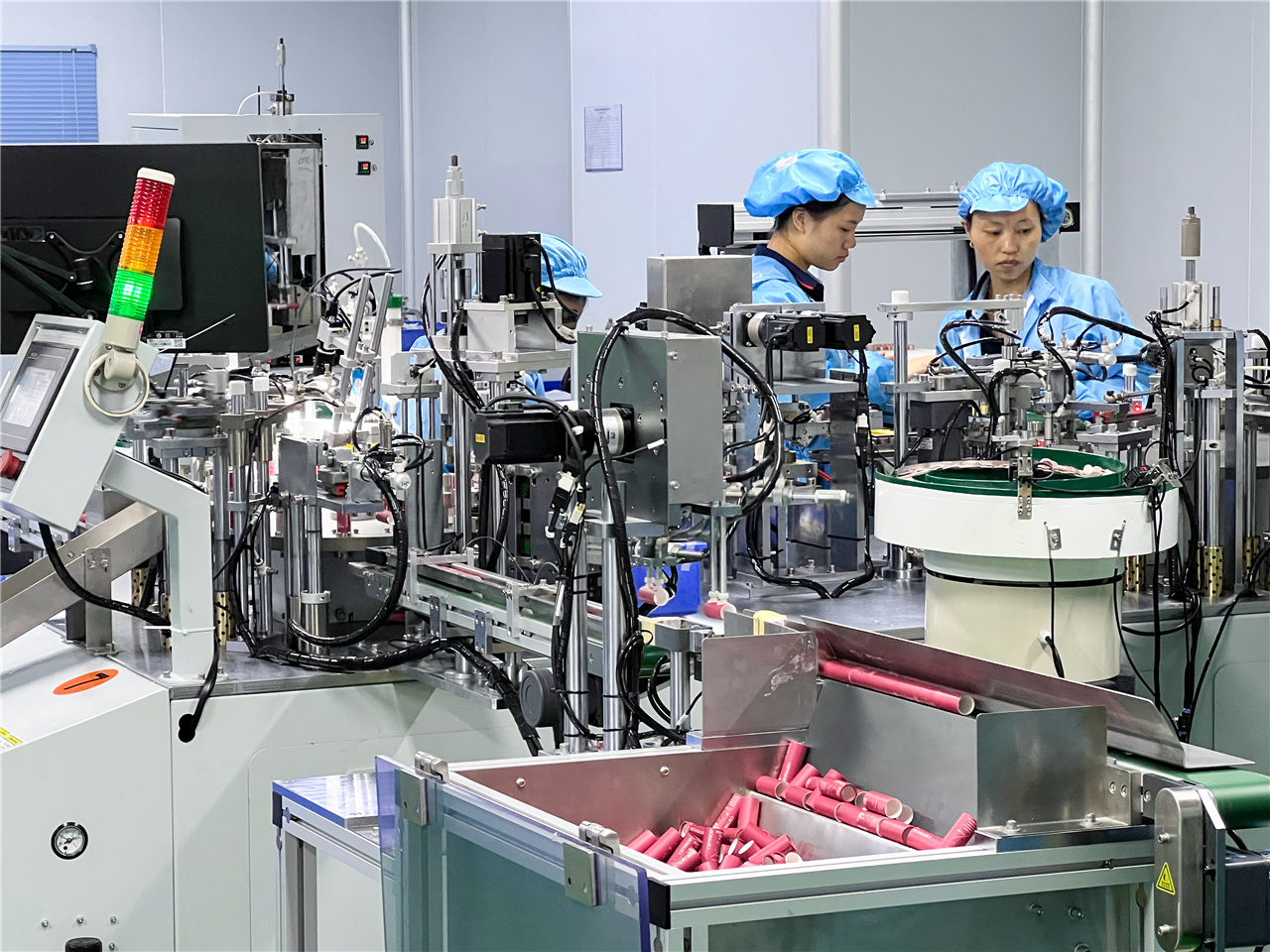
We integrate structural engineering and design capabilities with a global supply chain to provide end-to-end solutions from concept development to mass production and delivery, helping brands achieve packaging innovation and market differentiation.
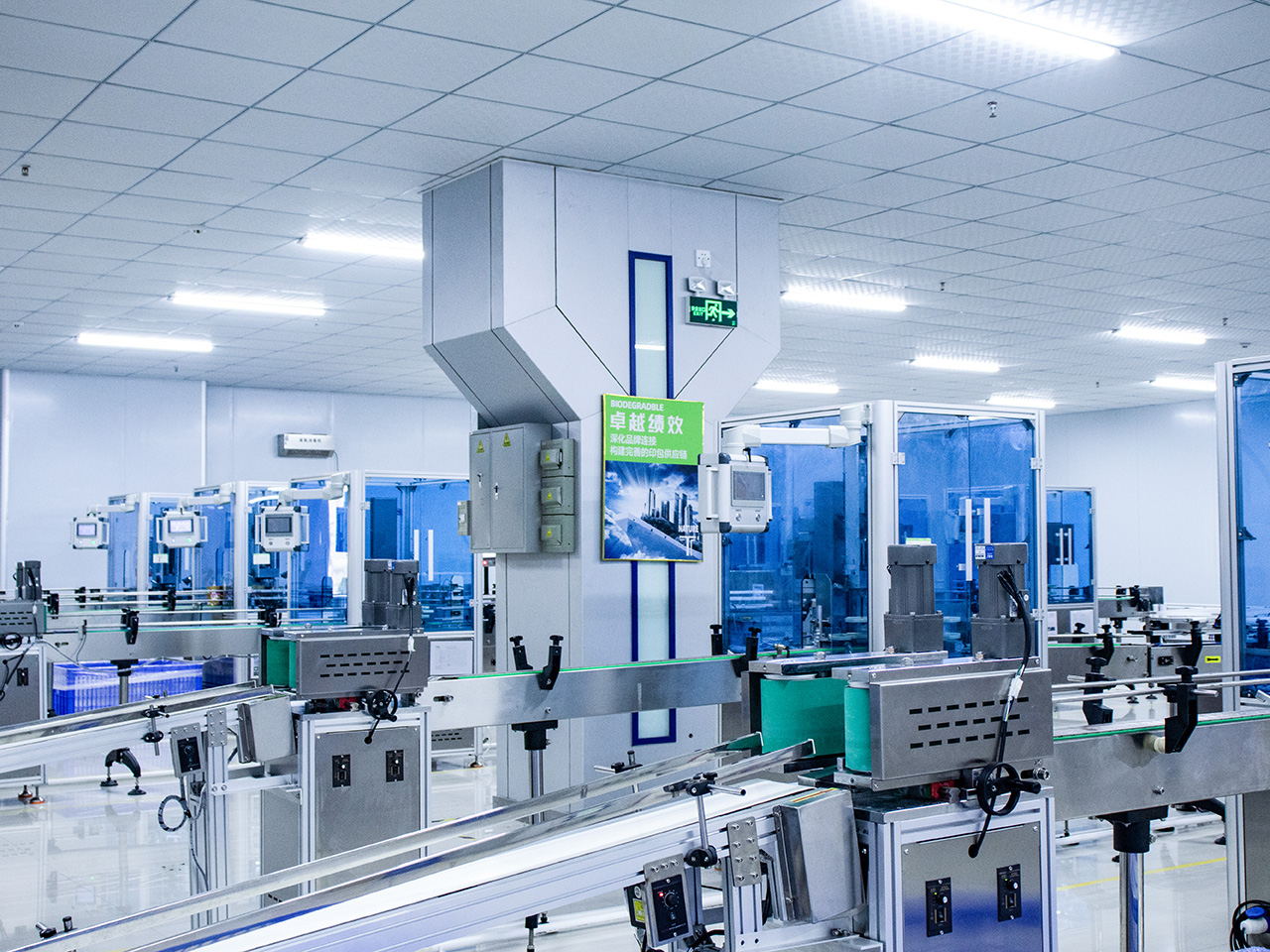
Nextruct strictly adheres to three ISO management systems and the SA8000 social responsibility standard, and holds FSC certification, ensuring its production and supply chain are compliant and well-regulated, providing global clients with compliant, high-quality, and environmentally friendly product solutions.
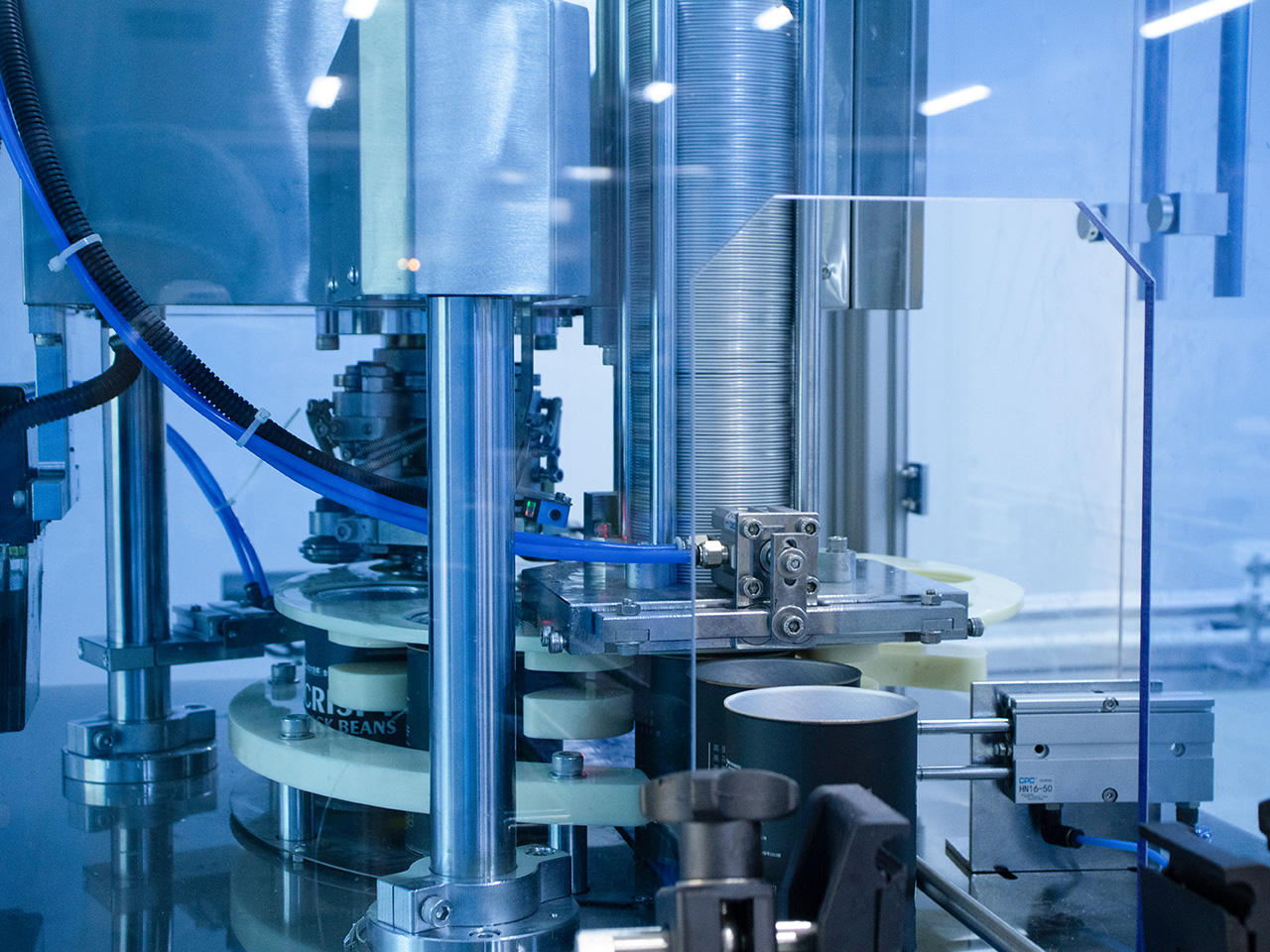
More than a regular packaging supplier, we serve as your reliable long-term ally to advance continuous packaging innovation.
Select from our certified packaging layouts to streamline your assembly line and reduce supply chain fragmentation.