Leave Your Message
Explore our award-winning, space-efficient, and plastic-reduced primary packaging designs engineered for rapid scaling.
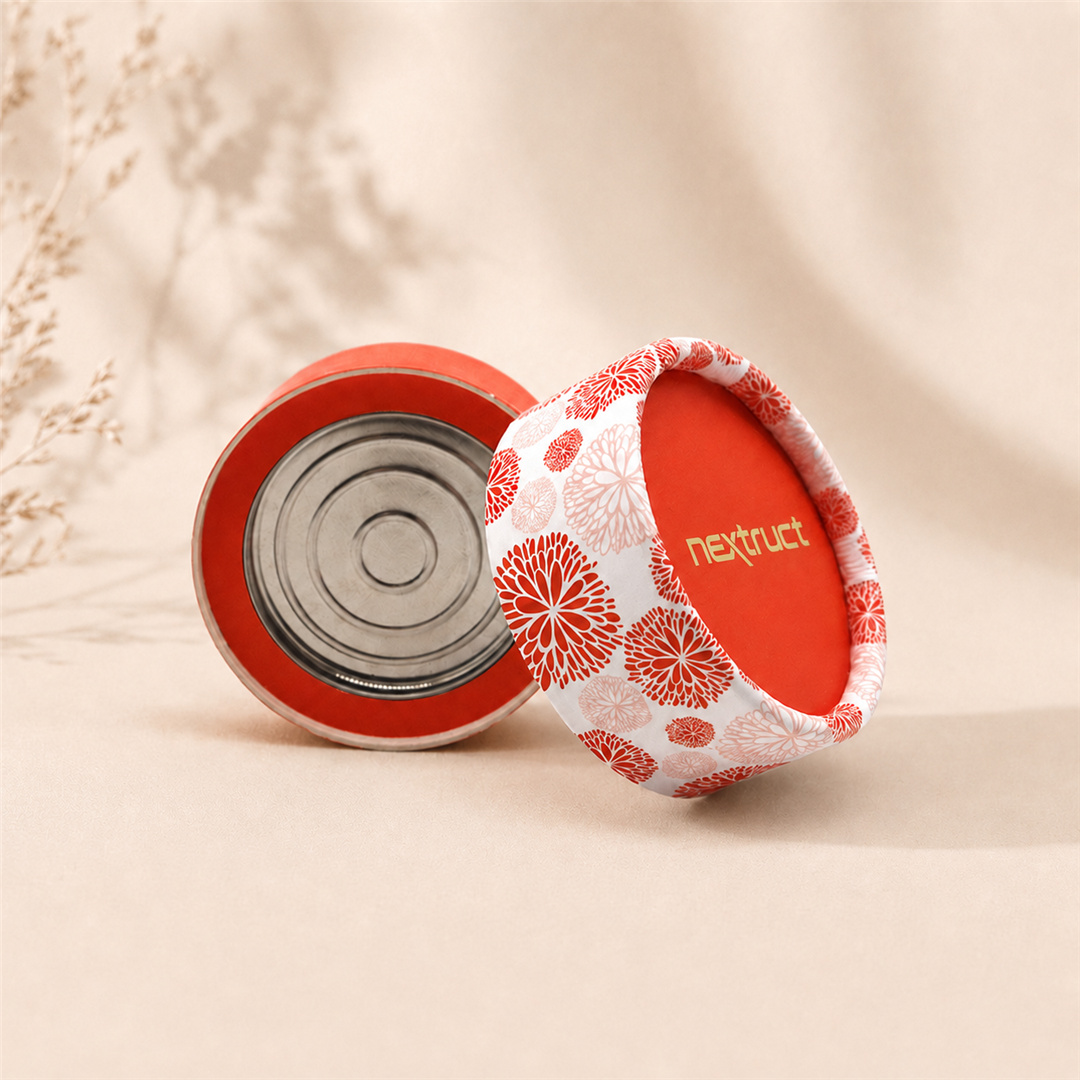
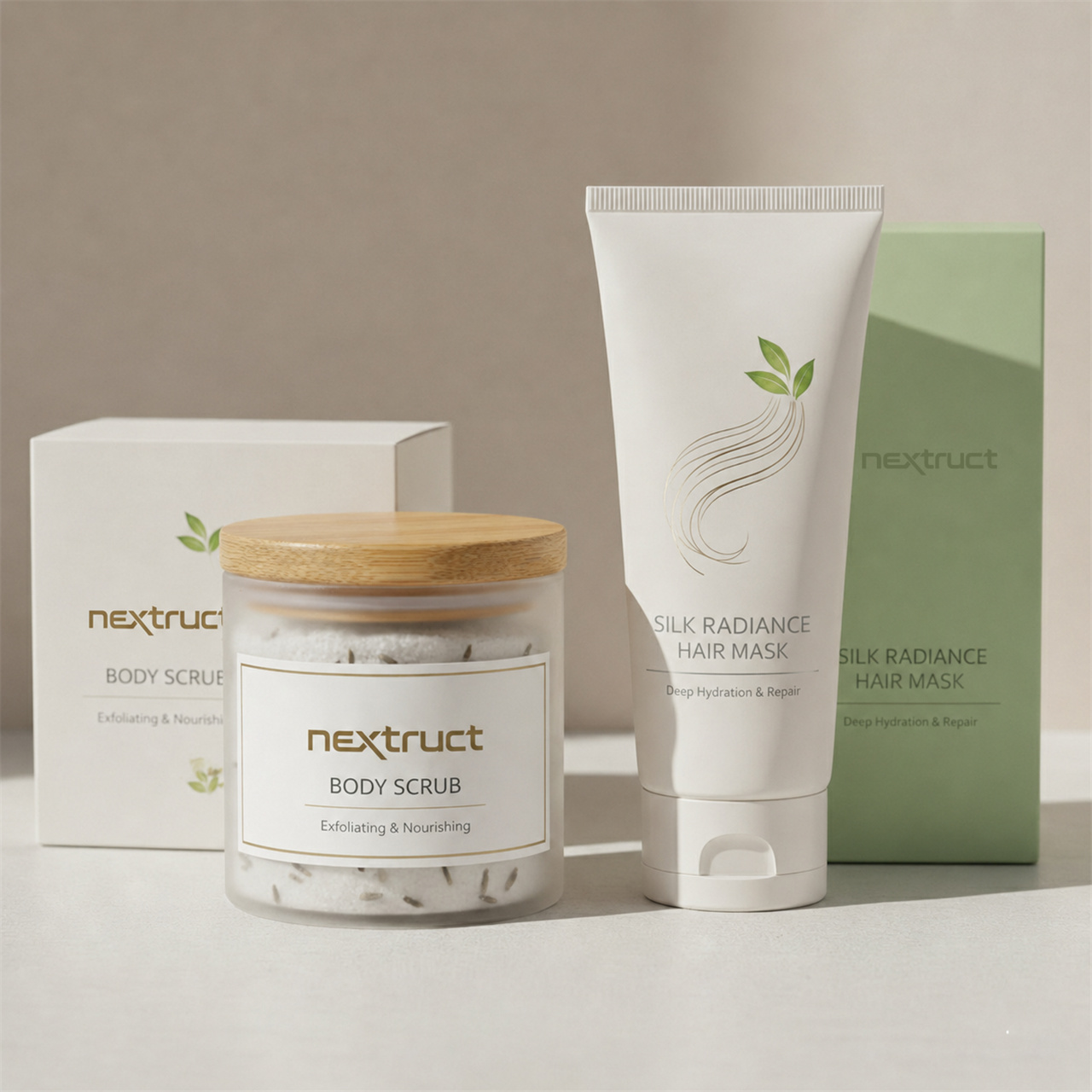
For emerging beauty, wellness, and personal care brands, scaling up is a tightrope walk between operational efficiency and environmental responsibility. Packaging is often the first physical touchpoint a customer has with your brand. However, traditional custom packaging processes present massive hurdles: high Minimum Order Quantities (MOQs), excessive material waste, and rigid structural designs that do not adapt to expanding product lines.
This is where packaging layout optimization becomes a critical growth driver. A packaging layout refers not just to the graphic design, but to the physical, spatial, and structural blueprint of the packaging. It dictates how raw materials are cut, how products fit within secondary boxes, how they stack on shipping pallets, and how easily they can be recycled or refilled by the end-user.
Optimizing the spatial layout of your packaging can reduce dimensional weight (DIM weight) by up to 30%, directly lowering logistics costs while simultaneously minimizing carbon emissions during transit.
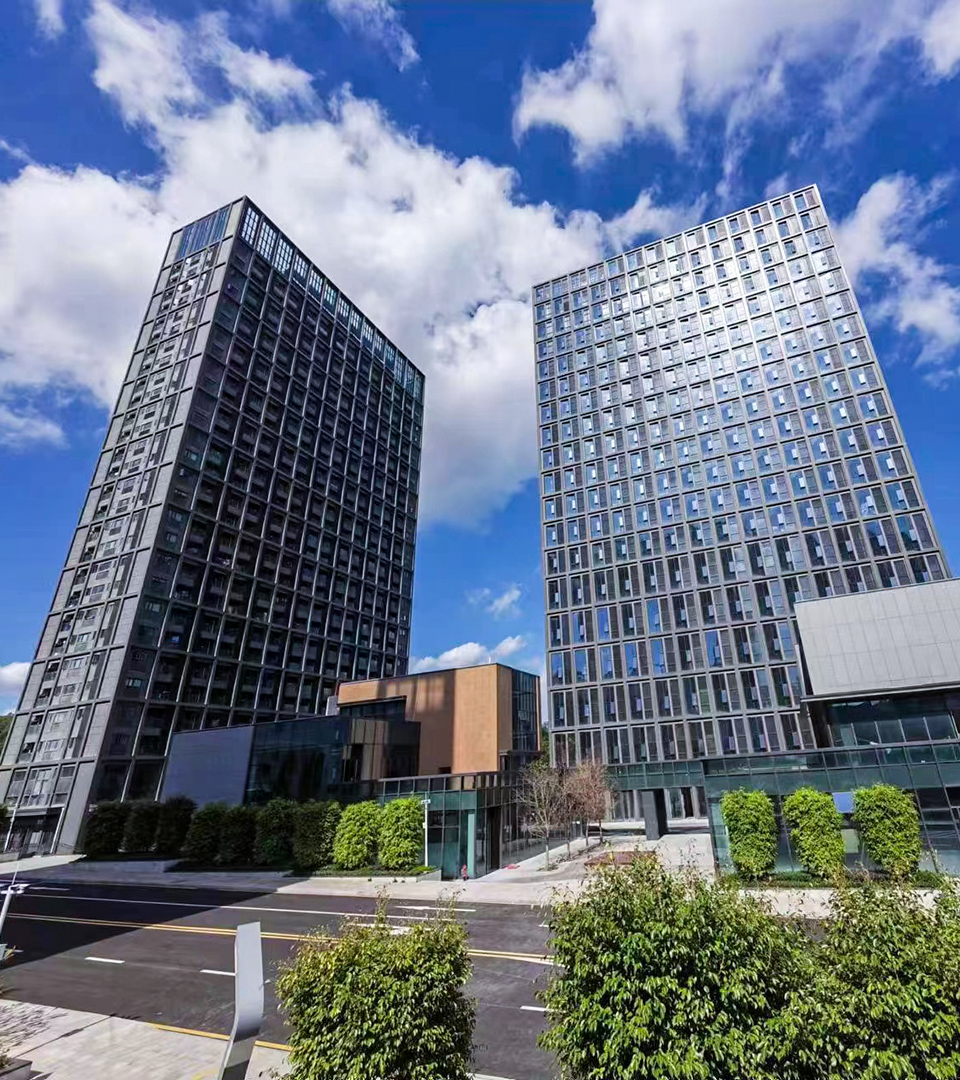


Nextruct (formerly Toprint) is a Guangdong-based, China-based one-stop sustainable packaging solutions provider, driven by structural innovation. With 14 years of deep industry experience, we focus on the research and development of paper-based structures and the integration of sustainable materials, providing high-value, environmentally friendly packaging solutions for global makeup, personal care, and wellness brands.
Nextruct holds 21 patents for innovative paper-based structures and has won the prestigious 2026 Red Dot Product Design Award. Through our proprietary paper-based patented technology, combining recyclable glass and recycled plastics, Nextruct enables truly viable sustainable brand upgrades without compromising functionality, strength, or commercial viability.

A technical and strategic breakdown of layout optimization for high-growth, eco-conscious consumer brands.
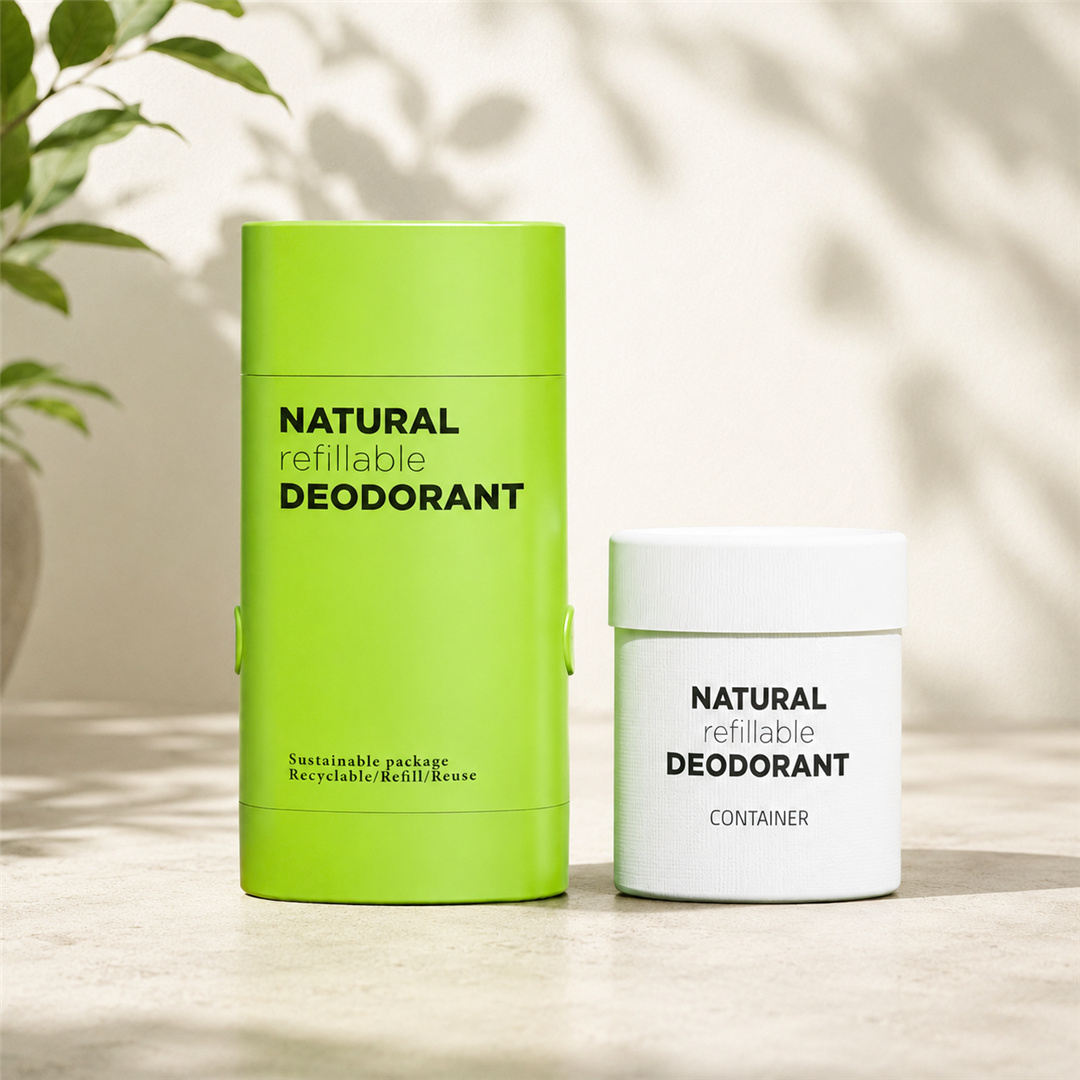
The foundation of sustainable packaging layout lies in smart dieline design. Traditional layouts often result in significant paperboard waste during the die-cutting process. By employing nested layouts and modular designs, Nextruct minimizes industrial off-cut waste. This ensures that every sheet of FSC-certified virgin kraft paper or PCR cardboard is utilized to its maximum potential. Furthermore, utilizing smart folding mechanisms eliminates the need for toxic chemical adhesives, enabling a completely glue-free assembly that improves the package's post-consumer recyclability.
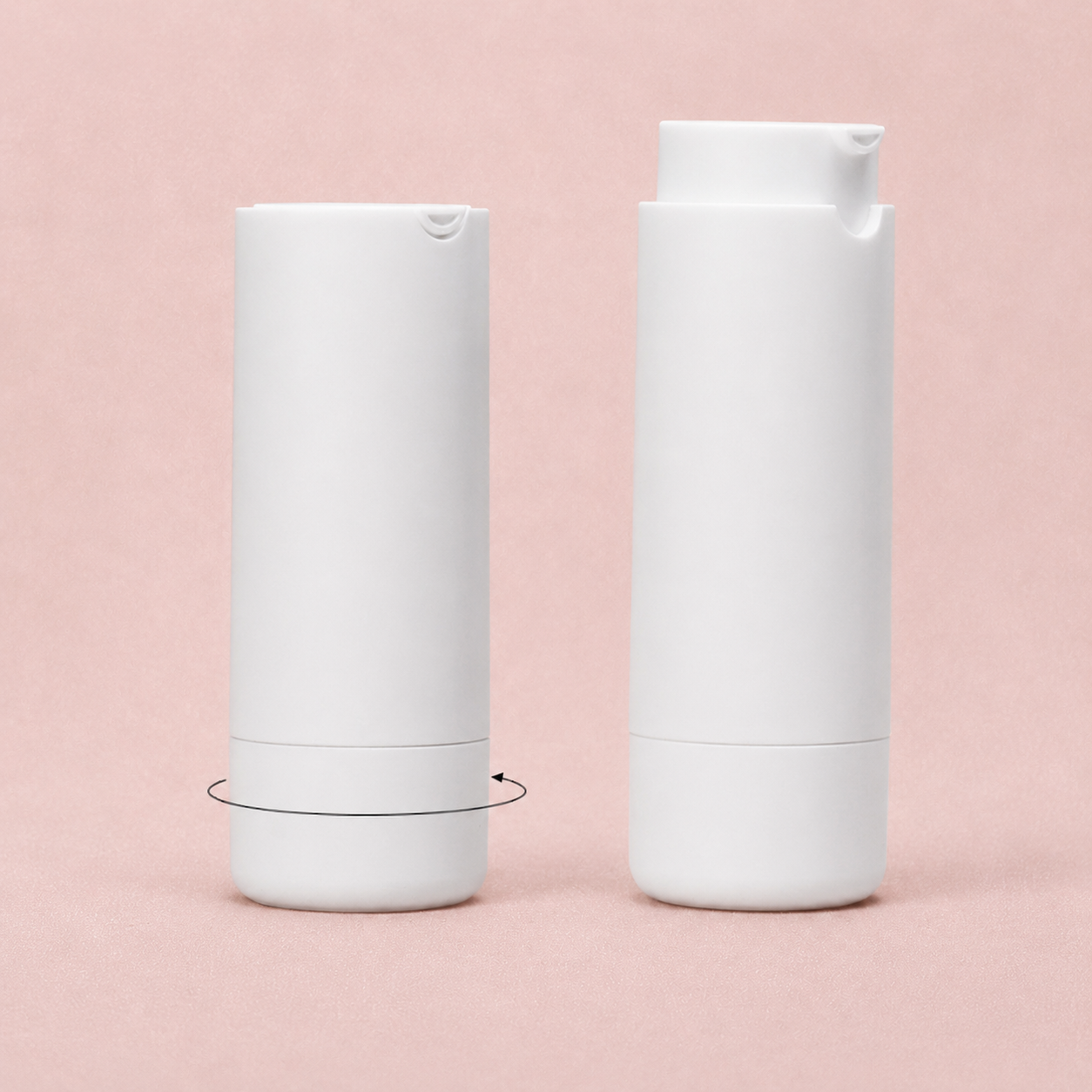
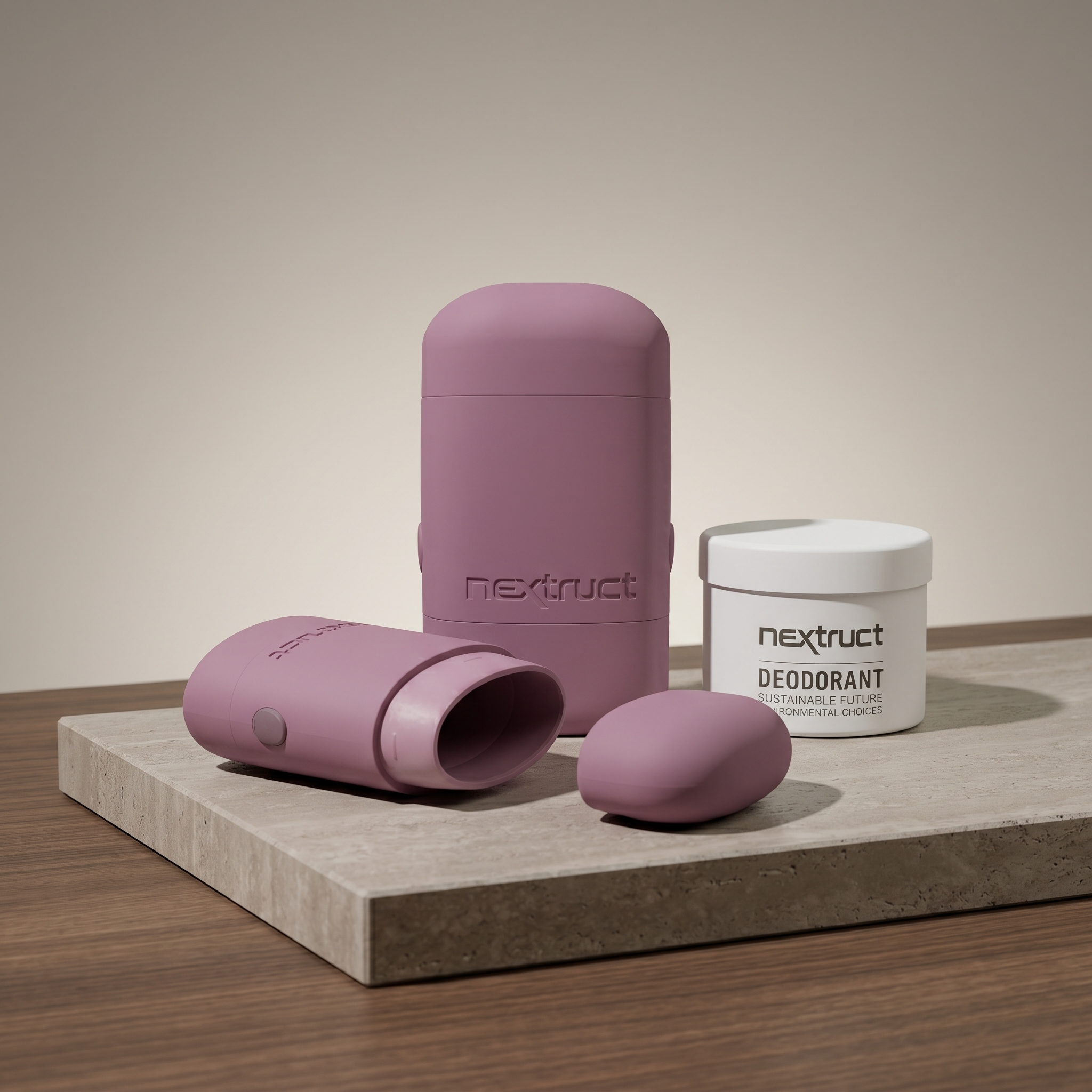
For products requiring airtight seals or liquid barriers—such as skincare serums, creams, and sunscreens—100% paper packaging has historically faced limitations. Nextruct resolves this via our hybrid layout strategy. We construct a rigid, protective outer shell made from high-performance fiber or FSC-certified paper, nested with a lightweight, refillable inner liner made from glass or PCR (Post-Consumer Recycled) plastic. This layout allows consumers to easily separate the paper shell from the inner liner, facilitating effortless sorting at recycling facilities.
For a startup to scale sustainably, carbon footprint reduction must extend to logistics. Packaging layouts should be designed backward from the shipping pallet. By optimizing the outer dimensions of primary and secondary packaging, we ensure maximum cube utilization in shipping cartons and sea containers. Eliminating empty space (void fill) inside shipping boxes means you ship less air, dramatically lowering freight costs and reducing transit-related carbon emissions.
Modern consumers demand an intuitive unboxing experience. The packaging layout must guide the user on how to disassemble, reuse, or recycle the components. Clear debossed instructions, intuitive pull-tabs, and modular inserts make refilling skincare pump bottles or swapping out blush pans simple and satisfying. This tactile engagement builds strong brand loyalty and reinforces your startup's commitment to authentic circularity.
How we bridge the gap between creative design concepts and high-volume, compliant global distribution.
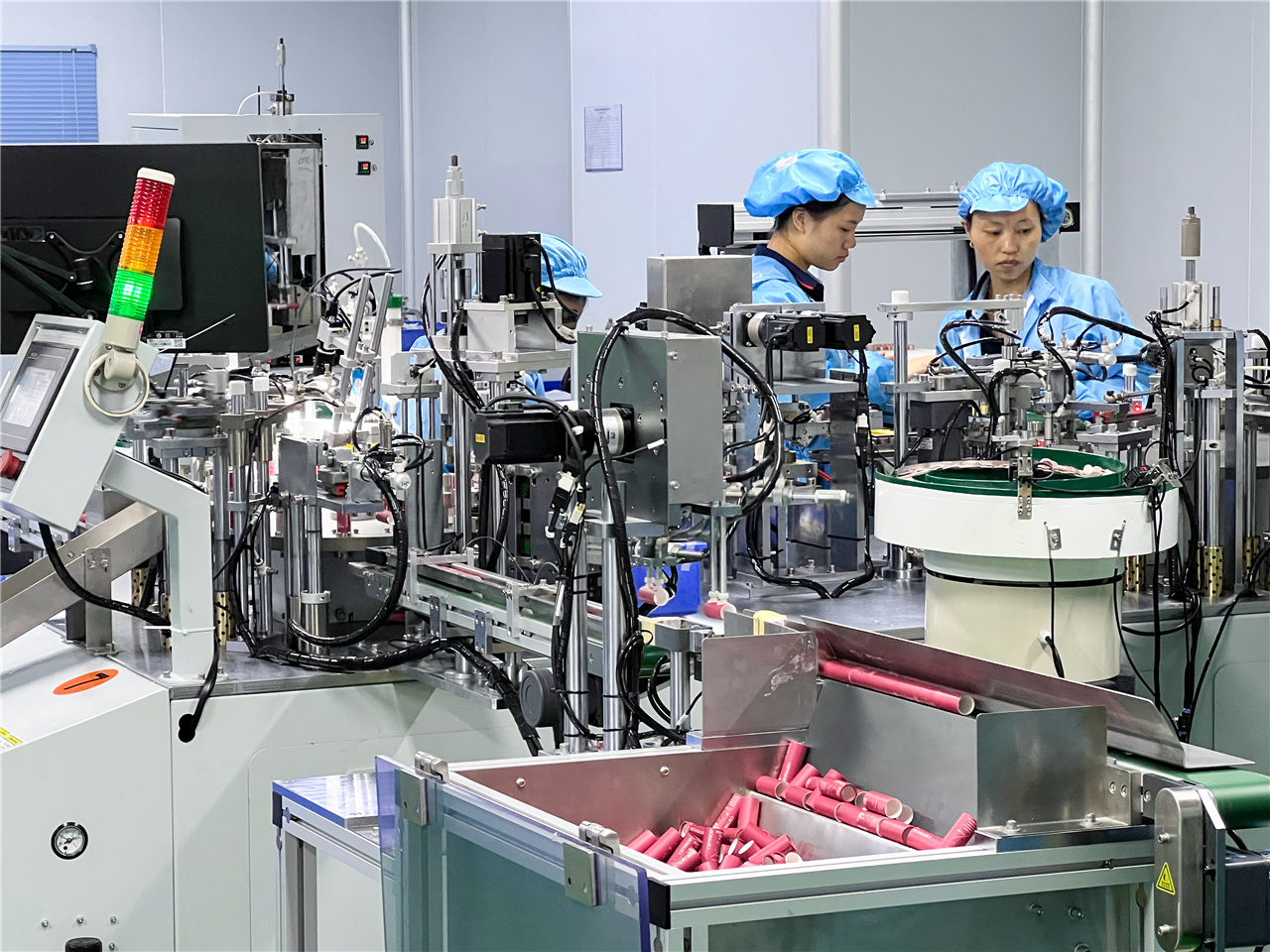
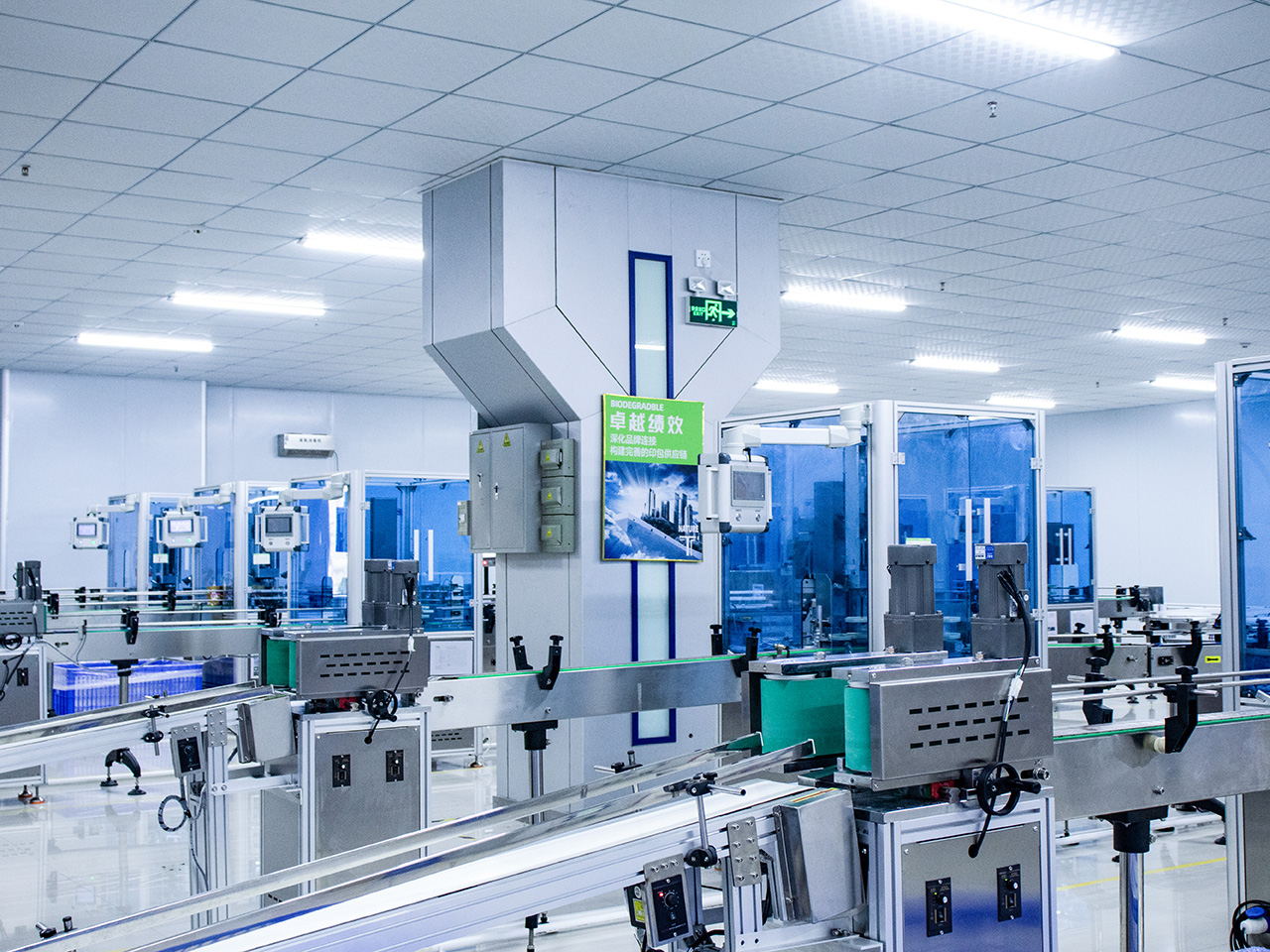
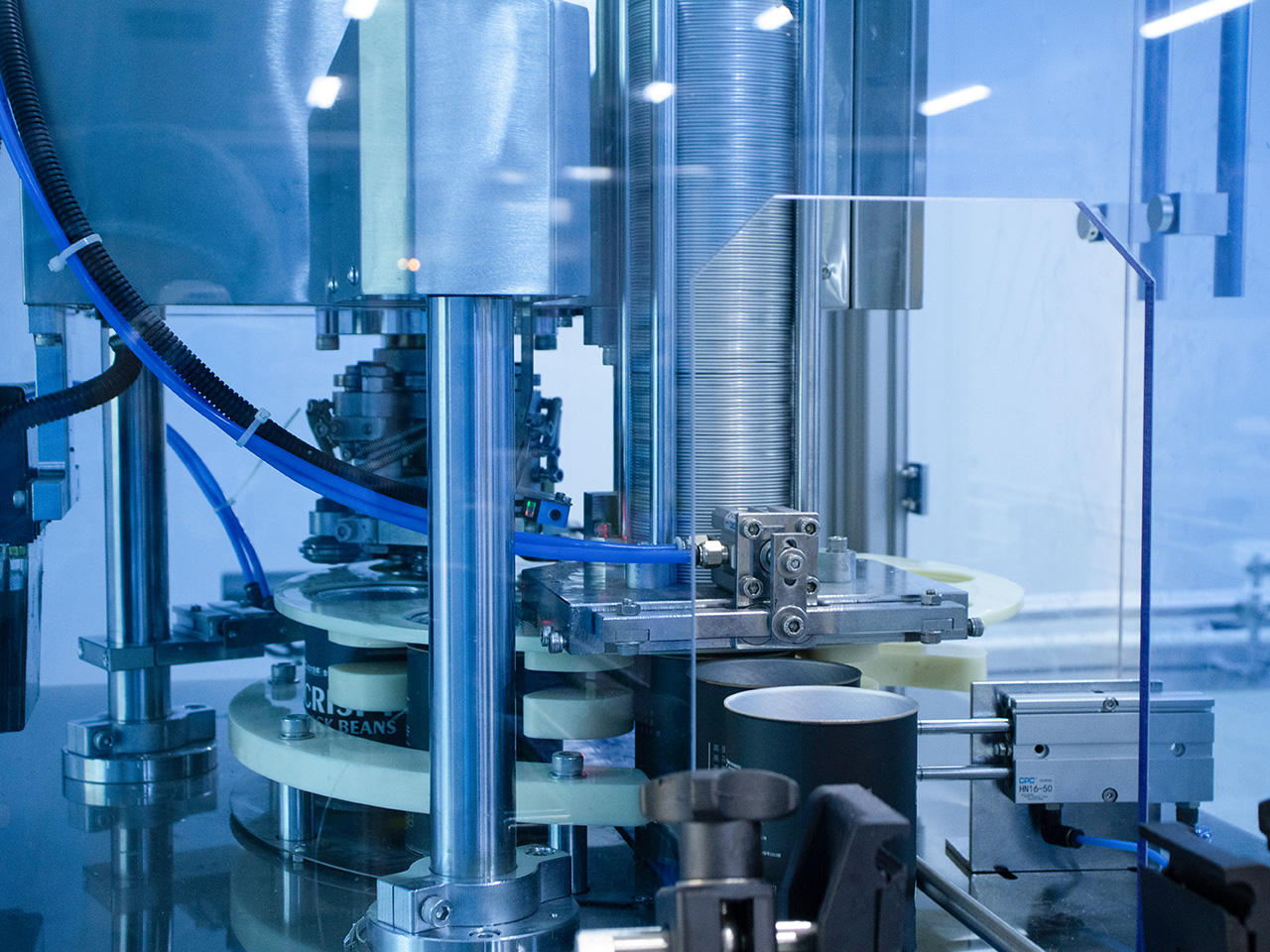
Stay ahead of the curve with emerging packaging technologies and global regulatory compliance standards.
Recycling facilities struggle with multi-material packaging. The industry is rapidly shifting toward monomaterial designs—such as all-paper tubes or all-polyolefin pumps. Designing a high-performance layout using a single material class ensures that the entire package can be thrown into a single recycling bin without disassembly, meeting the strict requirements of circular economy frameworks.
Governments worldwide are implementing Extended Producer Responsibility (EPR) laws and strict plastic reduction regulations, such as the EU's Packaging and Packaging Waste Regulation (PPWR). Startups that adopt plastic-reduced, paper-based, or refillable packaging layouts now will avoid future environmental taxes, compliance penalties, and supply chain disruptions.
Instead of shipping heavy, liquid-filled containers repeatedly, scaling brands are utilizing lightweight paper-based refills (like concentrate pods or dry tablets) paired with durable, high-end outer containers. This layout dramatically reduces shipping weight, lowers packaging material consumption, and locks in recurring subscription revenue from eco-conscious consumers.
Explore our full line of customizable, patented, and award-winning eco-friendly packaging layouts.