Leave Your Message
The global packaging sector is undergoing a profound paradigm shift. Driven by rigorous environmental regulations, shifting consumer expectations, and a collective corporate push toward carbon neutrality, manufacturers are moving away from single-use plastics and non-recyclable multi-material laminates. The focus has pivoted toward Packaging Layout For High-performance Paper-based Storage Solutions. This is not merely a cosmetic change but a sophisticated evolution in structural engineering and materials science.
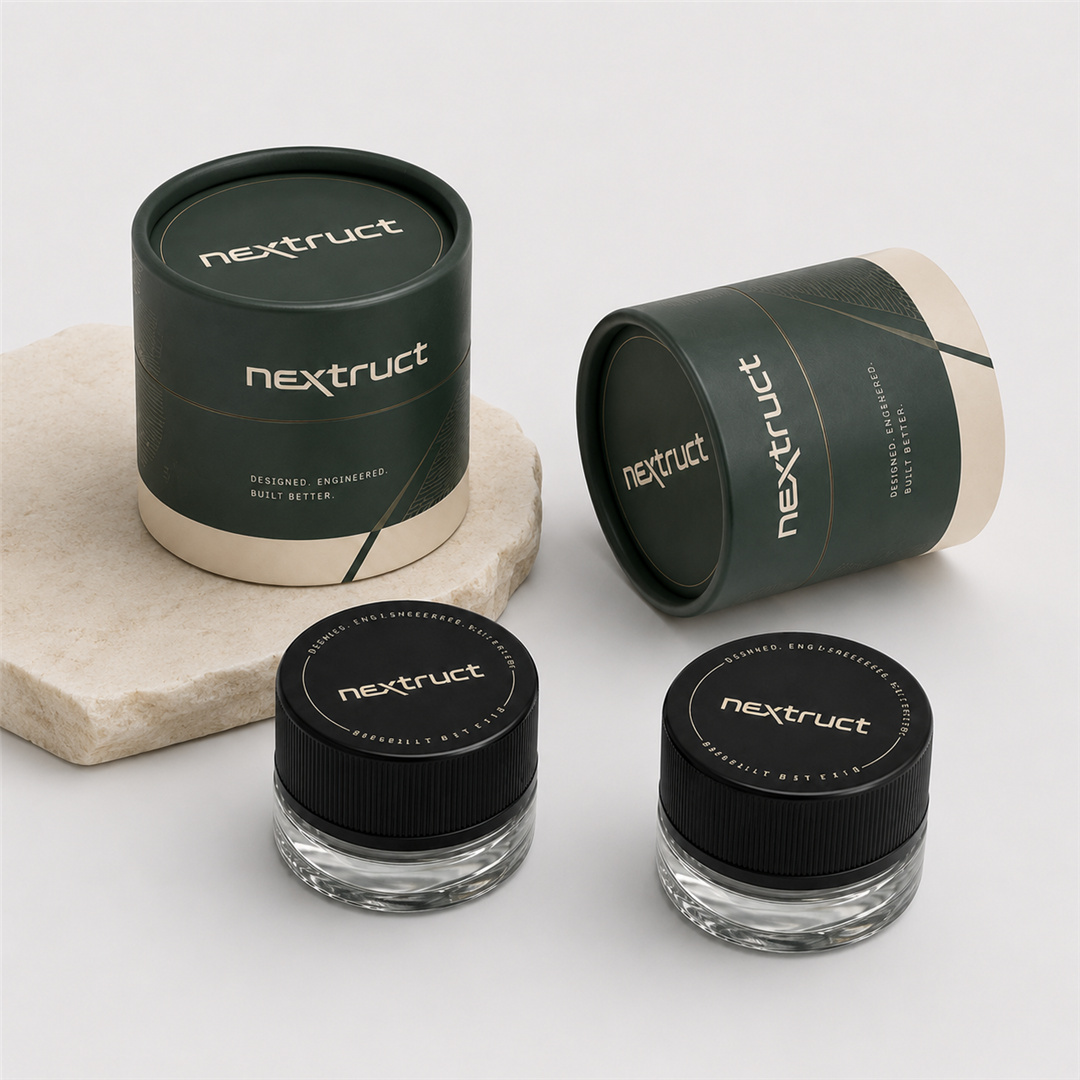
Historically, paper-based packaging was relegated to secondary or tertiary protection due to inherent limitations in moisture resistance, gas barrier properties, and tensile strength. Today, however, advanced structural designs and breakthrough fiber treatments have elevated paper to a primary packaging medium capable of competing directly with plastics, glass, and metals. High-performance paper-based storage solutions are now deployed in highly demanding sectors, including high-end cosmetics, pharmaceuticals, wellness supplements, and delicate vaporizers, offering robust mechanical protection alongside refined aesthetic appeal.
A successful packaging layout is the blueprint that dictates how fiber orientation, material thickness, layered coatings, and mechanical closures interact to protect the product inside. In high-performance storage, the layout must optimize physical space while establishing functional barriers against external environmental factors. By strategically aligning the structural geometry, packaging designers can maximize crushing resistance, eliminate weak points, and integrate child-resistant features directly into 100% biodegradable or recyclable paper structures.
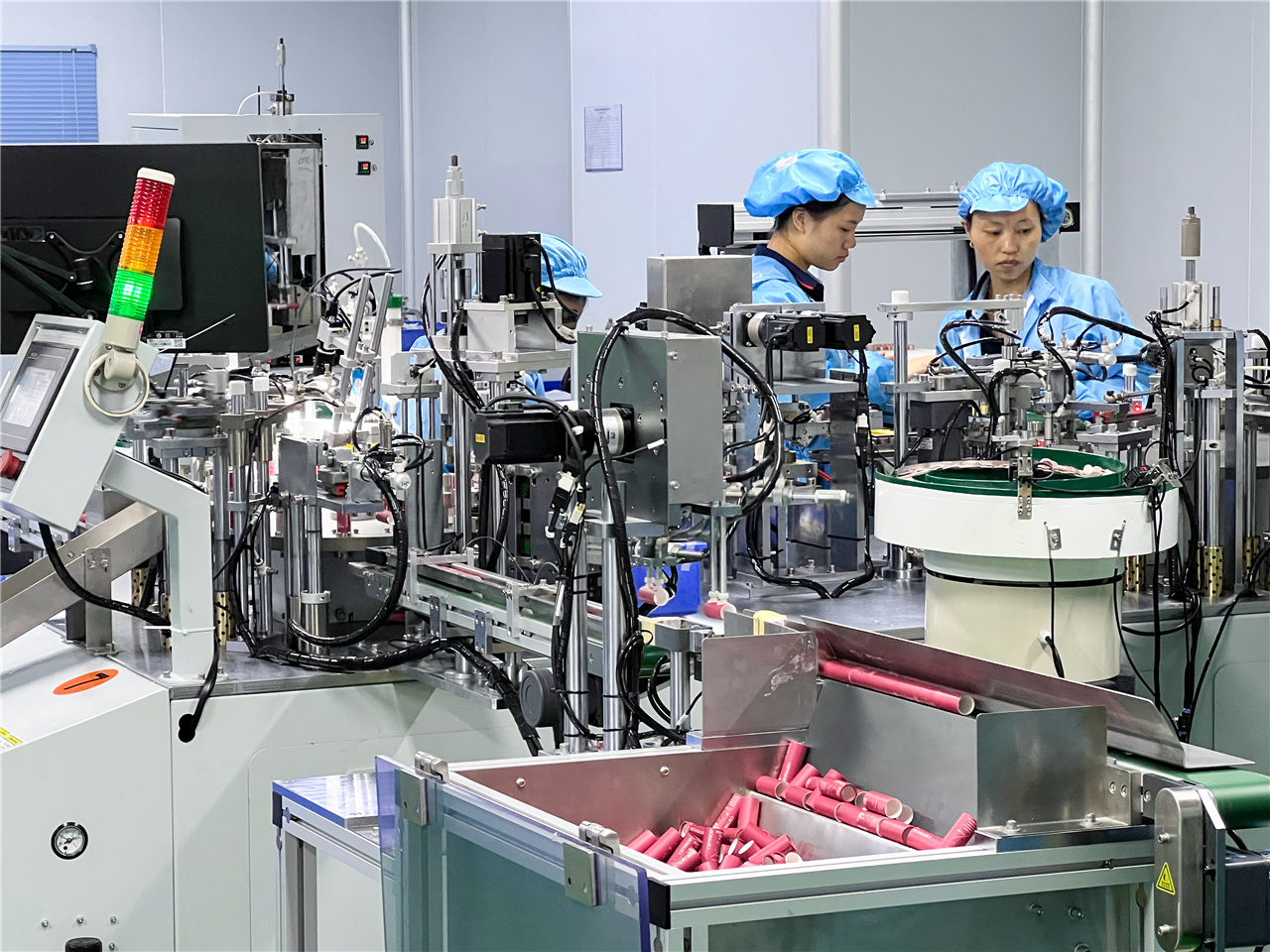
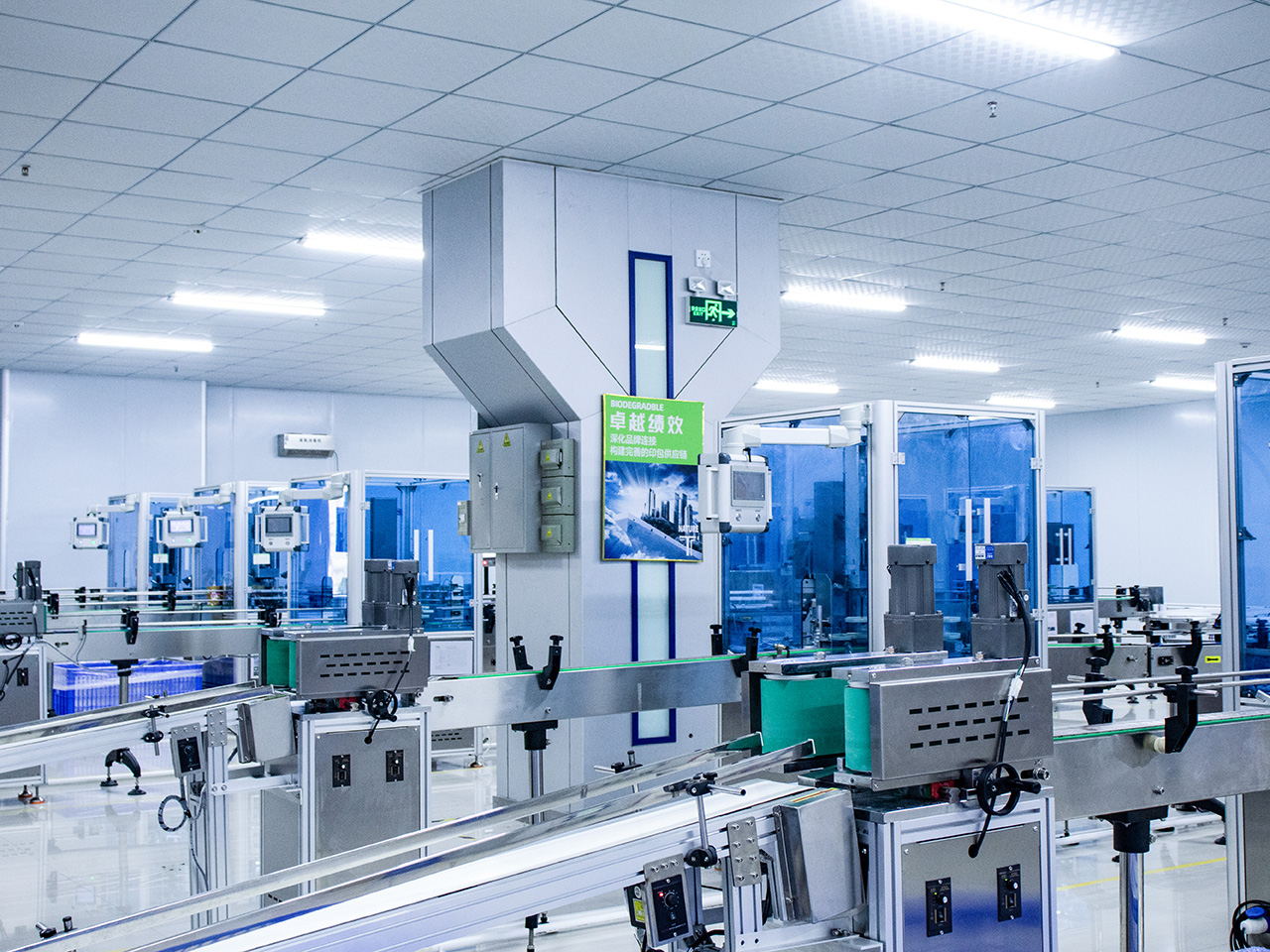
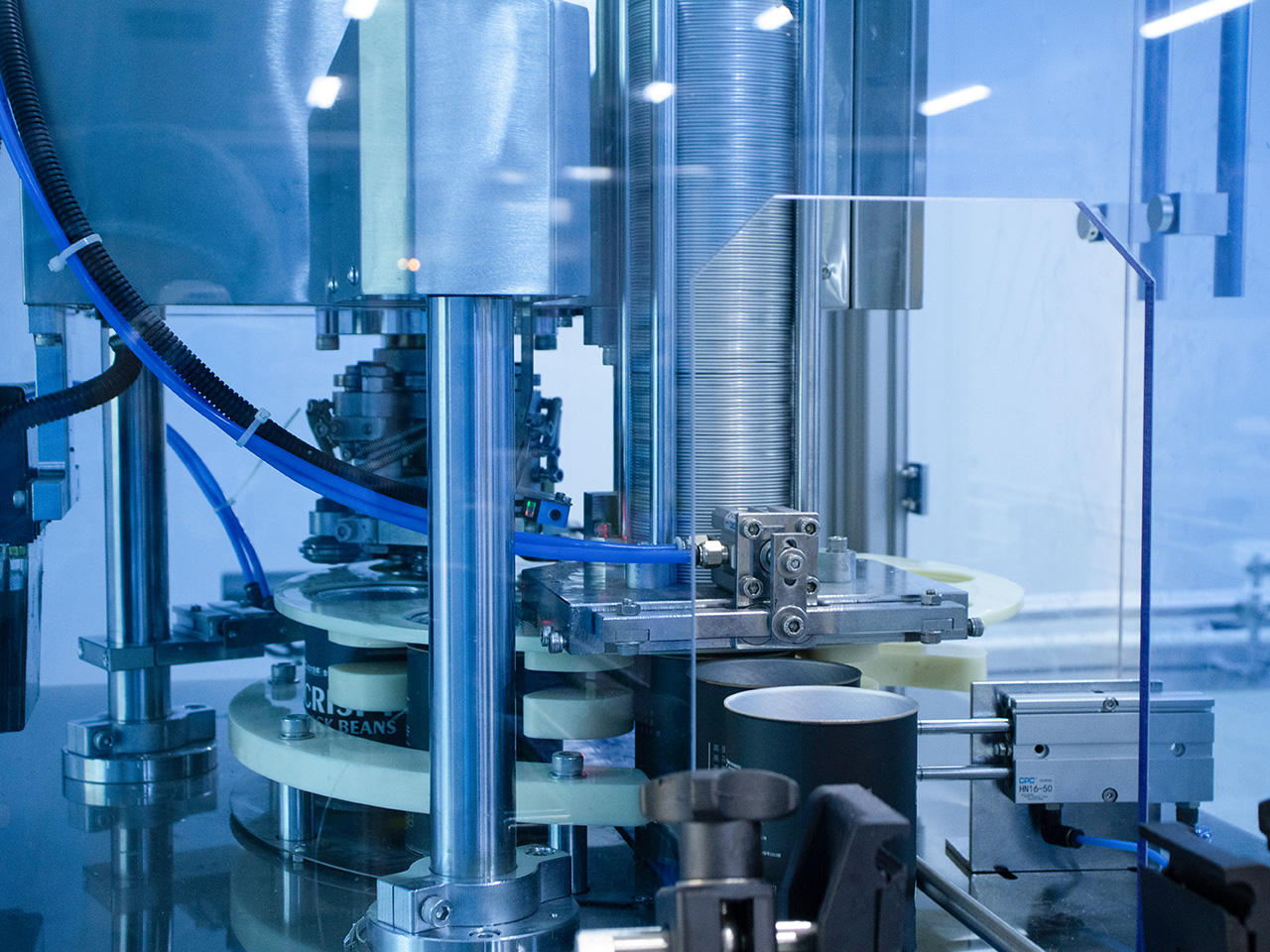
Furthermore, the commercial viability of paper-based layouts hinges on their compatibility with existing automated filling lines. High-performance fiber canisters and tubes must maintain precise dimensional stability to withstand the mechanical stresses of high-speed industrial machinery. Nextruct addresses these complex parameters through rigorous prototyping, finite element analysis, and material testing, ensuring that every packaging layout delivers peak performance from the factory floor to the end consumer's hands.

In the contemporary industrial landscape, packaging is no longer viewed simply as a container for transport; it is a critical component of the product's value chain. The demand for high-performance paper-based storage solutions has skyrocketed as major brands seek to fulfill their Environmental, Social, and Governance (ESG) commitments. Regulatory pressures, such as the European Union’s Packaging and Packaging Waste Regulation (PPWR) and plastic tax policies across North America and Asia, are forcing companies to search for high-strength, recyclable alternatives. The industrial layout of paper-based storage solutions has evolved to satisfy these stringent requirements by incorporating innovative structural barriers and closing mechanisms.
While paper is inherently biodegradable and easily recyclable, it is naturally porous. To transform paper into a high-performance storage solution, designers must engineer layouts that address three primary technical challenges:
The commercial application of these layouts spans multiple high-growth industries. In the wellness and beauty sector, brands are adopting custom paper canisters to replace plastic jars. In the electronic cigarette and vape industry, biodegradable paper tubes are replacing thermoformed plastic trays. By utilizing structural engineering instead of plastic films, brands can achieve a premium tactile feel while reducing their overall environmental footprint.

As technology and materials science continue to advance, the future of packaging layouts for high-performance paper-based storage solutions is set to become even more integrated, intelligent, and sustainable. Industry leaders are focusing heavily on several emerging trends that will shape the next generation of packaging design:
To maximize recyclability, the industry is moving towards pure monomaterial structures. A monomaterial layout ensures that every component of the package—from the outer tube and inner barrier to the lid and structural inserts—is made from the same fiber source. This eliminates the need for sorting during recycling, streamlining the post-consumer waste stream and ensuring a higher rate of actual recovery.
Integrating digital technology into paper-based layouts is gaining traction. By embedding printed QR codes, NFC tags, or RFID chips directly into the paperboard layers, manufacturers can offer consumers instant product authentication, traceability, and interactive brand experiences. This is particularly crucial for premium cosmetics, pharmaceuticals, and high-value concentrates where product integrity is paramount.
Artificial intelligence is revolutionizing the design phase of packaging layouts. By using machine learning algorithms, engineers can simulate stress points, predict material fatigue, and optimize fiber density distribution before producing physical prototypes. This dramatically reduces development cycles, material waste, and costs while ensuring the highest possible strength-to-weight ratio.
Future packaging layouts will be designed with their entire lifecycle in mind. This involves utilizing agricultural waste fibers (such as bamboo, bagasse, and hemp) alongside post-consumer recycled (PCR) paper. By structuring layouts to accommodate these alternative fibers, brands can reduce pressure on forestry resources and support a truly circular economy.
The versatility of high-performance paper-based packaging layouts allows them to be customized for a wide range of demanding commercial applications. Below, we explore three distinct scenarios where Nextruct’s structural innovations provide significant value:
The cosmetics industry demands packaging that is both visually stunning and highly protective of sensitive formulations. In this scenario, paper-based tubes and canisters must resist oils, essential oils, and moisture. Nextruct's layouts integrate premium, biodegradable barrier coatings that prevent staining and degradation of the outer paperboard, ensuring the packaging remains pristine throughout its shelf life. By replacing traditional plastic squeeze tubes with custom PCR-PE and paper hybrid structures, beauty brands can present an eco-luxury image without sacrificing user experience.
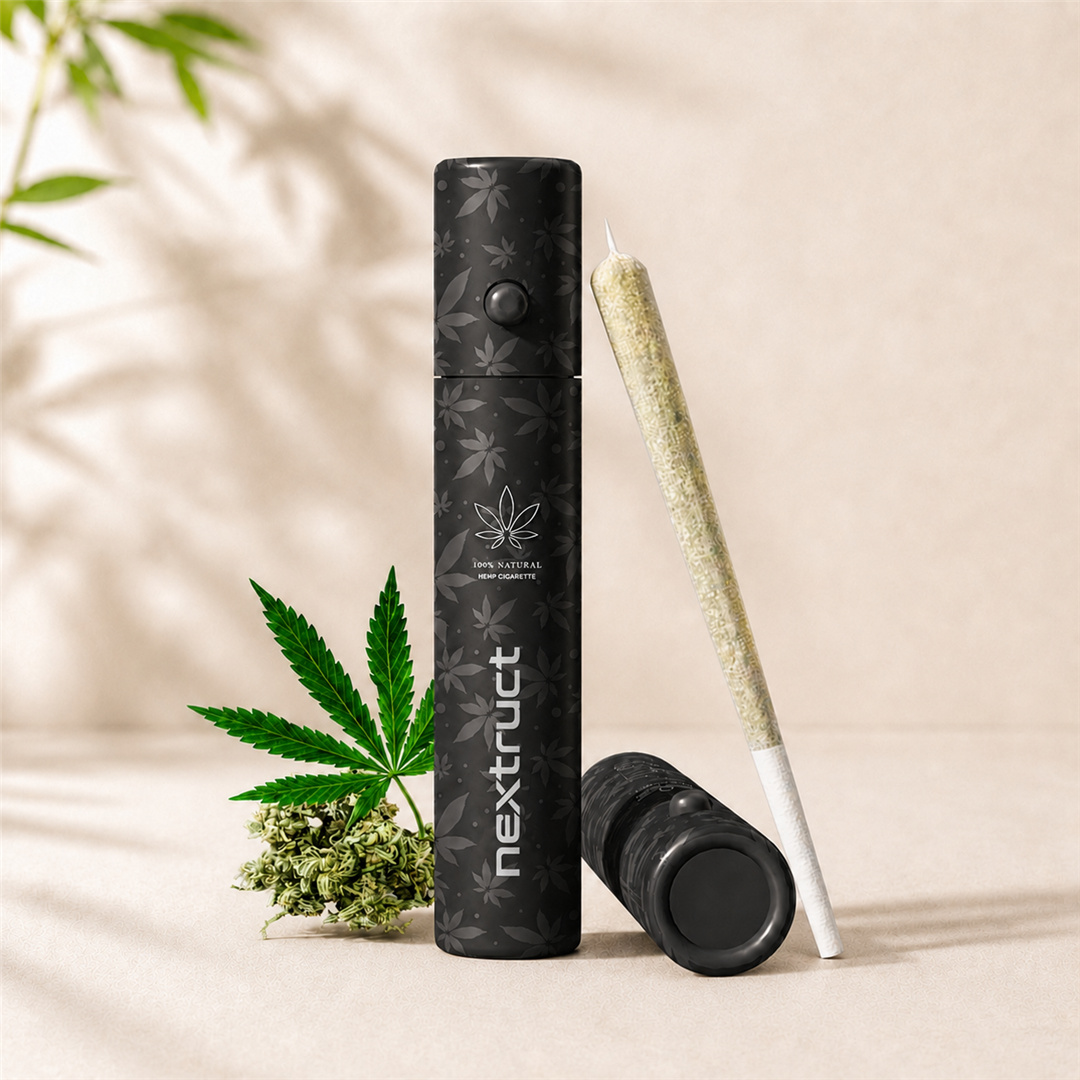
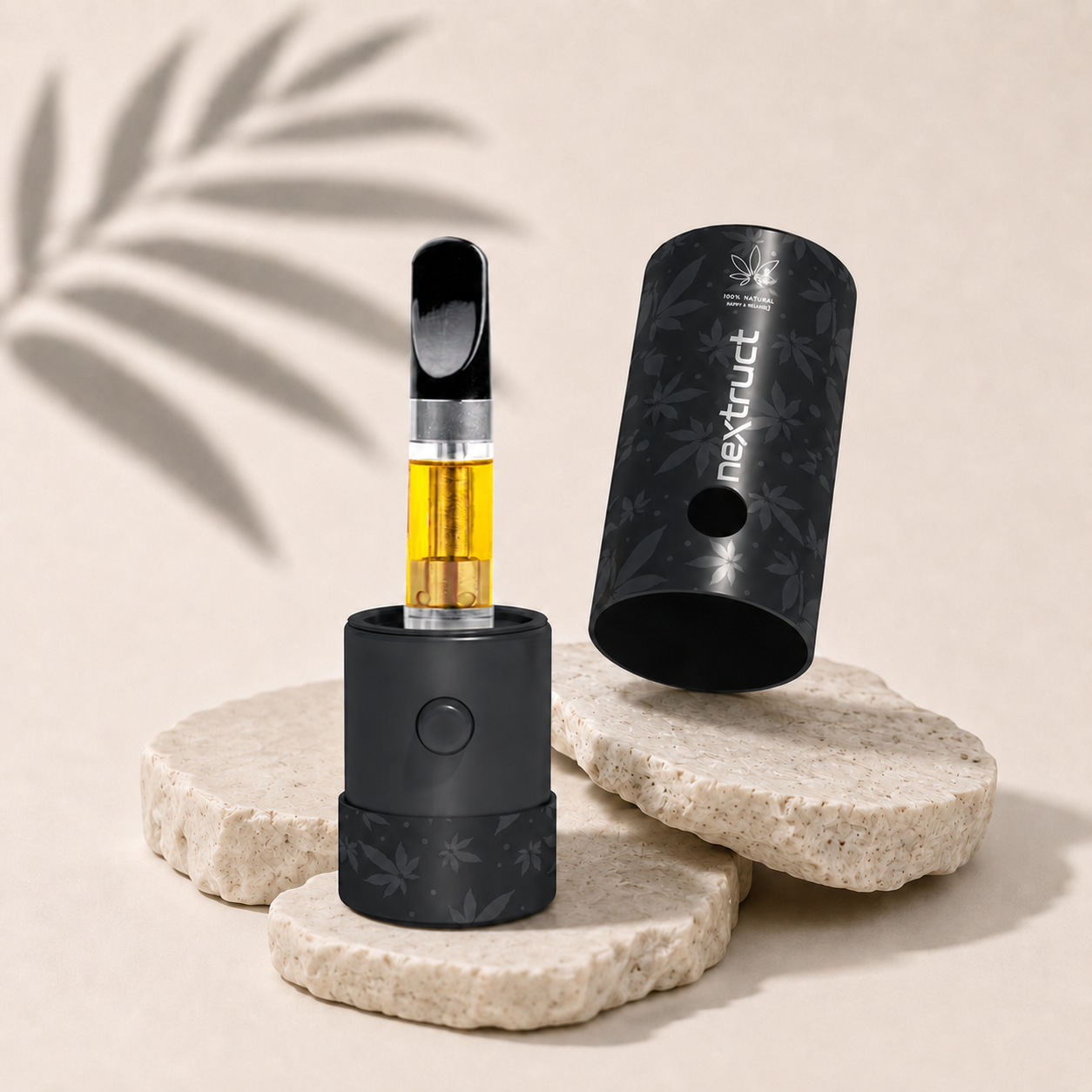
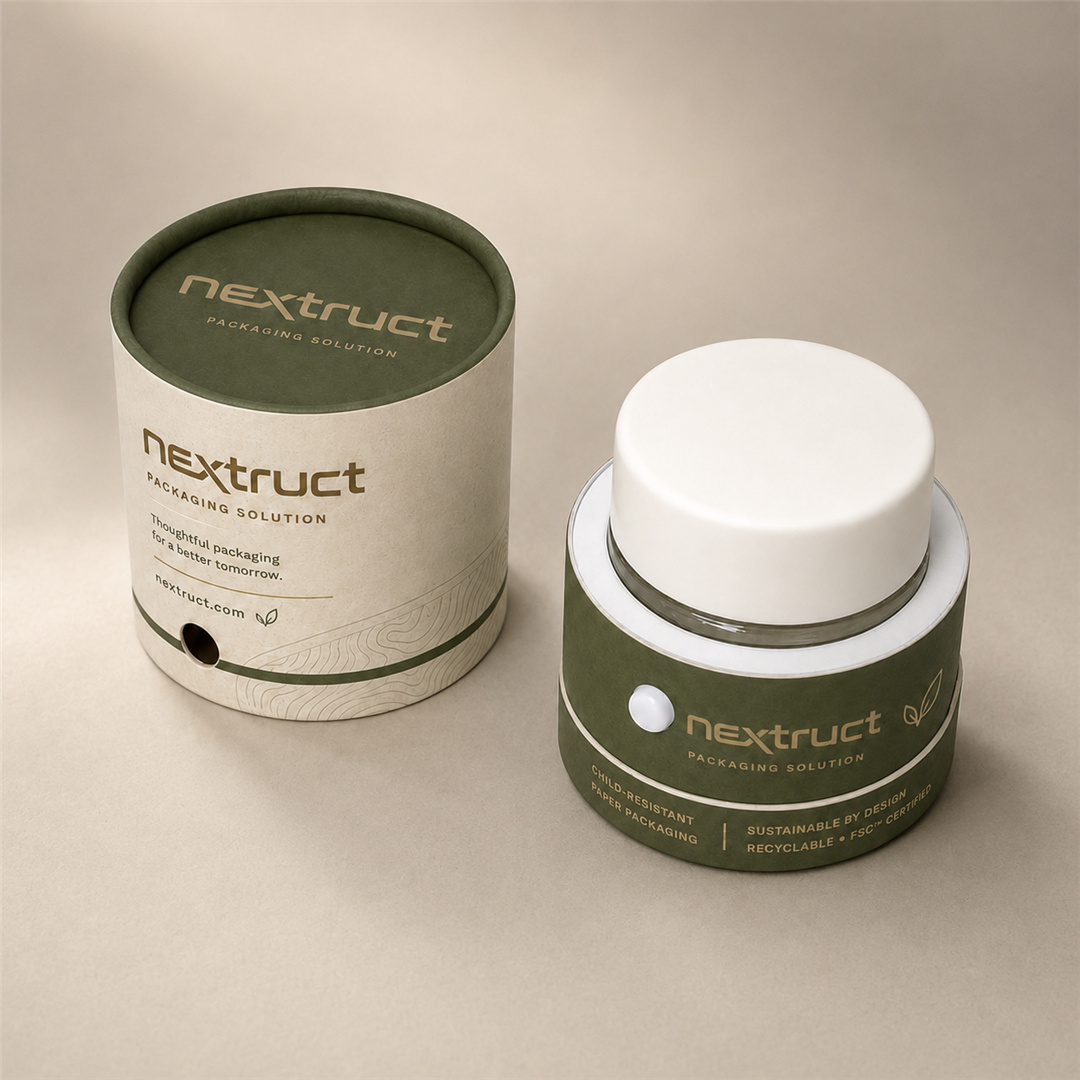
For products requiring restricted access, such as concentrated oils, pre-rolls, and electronic cigarettes, child resistance is a legal mandate. Traditional CR packaging relies heavily on complex plastic mechanisms. Nextruct has engineered fully paper-based CR layouts that utilize internal locking tabs, dual-button releases, and reinforced sleeves. These structures pass rigorous certification protocols (such as US 16 CFR § 1700.20) while remaining entirely biodegradable. The layout is optimized to guide the adult consumer intuitively while keeping the contents secure from children.
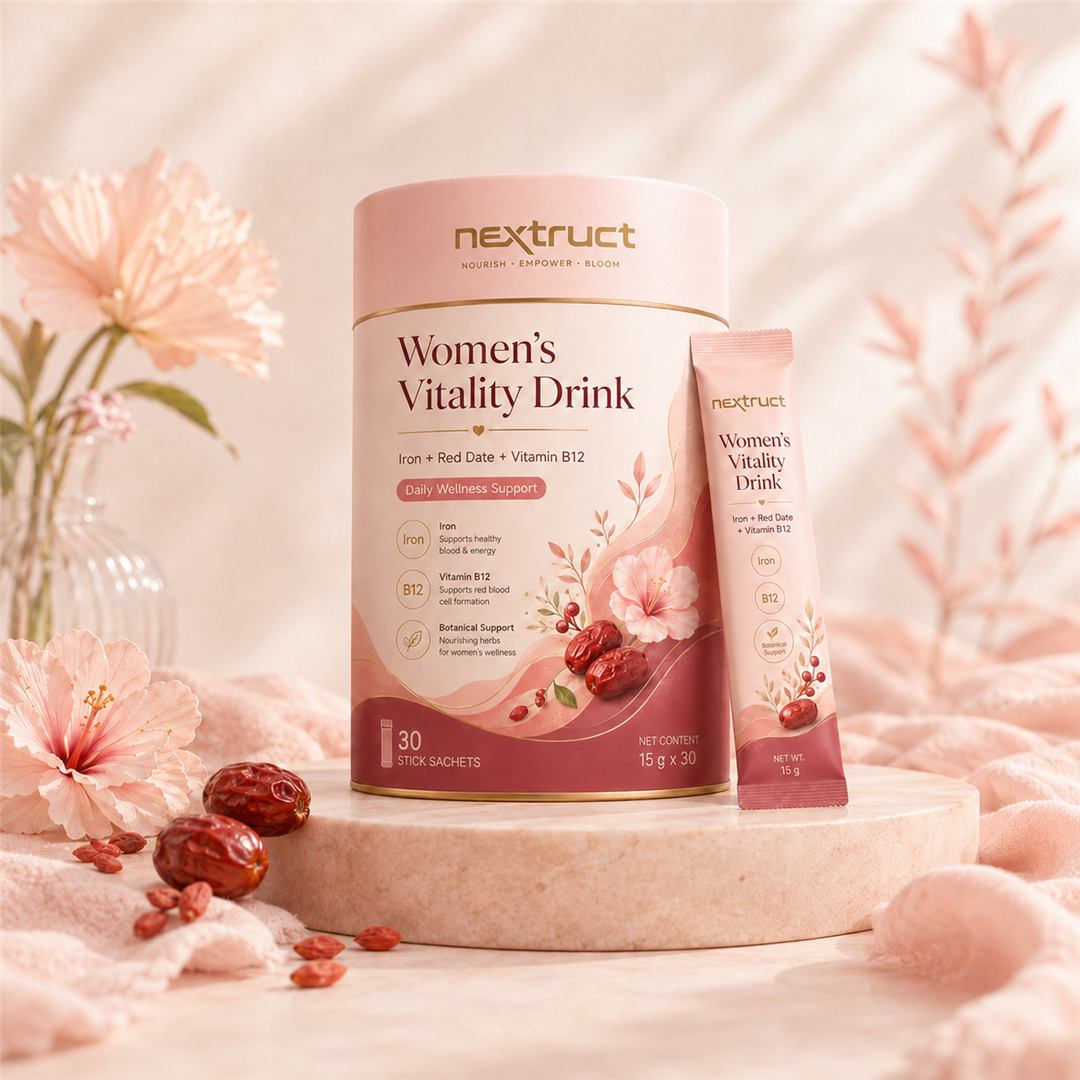
Nutraceuticals, vitamins, and dietary supplements are highly sensitive to humidity and air exposure, which can cause powder clumping or active ingredient degradation. A high-performance paper canister layout for supplements features multi-layered spirally wound kraft paper, an inner food-grade barrier liner, and a tight-fitting shaker or cap mechanism. This ensures an airtight seal and extends product shelf life while utilizing up to 90% less plastic than traditional HDPE supplement bottles.