Leave Your Message
Explore our structural models designed for seamless multi-vendor integration and production scalability
In the globalized manufacturing landscape, packaging is no longer just a container; it is a complex engineering system involving structural integrity, material science, aesthetics, and strict regulatory compliance. However, one of the most persistent bottlenecks that modern brands face is the highly fragmented nature of the packaging supply chain. A single retail product's packaging might require a glass container from one vendor, a child-resistant cap from another, a paperboard secondary sleeve from a third, and custom-molded pulp protective inserts from a fourth. When these components are sourced from geographically dispersed suppliers, structural misalignments, tolerance stack-up errors, and material mismatches are common. This is where standardized, high-fidelity Packaging Drawings become indispensable.
"Technical packaging drawings serve as the universal blueprint—translating creative vision into exact math, ensuring that components manufactured thousands of miles apart fit together with micrometric precision."
A comprehensive packaging drawing is far more than a simple graphic dieline. It is an engineering document that details the physical geometry, dimensional tolerances, material callouts, finishing specifications, and assembly instructions of a packaging component. Key elements include:

Leveraging advanced structural engineering and material science to deliver high-performance, sustainable packaging.

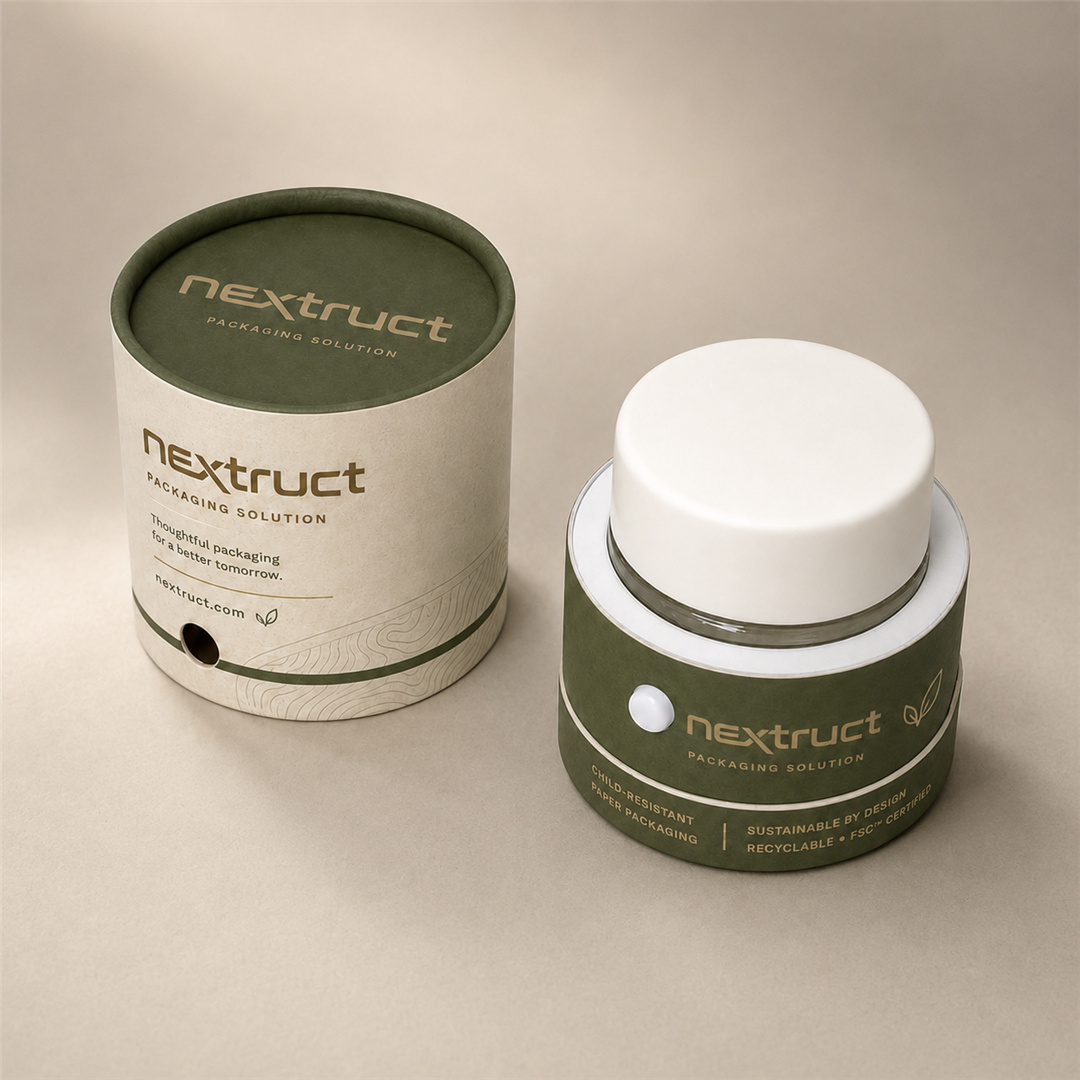
Consider a luxury cosmetic brand launching a high-end skincare cream. The primary container is a heavy-wall glass jar, the closure is an injection-molded PCR plastic screw cap with a foil liner, and the secondary packaging is a rigid paperboard box with an embossed structural sleeve. In a fragmented supply chain, three different factories in different regions produce these three parts. Without a centralized CAD packaging drawing detailing the thread profiles, pitch, and neck finish specifications (such as GPI/SPI standards), the cap may fail to seal the jar, leading to product leakage, or the rigid box might be too tight to open. Precision packaging drawings dictate the exact mating interfaces, ensuring a flawless unboxing experience and perfect airtight seals.
For industries like wellness, supplements, and vaporizers, child-resistant packaging is a legal necessity. Designing plastic-free, paper-based CR mechanisms requires incredibly tight tolerances. A difference of 0.2mm in the locking tab of a paper CR pre-roll tube can mean the difference between passing or failing US 16 CFR § 1700.20 certification. Technical packaging drawings map out the spring-back force of the paperboard, the friction coefficients of the locking tabs, and the exact placement of release buttons. This ensures consistent safety performance across millions of mass-produced units.
"Sustainable transition is an engineering challenge. Replacing plastics with fiber requires recalculating structural load paths, bend radii, and moisture expansion rates—all documented within the CAD drawings."
When brands swap traditional plastics for biodegradable fiber or PCR plastics, they cannot simply use the old tooling. Fiber-based materials behave differently under stress, humidity, and compression. Packaging drawings allow structural engineers to run Finite Element Analysis (FEA) simulations to test how a paper canister or waterproof paper bottle will withstand top-load pressure during palletization and shipping. By optimizing the wall thickness and internal ribbing in the digital drawing phase, brands avoid costly physical prototyping rounds and catastrophic transit failures.
The modern packaging supply chain is plagued by fragmented communication. Graphic designers focus on aesthetics, while manufacturing plants focus on speed and cost. This disconnect often leads to beautiful designs that are structurally impossible to manufacture or assemble efficiently. Nextruct acts as the bridge. By combining advanced structural engineering with a global distribution network, we translate creative concepts into highly detailed packaging drawings that are optimized for high-speed automated production lines.
Our drawings include clear instructions for die-makers, printers, and automated packers, ensuring that the final product delivered to your warehouse is identical to the approved digital prototype. This level of technical oversight is essential for brands looking to scale rapidly without sacrificing quality or brand consistency.
How we ensure compliance, quality, and structural integrity at every stage of the packaging lifecycle
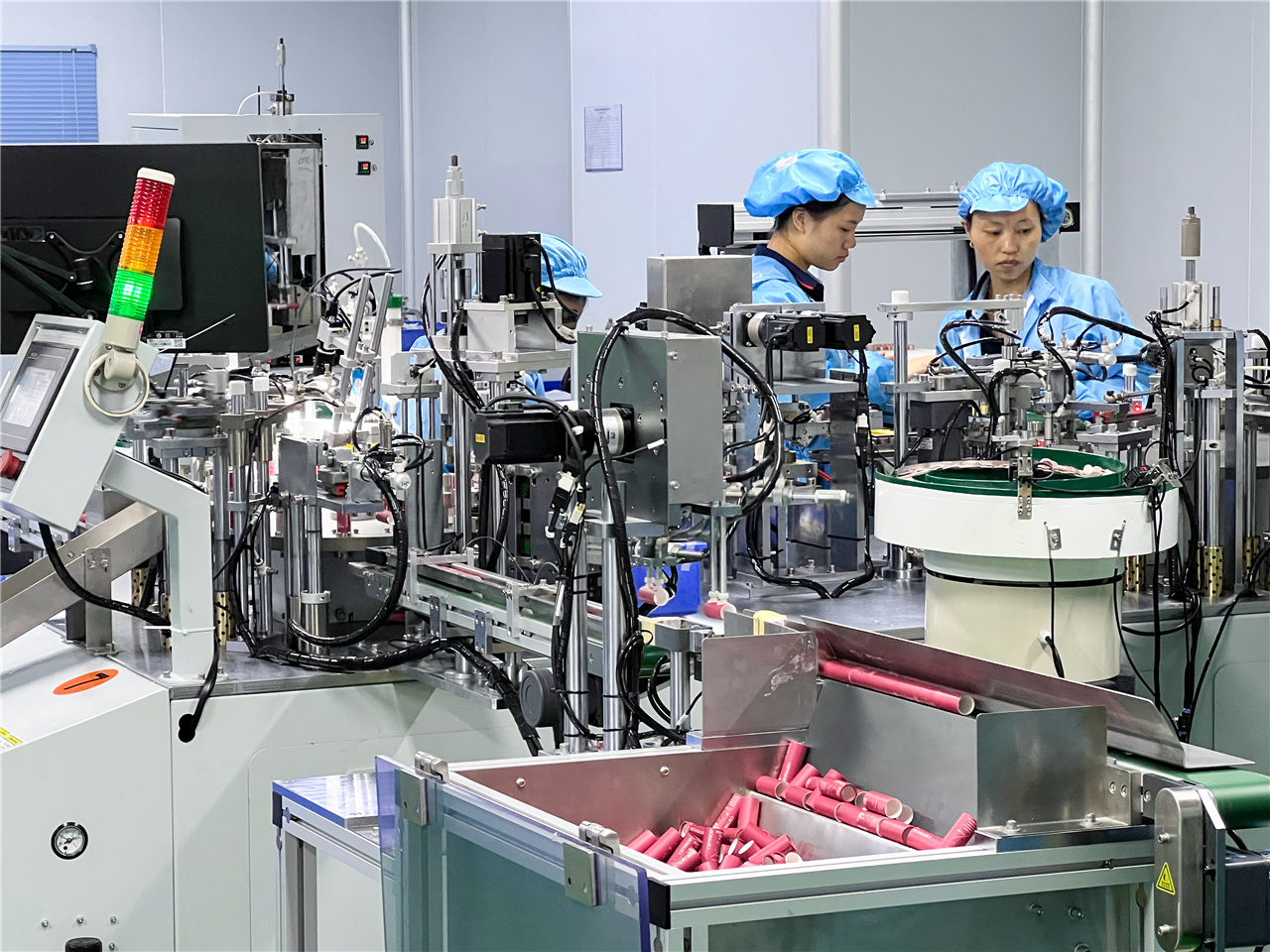
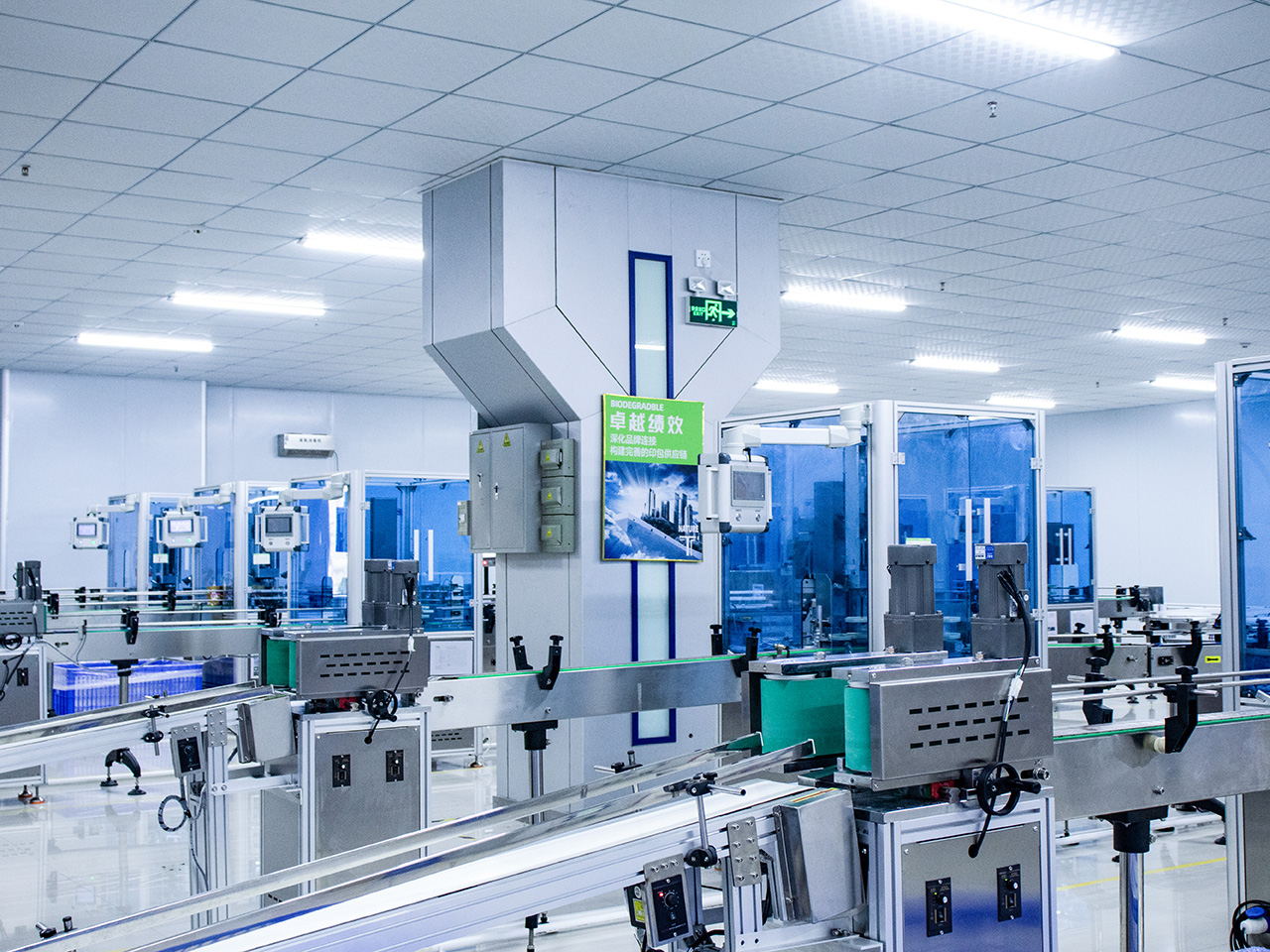
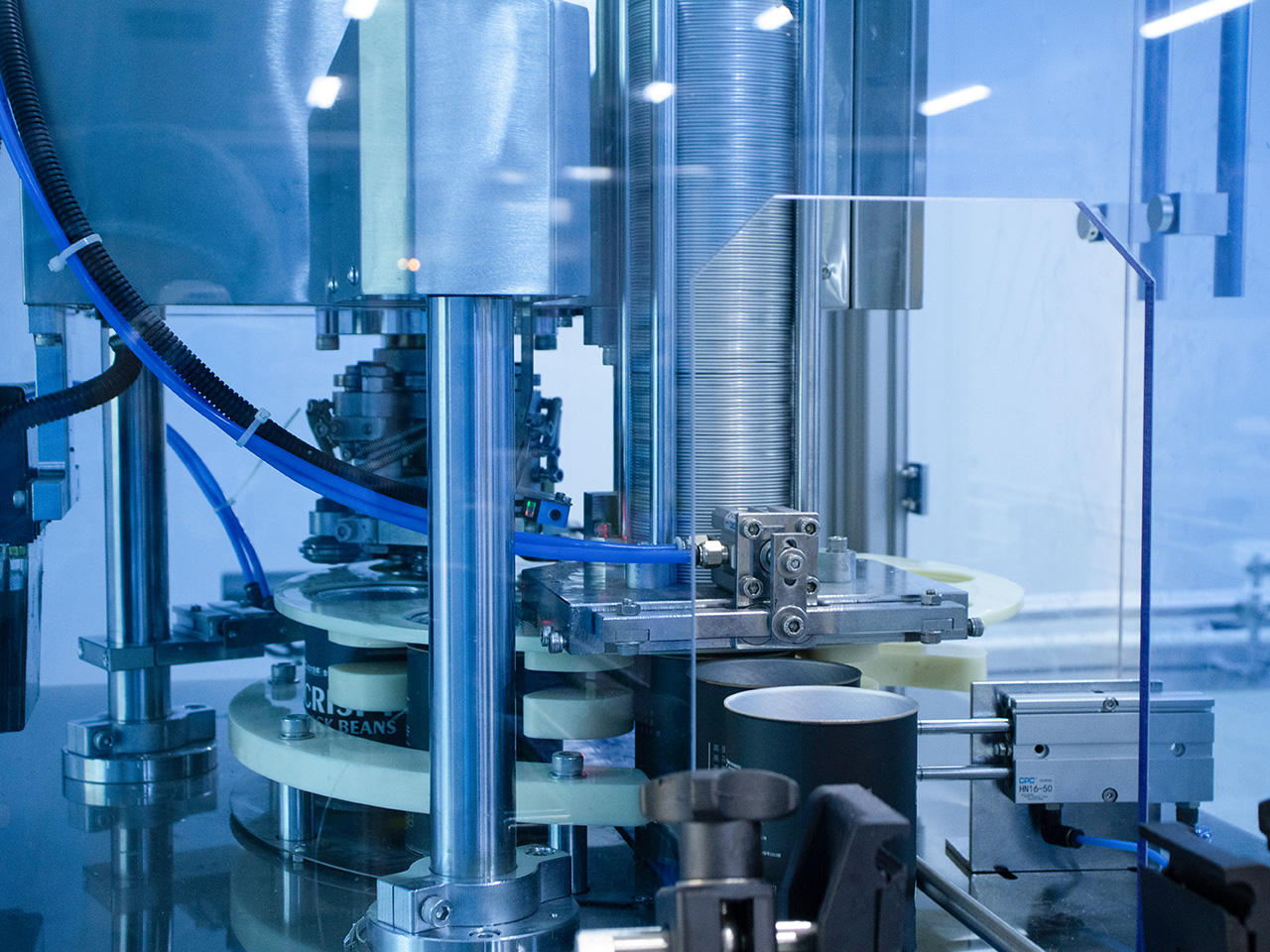
As the packaging industry moves towards Industry 4.0, the traditional paper dieline is evolving into an interactive, data-rich digital asset. Key trends shaping the future of packaging drawings include:
Artificial Intelligence is now being used to analyze packaging contents (weight, fragility, dimensions) and instantly generate optimized CAD dielines that minimize paperboard waste. These AI systems can run thousands of stress simulations in seconds, suggesting structural reinforcements where they are needed most.
Before physical molds are cut, digital twins of packaging components are tested in virtual space. A glass jar drawing and a plastic cap drawing can be rotated, fitted, and stress-tested in a virtual simulator to verify the torque requirements and seal integrity. This drastically reduces the time and cost associated with shipping physical samples across the globe.
Product Lifecycle Management (PLM) platforms are becoming the single source of truth for global brands. By hosting packaging drawings on secure, cloud-based networks, brands, structural engineers, and factories can collaborate in real-time. Any modification to a drawing is instantly updated across the entire supply chain, preventing the accidental production of outdated packaging versions.
Access exact CAD models and dielines for our full sustainable packaging line