Leave Your Message
Discover how structural paper engineering and mono-material solutions are redefining high-performance color cosmetics and perfume branding.
Navigating the intersection of strict environmental regulations, eco-conscious consumer behavior, and high-performance beauty packaging engineering.
The global beauty and personal care industry is witnessing an unprecedented paradigm shift. Historically responsible for producing over 120 billion units of complex, multi-material plastic packaging annually—the vast majority of which is non-recyclable and ends up in municipal landfills or oceanic ecosystems—cosmetics brands are now confronting severe regulatory and reputational pressures. Today, makeup with sustainable packaging is no longer a peripheral corporate social responsibility (CSR) marketing gimmick; it has become the fundamental pillar of competitive brand equity, consumer retention, and long-term regulatory compliance.
International environmental mandates, such as the European Union's Packaging and Packaging Waste Regulation (PPWR), extended producer responsibility (EPR) schemes, and progressive single-use plastic restrictions across North America and Asia-Pacific, are imposing stringent recyclability and post-consumer recycled (PCR) content benchmarks. Cosmetics brands that fail to re-engineer their packaging architectures face escalating landfill taxes, retailer bans, and consumer boycotts. In contrast, visionary beauty enterprises are adopting plastic-free and fiber-forward packaging models that harmonize luxury unboxing experiences with measurable lifecycle carbon reduction.
Strict adherence to PPWR, California SB 54, and global circularity mandates by eliminating non-recyclable composite resins and microplastics from beauty product vessels.
Over 74% of Gen Z and Millennial beauty consumers actively seek clean formulas housed in verified compostable, FSC-certified paper, or infinitely refillable containers.
Elevating tactile brand touchpoints through bespoke embossing, organic debossed textures, and minimalist paper mechanics that command luxury retail shelf presence.
Solving the classical paradox of barrier preservation, air-tightness, and mechanical durability in zero-plastic cosmetics packaging.
The primary hurdle in replacing traditional plastics within the makeup sector has consistently been barrier functionality. Anhydrous formulas, volatile silicones, liquid foundations, and high-oil lipsticks require impermeable protection against oxygen permeation, moisture vapor transmission, and oil leaching. Achieving this without toxic PFAS coatings or non-recyclable multi-layer laminates has necessitated profound structural breakthroughs.
Next-generation sustainable cosmetics packaging leverages plant-derived bio-barriers, water-based barrier coatings (WBBC), and precision-engineered molded pulp fibers. Through high-density winding and compression molding, paper-based tubes achieve equivalent compressive strength and drop-test resilience to ABS or SAN plastics. Furthermore, modular hybrid architectures seamlessly combine renewable outer shells with easily separable mono-material PCR-PP refills or recyclable glass cartridges, empowering brands to achieve up to 85% plastic reduction while maintaining intuitive, smooth push-up or twist-up cosmetic mechanisms.
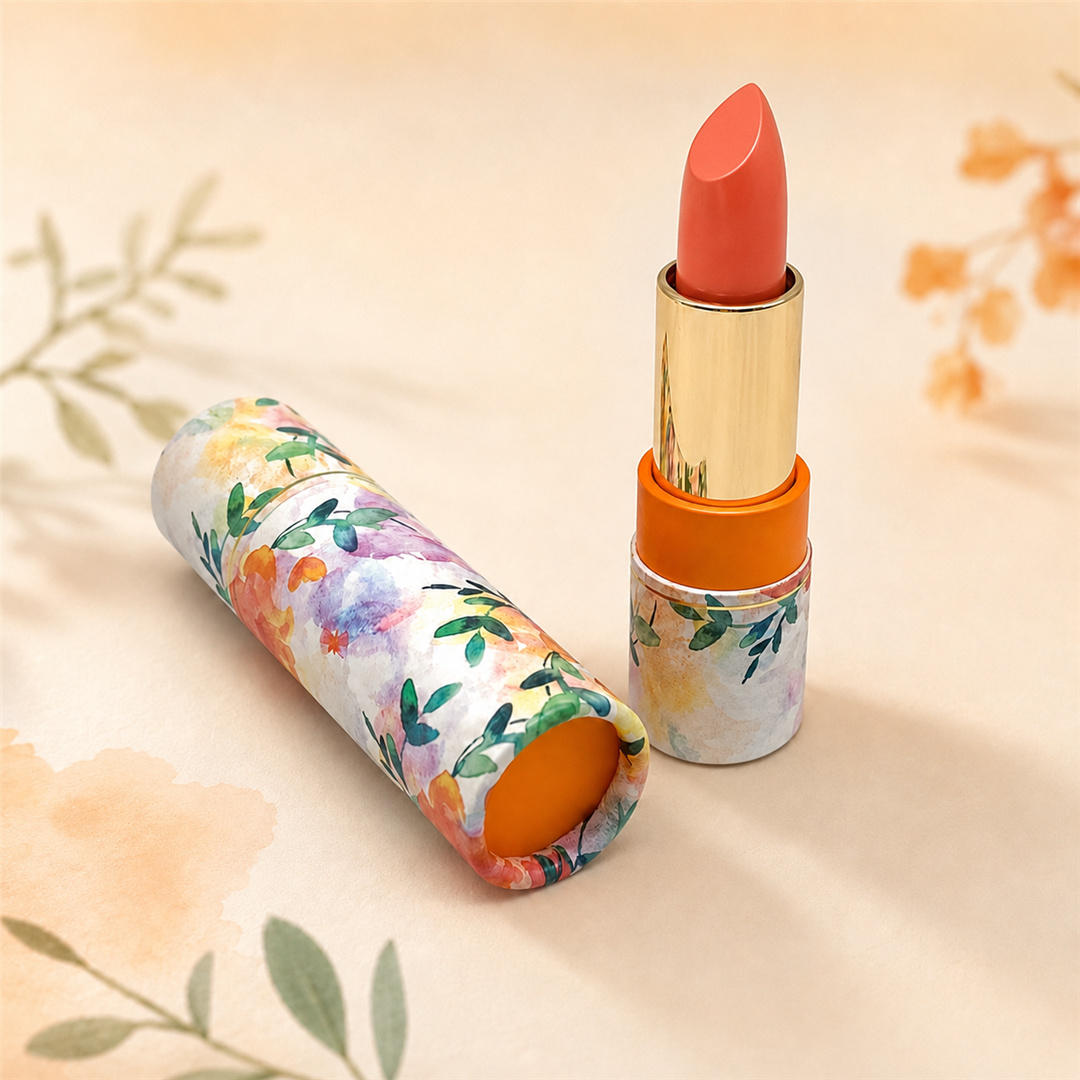
Plastic-reduced paper lipstick barrels, magnetic-free pressed powder compacts, and FSC-certified eye shadow palettes featuring biodegradable water-resistant liners that shield formulations against humidity.
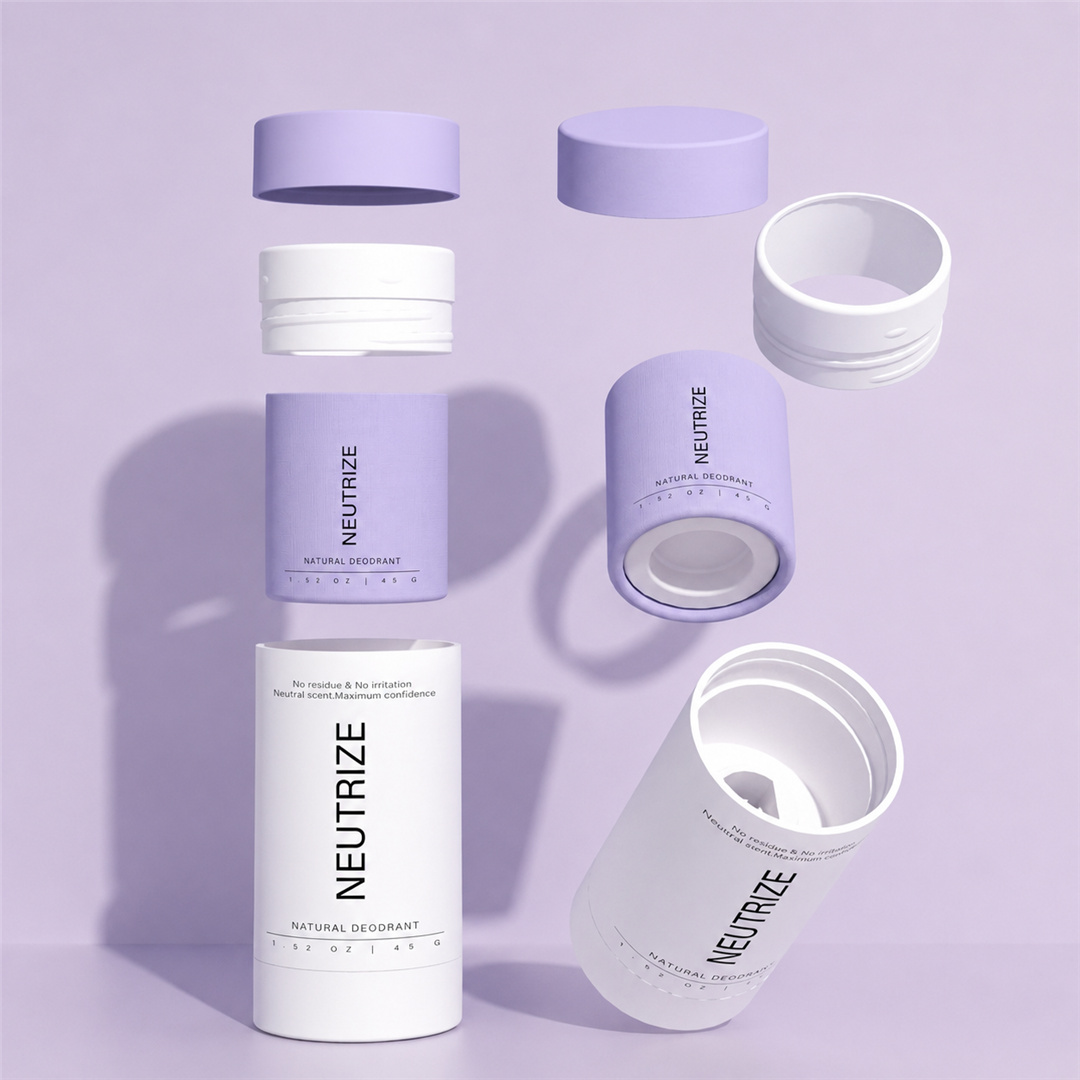
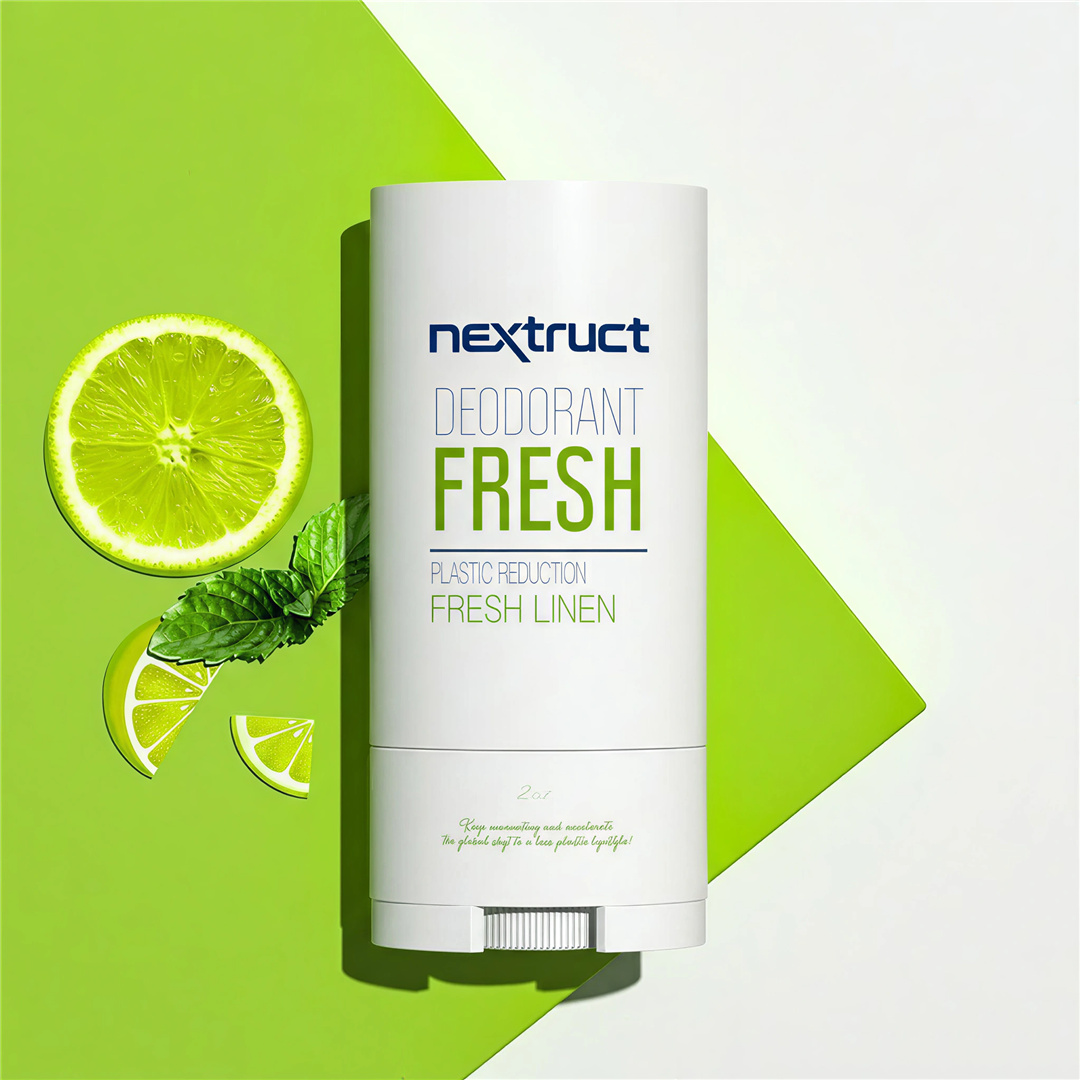
100% biodegradable kraft push-up tubes and hybrid refillable deodorant housings that utilize mono-material PCR bases combined with recyclable paper cartridges for zero-waste personal hygiene.
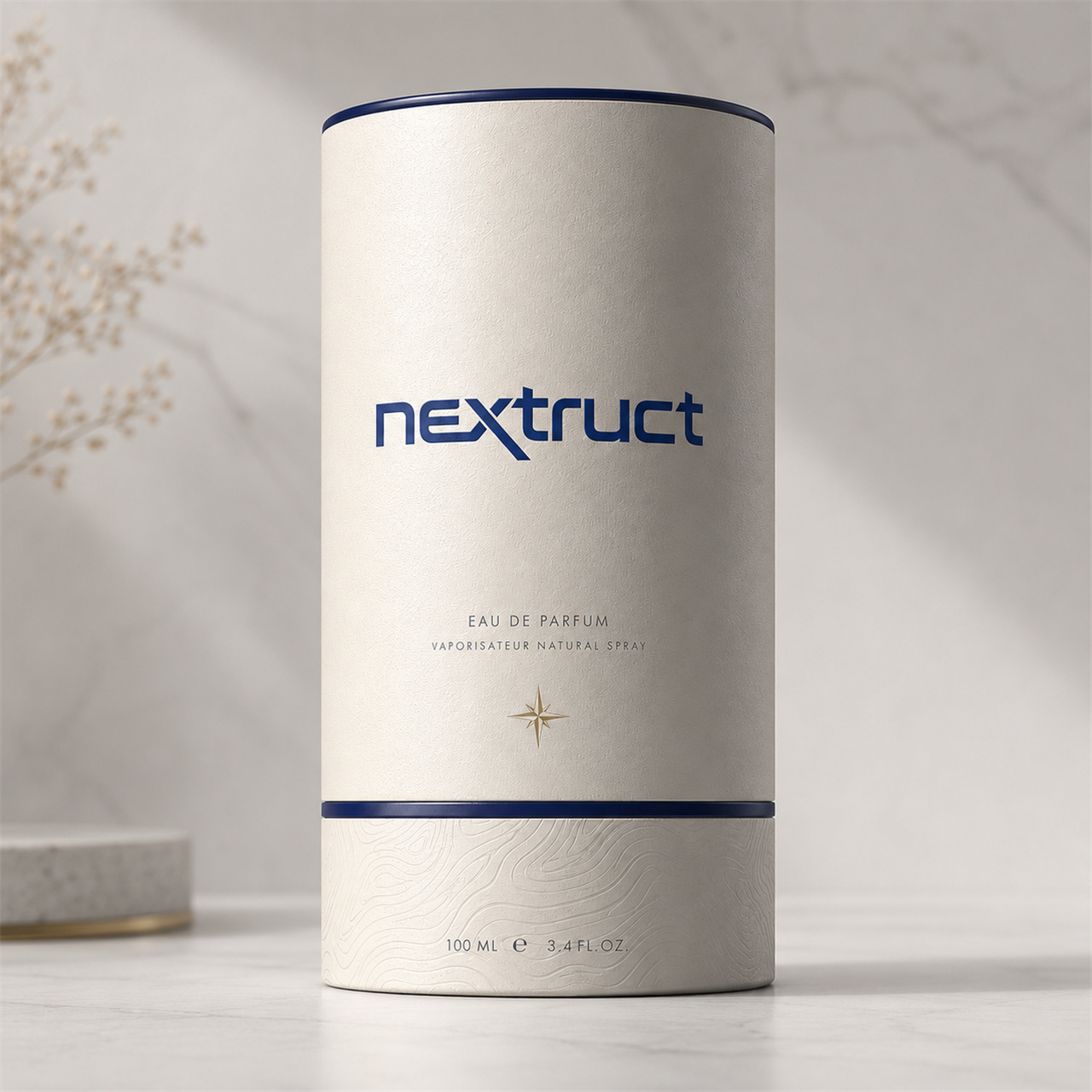
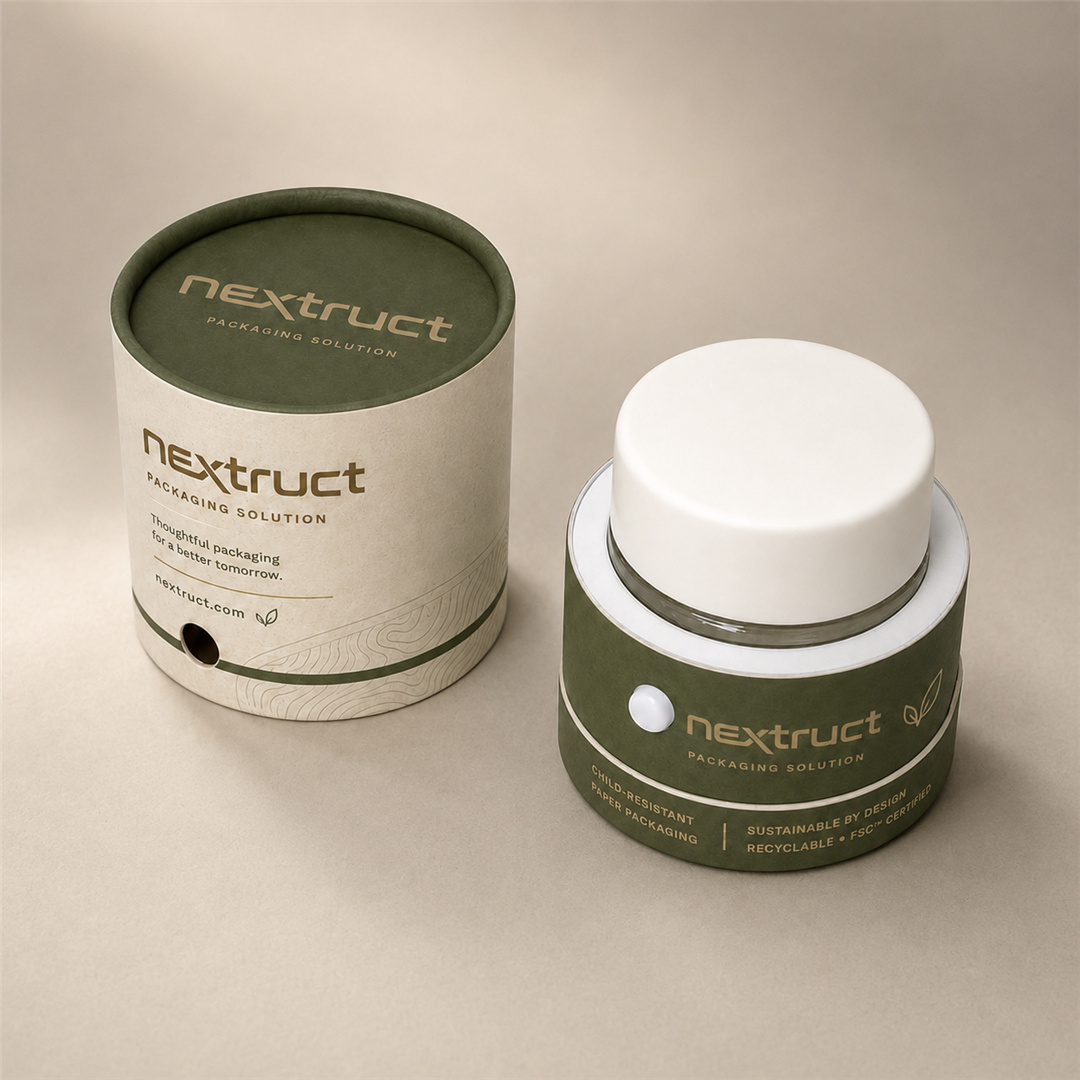
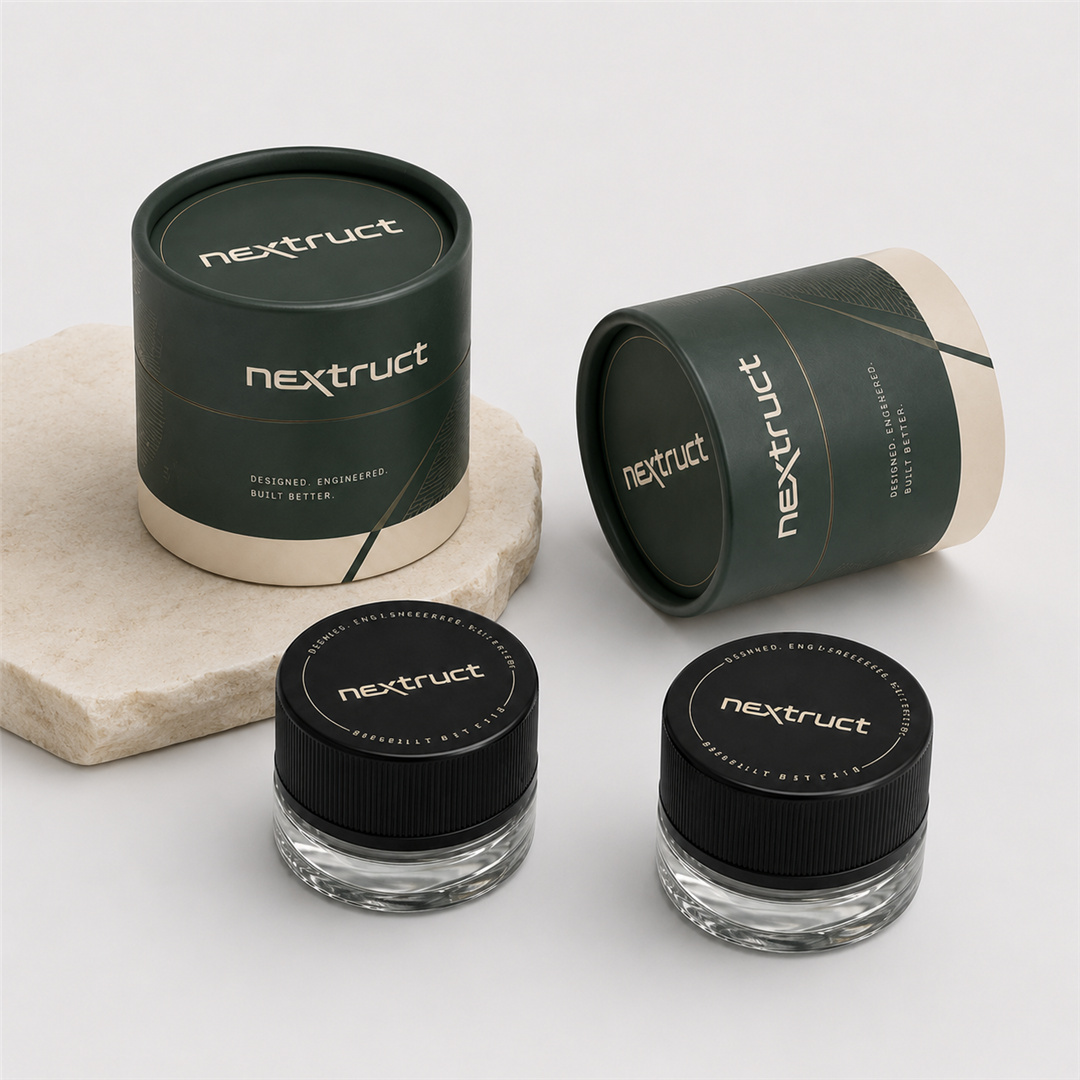
High-end perfume outer tubes and concentrate jars with custom child-resistant (CR) paper locking mechanisms that replace heavy metal and plastic outer packaging with FSC paper craftsmanship.
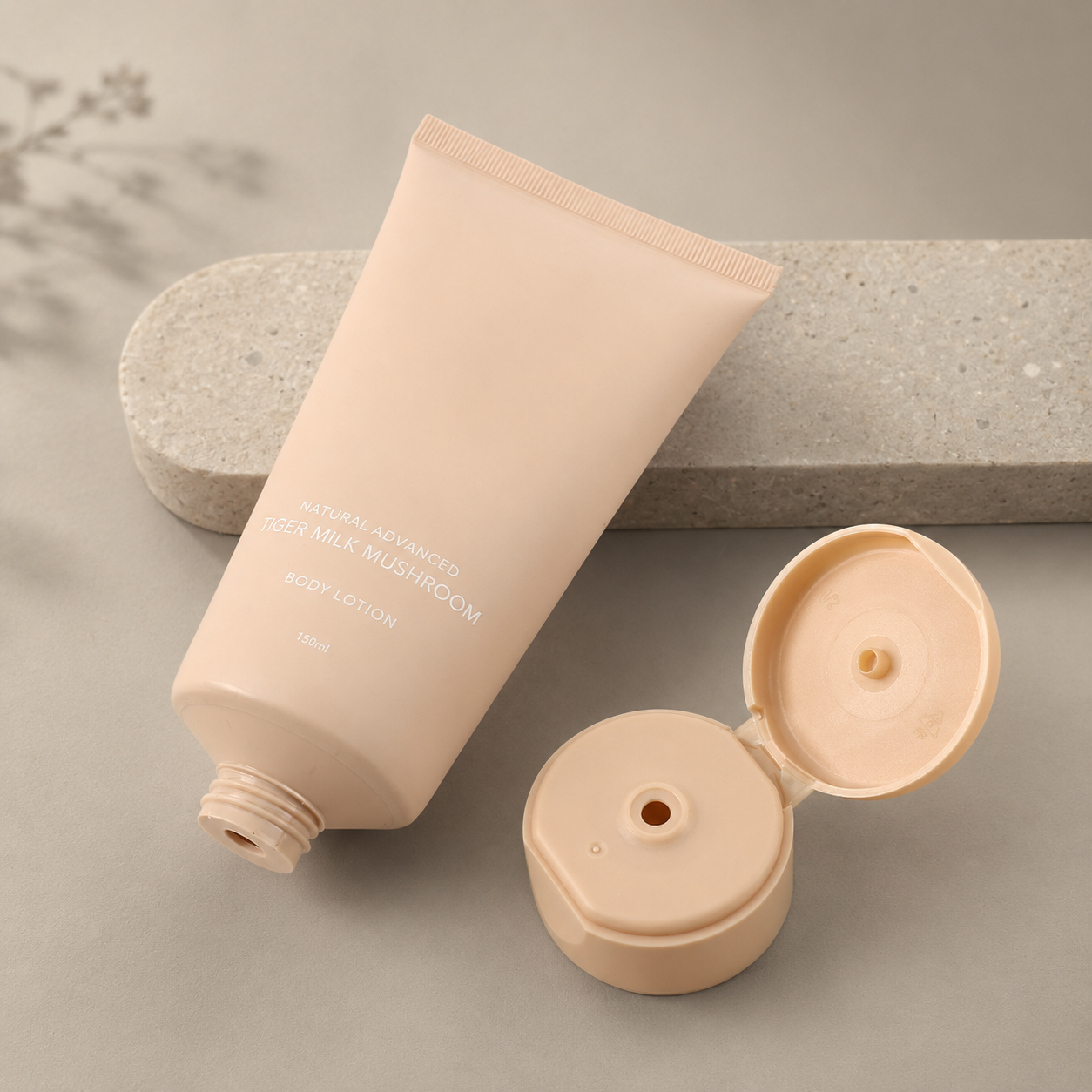
Low-carbon squeeze tubes integrating high-ratio Post-Consumer Recycled polyethylene, delivering maximum barrier integrity for liquid makeup, tinted moisturizers, and primers.

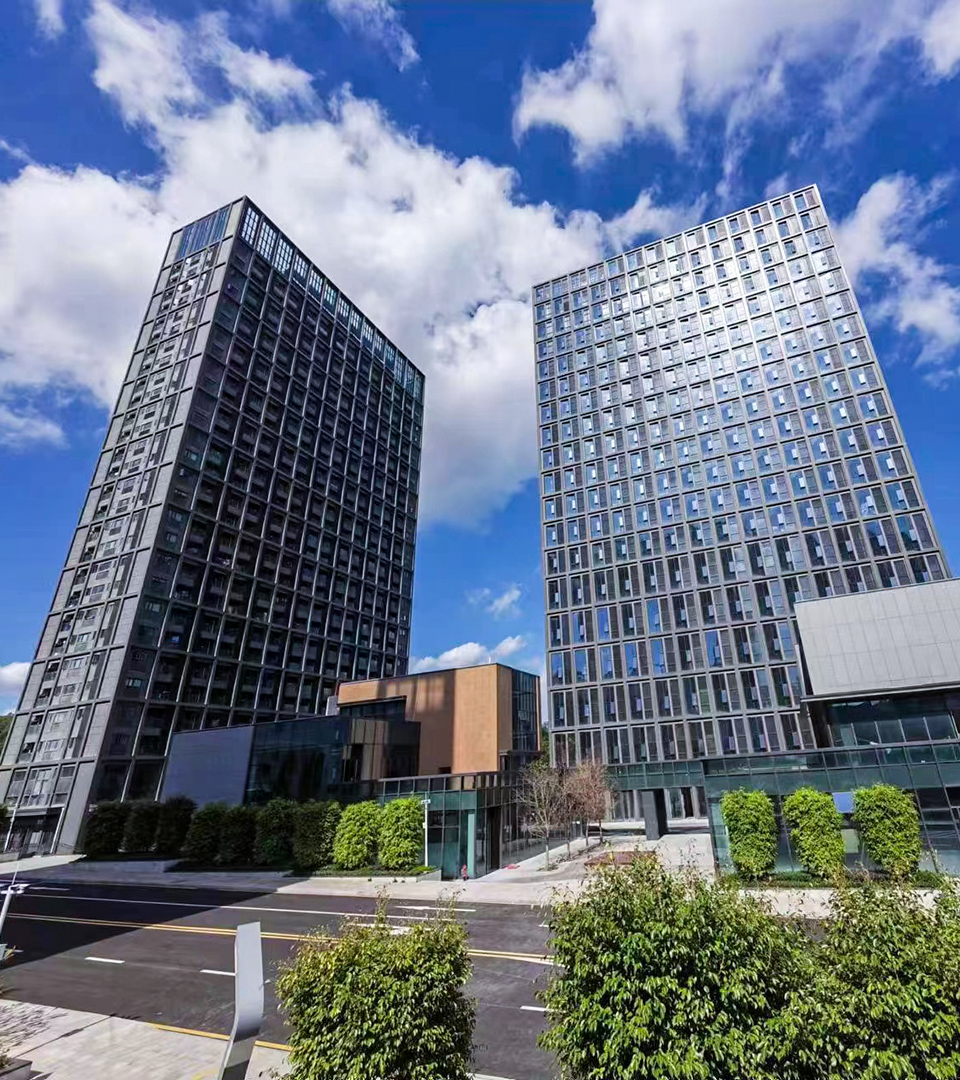

From conceptual structural prototyping to automated mass production, ensuring strict quality benchmarks for international cosmetic brands.
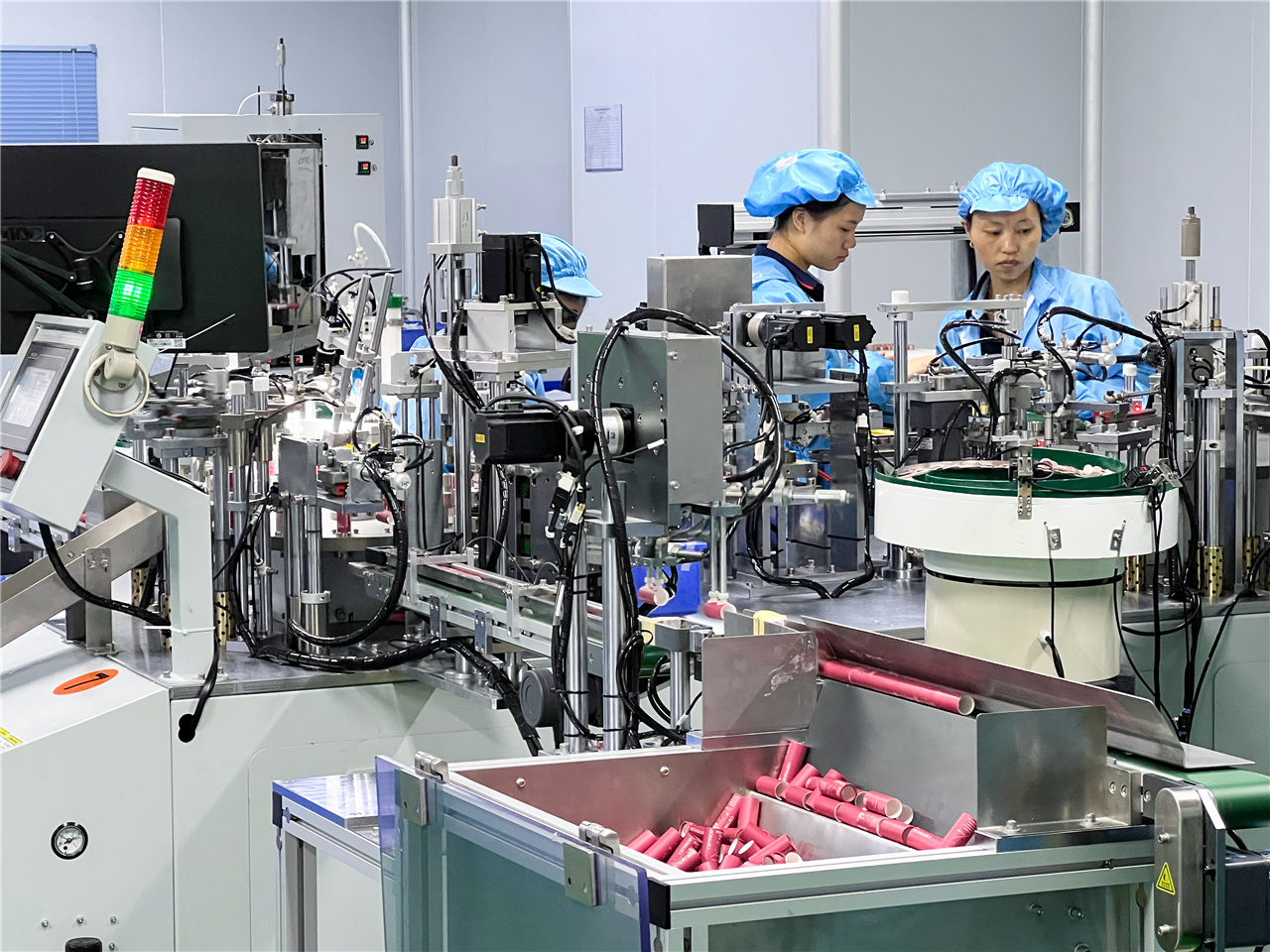
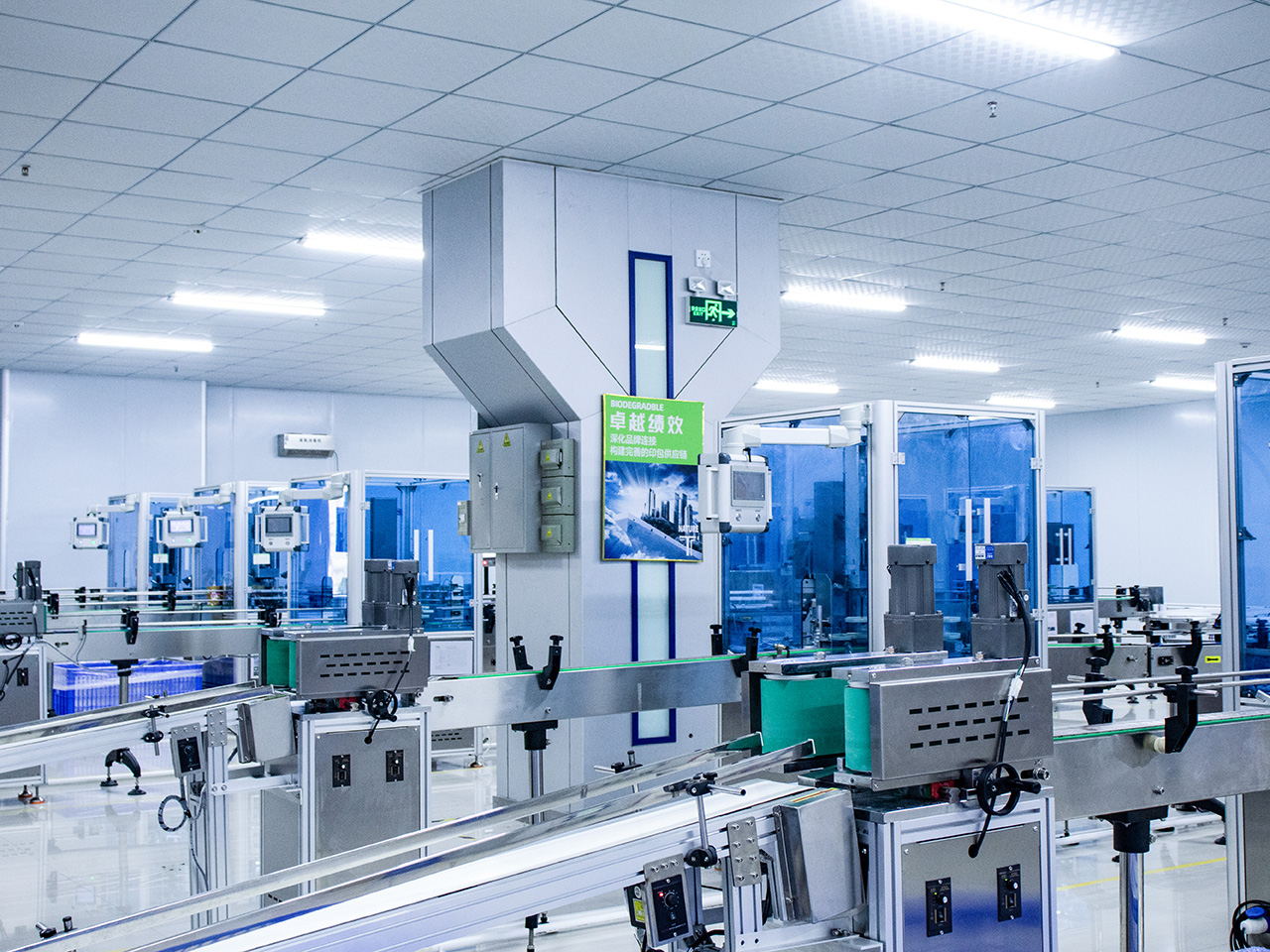
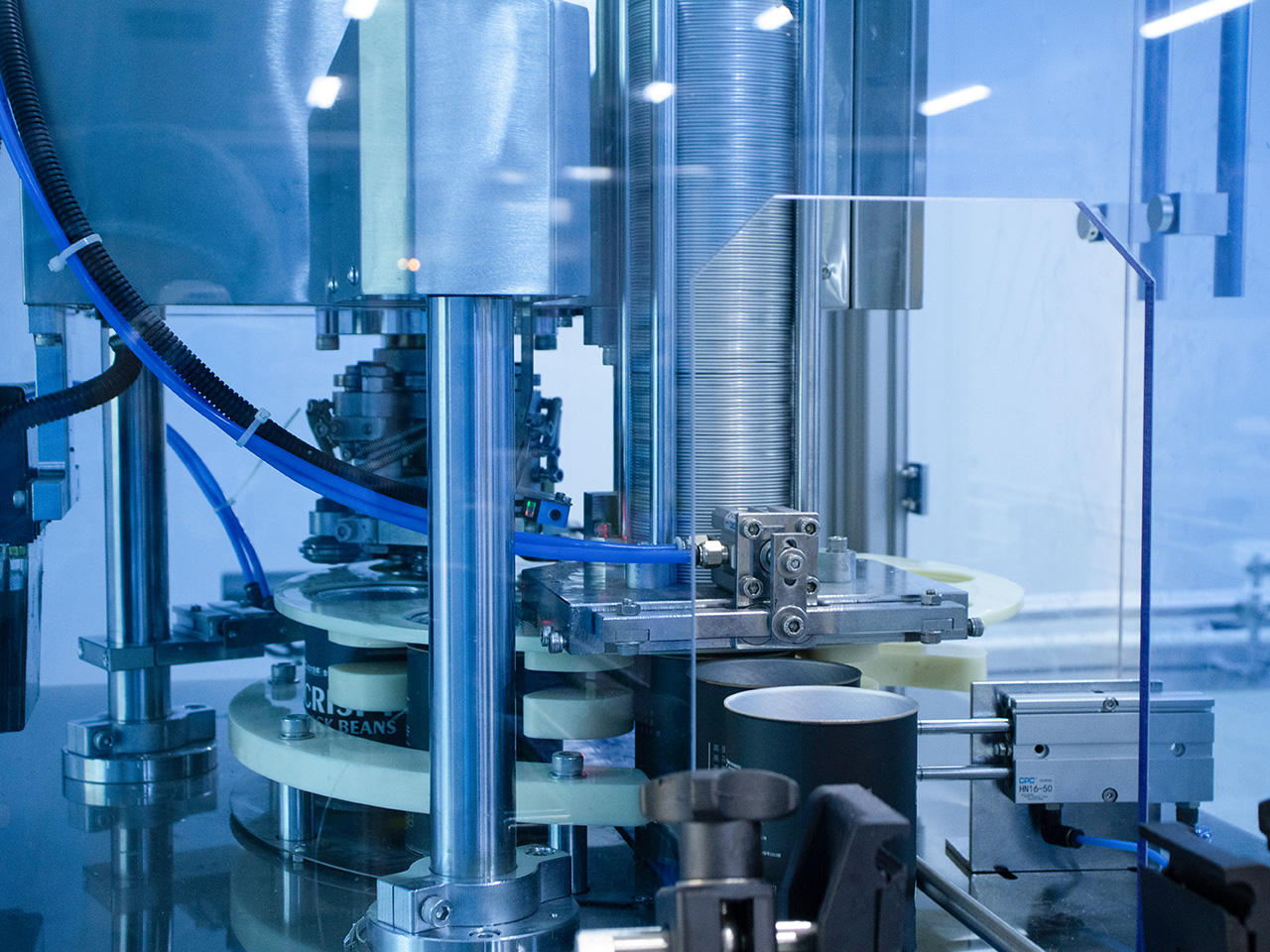
Strategic roadmaps for beauty conglomerates and indie brands transitioning toward absolute net-zero packaging footprints.
As the sustainable beauty sector matures, packaging innovation is moving beyond basic recyclability toward holistic lifecycle optimization. Leading cosmetics brands are deploying algorithmic structural modeling and artificial intelligence to minimize paper wall thickness while increasing tensile strength, ensuring minimal raw fiber consumption per container. Furthermore, Life Cycle Assessment (LCA) data is increasingly integrated into consumer-facing touchpoints, where QR and NFC codes embedded directly on compostable paper tubes allow beauty buyers to trace the forestry origin, factory carbon metrics, and exact municipal disposal guidelines.
Refillable architectures represent the fastest-growing segment in sustainable cosmetics packaging. By designing durable, heirloom-quality outer cases made from treated structural paper, bamboo-hybrid composites, or anodized lightweight aluminum paired with inner paper refill pods, brands drastically reduce recurring packaging costs while cultivating deep brand loyalty. The consumer purchases the luxurious outer case once and replenishes the makeup formula via low-cost, 100% plastic-free cartridges. This circular design methodology satisfies consumer desire for sustainable luxury while significantly enhancing repeat-purchase customer lifetime value (LTV).
Developing modular twist-and-lock refill mechanisms where outer housings last for years while paper refills biodegrade naturally without microplastic residue.
Providing verified Life Cycle Assessments showing up to 78% lower carbon emissions and 92% less fossil fuel dependency compared to conventional plastic packaging.
Utilizing non-toxic soy and vegetable-based inks, mineral pigment varnishes, and mechanical debossing that preserve high-fashion cosmetics shelf appeal.
Engineered for luxury makeup, organic skincare, personal care, and wellness brands committed to circular environmental standards.