Leave Your Message
Explore precision-engineered, eco-responsible packaging designed for fast-scaling indie cosmetic brands requiring premium tactile luxury and strict environmental compliance.
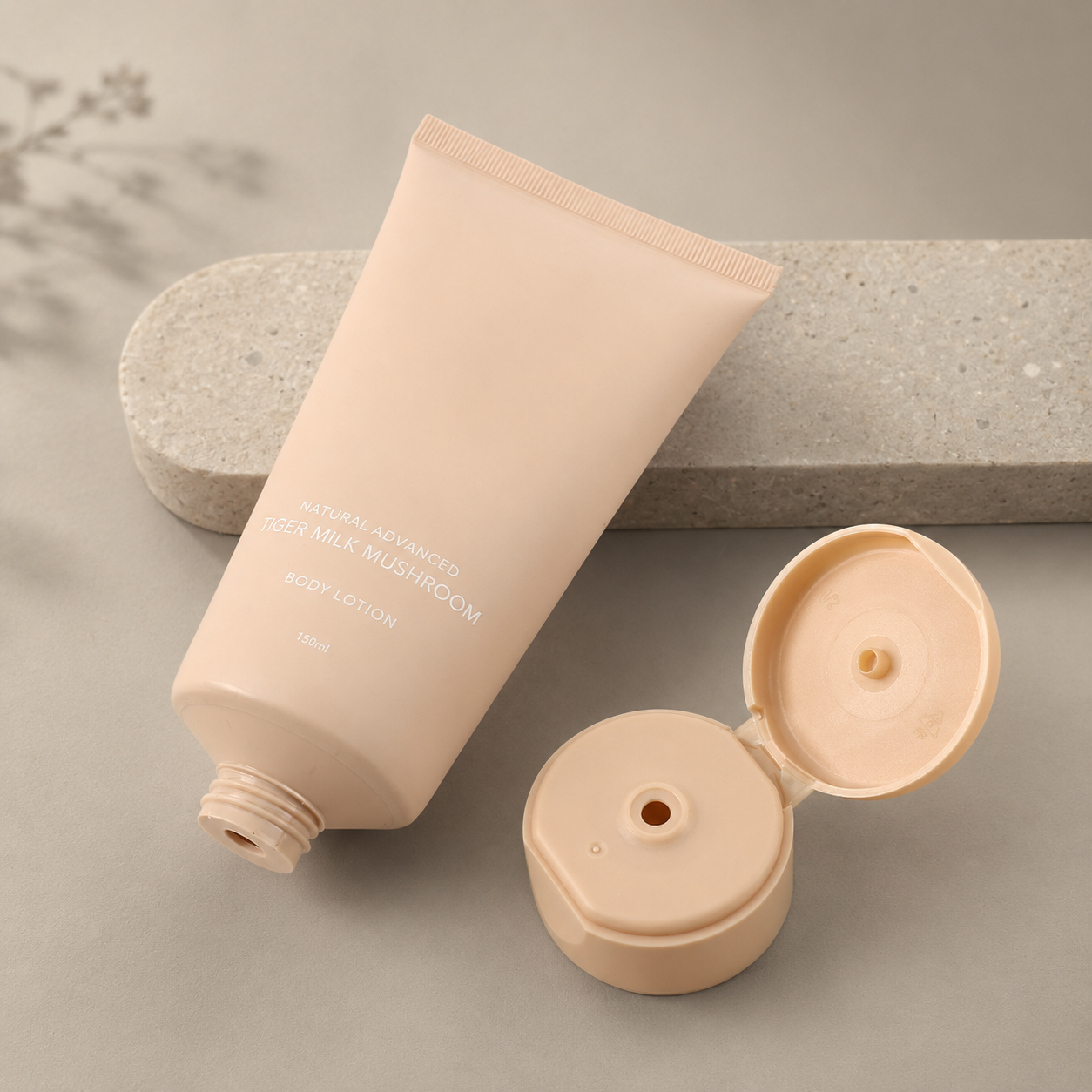
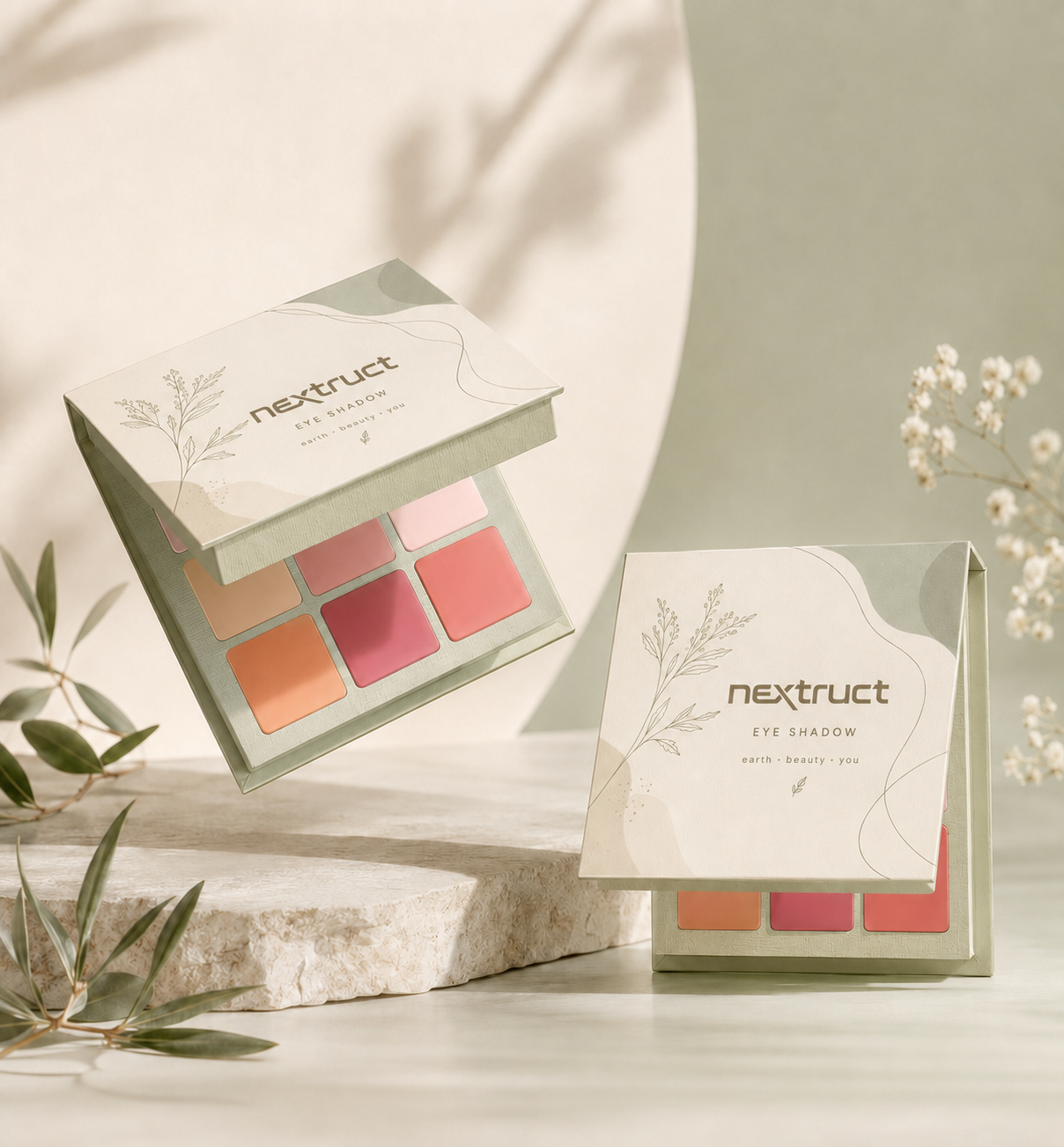
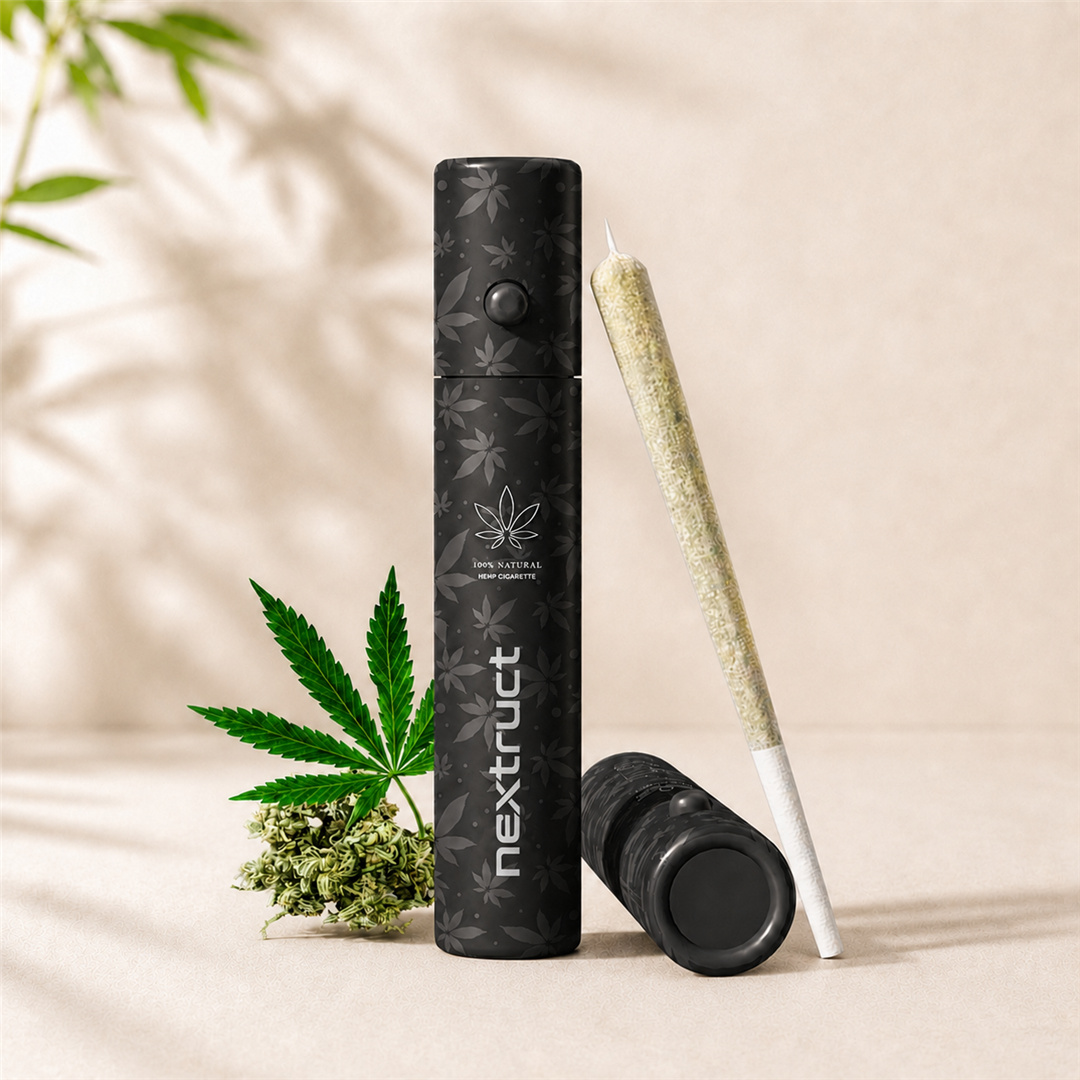
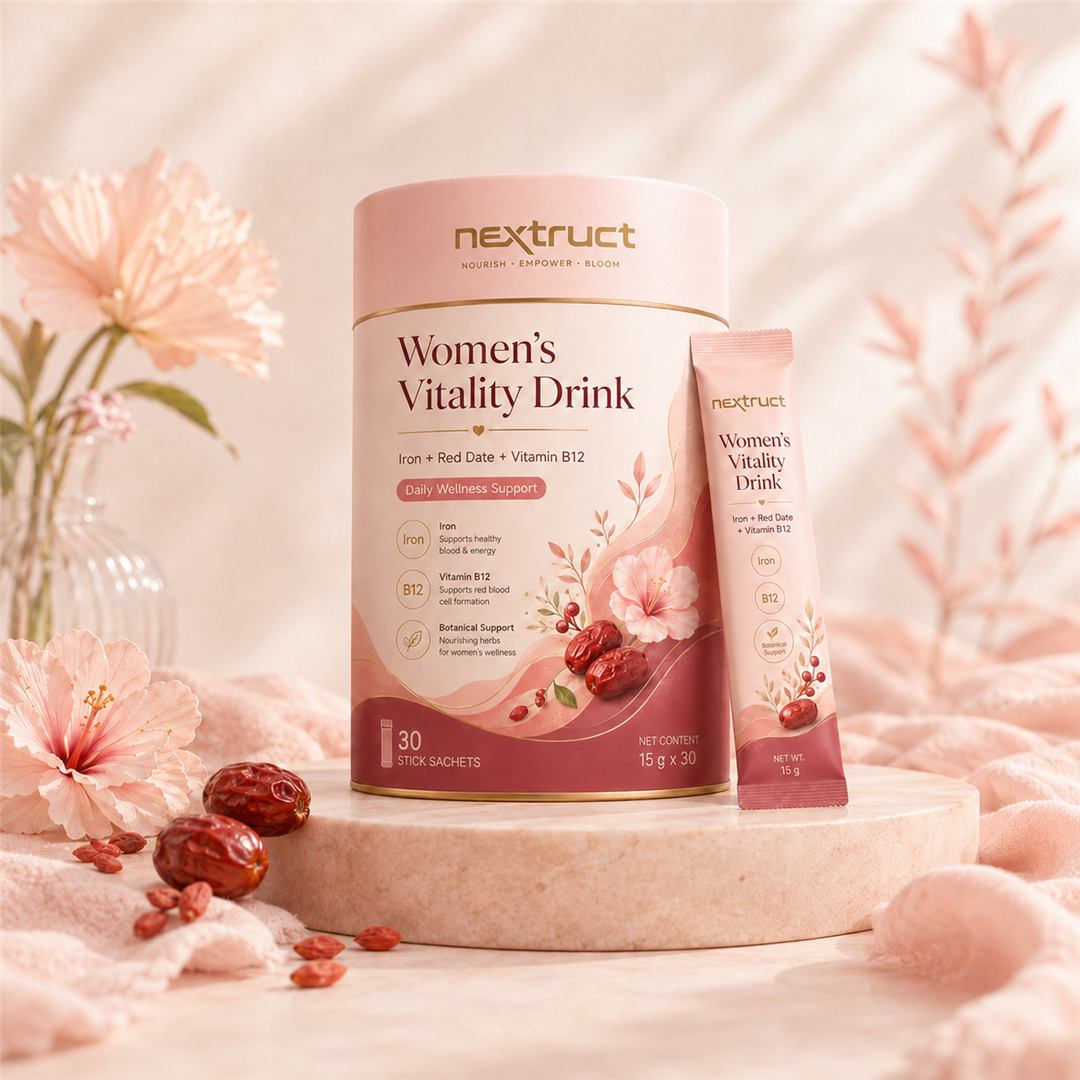
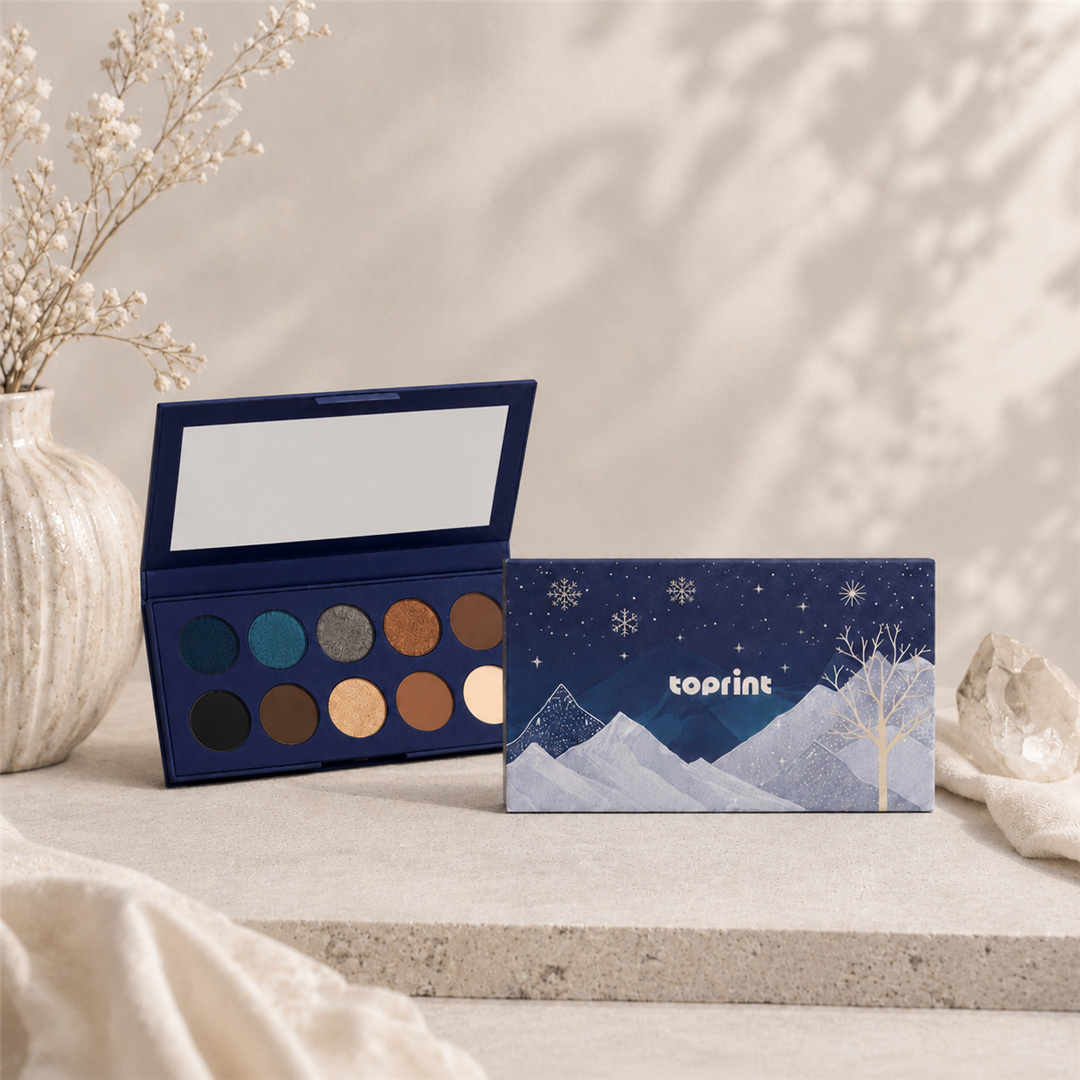
In the rapidly transforming global beauty sector, makeup palette packaging serves as the primary touchpoint between brand storytelling and consumer tactile experience. Historically dominated by rigid polystyrene (PS), acrylonitrile butadiene styrene (ABS), and non-recyclable multi-material assemblies embedded with unseparable acrylic mirrors and metallic pan inserts, conventional palettes represent one of the beauty industry’s most stubborn post-consumer waste streams.
For early-stage and high-growth beauty startups, selecting the right packaging architecture is no longer purely an aesthetic exercise—it is a high-stakes commercial calculation. With international regulatory frameworks such as the European Union’s Packaging and Packaging Waste Regulation (PPWR), extended producer responsibility (EPR) taxation policies, and stringent state-level US environmental disclosures tightening compliance standards, modern startups cannot afford legacy petroleum-based plastic compacts.
Traditional plastic injection molds cost anywhere from $15,000 to $45,000 per bespoke silhouette with massive Minimum Order Quantities (MOQs) reaching 20,000–50,000 units. Nextruct’s precision-engineered paperboard structural matrix removes these financial hurdles, giving startup brand builders bespoke geometric flexibility without punitive initial capital expenditure.
Achieving authentic sustainability without sacrificing Drop-Test drop survival, optical vibrancy, or tactile opening tension requires meticulous material science.
Rare-earth neodymium magnets compromise municipal paper pulping and recycling streams. We engineer micro-friction latches, foldable origami tension flaps, and mono-material paper-peg fasteners that provide that satisfying luxury "click" closure while remaining 100% kerbside recyclable.
Designed for the circular refill revolution. Our patented base-aperture die-cuts allow end-users to pop out empty aluminum or tinplate makeup pans with a gentle pin-press, encouraging infinite palette reuse, pan-only refill purchases, and effortless multi-material separation.
Pressed powders, highlighters, and cream-to-powder cosmetics leach volatile oils and moisture over time. Nextruct deploys bio-derived aqueous barrier varnishes and grease-resistant FSC linerboards that prevent color bleeding and grease rings without resorting to plastic laminations.


Every growth phase requires distinct structural tradeoffs. We match structural complexity with brand capital allocation to de-risk market entry.
D2C beauty brands often suffer from high dimensional-weight shipping charges and damaged pan claims from carrier drops. Nextruct constructs multi-layer corrugated core and micro-flute fiber structures that absorb kinetic shock without brittle plastic shells. The reduced overall package weight cuts air cargo freight costs by up to 28% while providing zero-plastic unboxing excitement that drives viral social media advocacy.
Scaling startups rarely possess the catalog breadth of legacy cosmetic conglomerates. Refillable paperboard platforms allow indie makeup brands to launch versatile universal base palettes (4-pan, 9-pan, or 12-pan configurations) while selling seasonal shades, blush pots, and bronzer inserts independently. This keeps SKU counts streamlined while maximizing Customer Lifetime Value (LTV).
When cosmetic formulations contain squalane, botanical oils, or hyaluronic acid, conventional untreated paperboard stains. Nextruct pairs plant-based barrier sealants with food-contact grade soy and vegetable inks. This guarantees that complex botanical formulations remain pristine from factory shelf life to daily vanity use without microplastic film contamination.
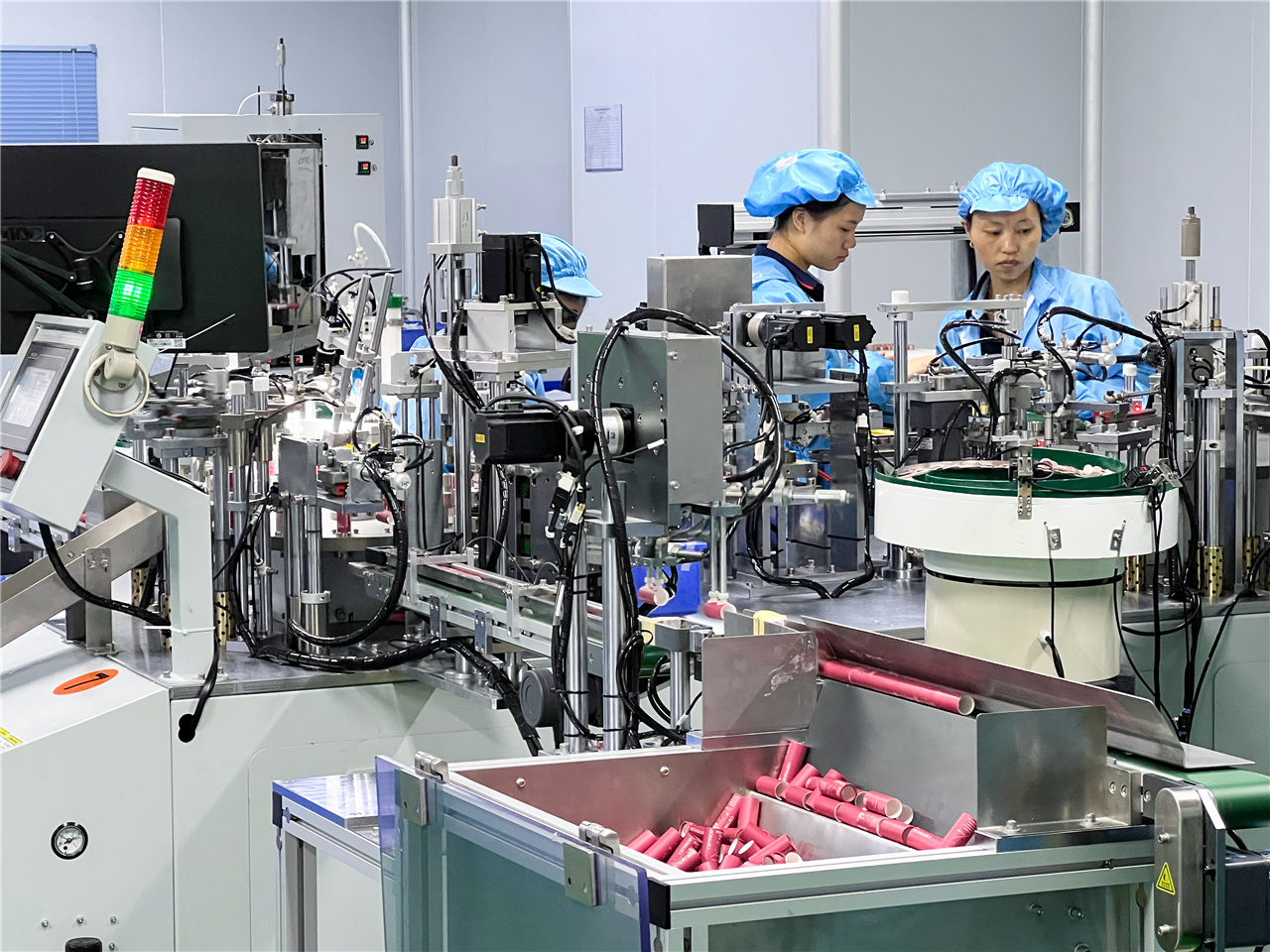
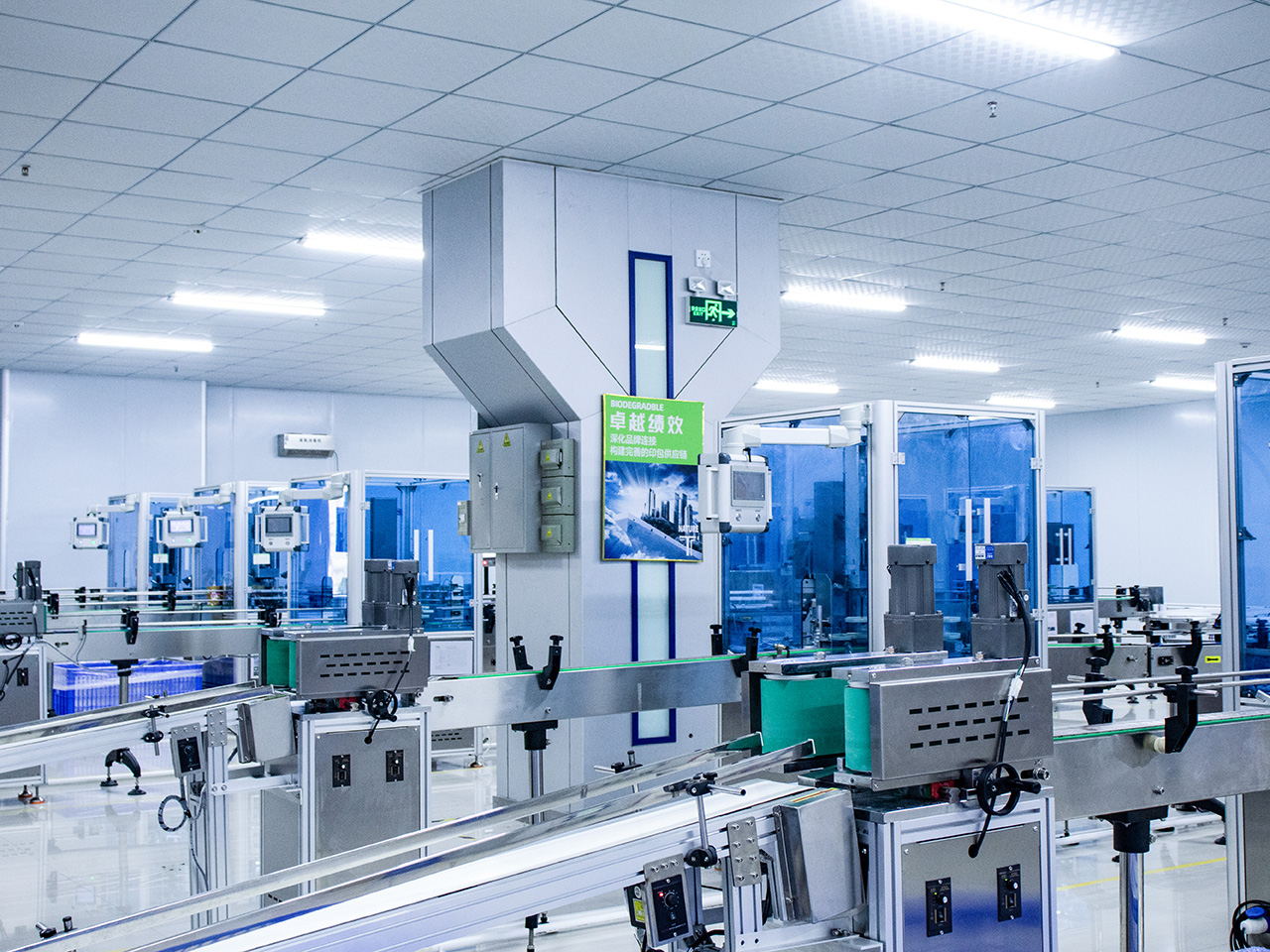
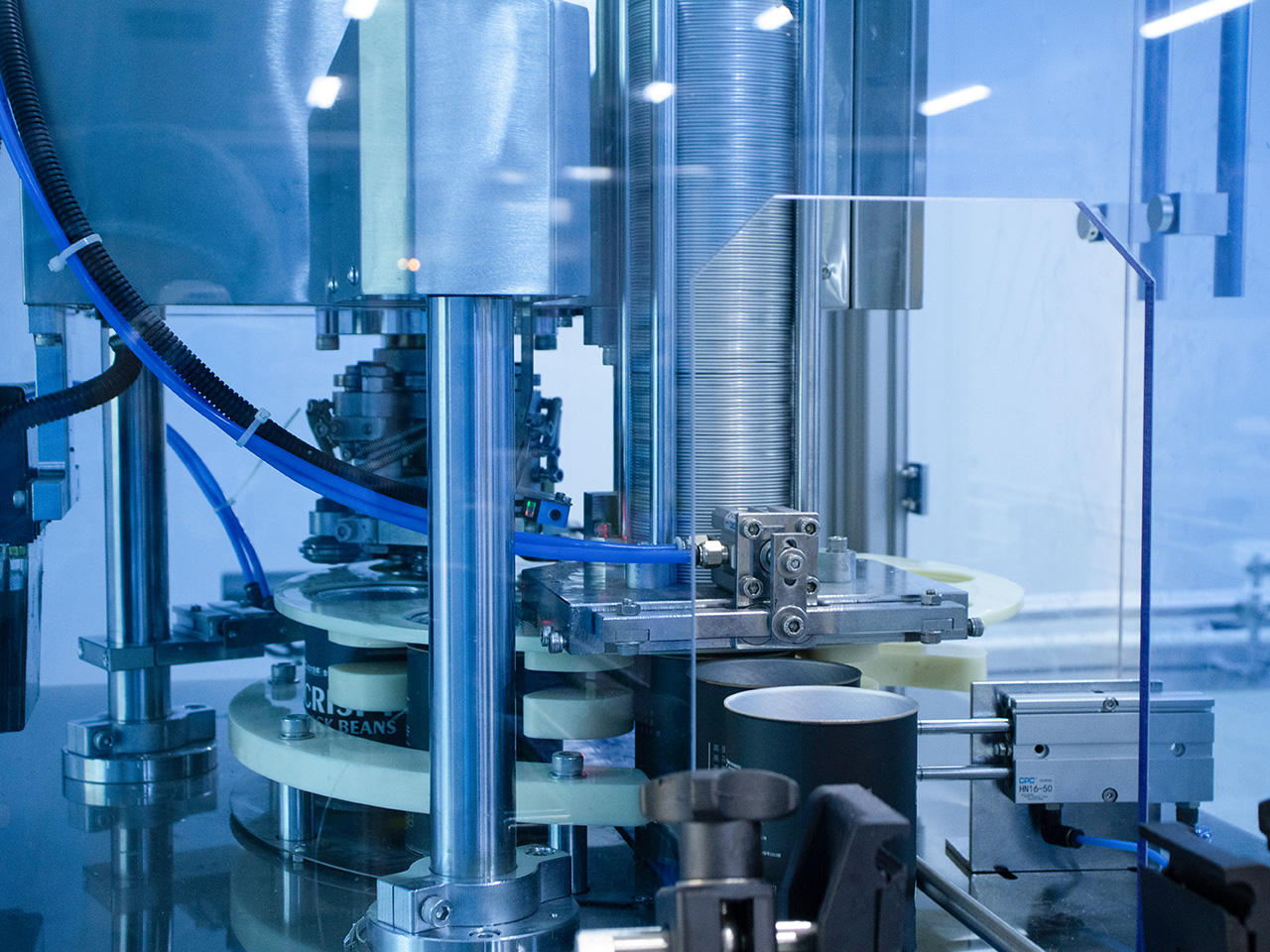
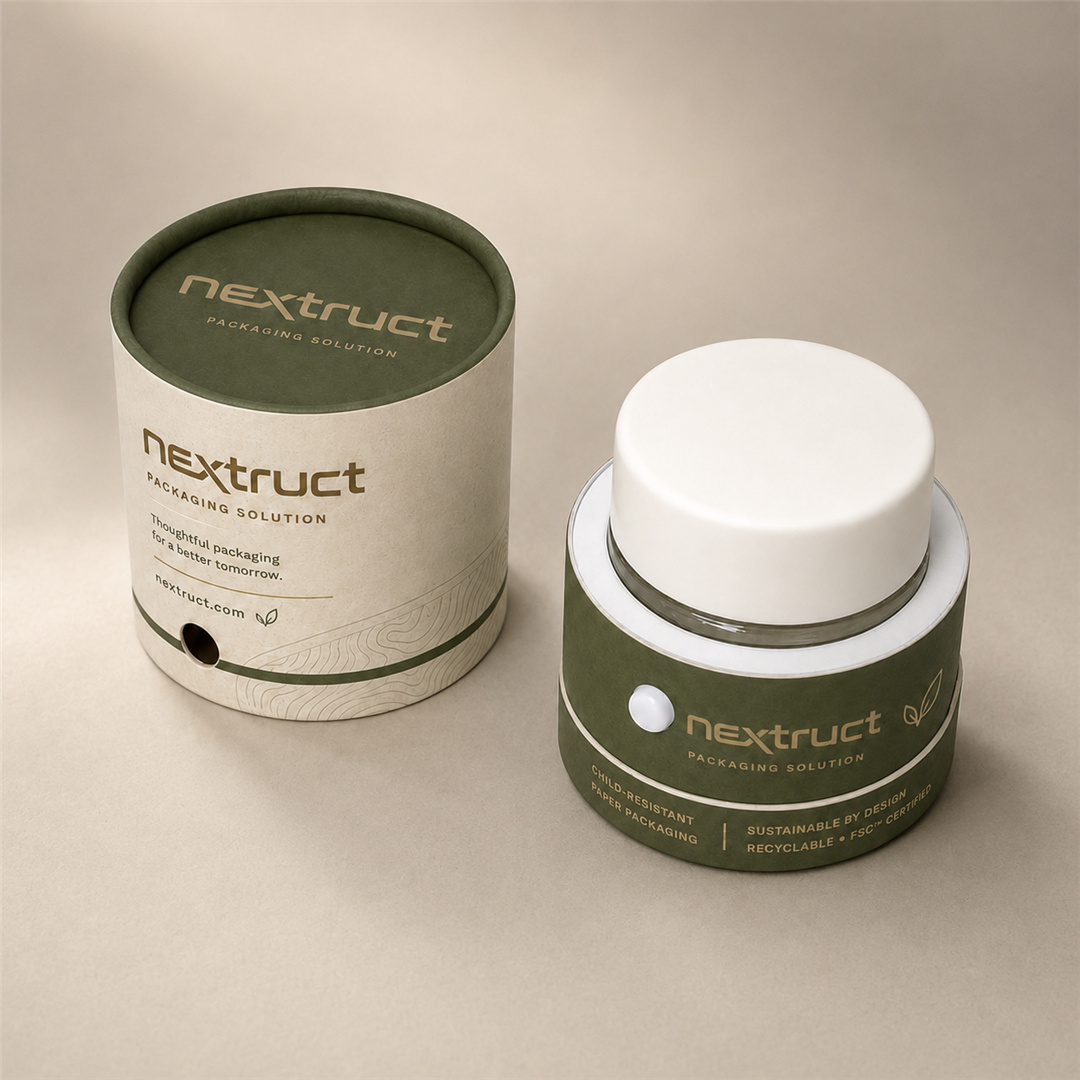
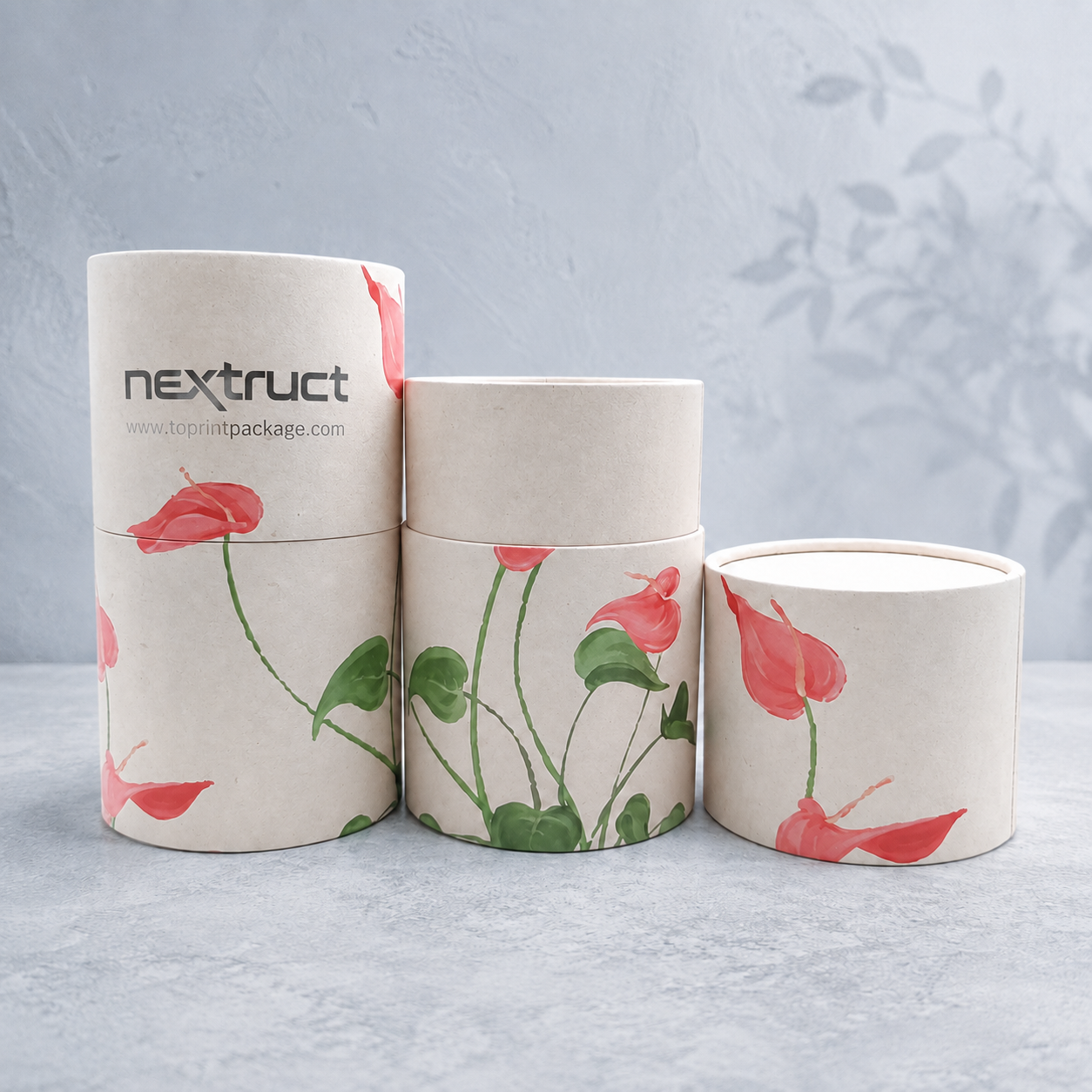
From precision cosmetic palettes and high-barrier squeeze tubes to certified child-resistant paper containers and bespoke canisters.