Leave Your Message
The global beauty and cosmetics industry is undergoing an unprecedented structural transition. Historically dependent on virgin plastic packaging for its durability, clarity, and low cost, the sector now faces severe financial penalties and shifting consumer expectations. Across the globe, governments are enacting aggressive legislative frameworks designed to curb plastic pollution. The UK Plastic Packaging Tax (PPT), the European Union’s Packaging and Packaging Waste Regulation (PPWR), and various Extended Producer Responsibility (EPR) schemes worldwide are penalizing the use of non-recycled plastics.
For makeup palette packaging—traditionally composed of multi-material plastics, complex hinges, and integrated mirrors—these regulations present a significant commercial challenge. Conventional plastic compacts are notoriously difficult to recycle, often ending up in landfills. Under new tax regimes, brands utilizing these virgin plastic configurations face escalating operational costs. To mitigate these taxes, forward-thinking cosmetic brands are pivoting toward sustainable materials and circular design principles, converting regulatory compliance into a competitive advantage.
Transitioning to fiber-based and FSC-certified paperboard structures allows brands to bypass heavy plastic taxes, reducing operational overheads directly at the source.
Developing mono-material makeup palettes ensures they can enter existing paper recycling streams, supporting a closed-loop economy.
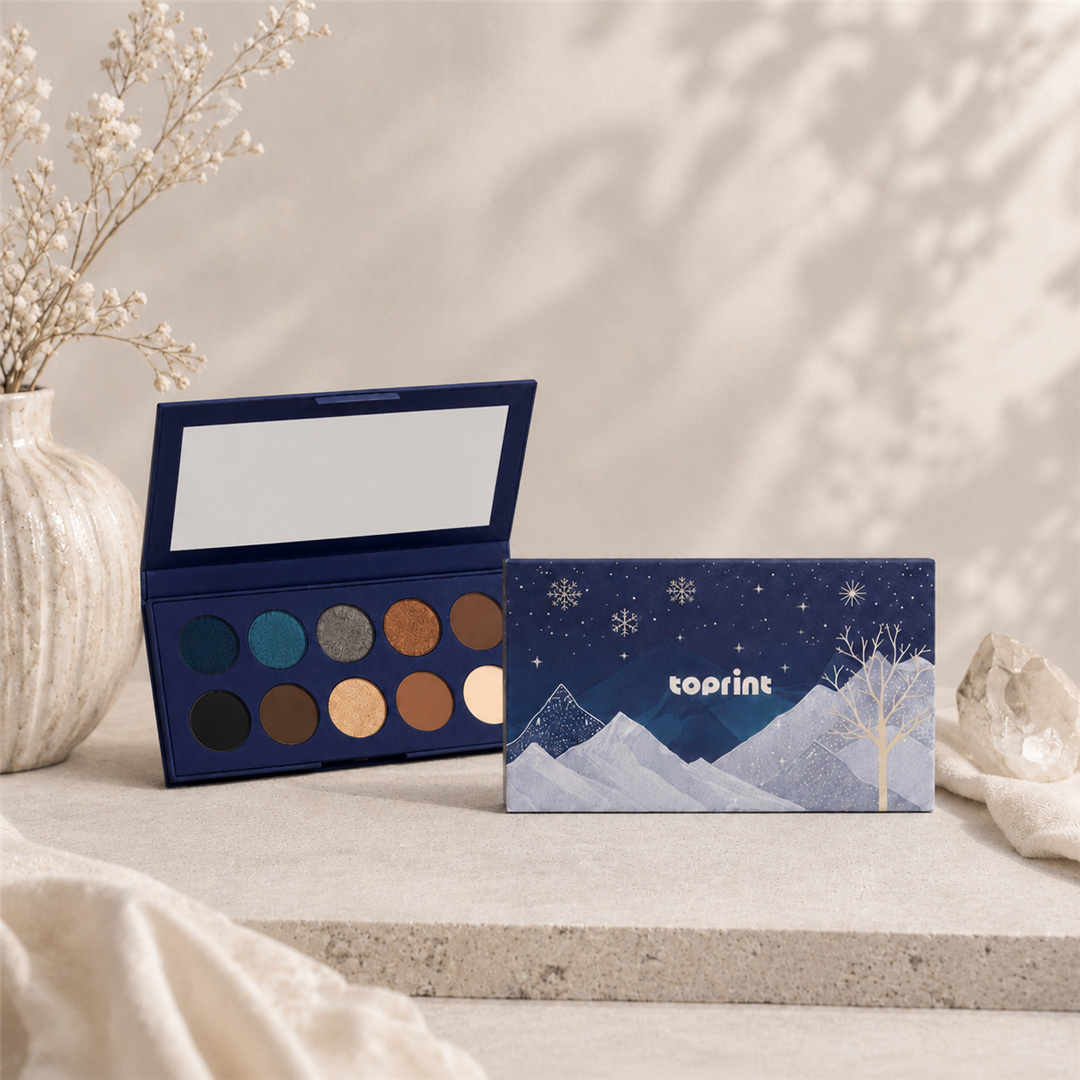
Eliminating plastic from makeup palettes without sacrificing luxury appeal requires sophisticated structural engineering. The core challenge lies in replicating the robust feel, secure closure, and protection offered by plastic. Nextruct addresses this through structural innovation, substituting traditional plastic components with high-performance, bio-based alternatives.
Utilizing responsibly managed forest fibers to construct high-density, rigid palette bases. These materials provide the structural integrity required to protect delicate pressed powders from impact.
Replacing traditional plastic latches and magnets with clever friction-fit sleeves, paper hinges, or biodegradable magnetic alternatives that allow for complete recyclability.
Applying natural, plant-based barriers to protect paper palettes from oil and moisture, preventing staining and maintaining a clean, premium brand presentation.
By focusing on mono-material construction, our engineered paperboard palettes can be flattened and placed directly into household paper recycling bins. This eliminates the need for consumers to disassemble the packaging, a common barrier that prevents traditional multi-material plastic palettes from ever being recycled.


The transition toward sustainable makeup palette packaging is no longer just an ethical statement; it is a core financial strategy. Globally, the beauty industry generates over 120 billion units of packaging annually, a significant portion of which is non-recyclable plastic. As regulatory frameworks tighten, brand managers face a dual challenge: avoiding heavy plastic taxes while maintaining the luxury aesthetic that consumers demand.
Sustainable materials like molded pulp, agricultural waste residues, and post-consumer recycled (PCR) paper fibers are stepping into the spotlight. By engineering rigid paperboard structures, packaging designers can replicate the premium weight and tactile feel of traditional plastic palettes. Advanced printing techniques, including soy-based inks, water-based varnishes, and hot-stamping without plastic backing, allow brands to deliver stunning, high-definition graphics that align with their eco-conscious messaging.
Furthermore, the commercial benefits of adopting fiber-based packaging extend beyond tax relief. Brands utilizing paper-based palettes often experience improved shipping efficiencies. Because paper is lighter than heavy acrylics and styrene plastics, freight-related carbon emissions and transport costs are significantly reduced. This creates a highly favorable Life Cycle Assessment (LCA), which brands can transparently share with consumers to build trust and brand loyalty.
Sustainable packaging solutions must perform flawlessly across different retail and consumer environments. Below are three primary application scenarios where Nextruct’s paper-based designs offer distinct advantages:
In the high-end prestige market, weight and opening mechanisms dictate perceived value. Nextruct utilizes ultra-dense, multi-layered greyboard wrapped in art paper, combined with a precise magnetic-free friction closure. This achieves a satisfying "soft click" when closed, offering a premium sensory experience without using single-use plastics.
For direct-to-consumer (DTC) brands, transit protection is critical. Nextruct's shock-absorbing fiber bases protect pressed powders from cracking during shipping. By pairing a durable outer paper compact with removable, recyclable aluminum pans, brands can offer a refillable system that minimizes waste and encourages repeat purchases.
For active consumers, heavy cosmetic cases are inconvenient. By replacing thick plastic walls and glass mirrors with lightweight, highly compressed paperboard and reflective, recyclable metalized paper, Nextruct designs travel-ready palettes that reduce overall packaging weight by up to 40%.
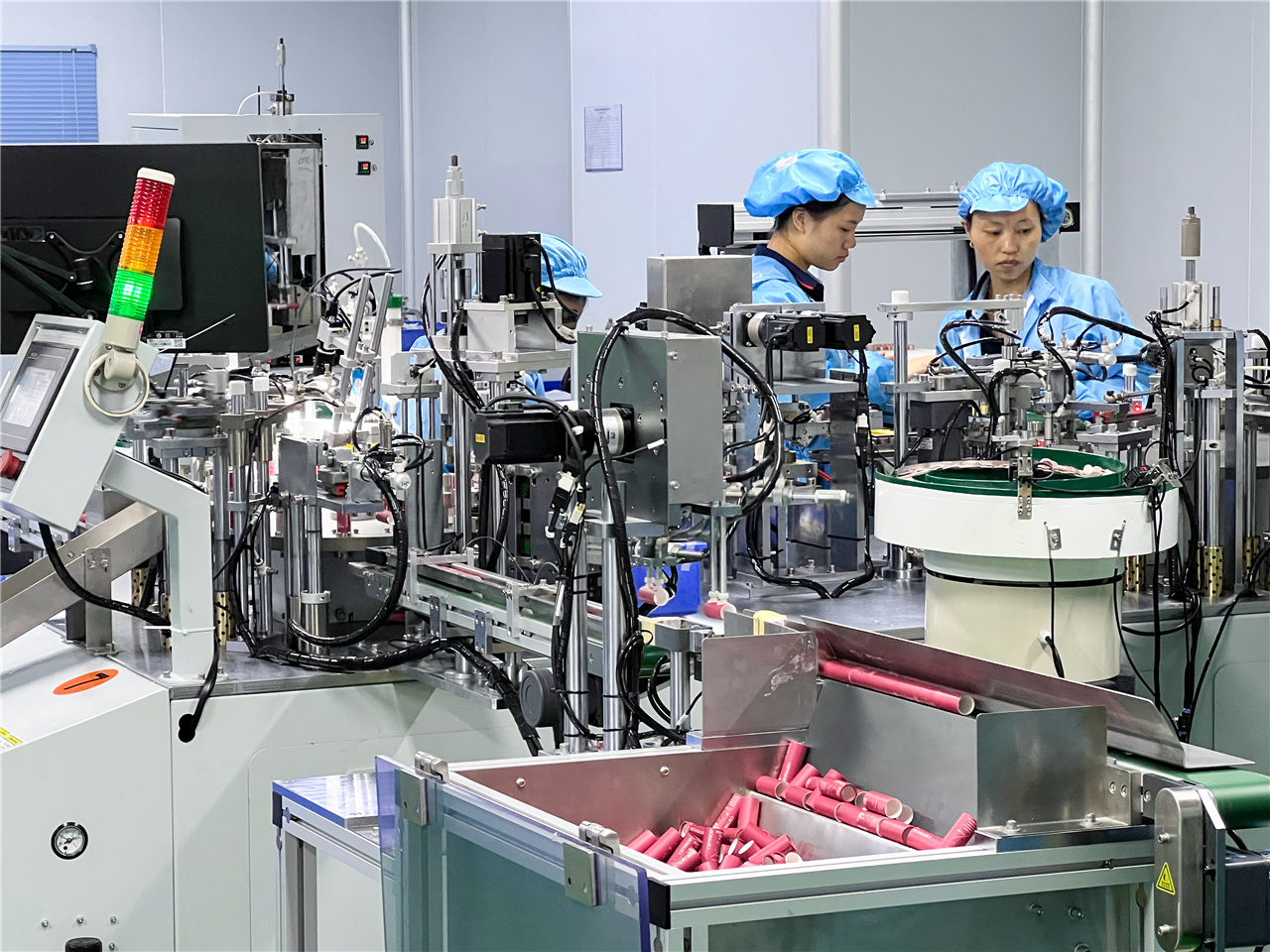
We integrate structural engineering and design capabilities with a global supply chain to provide end-to-end solutions from concept development to mass production and delivery, helping brands achieve packaging innovation and market differentiation.
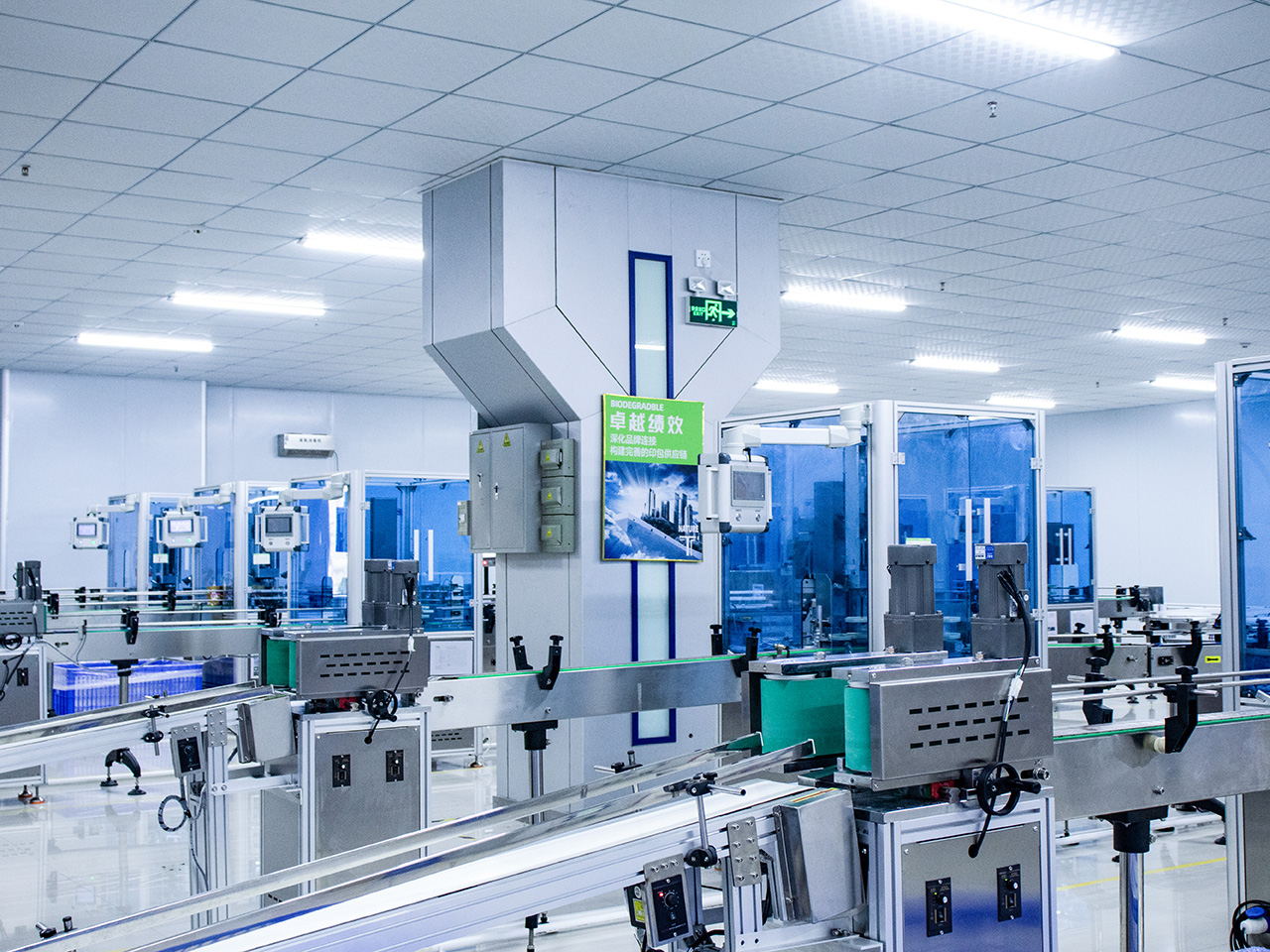
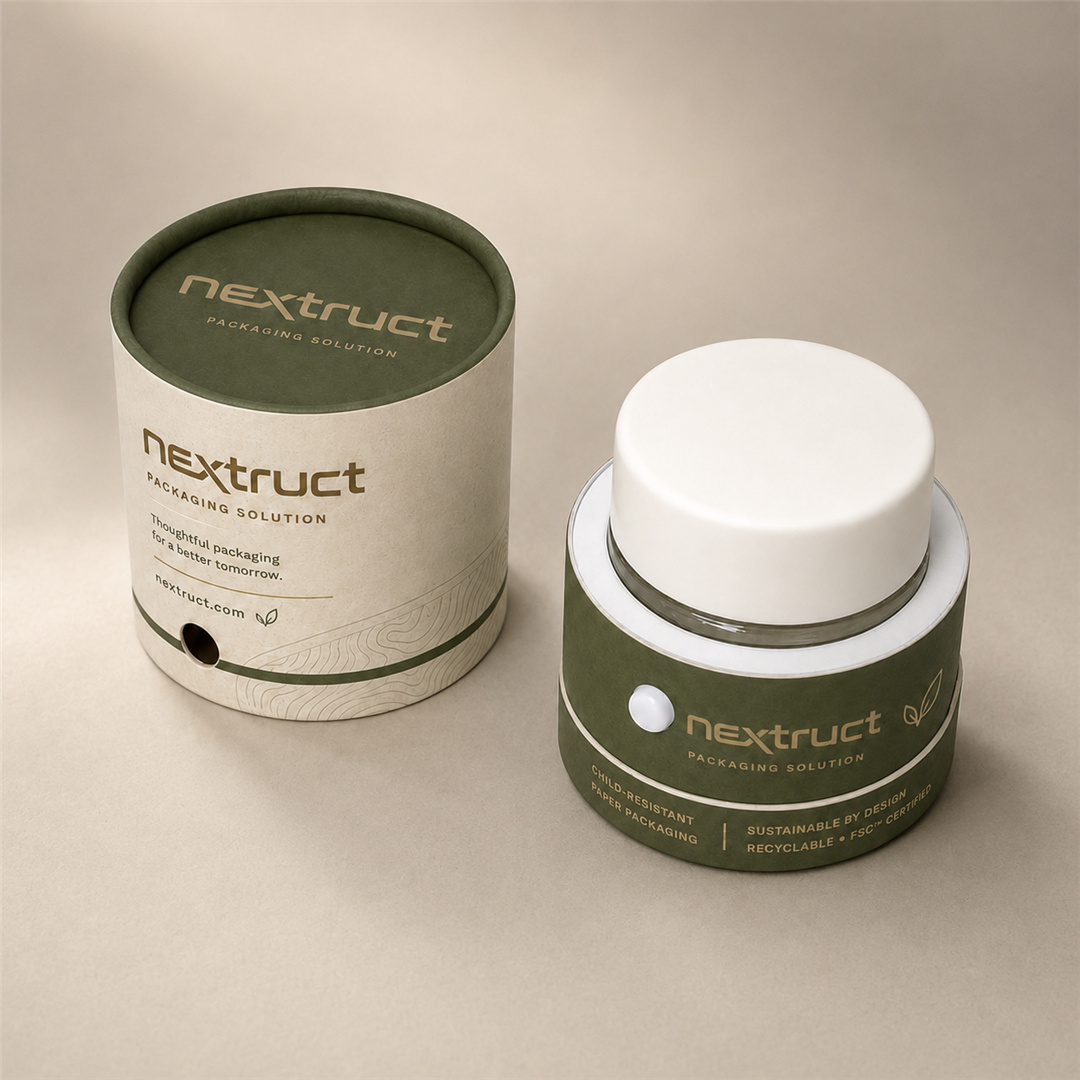
Nextruct strictly adheres to three ISO management systems and the SA8000 social responsibility standard, and holds FSC certification, ensuring its production and supply chain are compliant and well-regulated, providing global clients with compliant, high-quality, and environmentally friendly product solutions.
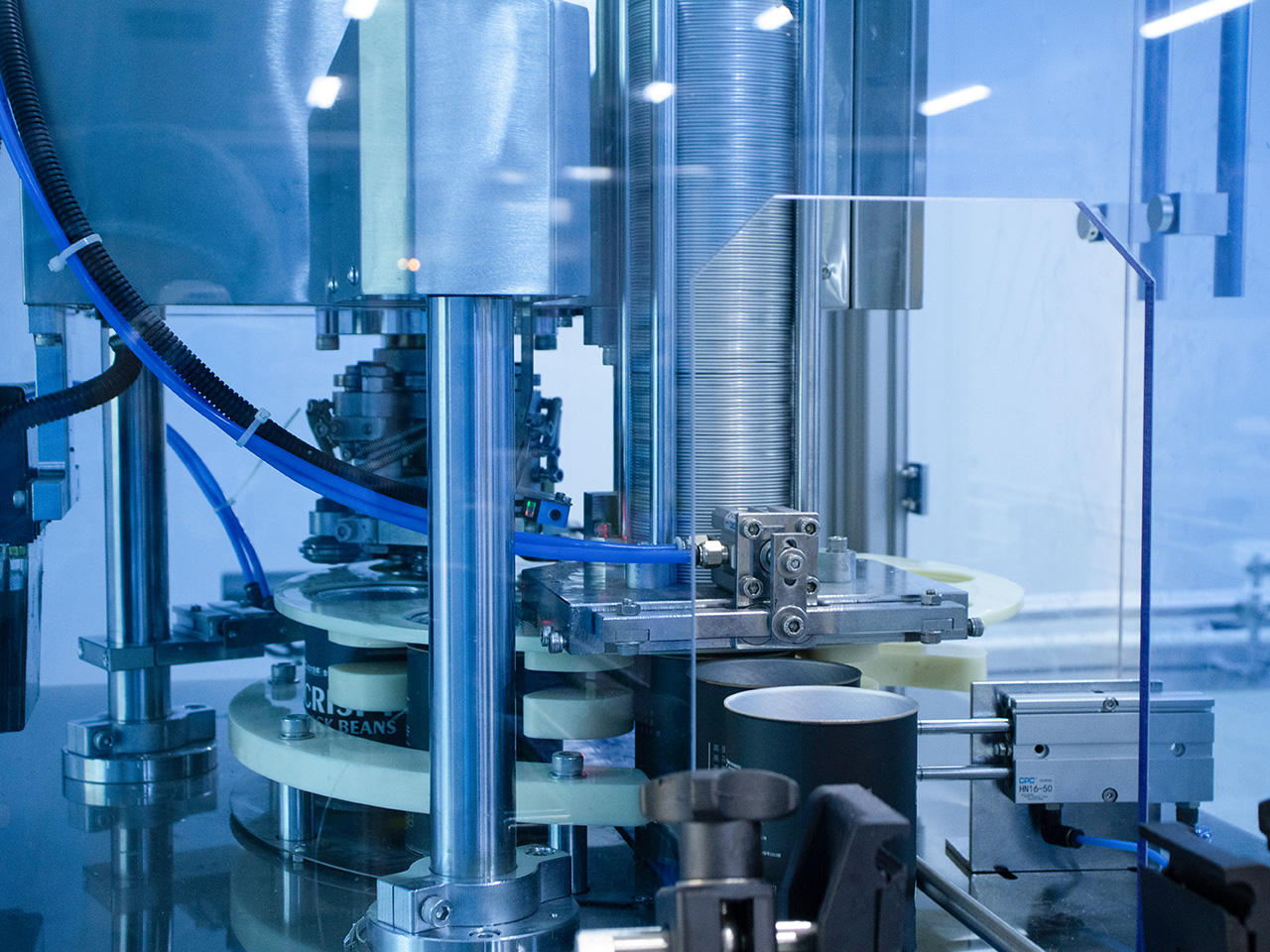
More than a regular packaging supplier, we serve as your reliable long-term ally to advance continuous packaging innovation.
As we look toward the next decade, the cosmetic packaging landscape will continue to evolve beyond simple plastic substitution. The next frontier is intelligent bio-design, where packaging actively contributes to the environment or completely disappears after use. Research into seaweed-based binders, mushroom mycelium trays, and seed-infused paperboards that can be planted after use is moving from the lab to commercial production lines.
Furthermore, digital integration will play a vital role. QR codes printed with water-based inks on paper palettes can guide consumers to localized recycling portals, educating them on how to properly dispose of their cosmetics packaging. Nextruct remains at the forefront of this evolution, continuously investing in R&D to ensure that our paper-based structural designs remain compatible with emerging recycling technologies and evolving global plastic tax legislation.