The Evolution of Loose Powder Packaging in Sustainable Wellness and Supplements
The global wellness, dietary supplement, and personal care industries are experiencing an unprecedented paradigm shift. Driven by heightened consumer awareness regarding microplastics, carbon footprints, and circular economy practices, brand owners are transitioning away from single-use virgin plastics toward engineered paper-based alternatives. Nowhere is this transformation more vital than in the packaging of loose powder formulations. From bioactive marine collagen and botanical adaptogen blends to clean mineral foundations and oral beauty supplements, loose powders represent a volatile product category that demands uncompromising protection against moisture, oxidation, and environmental degradation.
Historically, loose powders relied heavily on thick polystyrene, rigid acrylics, or non-recyclable multi-material plastic compacts equipped with synthetic strainers. However, modern environmental regulations—such as the European Union’s Packaging and Packaging Waste Regulation (PPWR) and global Extended Producer Responsibility (EPR) mandates—are forcing wellness brands to reconsider their supply chain packaging metrics. Achieving true sustainability without sacrificing barrier integrity, shelf life, or aesthetic luxury requires breakthrough structural engineering.
Micro-Barrier Coating
Advanced bio-based barrier linings prevent humidity ingress, preserving the efficacy of hygroscopic wellness powders and bioactive supplements without plastic films.
100% Fiber Circularity
FSC-certified virgin and post-consumer recycled (PCR) paperboard components designed for seamless curb-side recycling stream compatibility.
Precision Dispensing
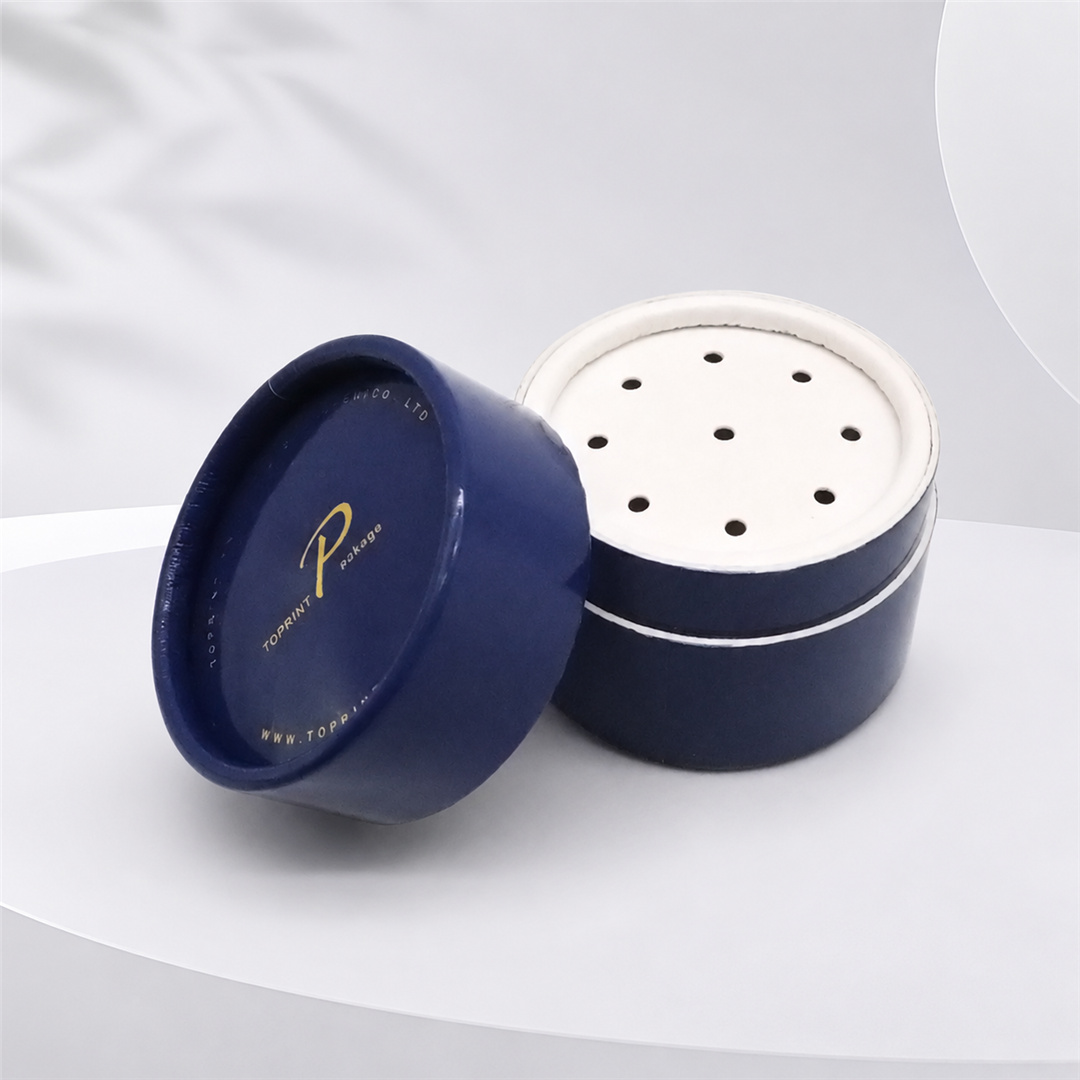
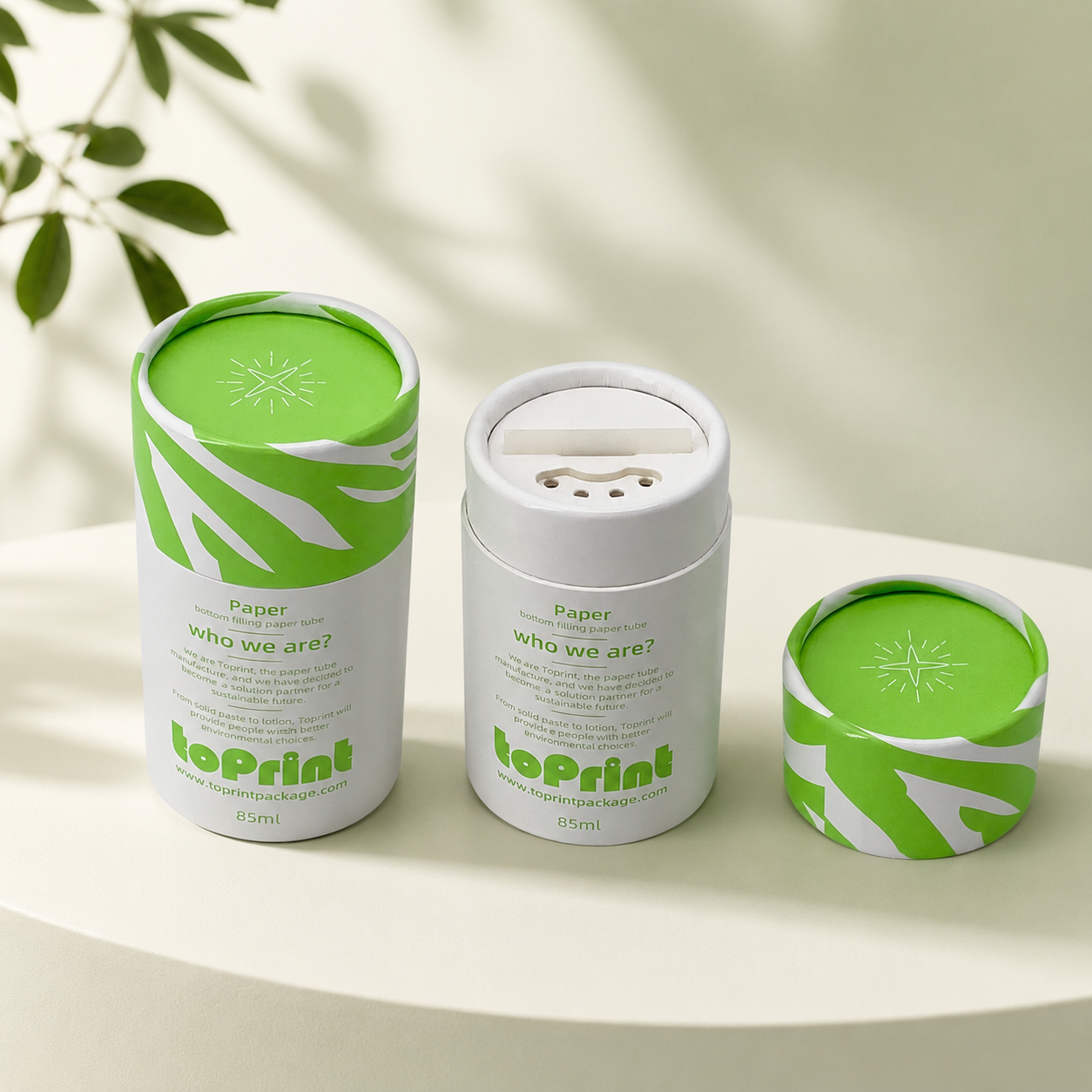
Engineered paperboard and hybrid sift systems that deliver controlled dosage, zero mess, and superior tactile feedback for discerning consumers.
Structural Breakthroughs: Solving the Moisture & Dispensing Challenge
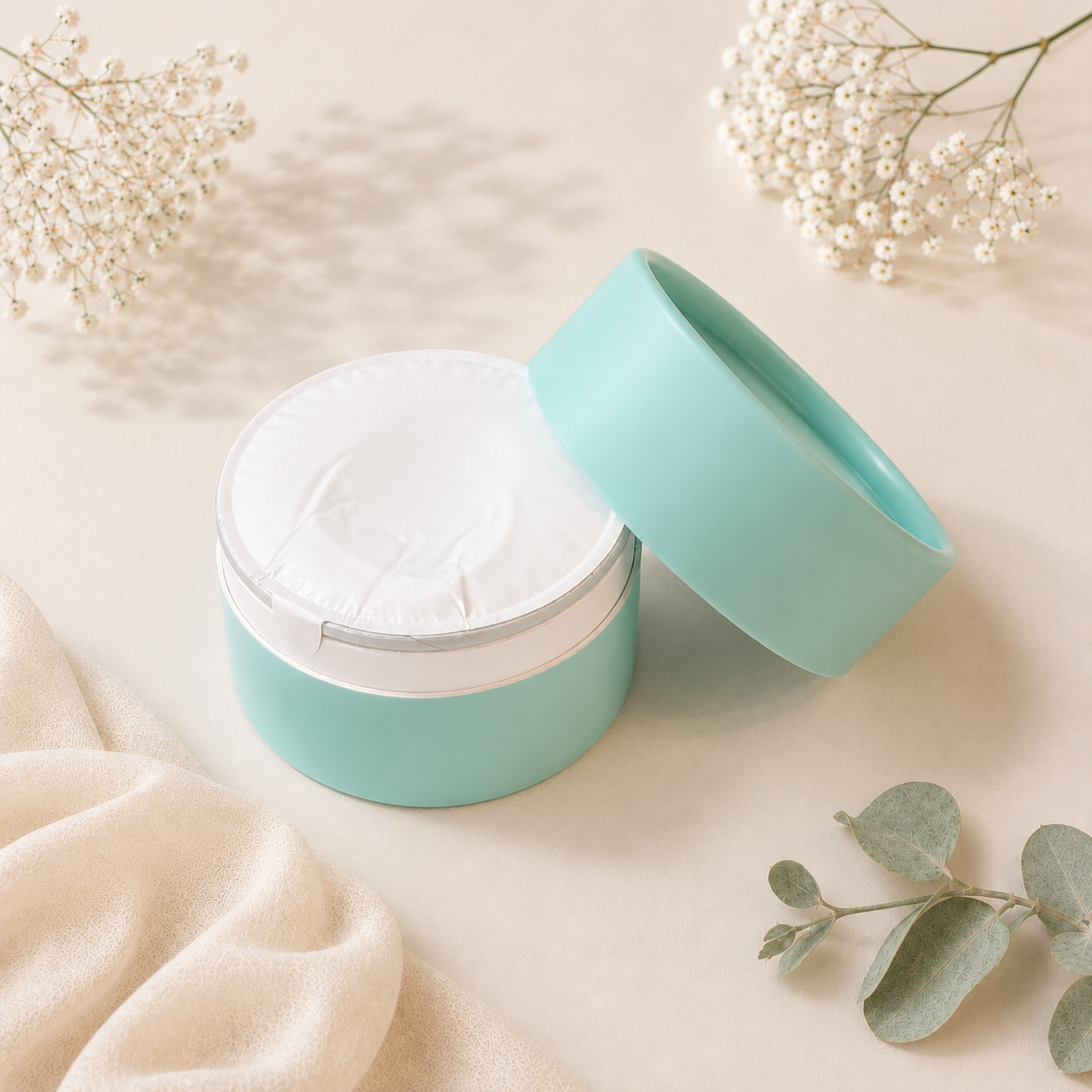
Nutraceutical powders, herbal extracts, and fine cosmetic powders are inherently hygroscopic. Exposure to ambient humidity leads to clumping, active compound degradation, and diminished user experience. Designing a custom paper loose powder jar capable of maintaining hermetic air-tight seals has traditionally been a formidable engineering hurdle.
Through proprietary structural design and hybrid material integration, modern sustainable packaging solutions overcome these limitations. By combining high-density moulded plant fibers, waterproof paper bottle technologies, and recyclable inner liners (such as infinitely recyclable glass or low-percentage PCR polymers), packaging engineers can now deliver zero-compromise containers. These containers provide an optimal Water Vapor Transmission Rate (WVTR) and Oxygen Transmission Rate (OTR), ensuring that high-value botanical extracts, probiotic powders, and mineral cosmetics remain pristine from production to consumption.