Leave Your Message
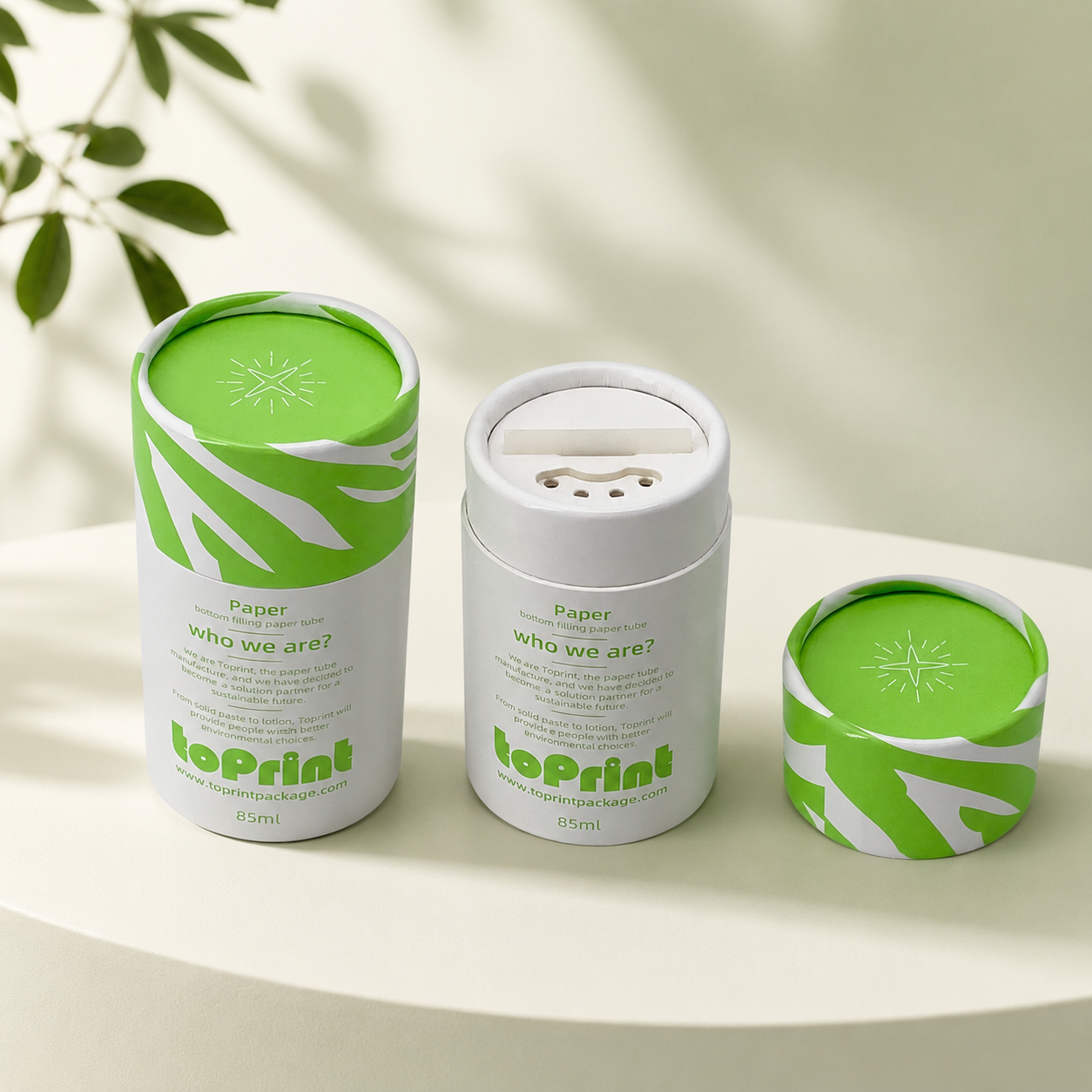
In the rapidly evolving global cosmetics industry, brands face a dual challenge: meeting the surging consumer demand for eco-friendly, clean beauty formulations while navigating an increasingly fragmented and volatile packaging supply chain. Loose powder—a staple in makeup routines ranging from setting powders to powder foundations, blushes, and dry shampoos—is particularly sensitive to packaging design. Unlike pressed formulas, loose powder requires robust containment, precise dispensing mechanisms, and exceptional moisture barriers to prevent clumping and spilling.
Historically, the cosmetic packaging supply chain has been highly fragmented. A typical brand might source plastic bases from one manufacturer, sifters from another, paper cartons from a third, and rely on a fourth partner for final assembly and filling. This multi-vendor approach introduces significant risks, including color matching inconsistencies, dimensional deviations that lead to leakage, extended lead times, and an inflated carbon footprint. As regulatory bodies globally tighten restrictions on single-use plastics, the transition to sustainable materials like paper-based structures has shifted from a marketing advantage to a compliance necessity.
"The integration of structural engineering with material science is key to overcoming the vulnerabilities of fragmented supply chains. By consolidating packaging components into unified, biodegradable, and highly functional paper-based systems, brands can achieve true circularity without compromising on aesthetic luxury or operational efficiency."
Why does fragmentation occur? In traditional manufacturing, specialized factories focus on narrow niches: plastic injection molding, cardboard printing, or silicone sifter production. When a cosmetic brand launches a new loose powder product, coordinating these disparate entities requires complex logistics. If the paper cap manufactured in Region A does not perfectly fit the PCR (Post-Consumer Recycled) plastic base made in Region B due to humidity variations or tolerance stack-up during production, the entire batch faces rejection.
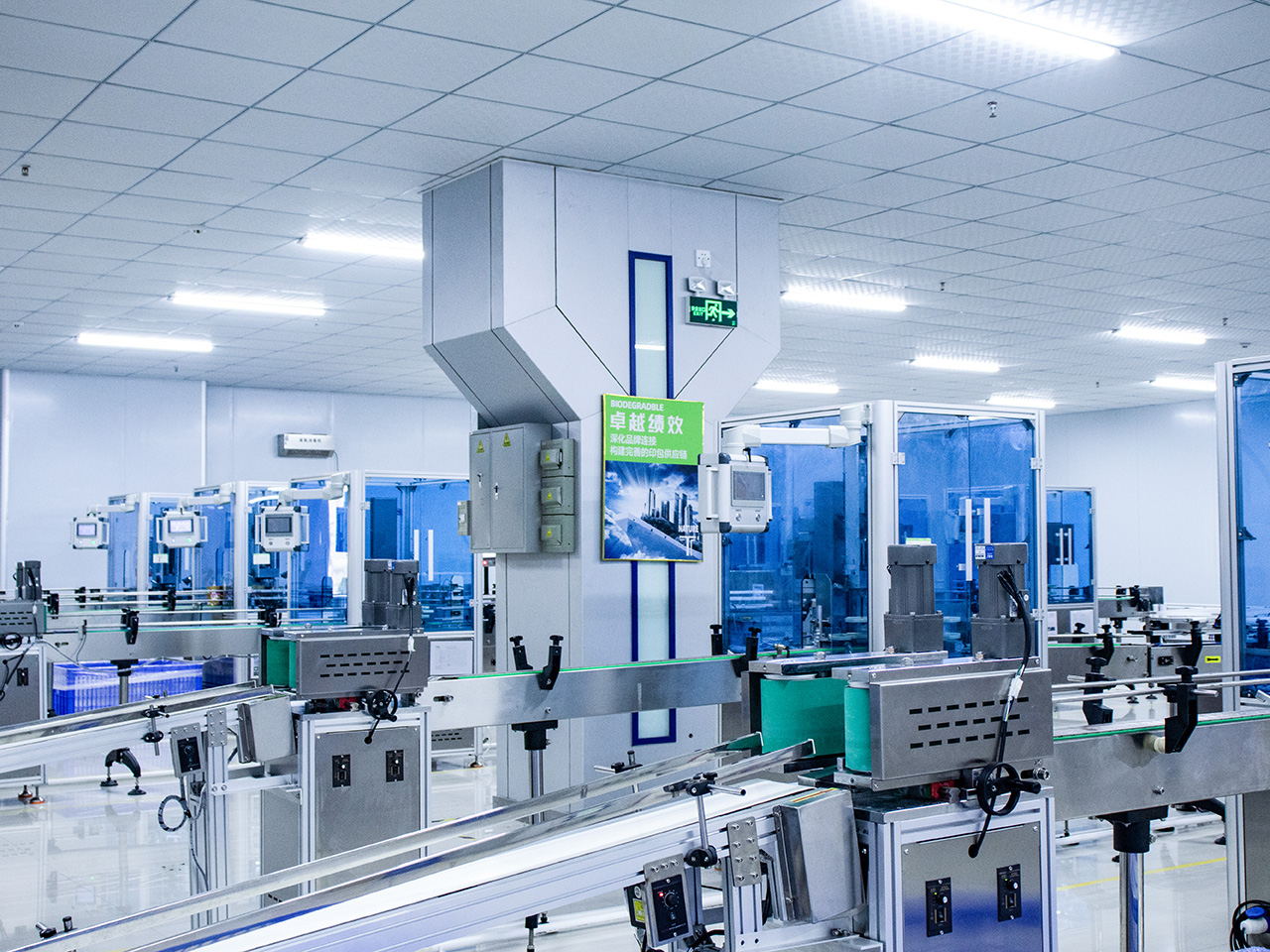
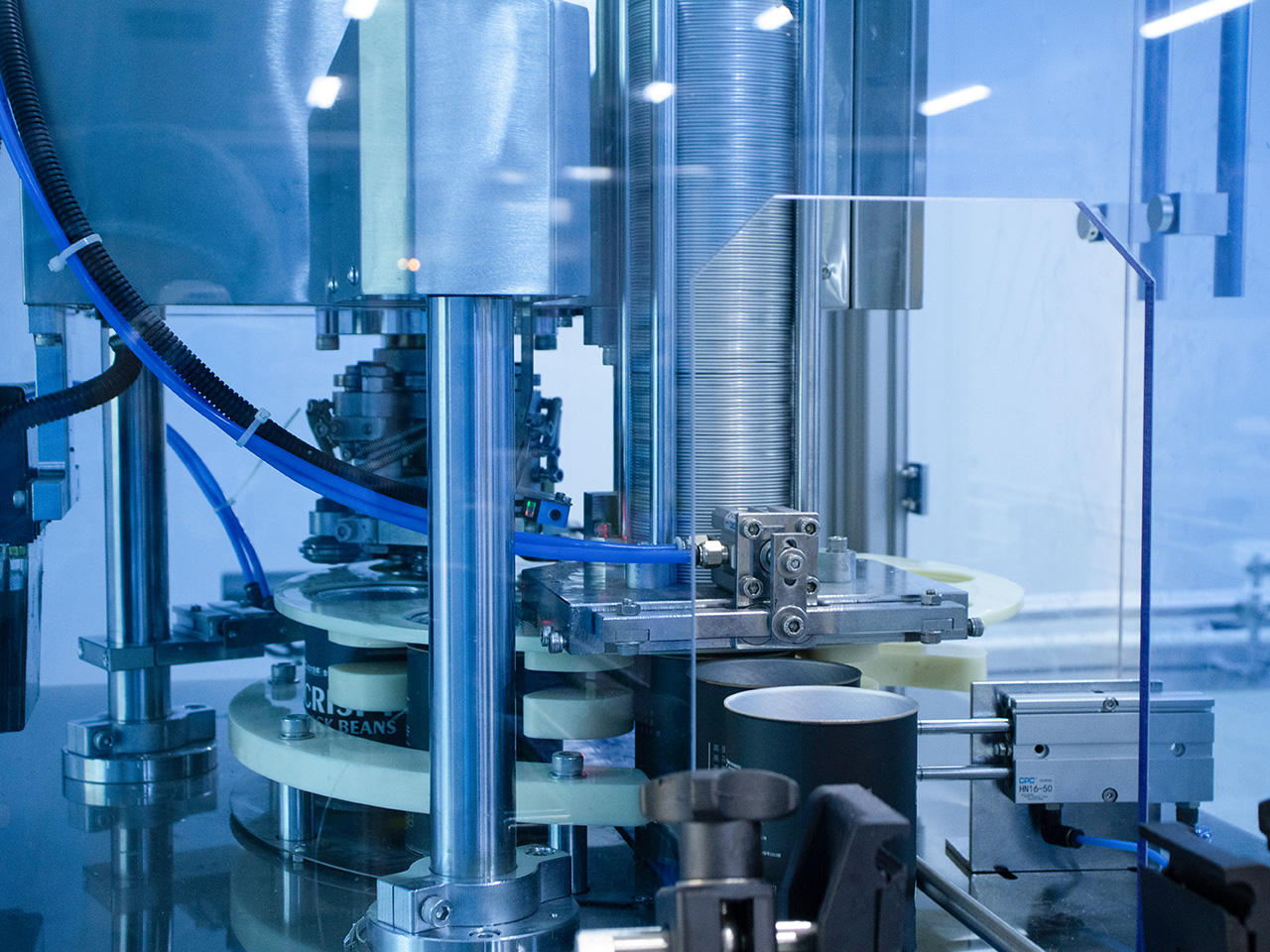
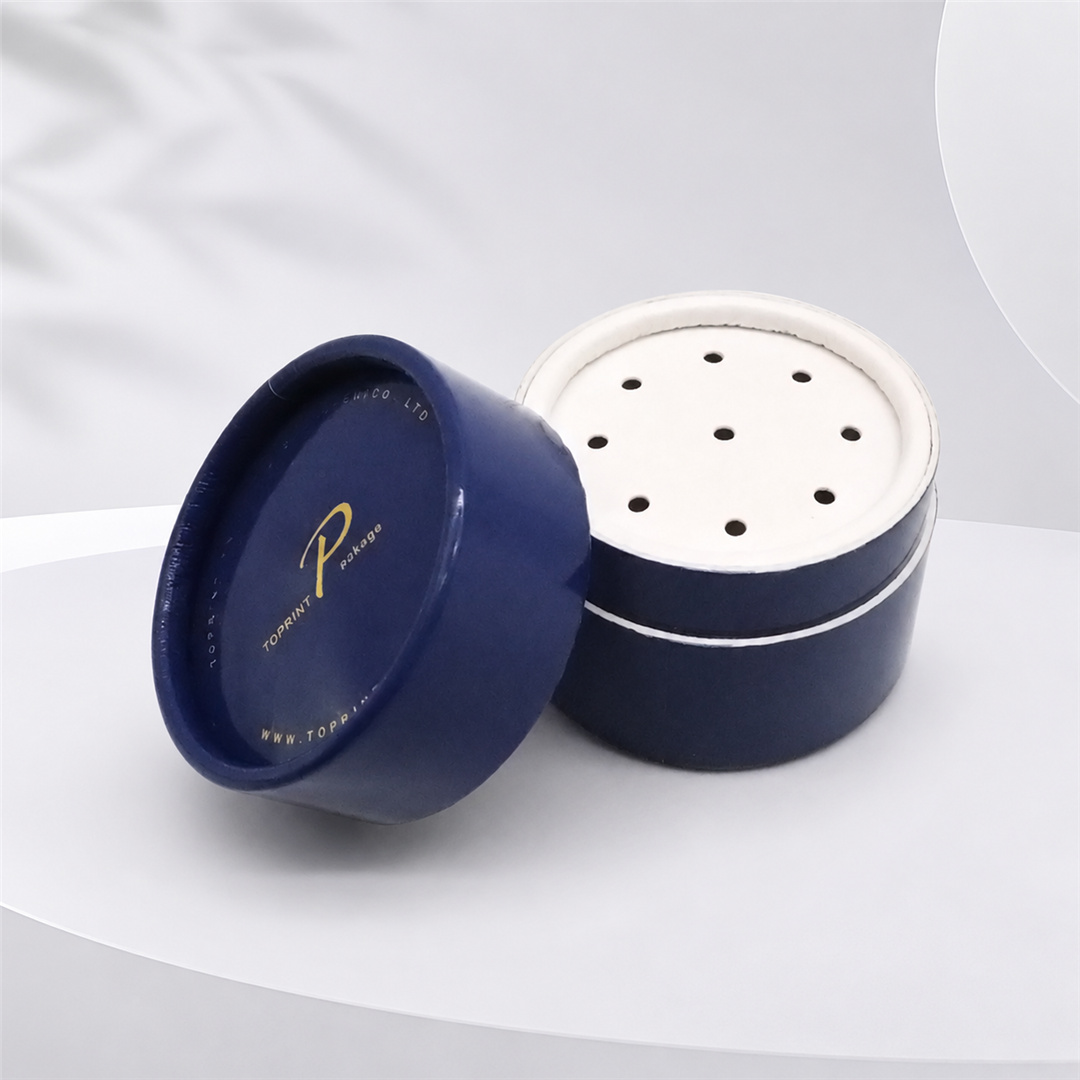
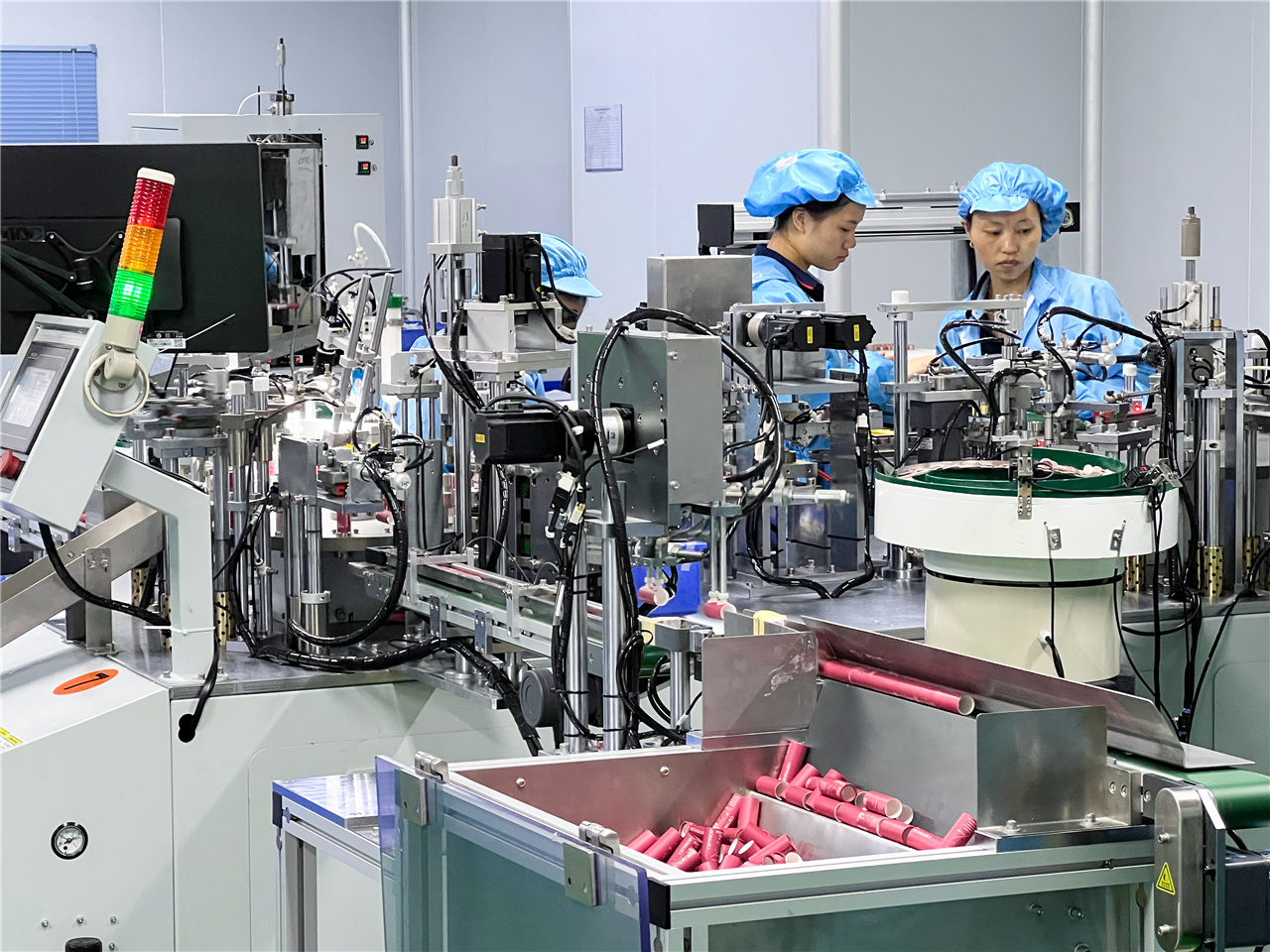
Consolidating these steps under a single, vertically integrated structural innovator mitigates these operational bottlenecks. Streamlining the supply chain involves designing unified packaging architectures—such as paper-based jars with integrated fiber sifters—that minimize the number of materials used and eliminate the need for complex, multi-location assembly. This structural optimization ensures that the entire container, from the cap to the base and the sifter, is engineered, tested, and manufactured in a single, controlled ecosystem.

One of the biggest concerns with paper-based packaging is moisture resistance. Loose powders are highly hygroscopic; exposure to air and humidity can cause them to cake, degrading the user experience. By deploying advanced waterproof paper technologies and barrier coatings, Nextruct has engineered paper jars that withstand high-humidity environments like bathrooms or tropical climates. These containers maintain structural integrity and protect the cosmetic formula inside, proving that paper can match the protective properties of traditional plastics.
As the beauty industry intersects with wellness, ingredients like CBD, active botanicals, and high-concentration mineral pigments are finding their way into loose powder formats. These active formulations often require Child-Resistant (CR) packaging to comply with regional safety standards. Traditionally, CR mechanism designs rely on complex multi-part plastic caps. By applying structural engineering to paperboard, Nextruct has developed plastic-free CR mechanisms that utilize push-and-turn paper locks, ensuring regulatory compliance while advancing a brand's plastic-free agenda.
For luxury beauty brands, weight and tactile feel are critical indicators of premium quality. Transitioning directly to 100% paper can sometimes feel like a compromise for high-end collections. The solution lies in hybrid packaging integration. By combining a recyclable glass base (for weight and product visibility) with a patented, FSC-certified paper-based cap and sifter assembly, brands can achieve a premium, weighted feel while eliminating over 70% of the plastic components typical of standard loose powder jars.


The global cosmetic packaging market is undergoing a rapid transition driven by consumer awareness and legislative mandates. The European Green Deal, the UK Plastic Packaging Tax, and various state-level bills in the United States are forcing brands to recalculate their reliance on virgin plastics. In this context, paper-based packaging has emerged as the most viable alternative. Modern consumers actively look for the FSC (Forest Stewardship Council) label and recyclable symbols when making purchasing decisions.
However, switching to sustainable materials is not without challenges. Paper reacts differently than plastic under stress, compression, and humidity. This is where structural engineering becomes the deciding factor between a successful product launch and a costly recall. By optimizing the fiber alignment, density, and natural coatings of paperboard, manufacturers can achieve structural strength that rivals molded plastics. This enables seamless integration into existing automatic cosmetic filling lines, minimizing the need for brands to reinvest in new machinery.
Beyond the material itself, streamlining the packaging supply chain has profound implications for logistics. Plastic jars are bulky and heavy, leading to high shipping emissions even when empty. In contrast, flat-packable or lightweight fiber containers reduce shipping weight and volume. When sourced from a single, vertically integrated manufacturer, the carbon footprint associated with inter-factory transportation of components is completely eliminated. Brands can receive fully integrated, ready-to-fill loose powder jars directly at their filling facilities, simplifying inventory management and reducing lead times from months to weeks.