Emerging Material Innovations in Cosmetic Packaging
To meet the diverse needs of scaling startups, packaging manufacturers are moving away from virgin plastics and introducing hybrid, bio-based, and fiber-based alternatives. Understanding these materials is crucial for any brand manager or startup founder looking to make informed procurement decisions.
1. FSC-Certified Paper and Kraft Board
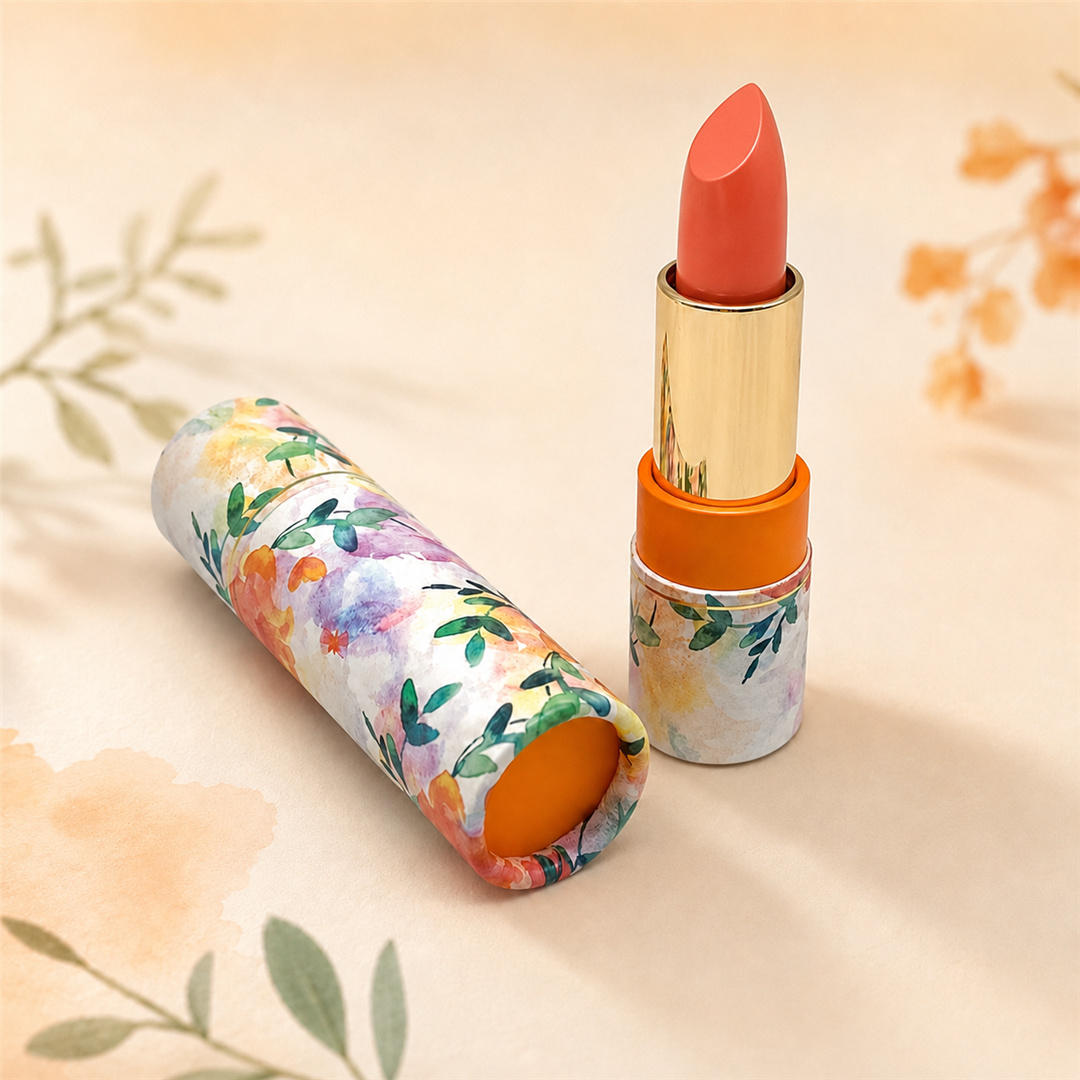
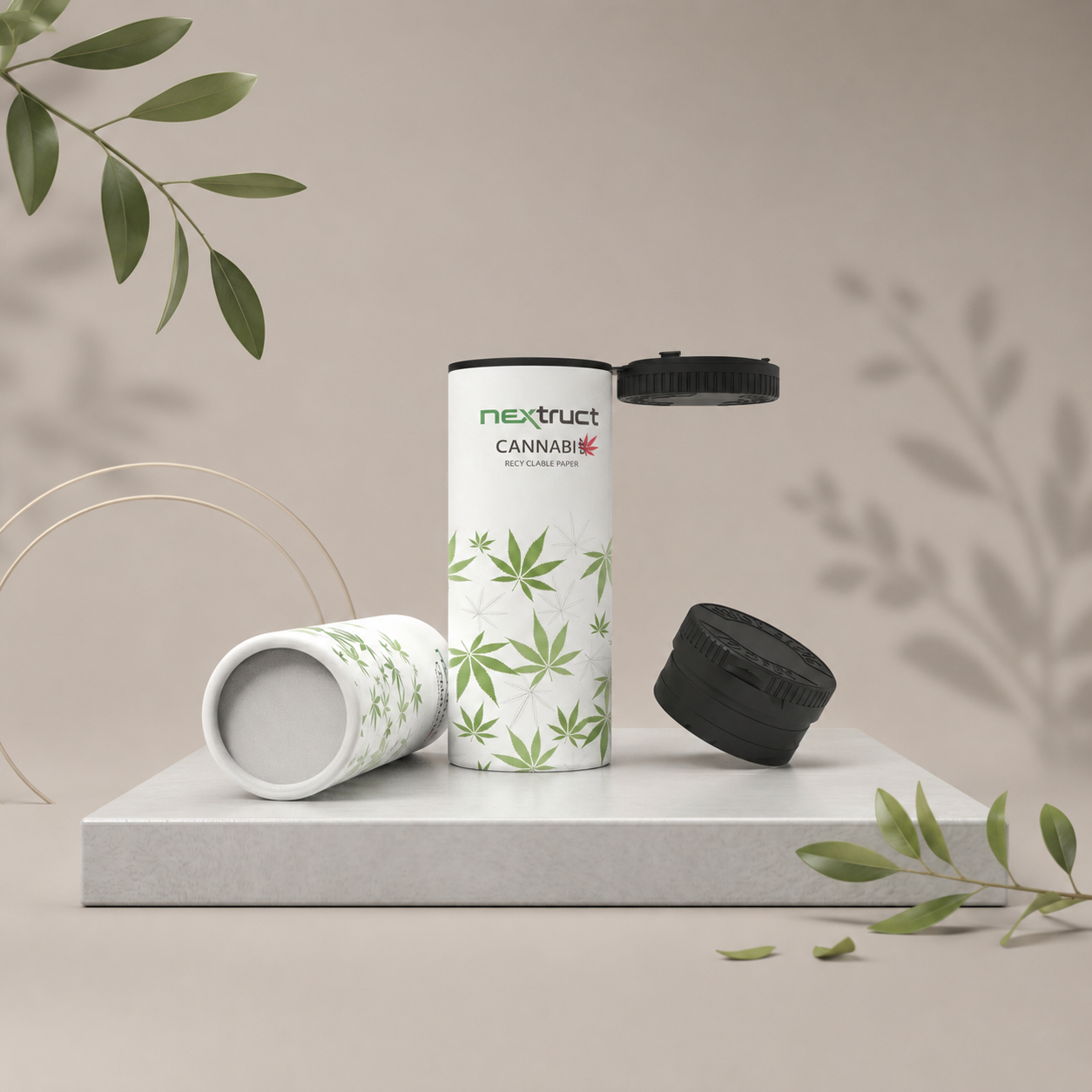
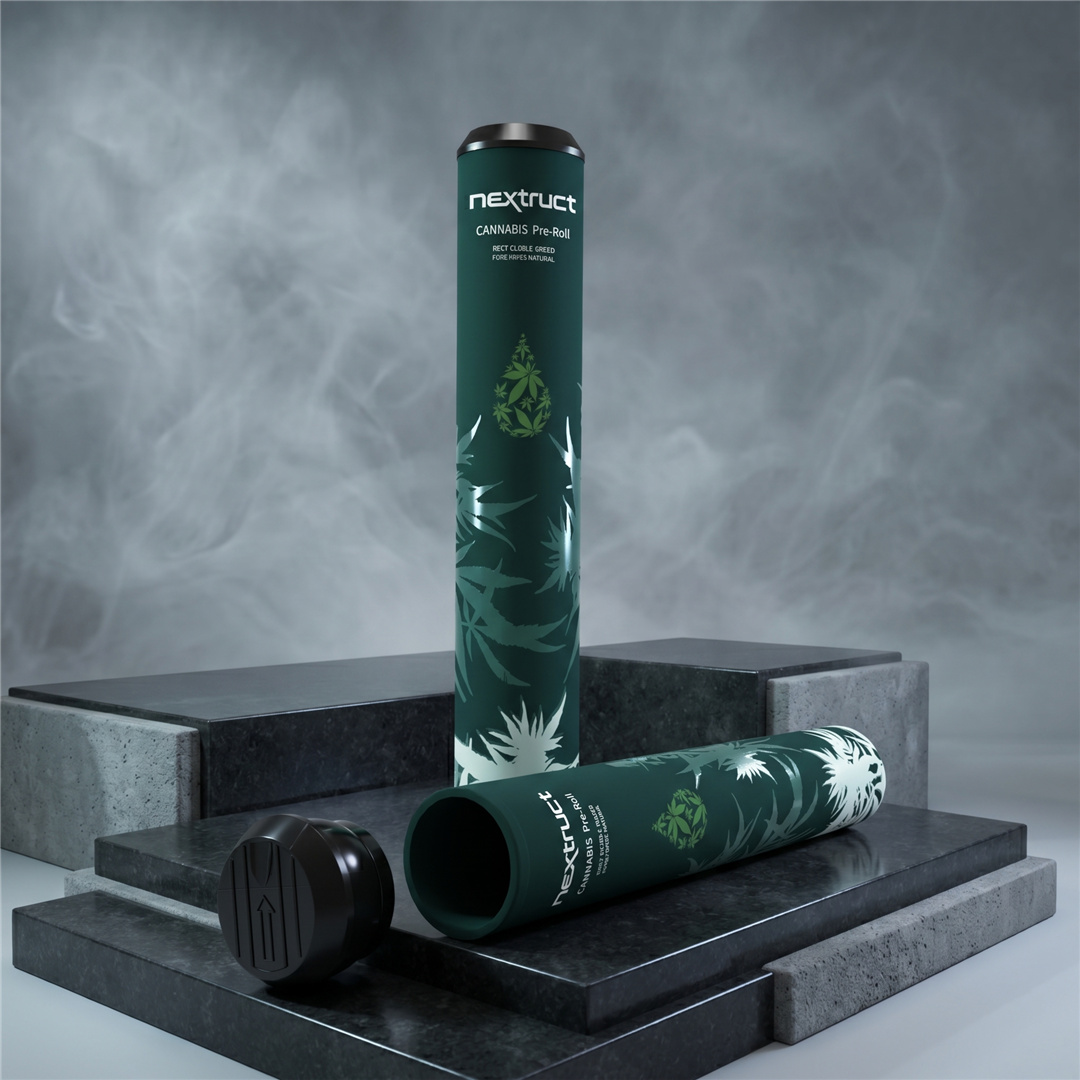
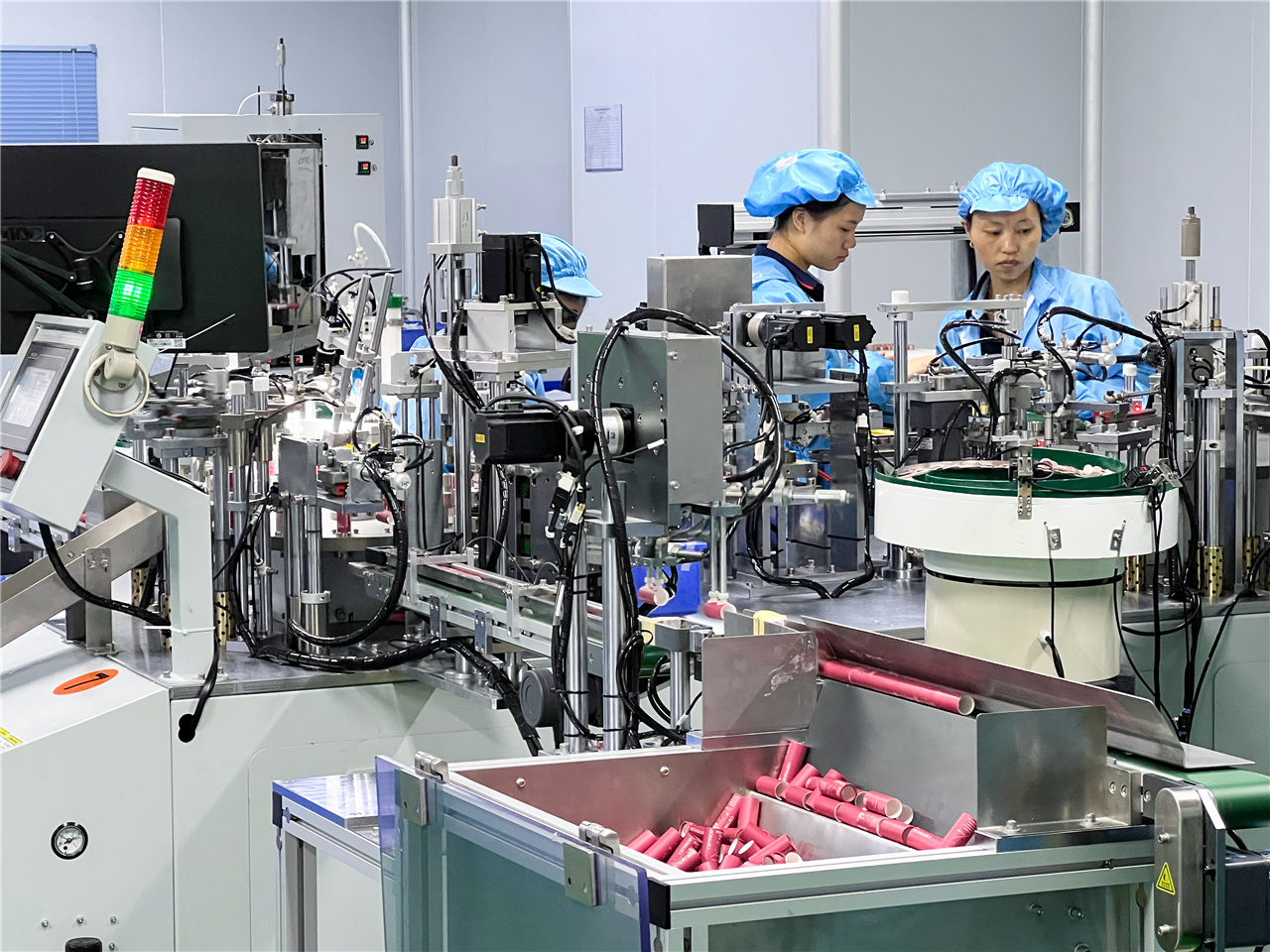
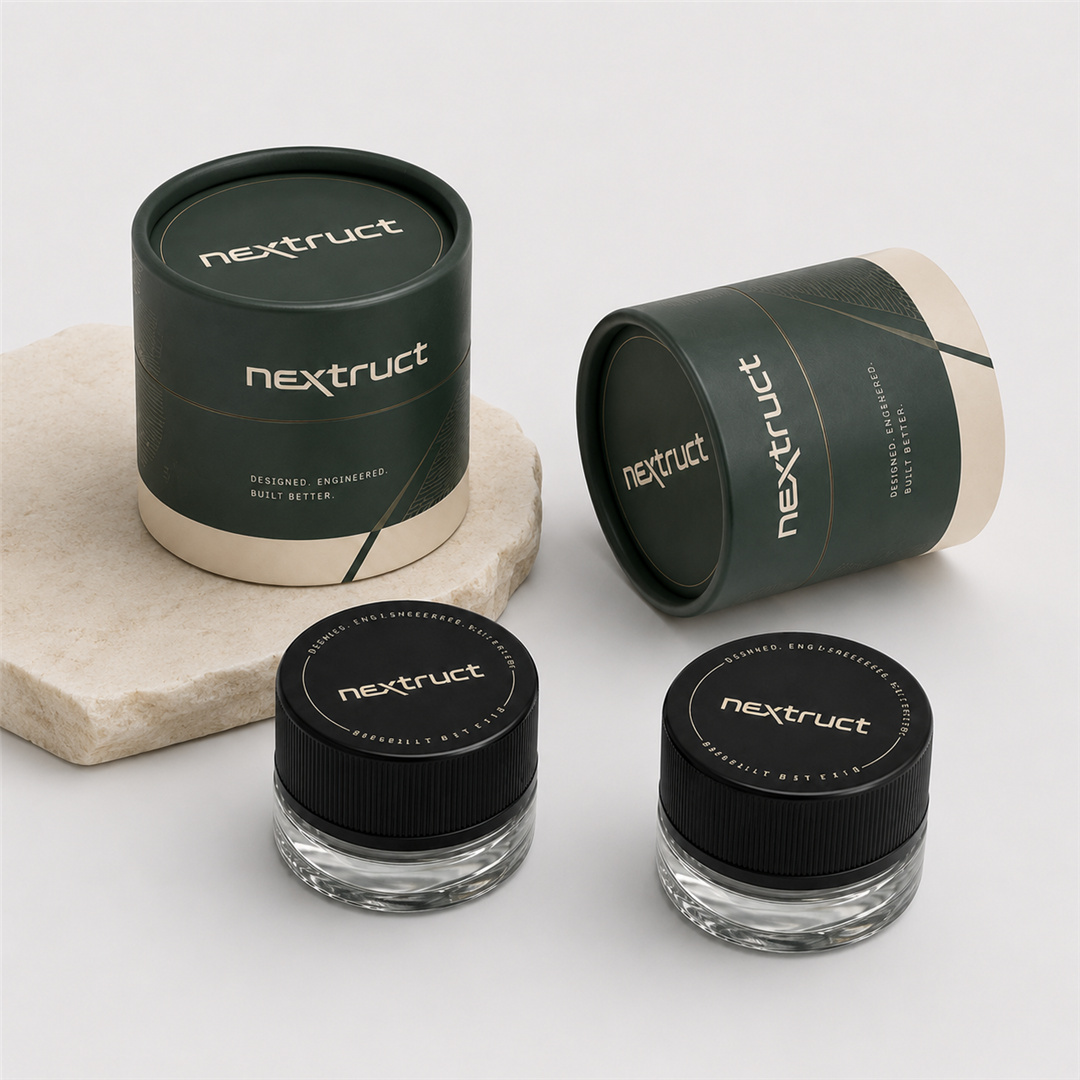
Forest Stewardship Council (FSC) certified paper is rapidly becoming the gold standard for outer packaging and structural inserts. Paper is naturally biodegradable, highly customizable, and offers a warm, tactile, organic feel that resonates with eco-conscious consumers. By utilizing advanced structural engineering, manufacturers can create rigid paper tubes that withstand the mechanical stresses of daily use without collapsing or tearing.
2. PCR (Post-Consumer Recycled) Plastics
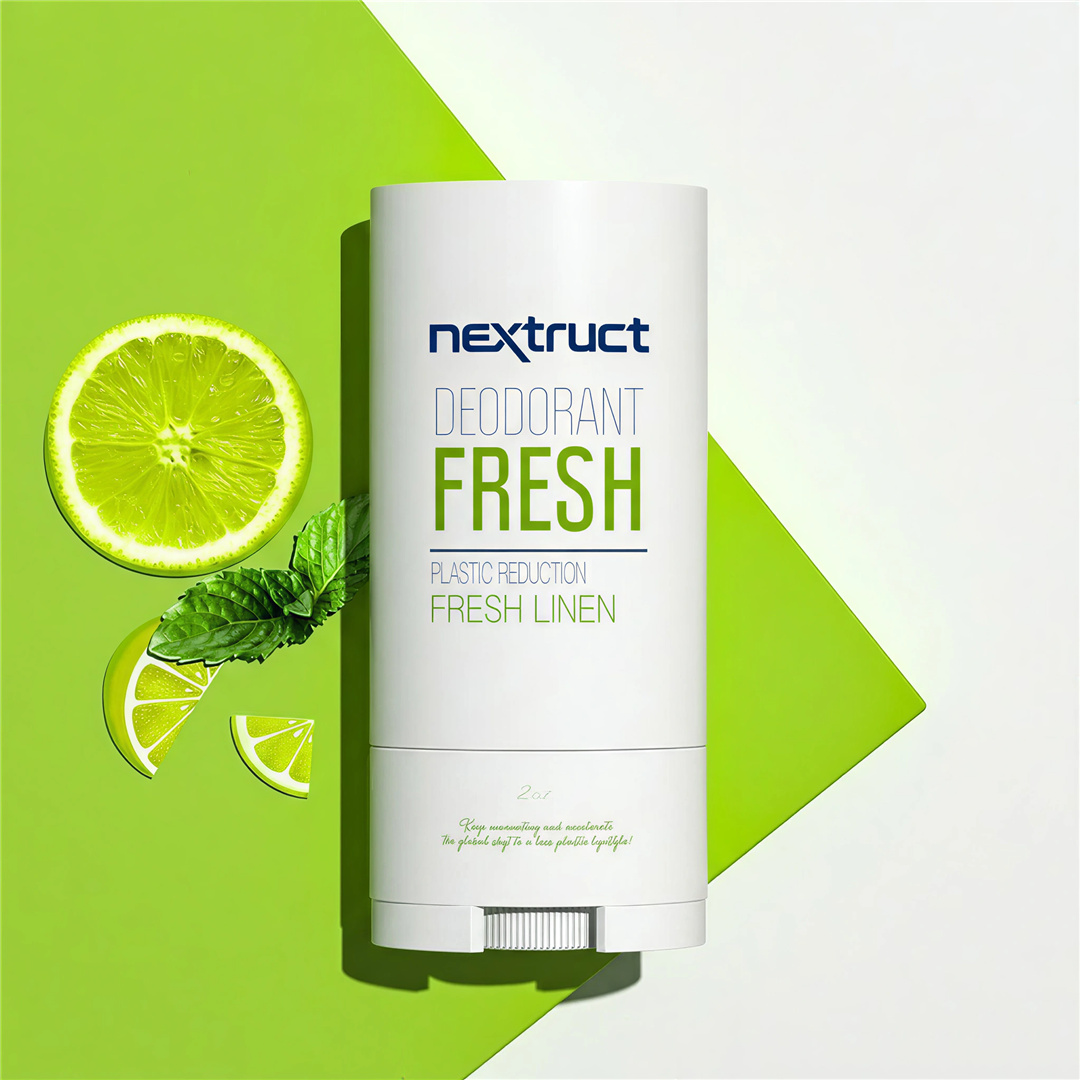
For components where paper cannot yet fully replace functional mechanics—such as the internal twist-up mechanism of a lipstick tube—Post-Consumer Recycled (PCR) plastics like PCR-PP or PCR-PET offer a viable compromise. By using plastics that have already been salvaged from the waste stream, brands reduce their carbon footprint and contribute to a circular economy. Combining PCR bases with paper sleeves creates a hybrid packaging solution that minimizes virgin plastic usage.
3. Refillable and Modular Systems
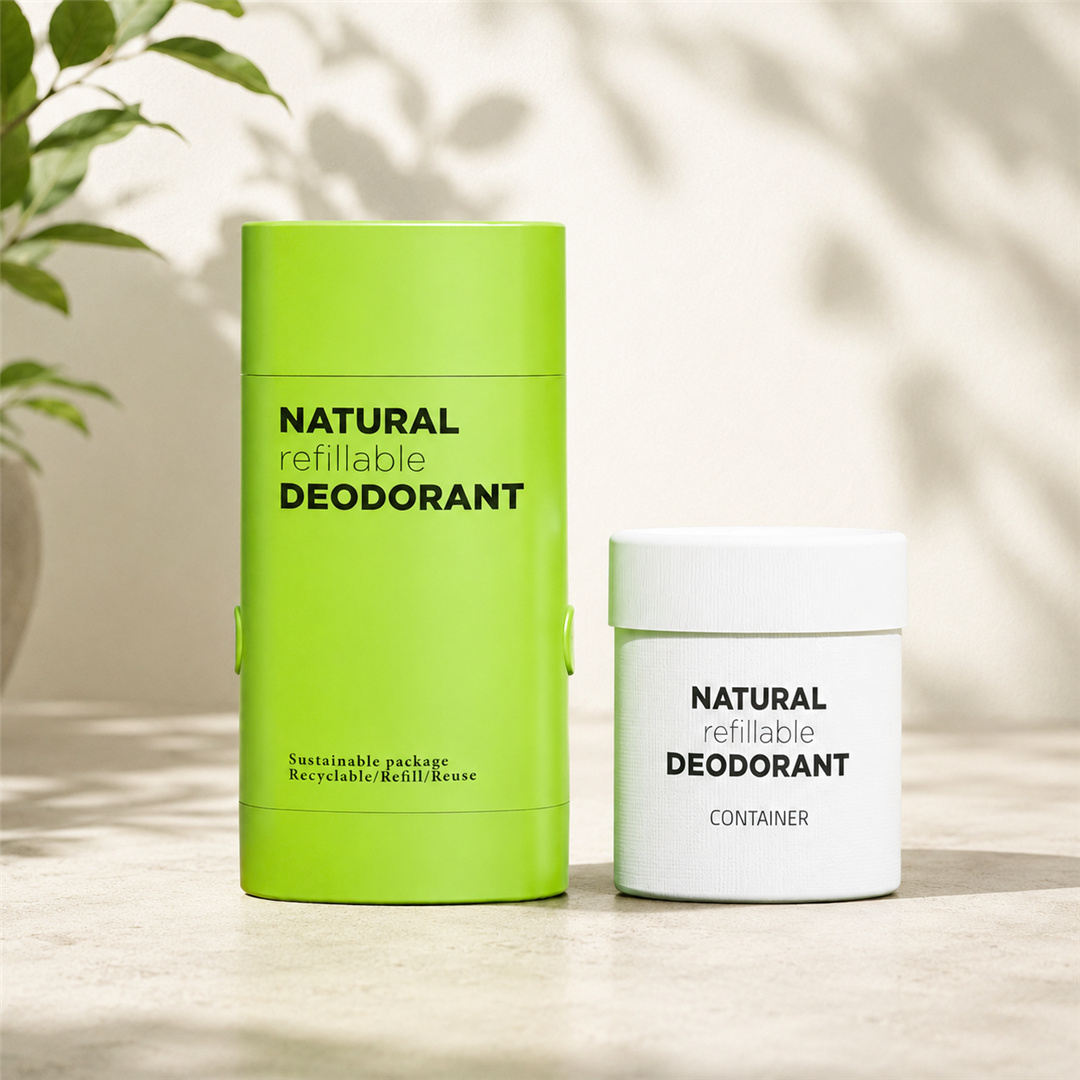
One of the most exciting trends in sustainable cosmetics is the rise of refillable packaging. In this model, the consumer purchases a premium, durable outer case (often made of metal, heavy glass, or rigid FSC paper) and simply replaces the inner product cartridge. This dramatically reduces waste over the product lifecycle and encourages repeat purchases, securing a higher customer lifetime value (LTV) for scaling startups.