Leave Your Message
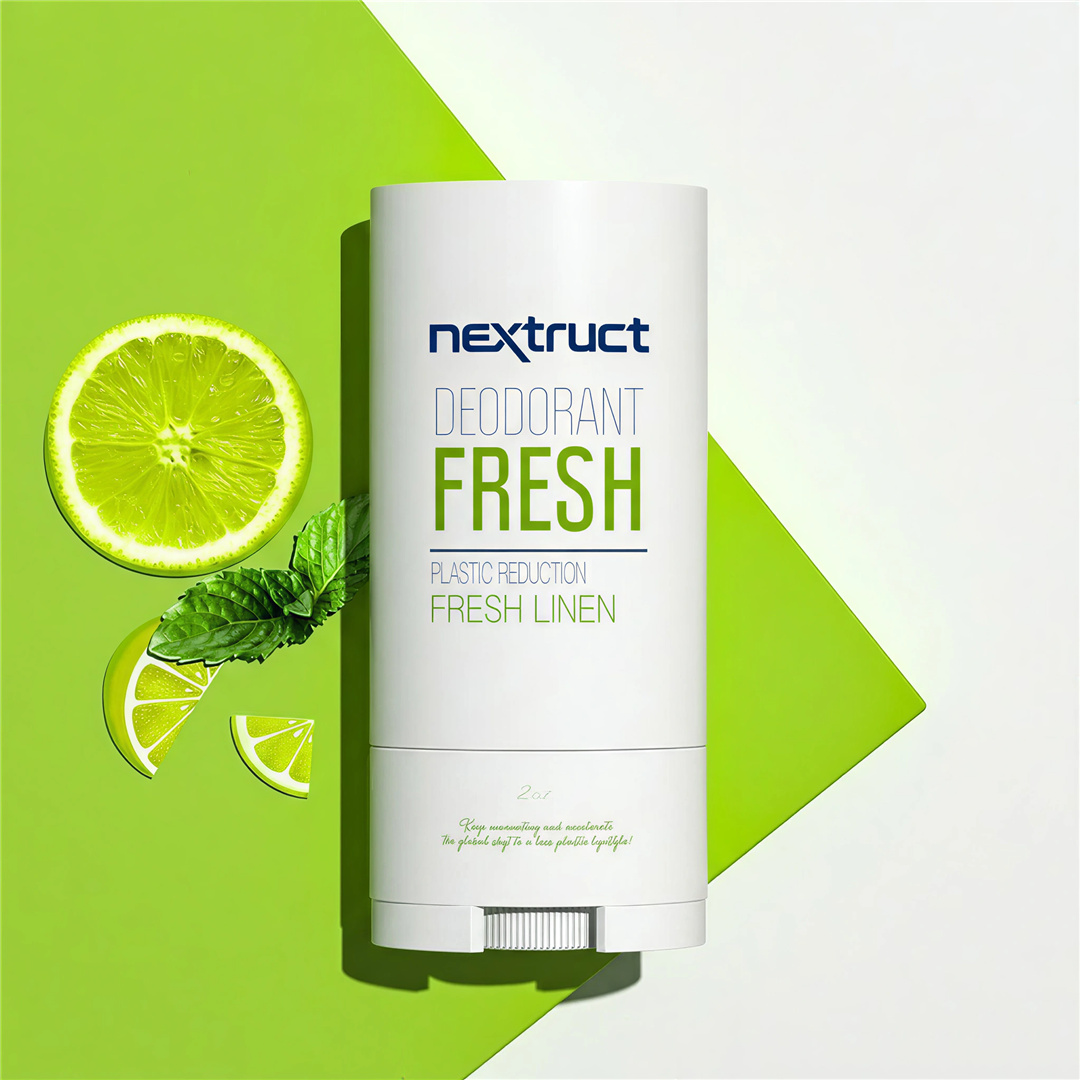

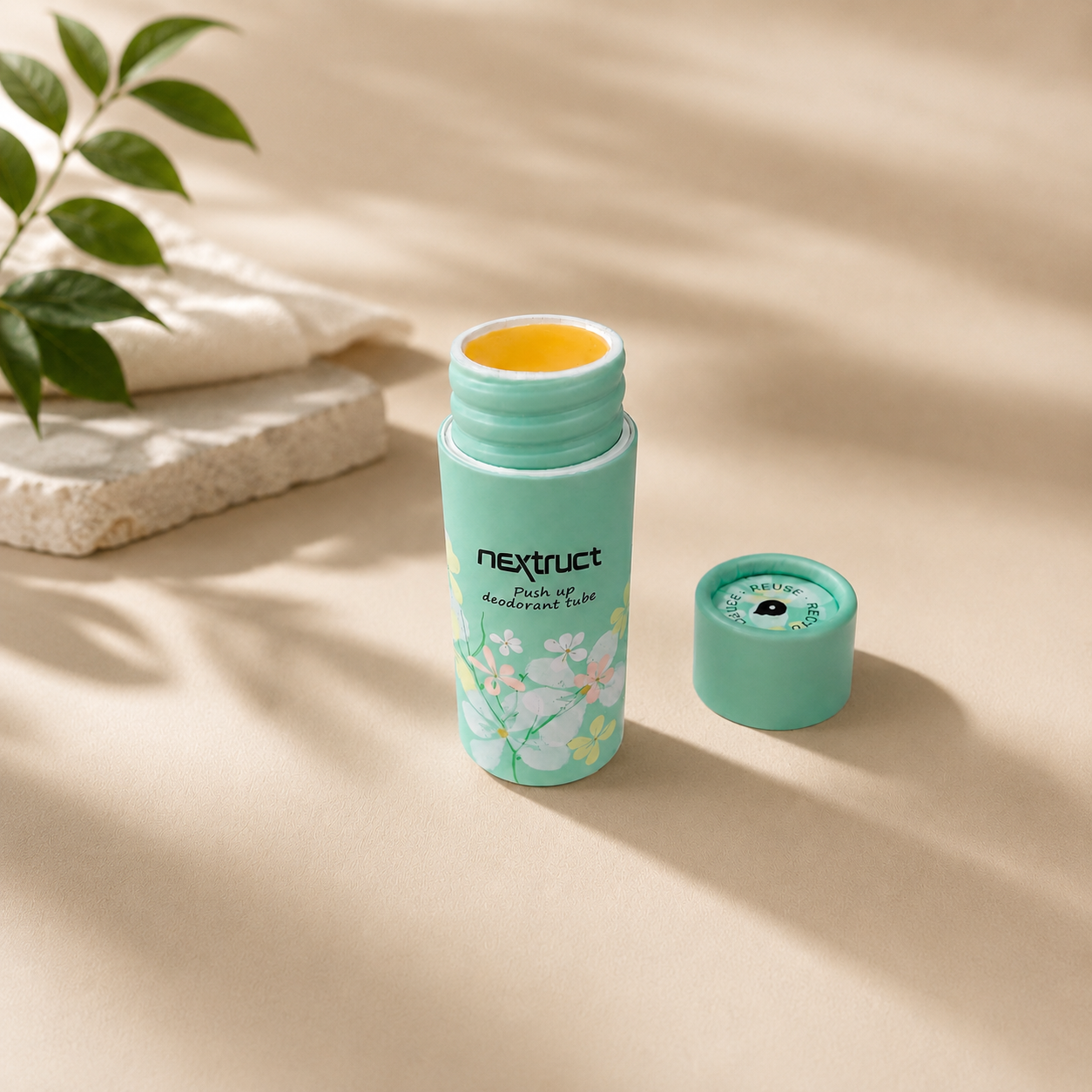
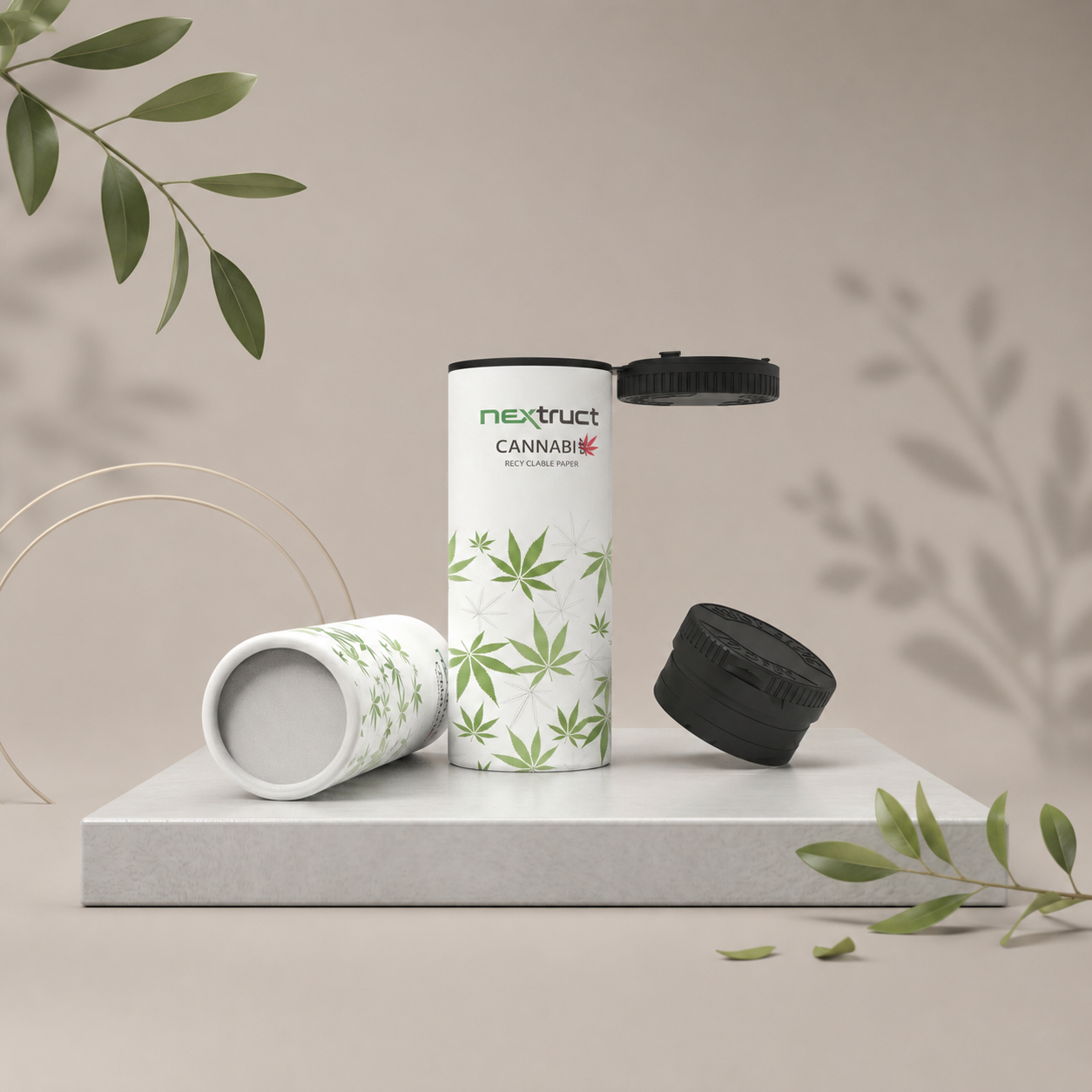
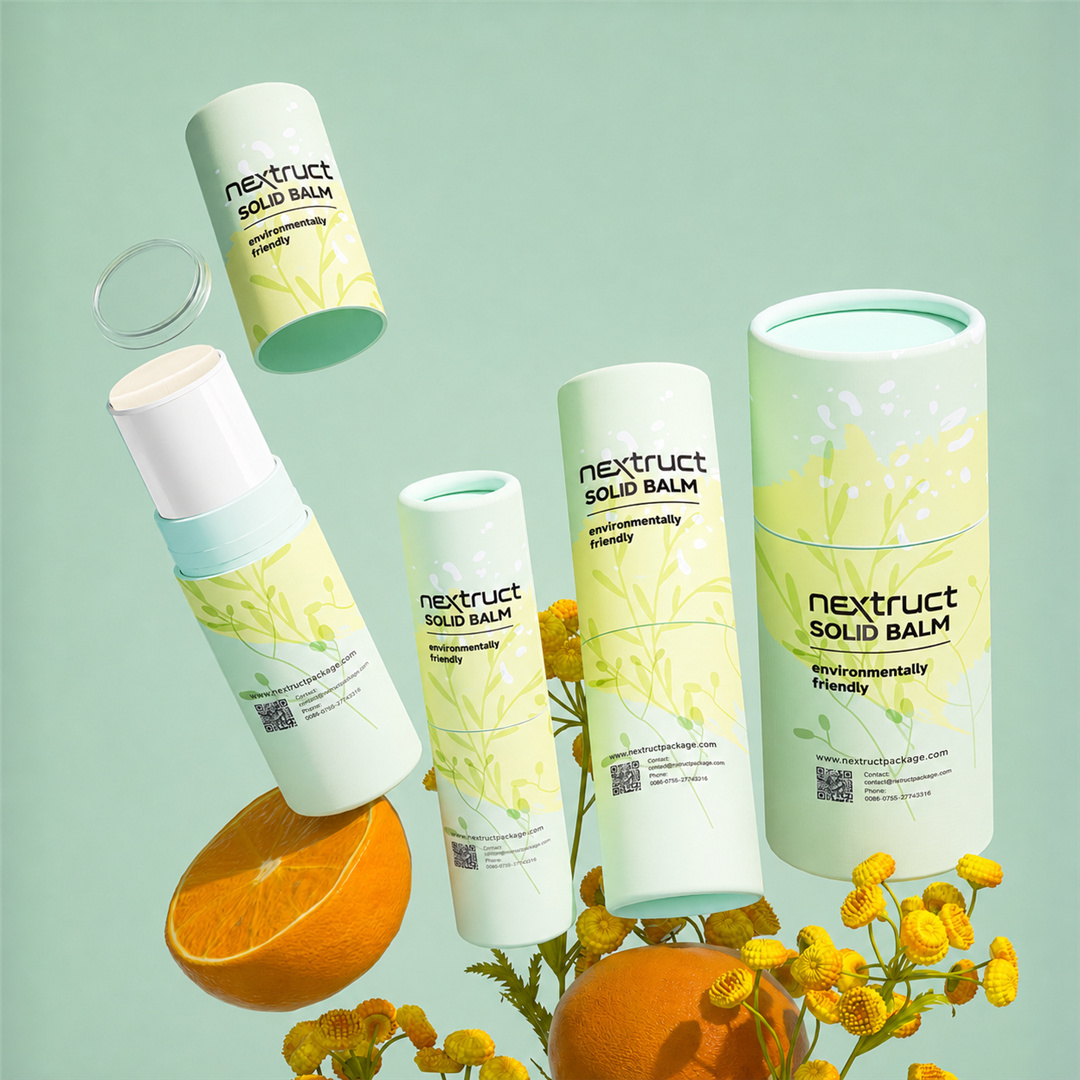
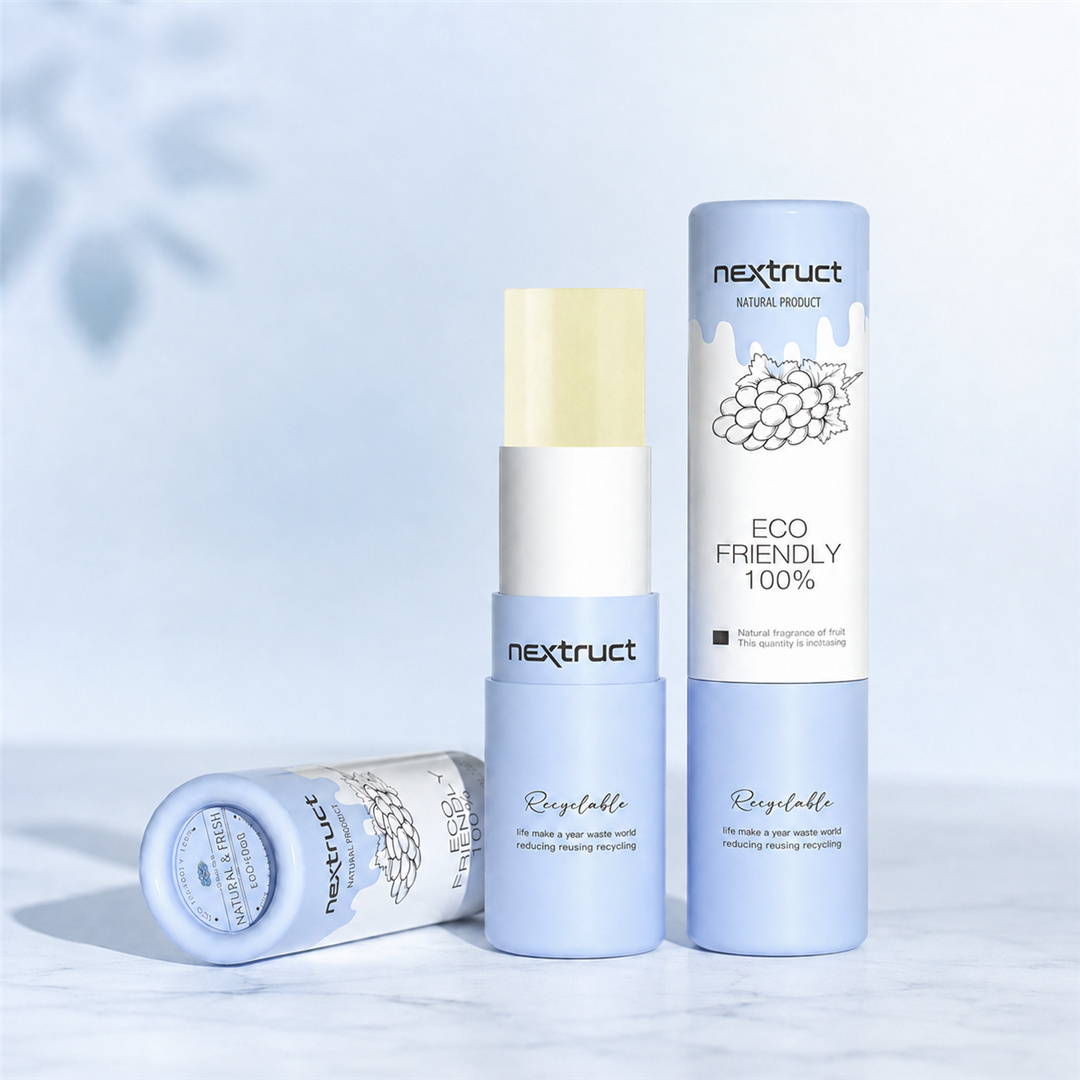
The global cosmetics industry is experiencing a profound paradigm shift. Today, a lipstick tube is no longer just a simple container to hold a color wax formula; it has evolved into a vital physical touchpoint between the consumer and the brand. In an era where digital presence and tactile experiences merge, the structural design of beauty products defines brand value, dictates user experience, and showcases environmental responsibility. The demand for "Lipstick Tube For Custom Structural Design For Beauty Products" has surged as brands look to move away from generic, off-the-shelf plastic packaging and transition toward high-performance, custom-engineered structures.
Custom structural design allows brands to stand out on crowded retail shelves and social media feeds. Whether it is an innovative twist-up system, a satisfying magnetic click closure, or an eco-friendly push-up mechanism, the structural engineering of a lipstick tube is critical. Beauty giants and emerging indie brands alike are investing heavily in customized mechanisms that ensure smooth operation, airtight sealing to protect delicate formulations, and premium weight distributions. This focus on structural integrity is transforming how cosmetic vessels are conceptualized, manufactured, and recycled globally.
From an industrial perspective, the manufacturing of custom lipstick tubes requires a high degree of technical precision. Unlike standard tubes, custom structural designs must balance aesthetics with complex internal mechanics. The twist-up mechanism, the internal cup that holds the lipstick bullet, and the outer shell must align with tolerances measured in micrometers. A minor deviation in the structural design can result in mechanical failure, such as the lipstick bullet breaking during application, the cap slipping off in a consumer's bag, or the formulation drying out due to inadequate sealing.
Moreover, global regulatory frameworks are pushing the cosmetics packaging market toward circularity. Single-use plastics are being heavily scrutinized, forcing manufacturers to innovate with alternative materials. This has given rise to hybrid packaging solutions that integrate paper fiber, post-consumer recycled (PCR) plastics, aluminum, and glass. The challenge lies in ensuring these diverse materials work in harmony. For instance, combining a biodegradable paper-based outer shell with a high-performance PCR-PP inner core requires specialized structural engineering to guarantee durability, waterproof capabilities, and a luxury tactile feel.

Custom structural design is not a one-size-fits-all solution; it is tailored to specific brand values, product formulations, and consumer demographics. Here, we analyze the primary application scenarios where custom-engineered lipstick tubes make a significant business impact:

The transition toward eco-friendly packaging has sparked intense material innovation in the beauty sector. Brands are no longer restricted to choosing between standard plastic and basic cardboard. The next generation of cosmetic packaging utilizes advanced, hybrid material configurations designed to maximize performance while minimizing carbon footprint:
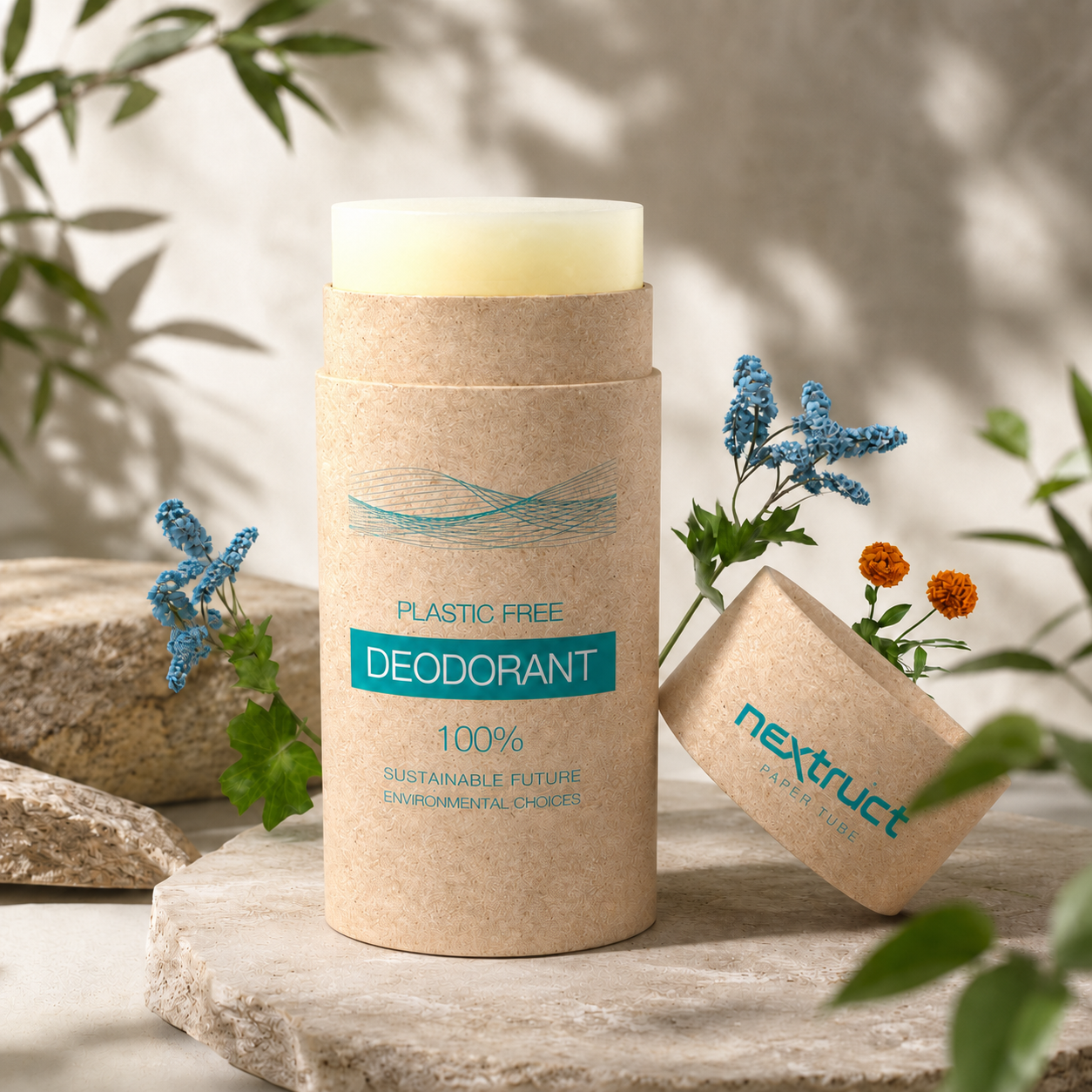
FSC-Certified Paperboard: Sourced from responsibly managed forests, high-density fiberboard offers incredible structural rigidity. It serves as a highly customizable canvas for branding, allowing for premium techniques like multi-level embossing, debossing, and hot foil stamping using non-toxic, soy-based inks. The tactile warmth of paper provides a distinct contrast to the cold feel of traditional plastics.
Post-Consumer Recycled (PCR) Plastics: By repurposing ocean-bound or post-industrial plastics, PCR-PP and PCR-PET components reduce the reliance on virgin fossil fuels. In custom lipstick structures, PCR plastic is often utilized for the complex internal mechanisms (like the spiral and cup) where high dimensional stability is required, ensuring the mechanical performance remains flawless.
Mono-Material Integration: One of the biggest challenges in recycling cosmetics packaging is the multi-material nature of traditional lipstick tubes. Modern structural engineering is focusing on mono-material designs—where the entire packaging assembly is made from a single material family (e.g., 100% PP or 100% paper). This allows consumers to dispose of the empty tube directly into standard recycling bins without the need for complex disassembly, significantly increasing recycling success rates.
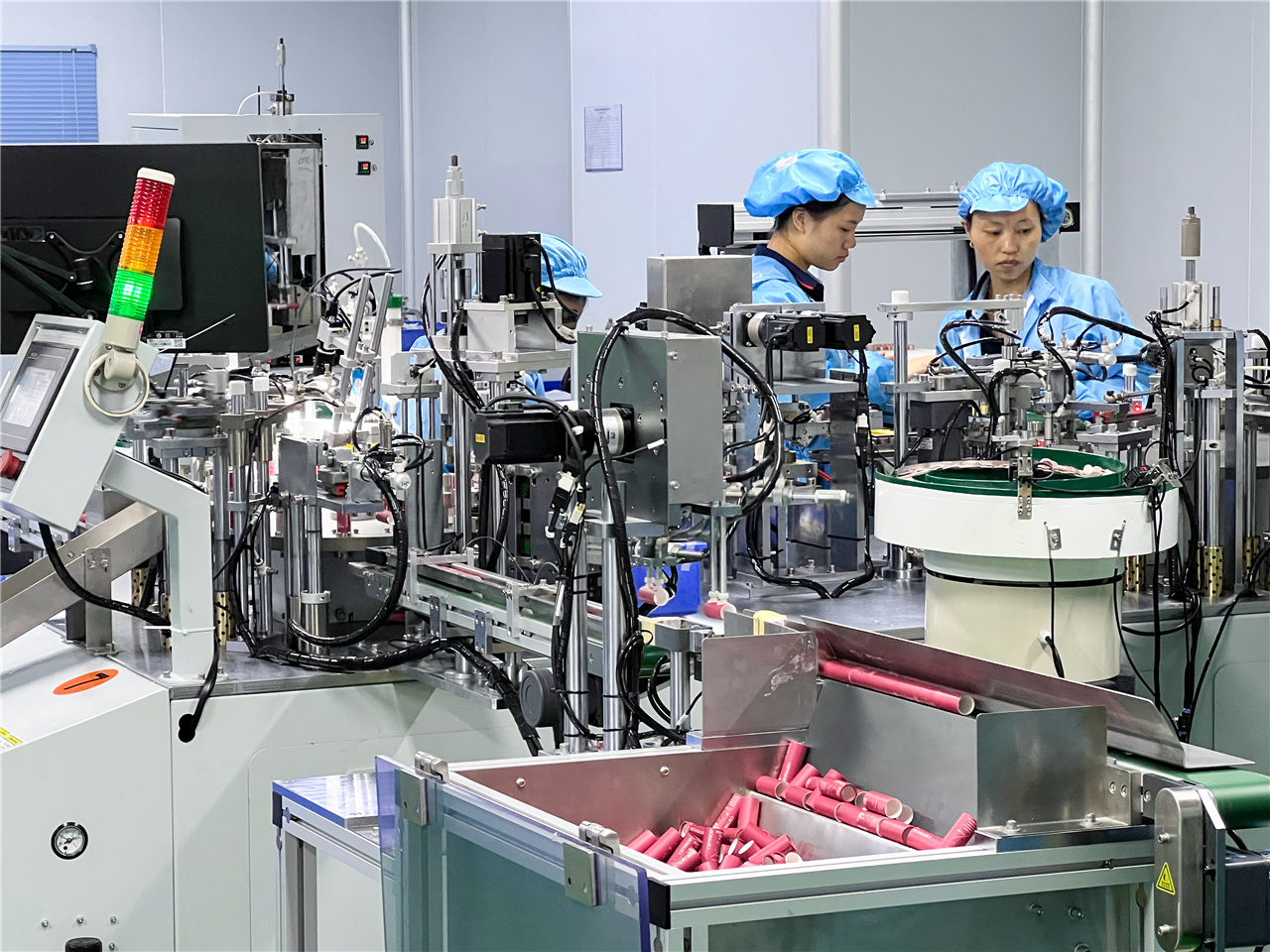
We integrate structural engineering and design capabilities with a global supply chain to provide end-to-end solutions from concept development to mass production and delivery, helping brands achieve packaging innovation and market differentiation.
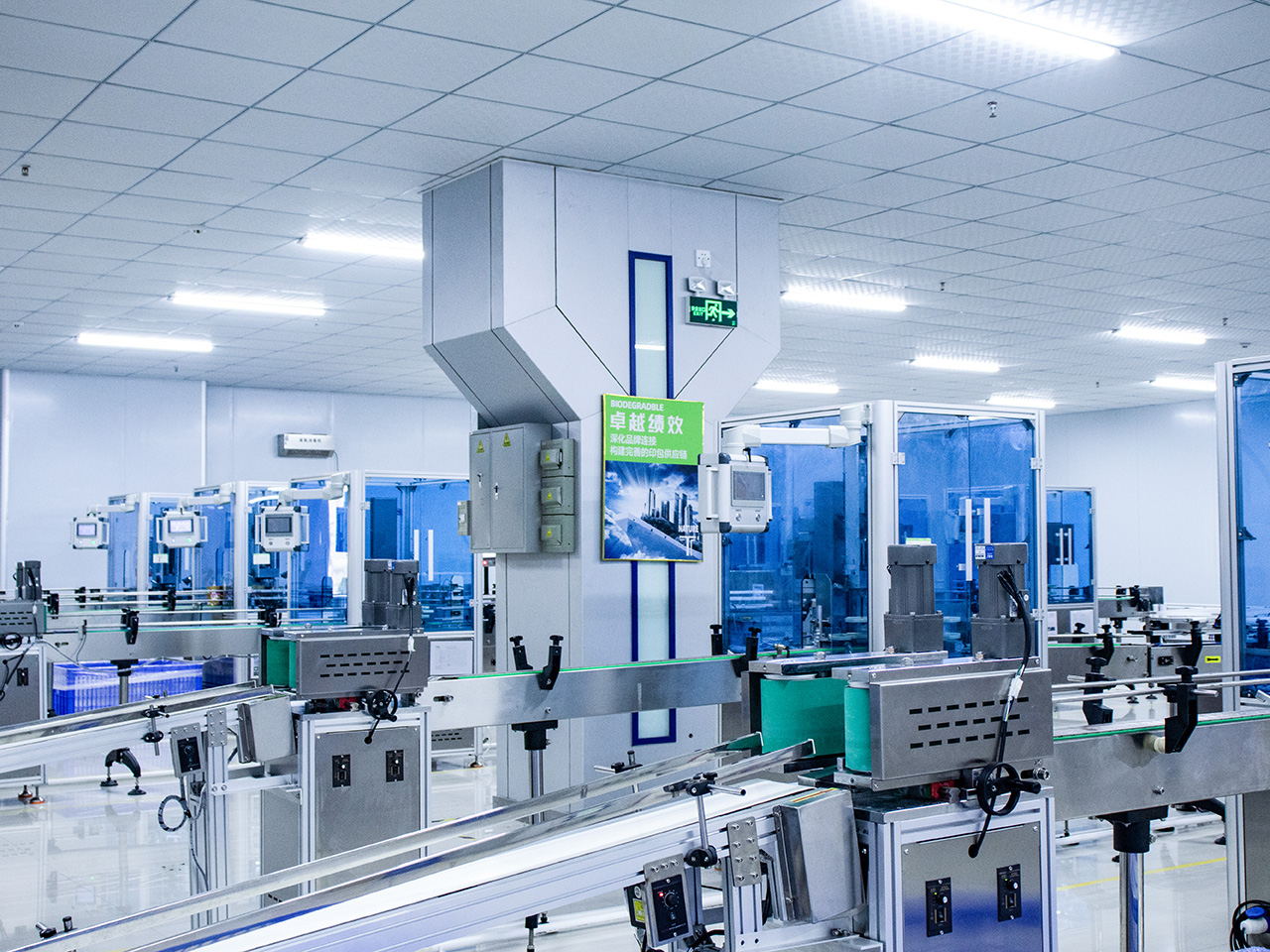
Nextruct strictly adheres to three ISO management systems and the SA8000 social responsibility standard, and holds FSC certification, ensuring its production and supply chain are compliant and well-regulated, providing global clients with compliant, high-quality, and environmentally friendly product solutions.
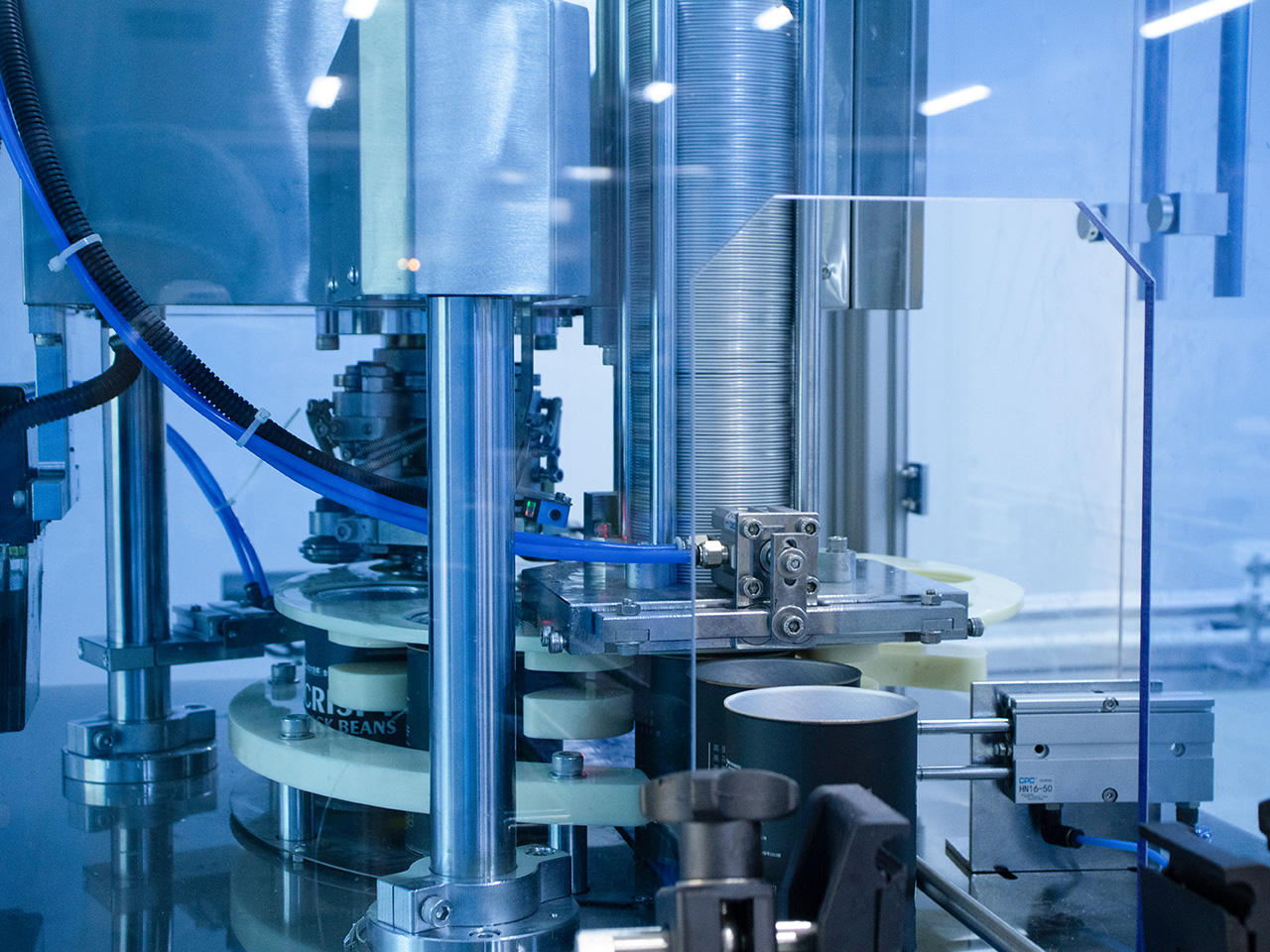
More than a regular packaging supplier, we serve as your reliable long-term ally to advance continuous packaging innovation.