The Paradigm Shift in Green Cosmetics: The Role of Lipstick Paper Tubes
The global cosmetics industry is experiencing a profound transformation. For decades, primary cosmetic packaging relied heavily on complex, multi-layered plastic components. These materials, while cheap and durable, presented massive environmental challenges. Lipsticks and lip balms, in particular, represent a significant portion of this waste. Because of their small size, mixed materials (often combining plastic, metal springs, and glue), and product residue, traditional lipstick tubes are virtually impossible to recycle in standard municipal recycling streams.
As environmental consciousness transitions from a niche consumer preference to a mainstream market driver, scaling startups are uniquely positioned to lead the charge. These agile brands are not weighed down by legacy supply chains or outdated machinery. Instead, they can build their brand identity around sustainability from day one. In this context, the lipstick paper tube has emerged as the gold standard for startups seeking to satisfy both consumer demand and strict regulatory standards without sacrificing aesthetic appeal or functionality.
According to recent consumer behavior studies, over 74% of consumers are willing to pay more for sustainable packaging. For a scaling startup, utilizing paper-based structures is a direct channel to building brand trust, increasing customer lifetime value, and securing premium retail shelf space.
Commercial and Industrial Landscape of Sustainable Cosmetic Packaging
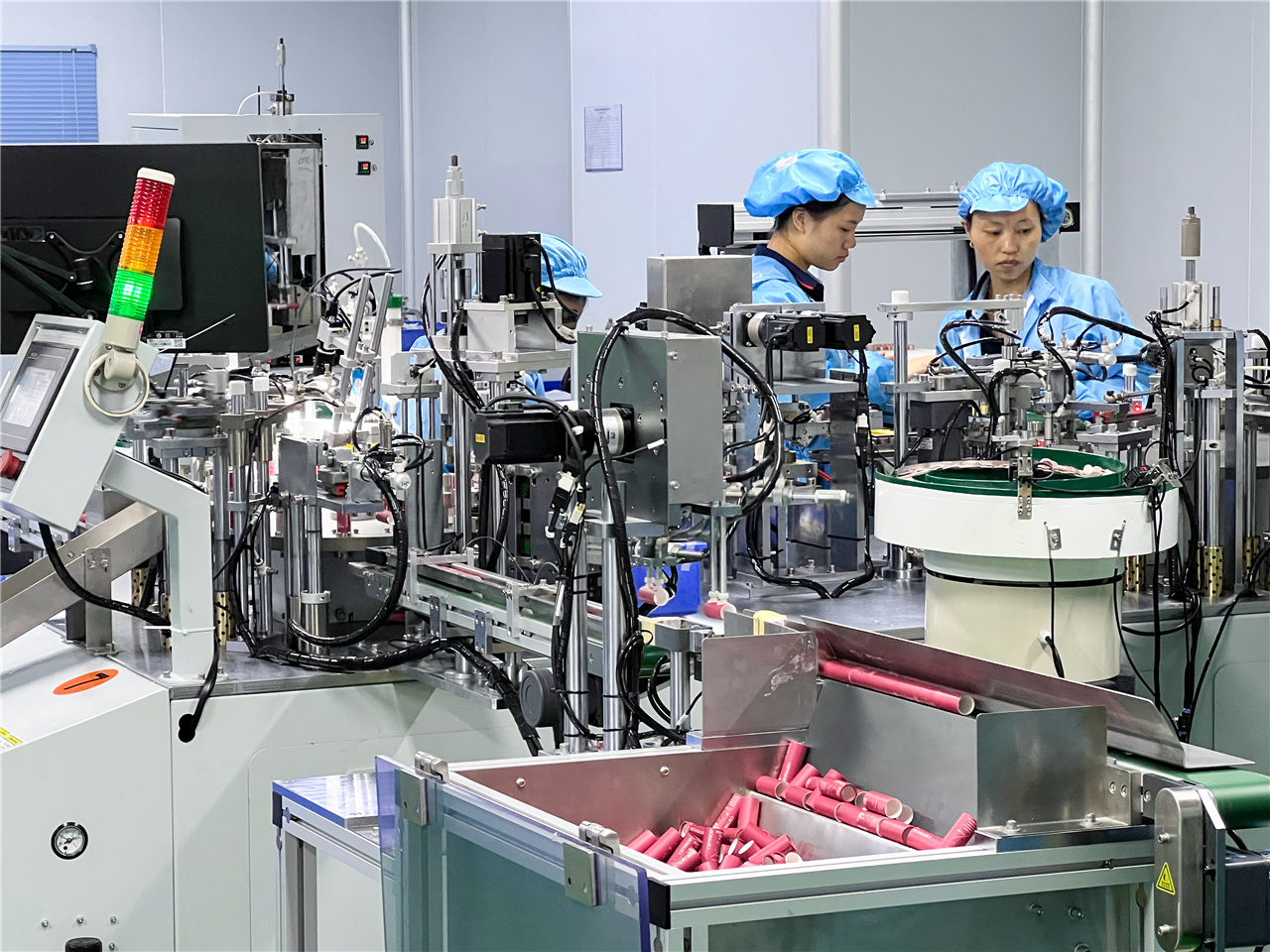
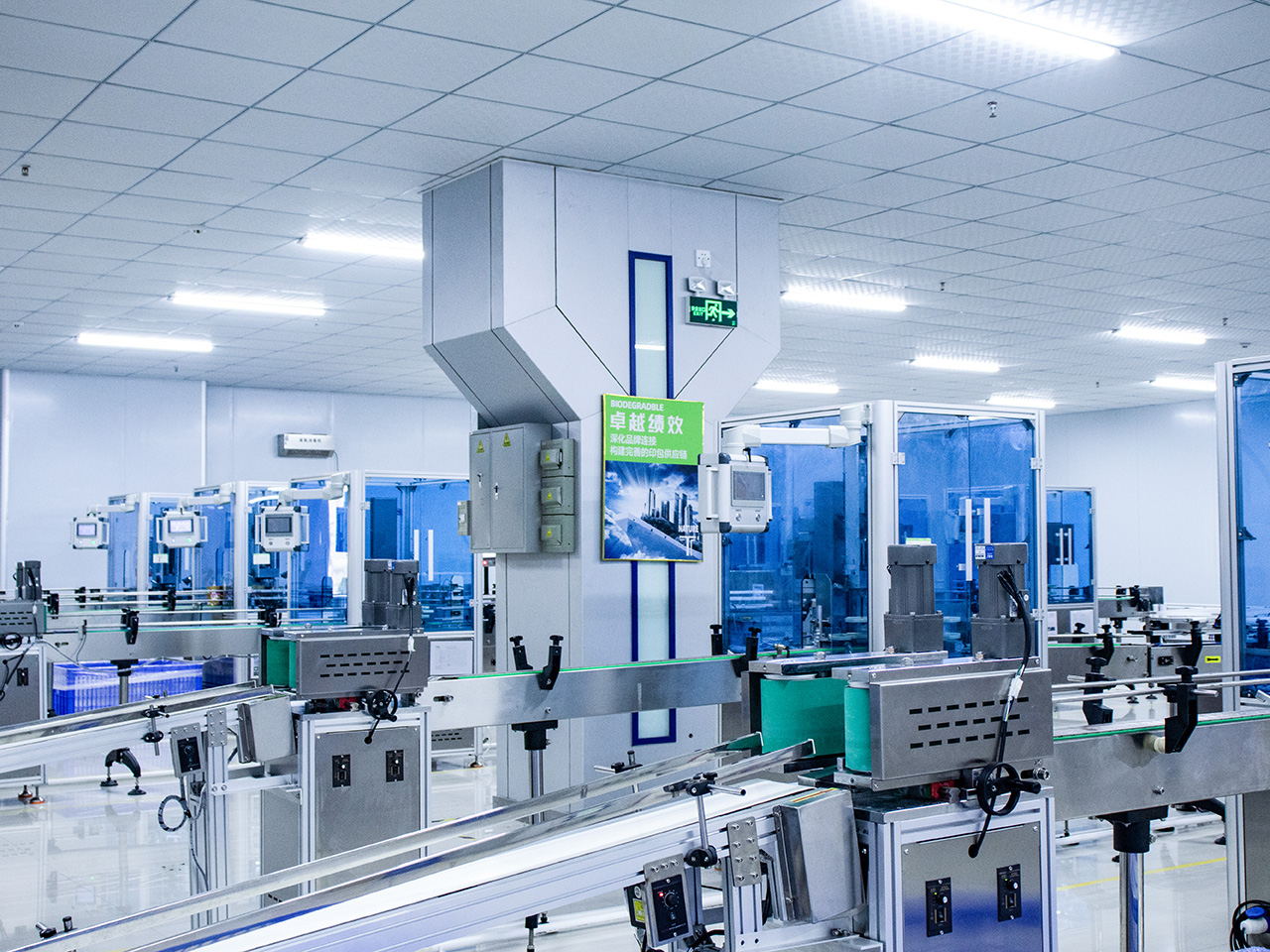
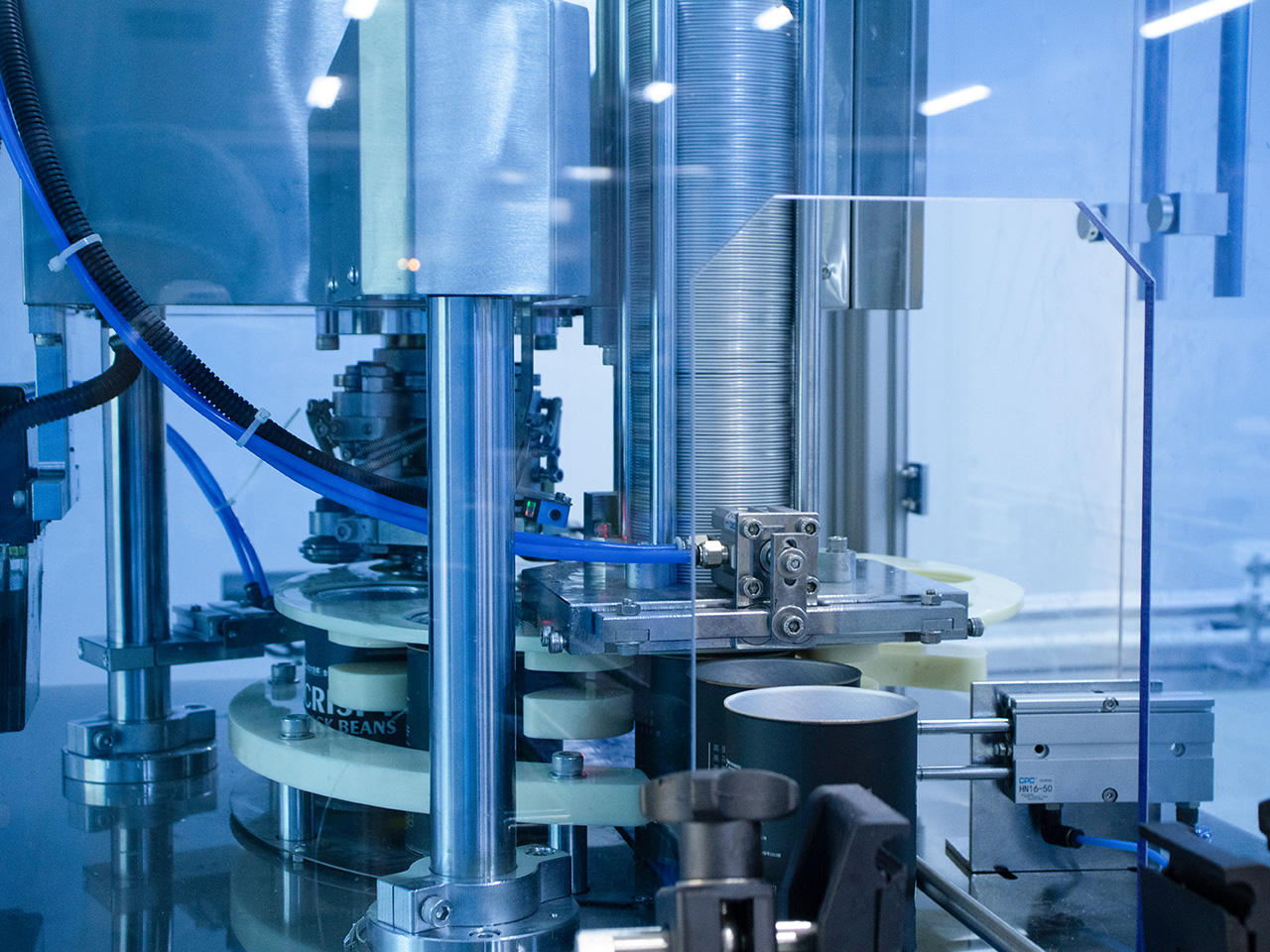
From an industrial perspective, the transition to paper-based primary packaging is supported by rapid advancements in material science and manufacturing technology. Historically, paper packaging was criticized for being structurally weak, vulnerable to moisture, and limited in design flexibility. Today, modern structural engineering has completely rewritten this narrative.
The current industrial landscape is characterized by the integration of high-barrier coatings, biodegradable linings, and hybrid materials that combine fiber with minimal, recyclable glass or PCR (Post-Consumer Recycled) plastics. These innovations ensure that the paper tube protects the formula from oxidation, moisture loss, and bacterial contamination just as effectively as traditional plastic containers.
Commercially, the regulatory environment is also forcing change. Governments worldwide are implementing stricter laws regarding single-use plastics. The European Union’s Packaging and Packaging Waste Regulation (PPWR) and various state-level plastic taxes in the United States are placing financial and operational burdens on brands that continue to rely on virgin plastics. For a scaling startup, adopting lipstick paper tubes early is a strategic move to future-proof their supply chain and avoid costly packaging redesigns later.
Deep-Dive Application Scenarios for Scaling Startups
1. Direct-to-Consumer (DTC) E-Commerce & Logistics Optimization
Many beauty startups begin their journey online, selling directly to consumers. In the DTC model, packaging must survive the rigors of shipping and handling. Traditional heavy glass jars or brittle plastic compacts often crack or break during transit, leading to costly returns, negative reviews, and damaged brand reputation.
Lipstick paper tubes are inherently lightweight yet structurally resilient. The fibrous structure of paper naturally absorbs shocks and vibrations far better than rigid plastics. This dampening effect reduces the need for excessive outer bubble wrap or plastic void fillers, allowing startups to design compact, lightweight shipping boxes. The result is a dual benefit: reduced shipping costs and a cleaner, plastic-free unboxing experience that customers love to share on social media.
2. Premiumization and Brand Storytelling
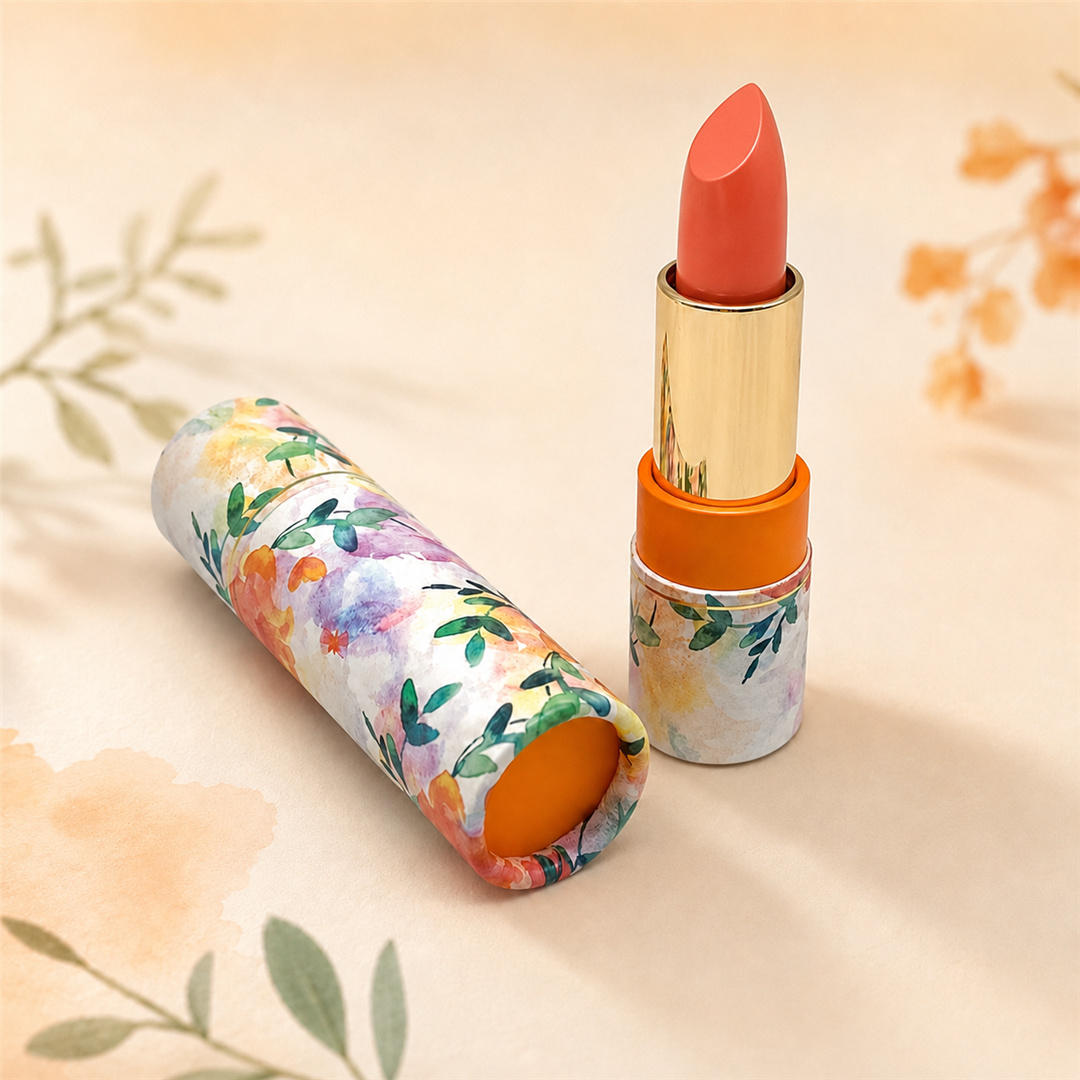
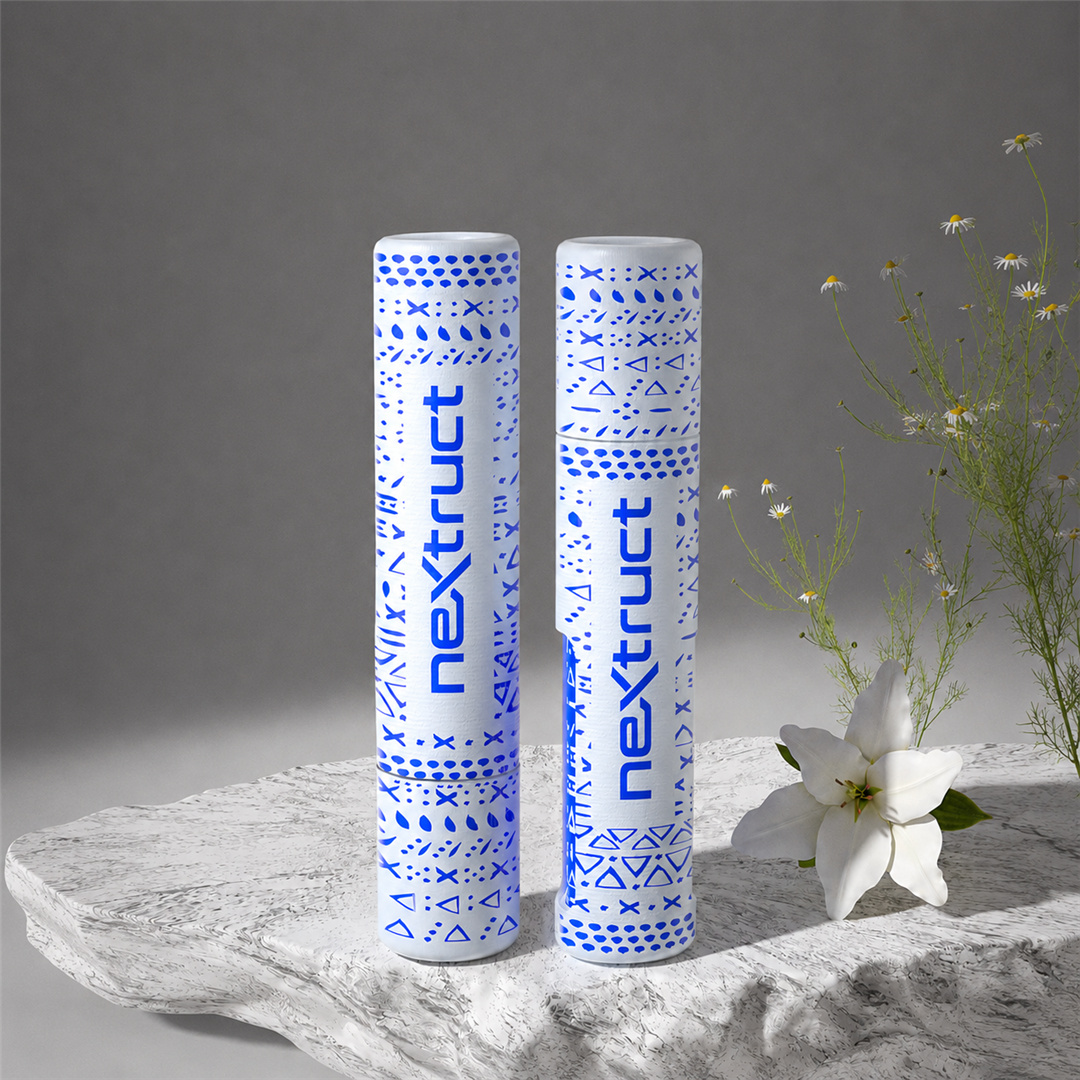
In a crowded market, startups must find unique ways to differentiate themselves. The tactile experience of paper packaging is unmatched by standard plastic. High-quality paper tubes can be customized with textured finishes, embossing, debossing, and soy-based inks to create a sensory connection with the consumer.
When a customer holds a textured, heavy-weight paper tube, it conveys a sense of craftsmanship and luxury. This allows startups to position their products at a premium price point, leveraging the packaging as a physical manifestation of their commitment to quality and the environment.
3. Clean and Waterless Formulation Compatibility
The clean beauty movement has driven demand for anhydrous (waterless) formulations, solid lip balms, and natural lipsticks made with plant-based waxes and oils. These natural ingredients are highly sensitive to temperature and require packaging that provides an excellent barrier against grease and oil migration.
Modern paper tubes designed for lipsticks feature specialized, food-grade vegetable wax coatings or ultra-thin PLA (polylactic acid) liners. These barriers prevent the oils in the lipstick formula from seeping into the paper fibers, ensuring that the tube remains clean, dry, and structurally sound throughout its lifecycle, while still remaining fully compostable or recyclable.
Addressing Technical Challenges: The Mechanics of Paper Tubes
One of the primary concerns for startups considering paper lipstick packaging is the operational mechanism. Traditional plastic lipsticks use a twist-up mechanism powered by internal plastic gears. Replicating this functionality in a 100% paper format requires precise structural engineering.
Currently, two main designs dominate the sustainable market:
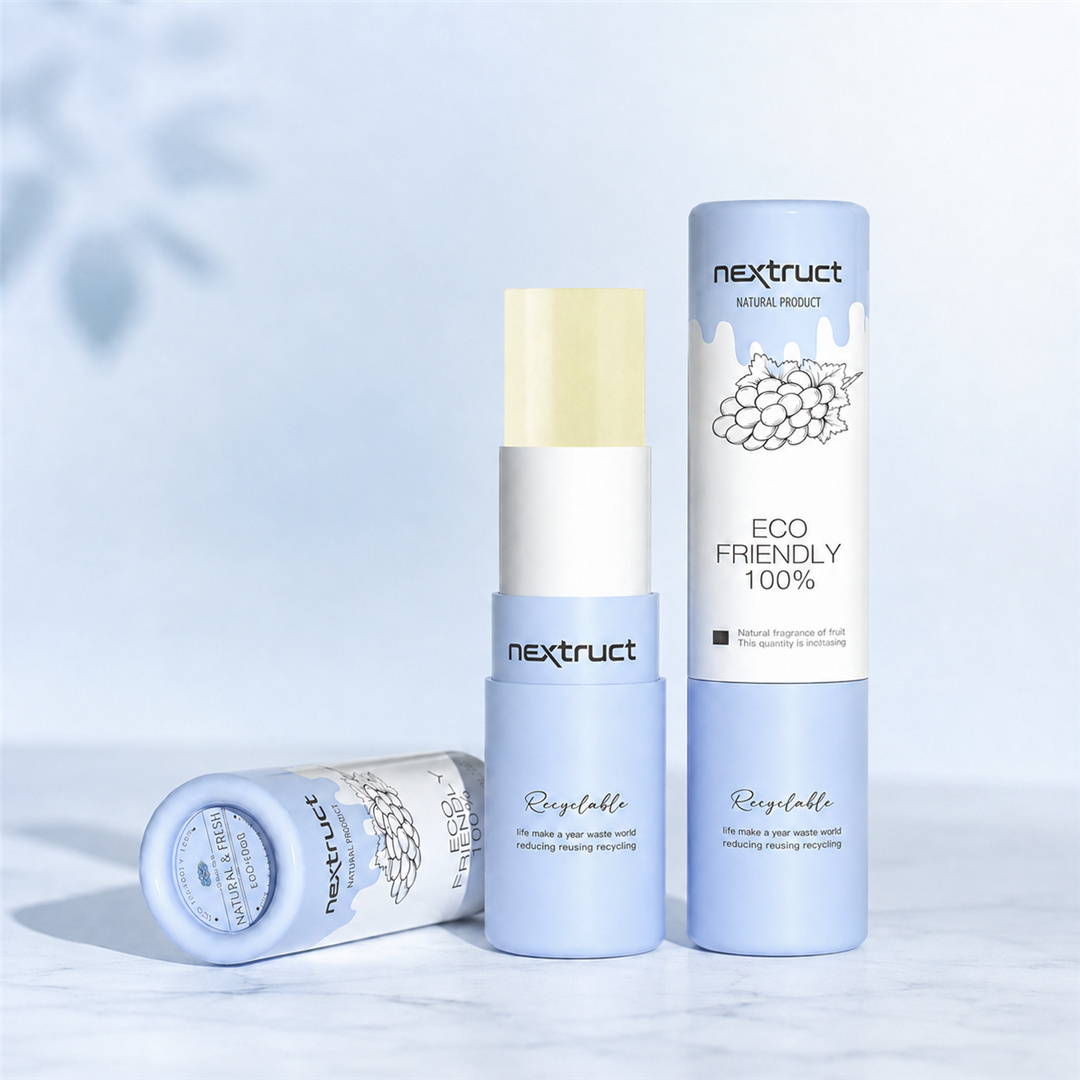
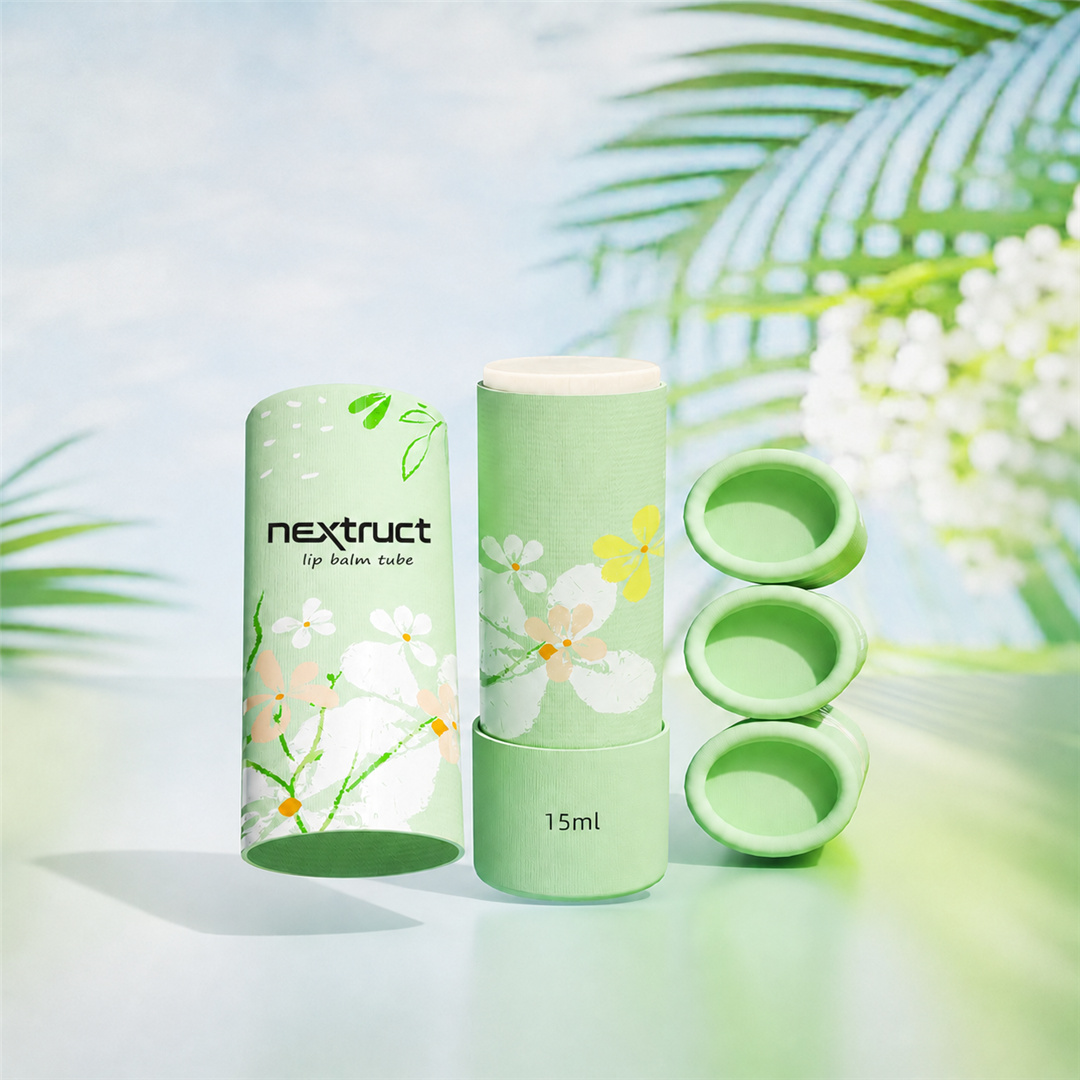
- The Push-Up Mechanism: A simple, highly reliable, and plastic-free design where the user pushes the bottom of the tube upward to expose the product. This design is highly circular and cost-effective, making it ideal for lip balms and entry-level lipstick lines.
- The Twist-Up / Hybrid Mechanism: For premium lipstick lines where the traditional twist-up experience is essential, manufacturers utilize hybrid structures. By combining a paper exterior with a minimal, plastic-reduced aluminum inlay or PCR plastic mechanism, brands can deliver the classic twist-up functionality while reducing plastic usage by up to 80%.