The Revolution of Lipstick In A Tube: Meeting Global Safety & Child-Resistant Demands
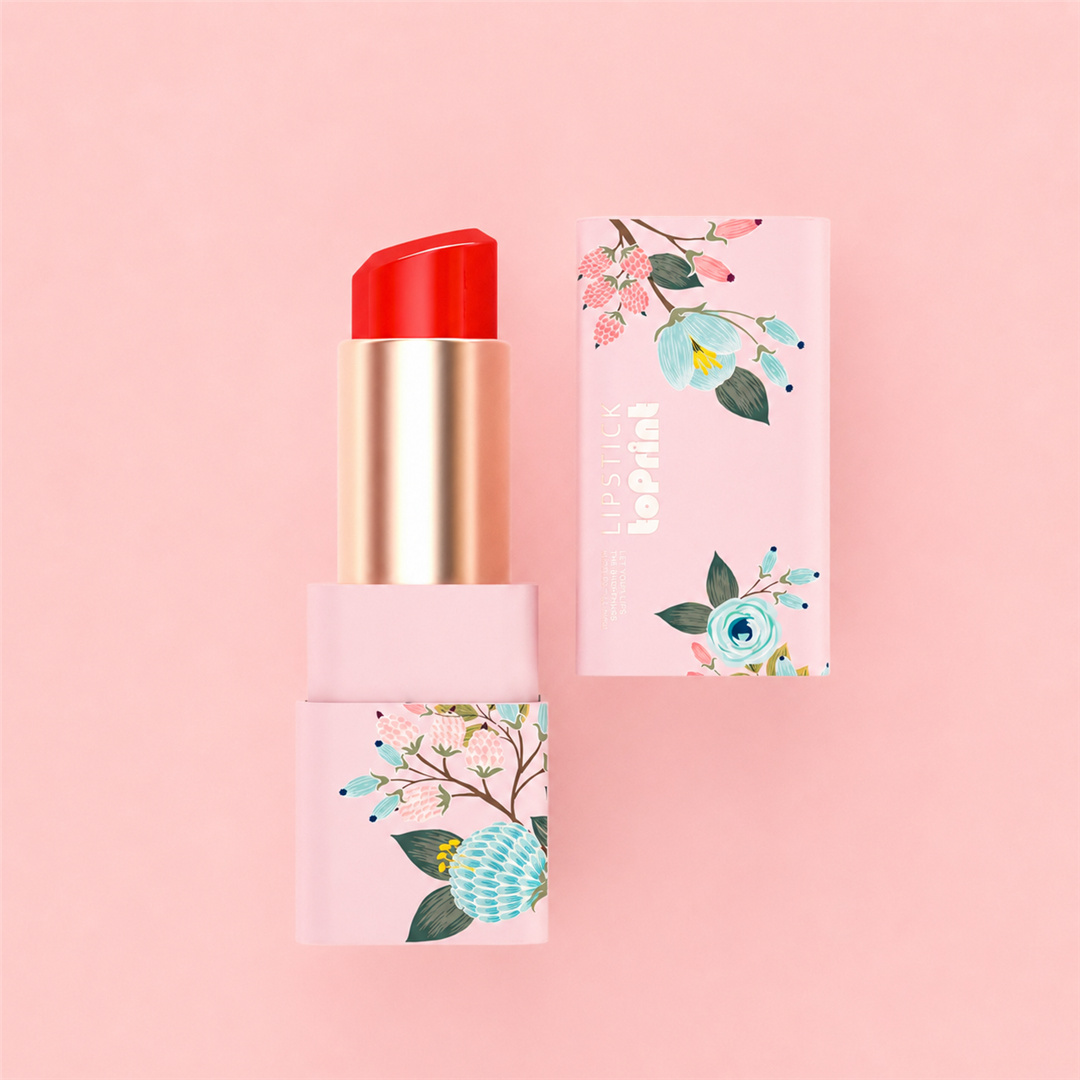
In the rapidly evolving cosmetics and personal care industry, the traditional lipstick tube is undergoing a profound structural and material revolution. Historically focused almost exclusively on aesthetic appeal and basic functionality, modern cosmetic brands now face a complex web of international regulations, environmental mandates, and safety requirements. The integration of Lipstick In A Tube For International Safety And CR Compliant Packaging has emerged as a critical focal point for brands looking to maintain compliance, protect consumers, and drive sustainability forward.
As active formulations, medicated balms, and cannabinoid-infused cosmetics (such as CBD-infused lip treatments) gain significant traction in global markets, the need for child-resistant (CR) packaging has transitioned from a niche pharmaceutical requirement to a mainstream cosmetics standard. Ensuring that high-potency or active cosmetic formulas are packaged in child-resistant tubes is no longer just a trend—it is a regulatory necessity in major markets across North America, Europe, and the Asia-Pacific region.
Did you know? Global compliance standards dictate that child-resistant packaging must be significantly difficult for children under five years of age to open within a reasonable time, while remaining easy for adults to use. Achieving this balance in a slim, premium lipstick tube format requires advanced structural engineering.
Understanding the Regulatory Landscape of CR Cosmetic Packaging
Navigating the global regulatory environment is one of the greatest challenges for cosmetics manufacturers today. In the United States, the Consumer Product Safety Commission (CPSC) enforces strict guidelines under the Poison Prevention Packaging Act (PPPA), specifically 16 CFR § 1700.20, which outlines the testing protocols for child-resistant packaging. Similarly, in Europe, standards like EN 862 and ISO 8317 dictate the requirements for reclosable child-resistant packaging systems.
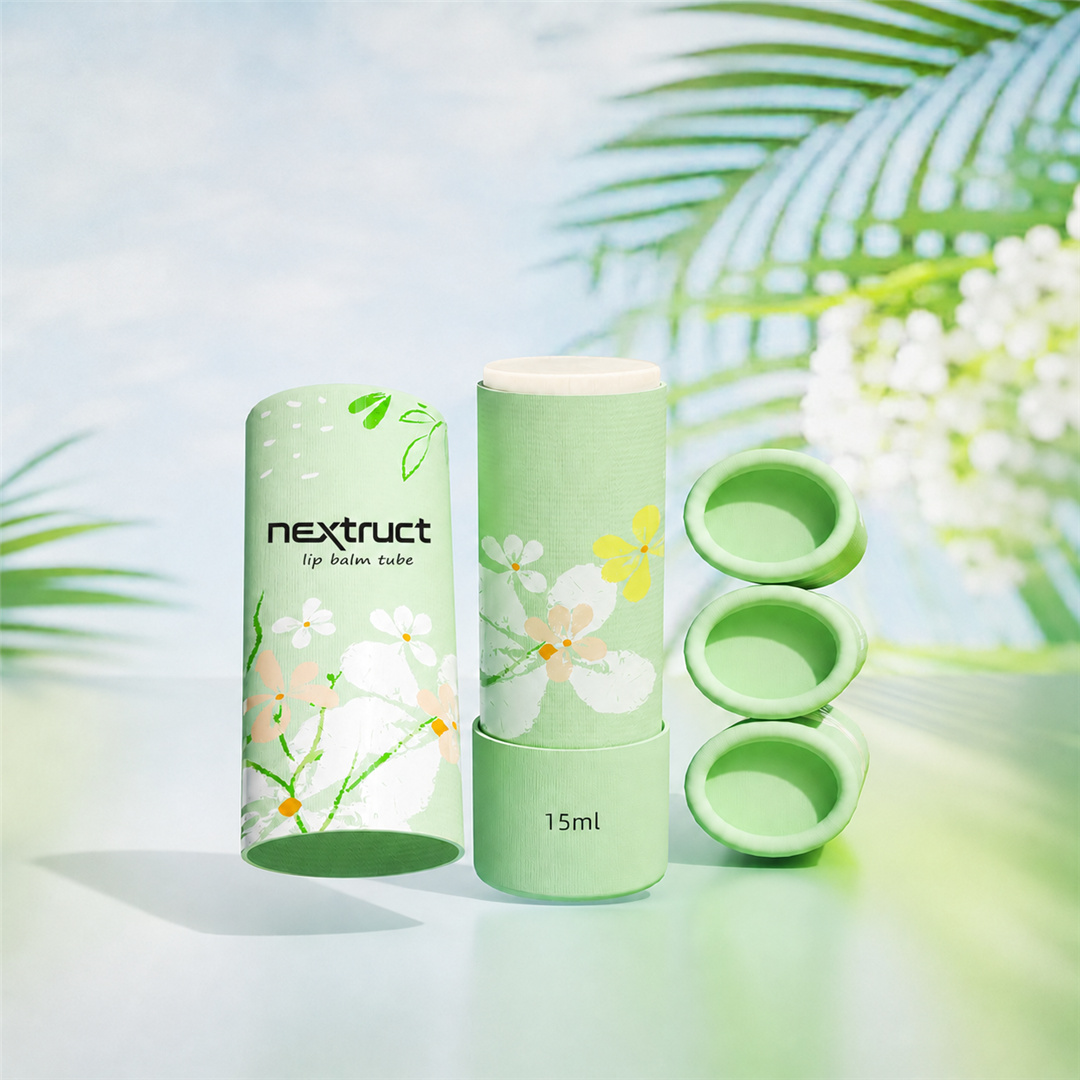
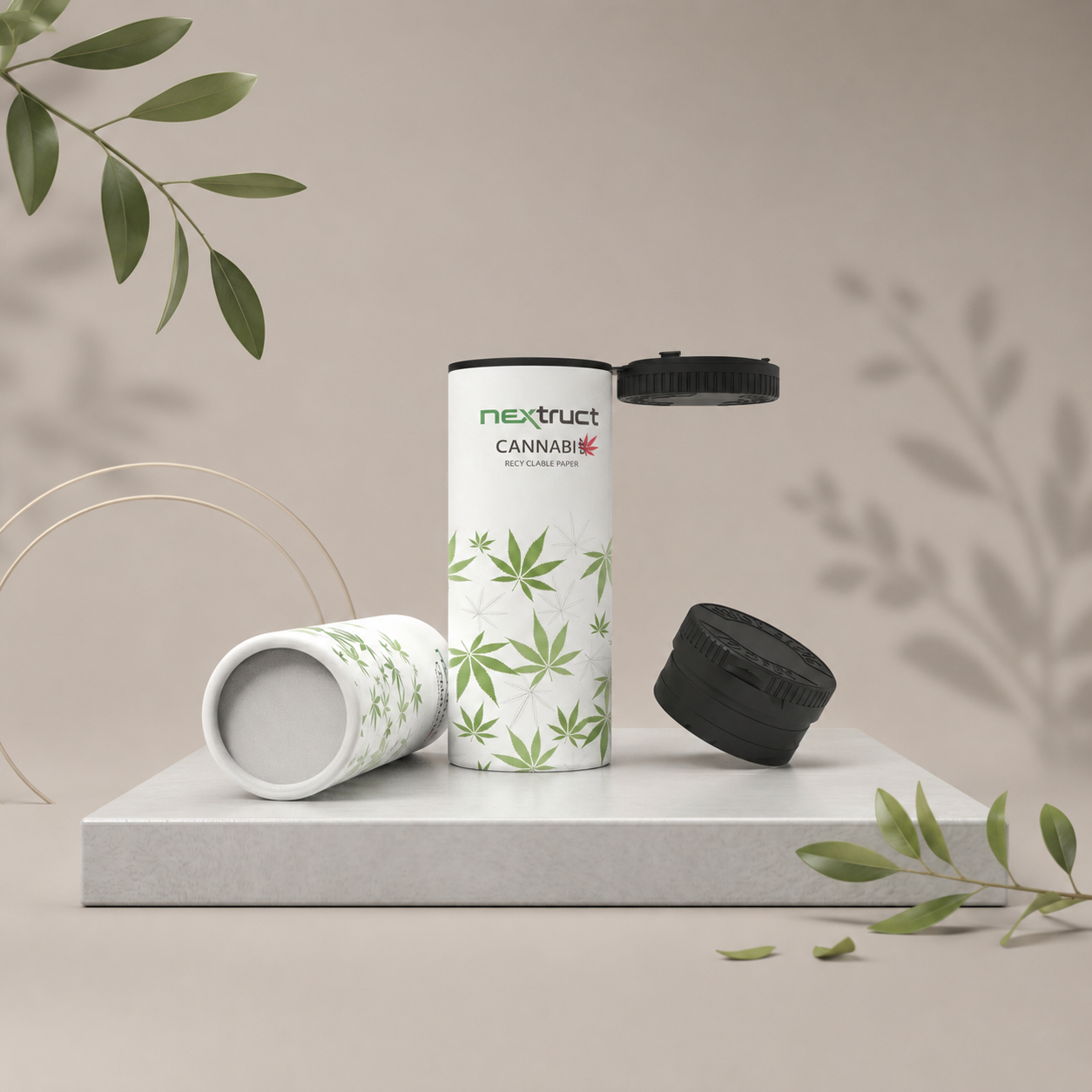
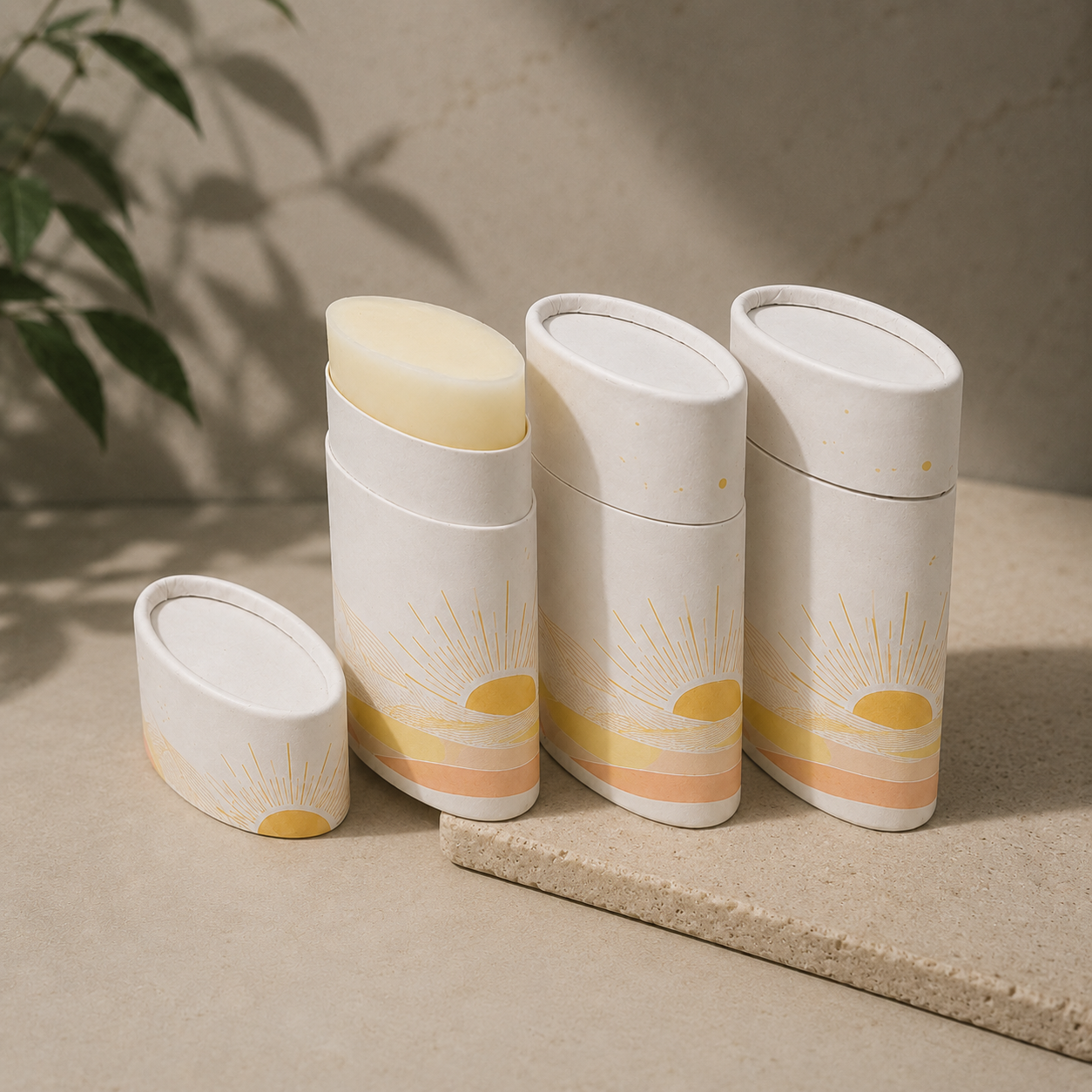
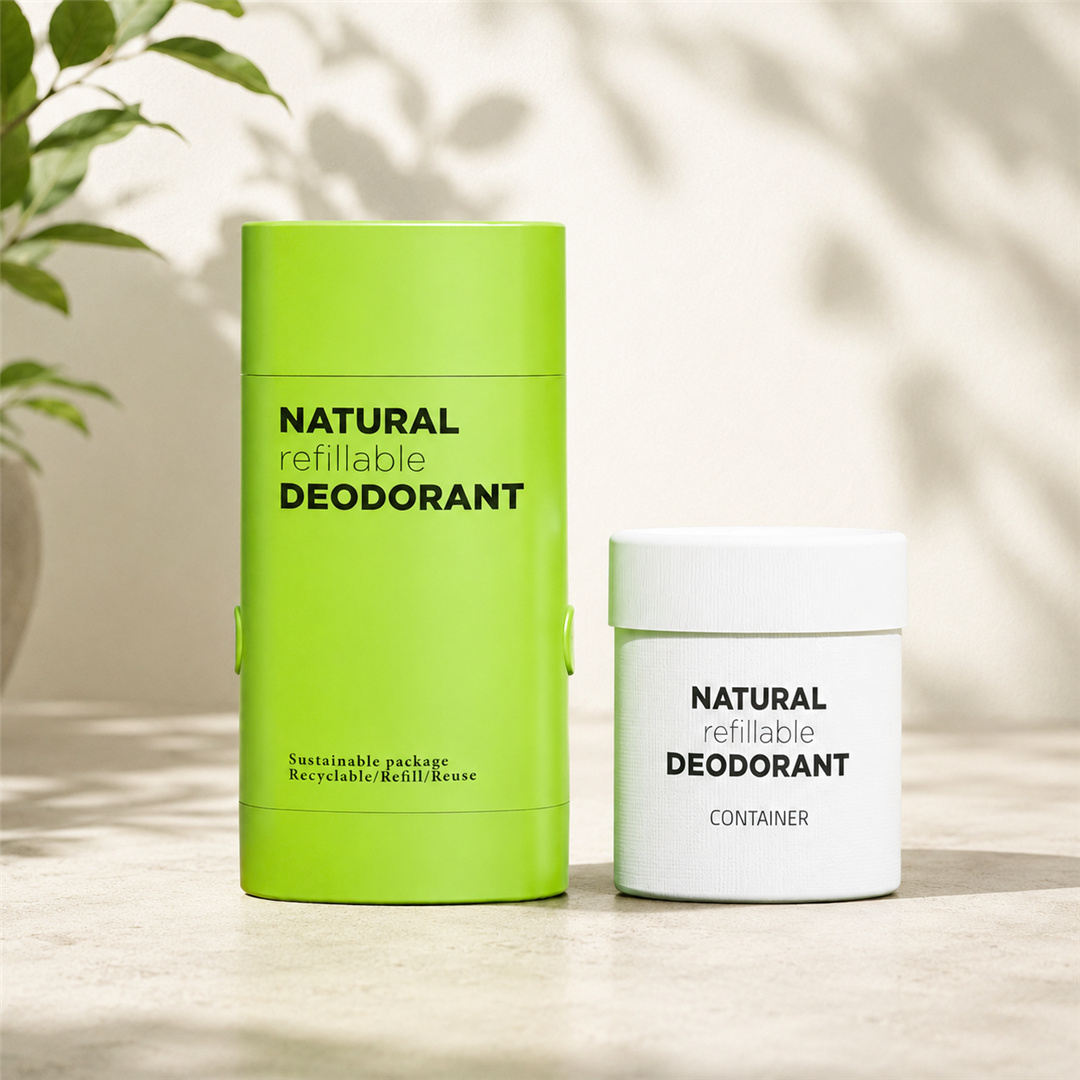
When applied to lipstick and lip balm tubes, these standards demand that the packaging prevent access by children while maintaining a user-friendly mechanism for adults, especially seniors. For brands manufacturing in China and exporting globally, partnering with a certified factory that understands these certifications is critical. Nextruct has pioneered this space by integrating child-resistant locks directly into eco-friendly paper-based and hybrid structures, ensuring seamless entry into strict international markets.
Commercial and Industrial Status of CR Lipstick Packaging
The global market for cosmetic packaging is experiencing a double shift: one towards sustainable materials (such as FSC-certified paper, PCR plastics, and glass) and the other towards functional safety. Traditionally, child-resistant mechanisms required complex, multi-part plastic assemblies that were nearly impossible to recycle. Today, the industry is witnessing a massive push towards mono-material designs and biodegradable fiber containers.
From a commercial standpoint, brands that adopt CR-compliant packaging early gain a distinct competitive edge. It allows them to market medicated, therapeutic, or high-value cosmetic formulations without legal bottlenecks. Furthermore, it aligns with the corporate social responsibility (CSR) goals of major retail chains, which increasingly refuse to stock products that do not meet rigorous environmental and consumer safety standards.