Leave Your Message
Explore our top-tier biodegradable and recyclable packaging formats tailored for modern health and cosmetic brands.
The global wellness and nutraceutical industries are undergoing a massive transformation. Consumers no longer evaluate wellness brands solely by the ingredients inside the bottle; they scrutinize the vessel that holds them. In an era defined by ecological awareness, plastic-heavy pill bottles and non-recyclable multi-layer sachets are rapidly becoming commercial liabilities. The demand for the latest packaging for sustainable wellness and supplement packaging has shifted from a niche marketing trend to a core industrial imperative.
Modern wellness packaging must solve a complex equation: it must protect sensitive active ingredients (vitamins, probiotics, herbal powders, and minerals) from light, moisture, and oxygen, while ensuring that the entire lifecycle of the container leaves minimal impact on our ecosystems. This delicate balance is driving breakthrough innovations in material science, structural engineering, and circular design.
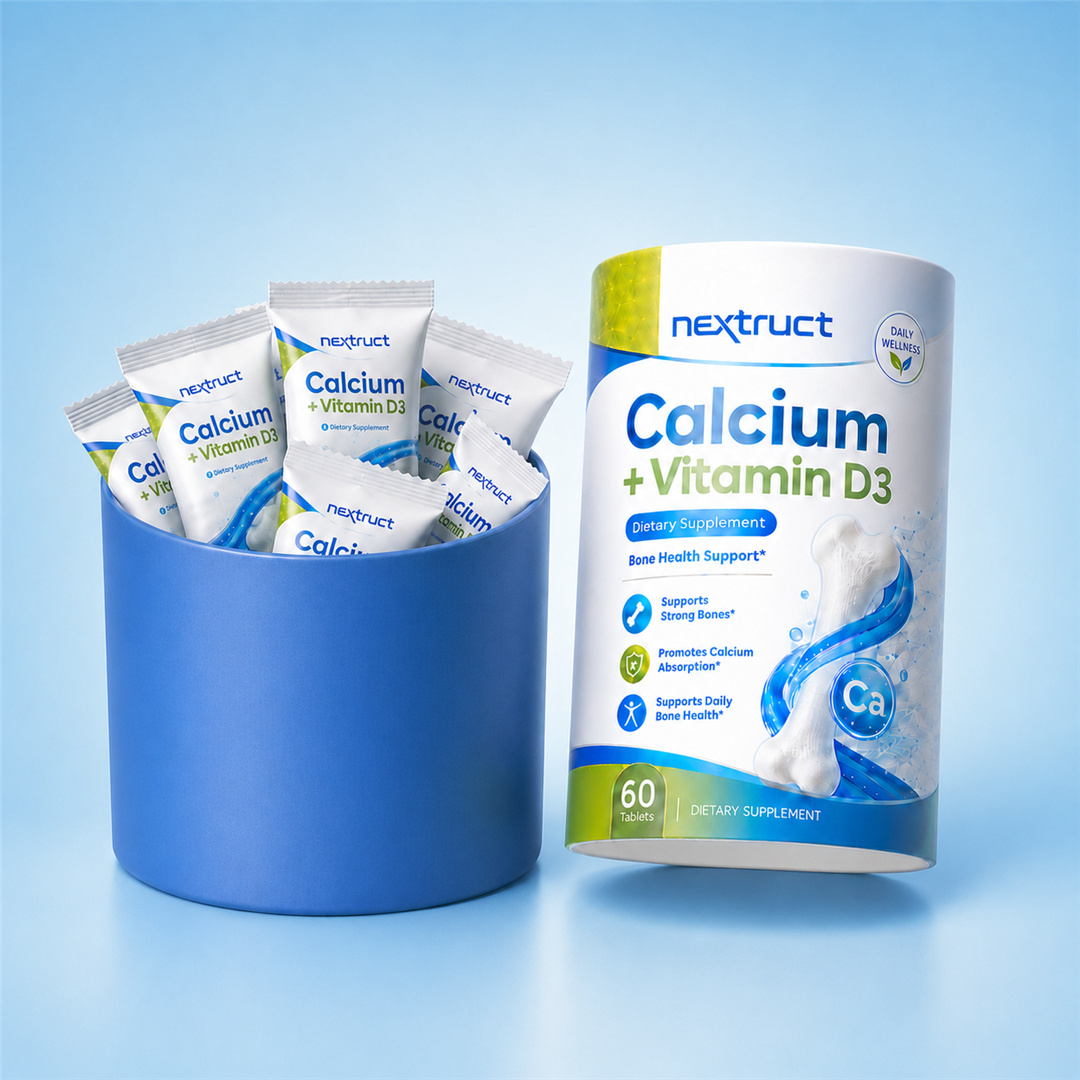
Traditional high-density polyethylene (HDPE) and polyethylene terephthalate (PET) bottles have dominated the supplement industry for decades. However, regulatory pressures—such as the European Union's Packaging and Packaging Waste Regulation (PPWR) and extended producer responsibility (EPR) laws in North America—are forcing brands to adopt plastic-free or highly recyclable alternatives. High-performance fiber containers and waterproof paper bottles are leading the charge as viable replacements for daily vitamins and powders.
Utilizing Forest Stewardship Council (FSC) certified paperboard ensures that the raw materials are harvested from responsibly managed forests that provide environmental, social, and economic benefits. By transitioning to plant-based, renewable fiber containers, brands can dramatically reduce their carbon footprint. Fiber-based packaging acts as a carbon sink, storing carbon captured during the tree's growth cycle, unlike fossil-fuel-based plastics.
A growing number of wellness brands are adopting a "parent-child" packaging model. The "parent" container is a premium, aesthetically pleasing, and durable glass jar or custom-engineered luxury container designed to sit on a consumer's countertop for years. The "child" packaging consists of lightweight, compostable, or easily recyclable paper sleeve tubes or envelopes used to ship monthly supplement refills. This hybrid approach slashes shipping weight, cuts transportation emissions, and minimizes waste.

Subscription-based wellness models rely heavily on postal networks. Traditional plastic bottles are bulky and expensive to ship. By utilizing custom paper sleeve tubes, brands can optimize shipping space. These tubes are engineered to withstand the rigors of transit while maintaining a premium tactile experience upon unboxing. The integration of inner bio-derived barrier coatings ensures that tablets and capsules remain dry and potent throughout their shelf life.
High-end beauty supplements demand packaging that conveys luxury and efficacy. The combination of recyclable glass bottles and precision-engineered FSC paperboard sleeves offers the ultimate hybrid solution. Glass provides an inert, premium barrier that protects active botanical extracts, while the surrounding paper structures offer a canvas for sophisticated graphic designs and structural protection, eliminating the need for plastic bubble wraps or foam inserts.
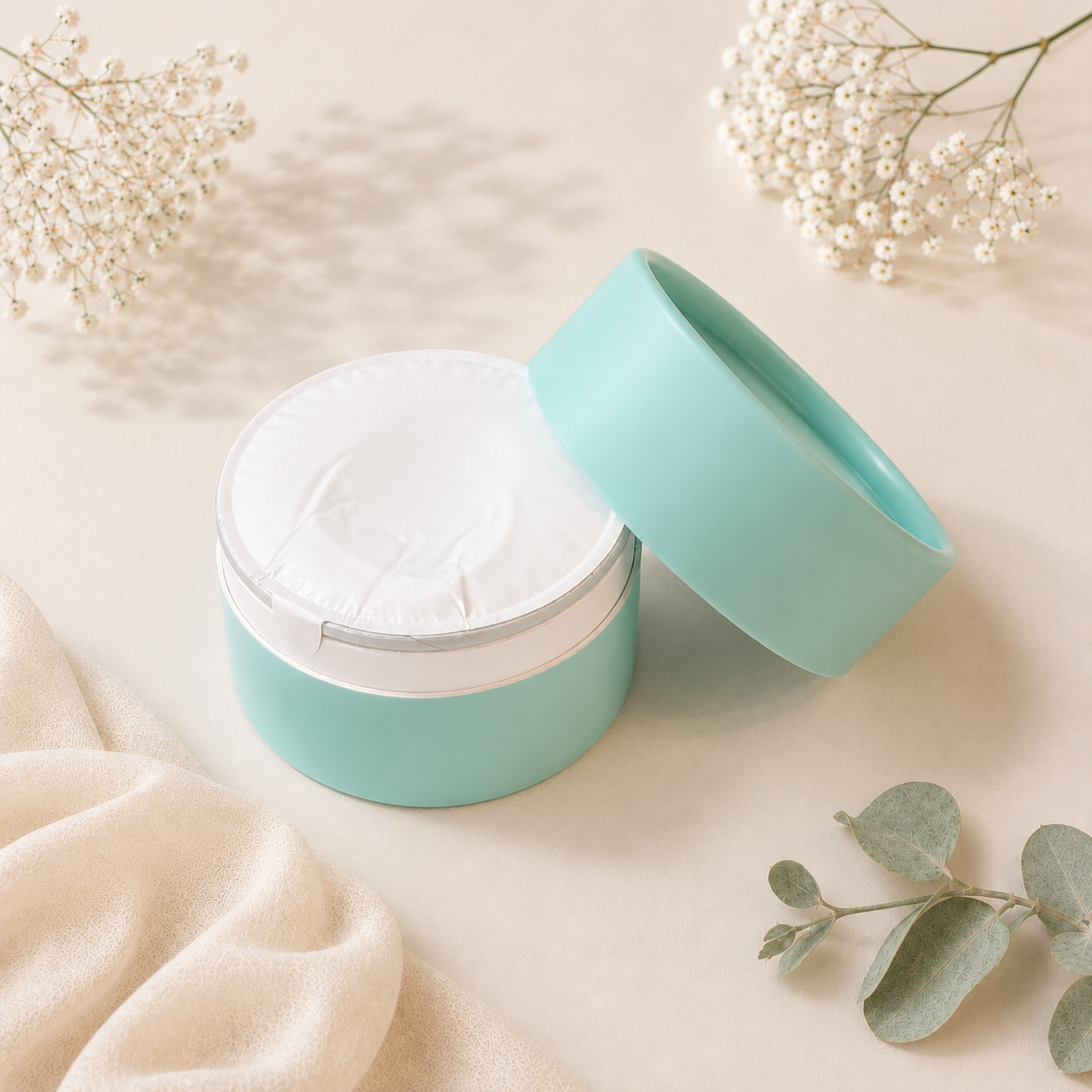
Moisture is the ultimate enemy of powder-based supplements. Traditional paper packaging often fails to prevent clumping. Nextruct's innovative paper loose powder jars utilize advanced bio-coatings and precision screw-cap structures that create a tight seal against ambient humidity. This allows brands to transition away from composite plastic tubs to fully compostable or recyclable paperboard jars without sacrificing product shelf-life.


Historically, paper-based packaging was restricted to dry goods with short shelf lives because paper is naturally porous and sensitive to moisture. To solve this, Nextruct integrates state-of-the-art barrier technologies. Instead of laminating paper with traditional polyethylene (PE) plastics—which renders the packaging non-recyclable—we utilize water-based dispersion coatings and plant-derived PLA (polylactic acid) liners. These barriers provide excellent moisture vapor transmission rates (MVTR) and oxygen transmission rates (OTR), keeping supplements fresh while ensuring the packaging can be easily repulped in standard paper recycling systems.
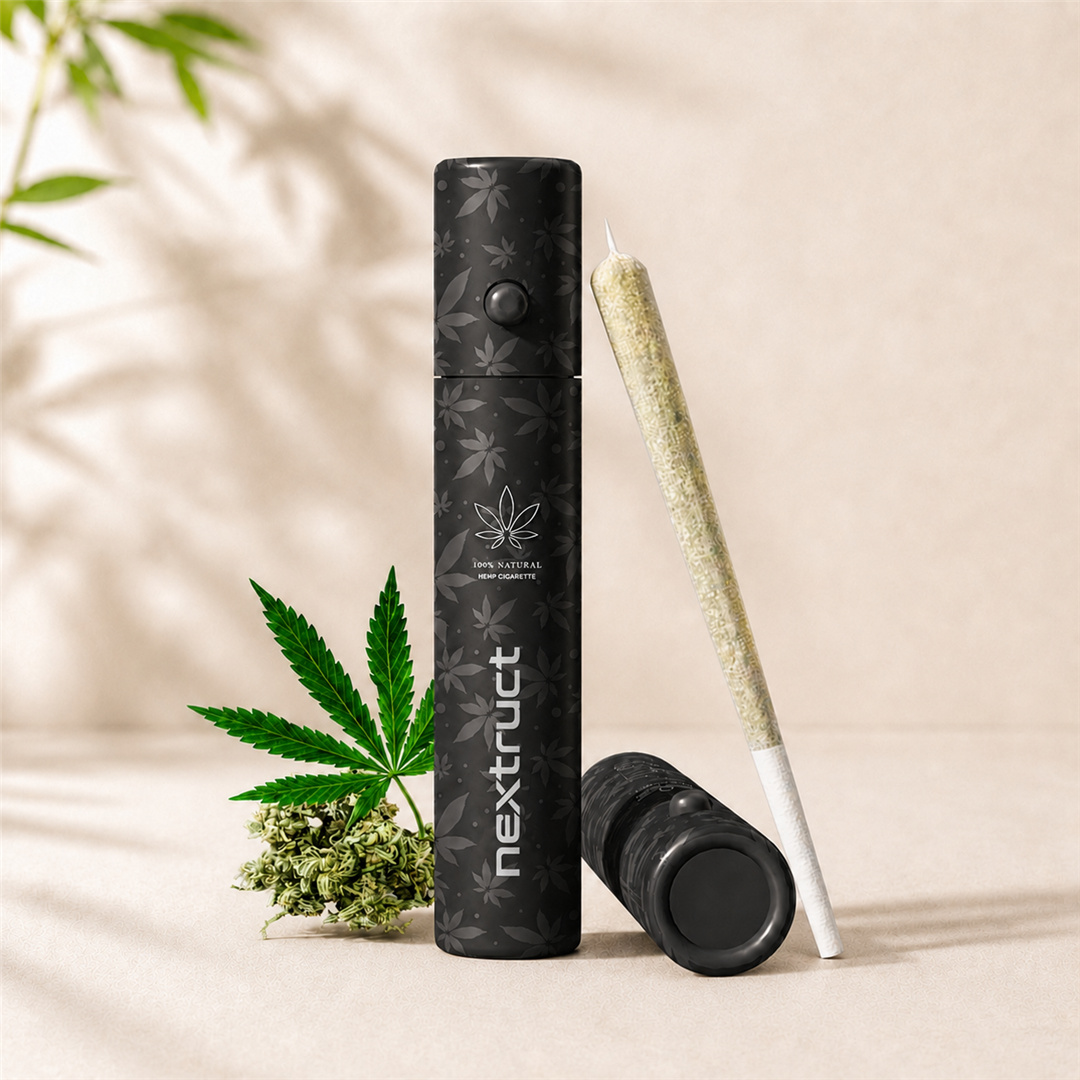
For wellness products containing active ingredients like iron, cannabinoids, or concentrated herbal extracts, child-resistant packaging is a legal requirement. Historically, CR packaging meant complex, multi-part plastic caps. Nextruct has revolutionized this space with plastic-free child-resistant paper tube structures. Utilizing patented push-and-turn fiber locking systems, these tubes achieve certified CR compliance while remaining 100% biodegradable. This structural breakthrough allows wellness brands to meet strict safety regulations without compromising their ecological values.
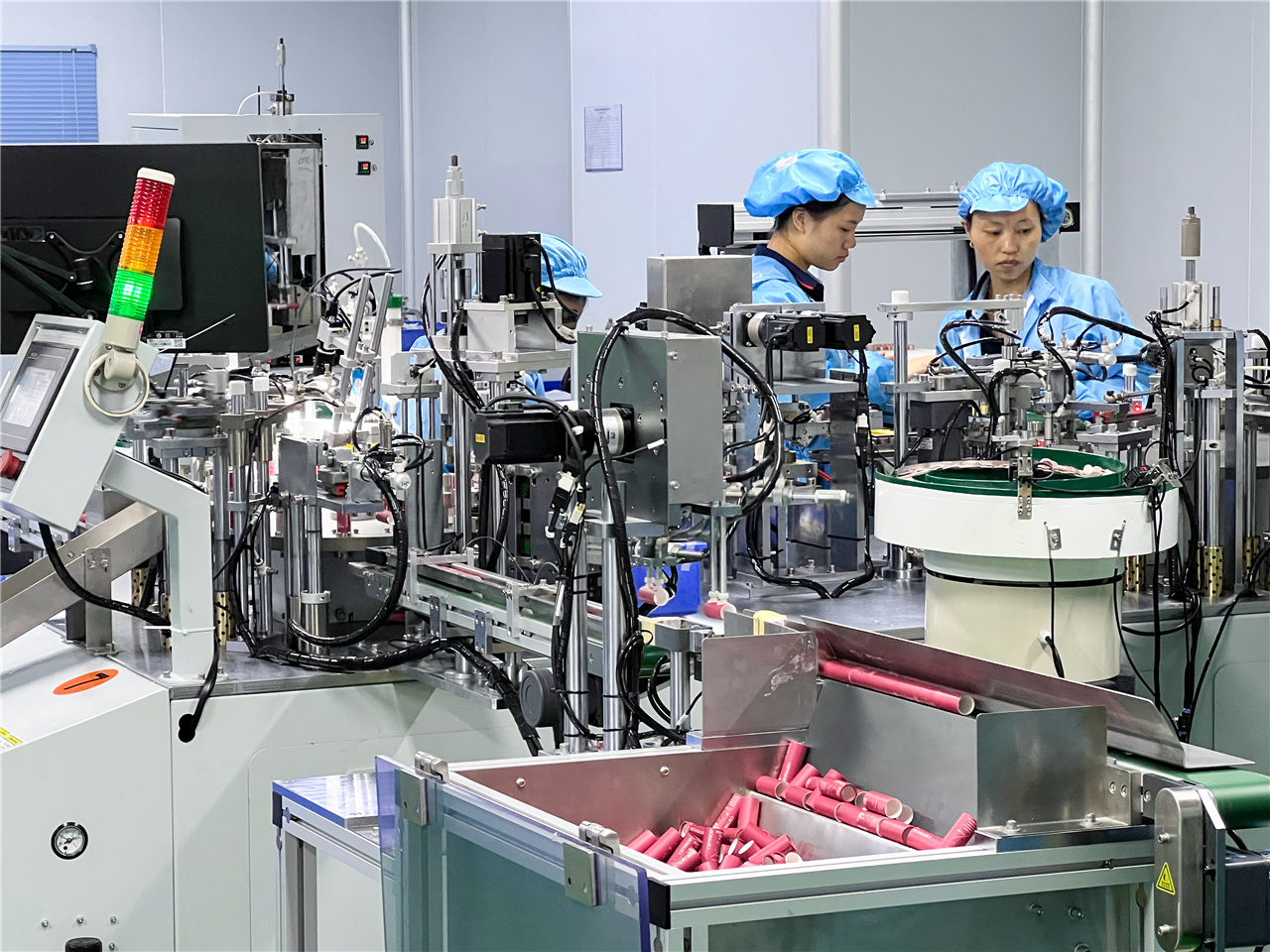
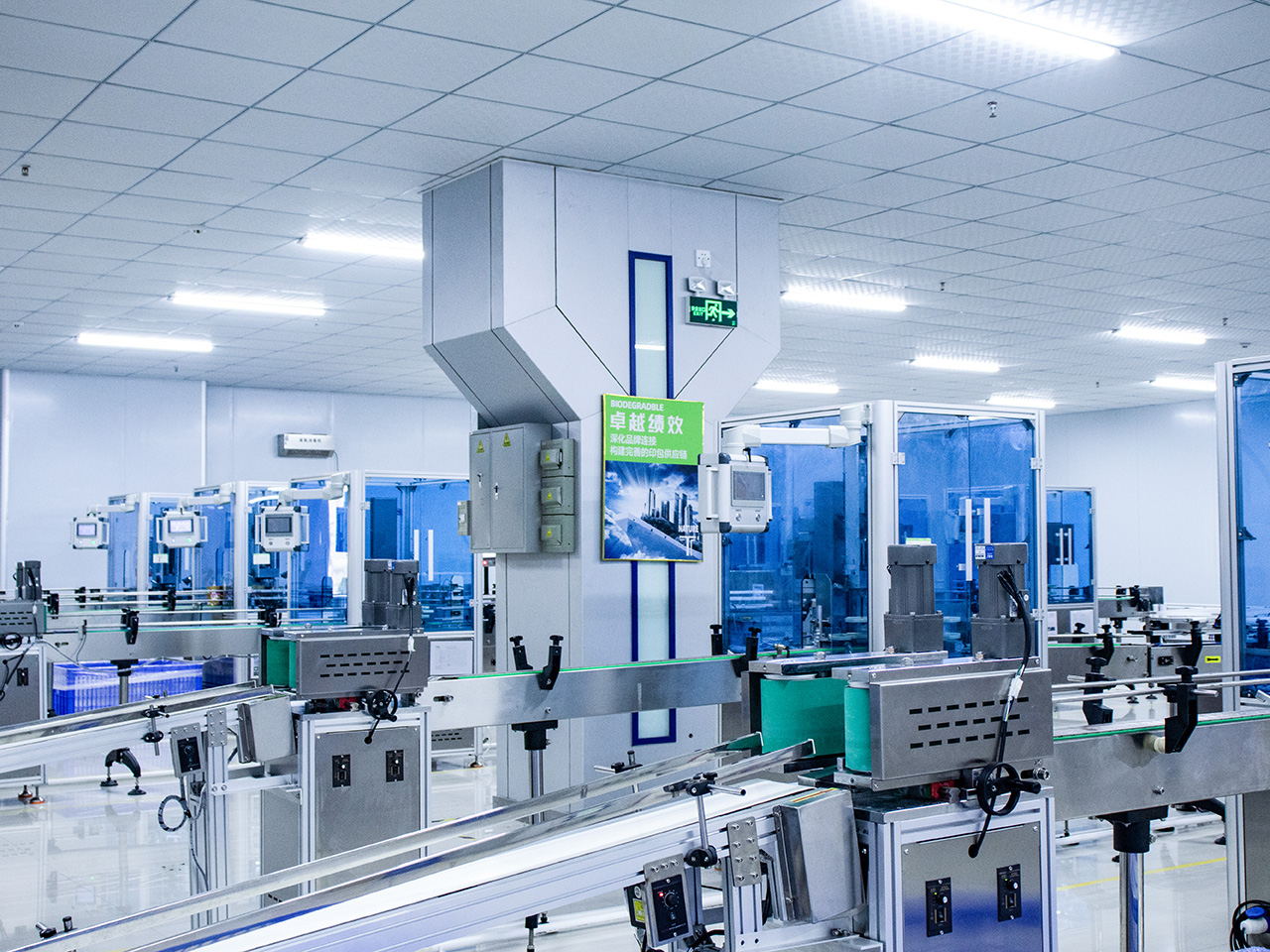
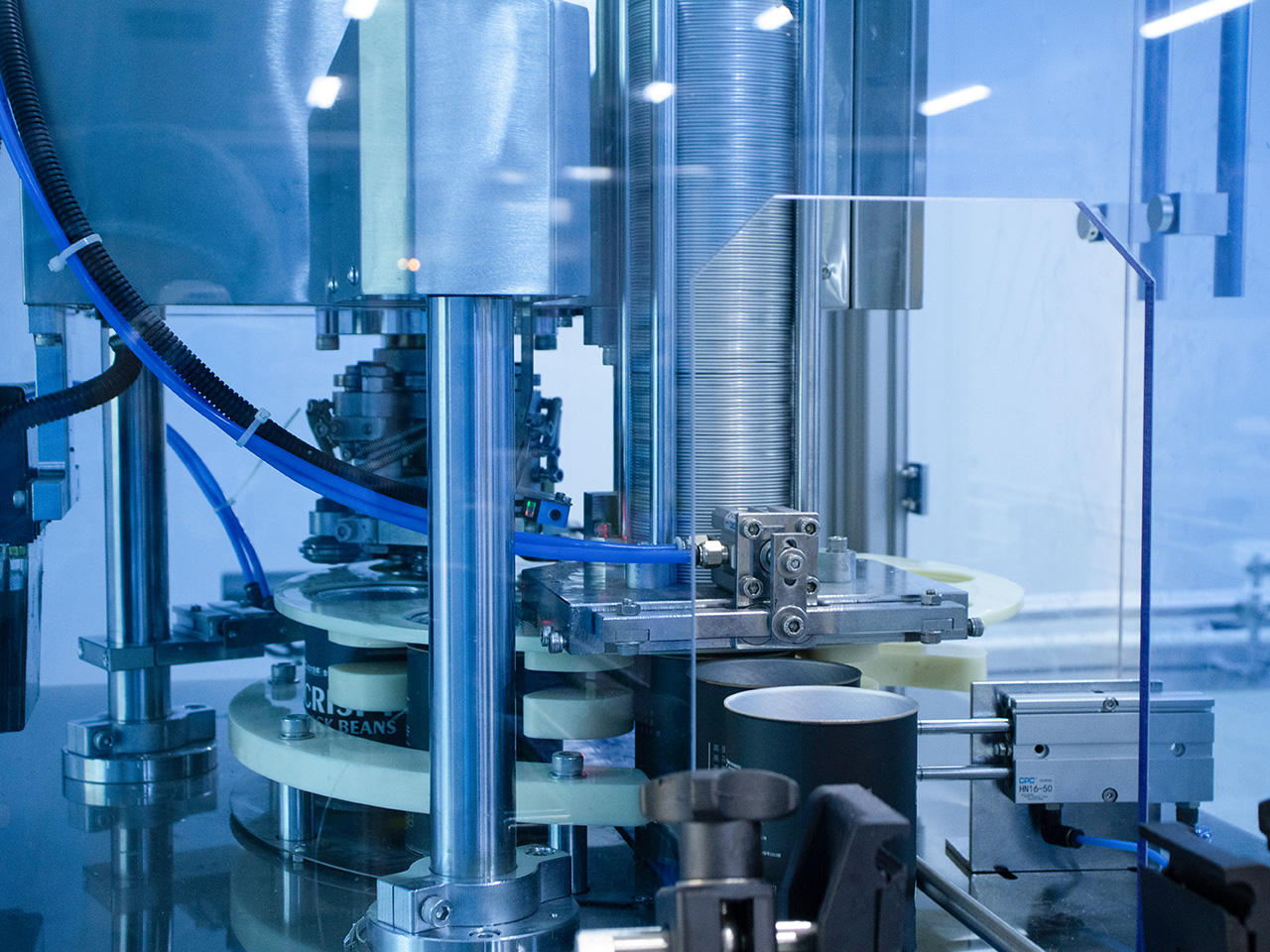
As we look to the future, the integration of artificial intelligence (AI) in structural design is optimizing packaging like never before. AI algorithms can simulate shipping stresses, moisture penetration, and shelf-life degradation before a physical prototype is ever made. This rapid modeling minimizes material waste during the development phase and guarantees that the resulting paper container is structurally optimized for the exact weight and density of the supplement it will hold.
Furthermore, smart packaging technologies—such as QR codes printed with soy-based inks—bridge the physical and digital worlds. Consumers can scan the packaging to verify the ingredient sourcing, view lab test results, and learn the exact recycling instructions for their specific region. This level of transparency builds deep trust with the modern wellness consumer, who values honesty and sustainability above all else.
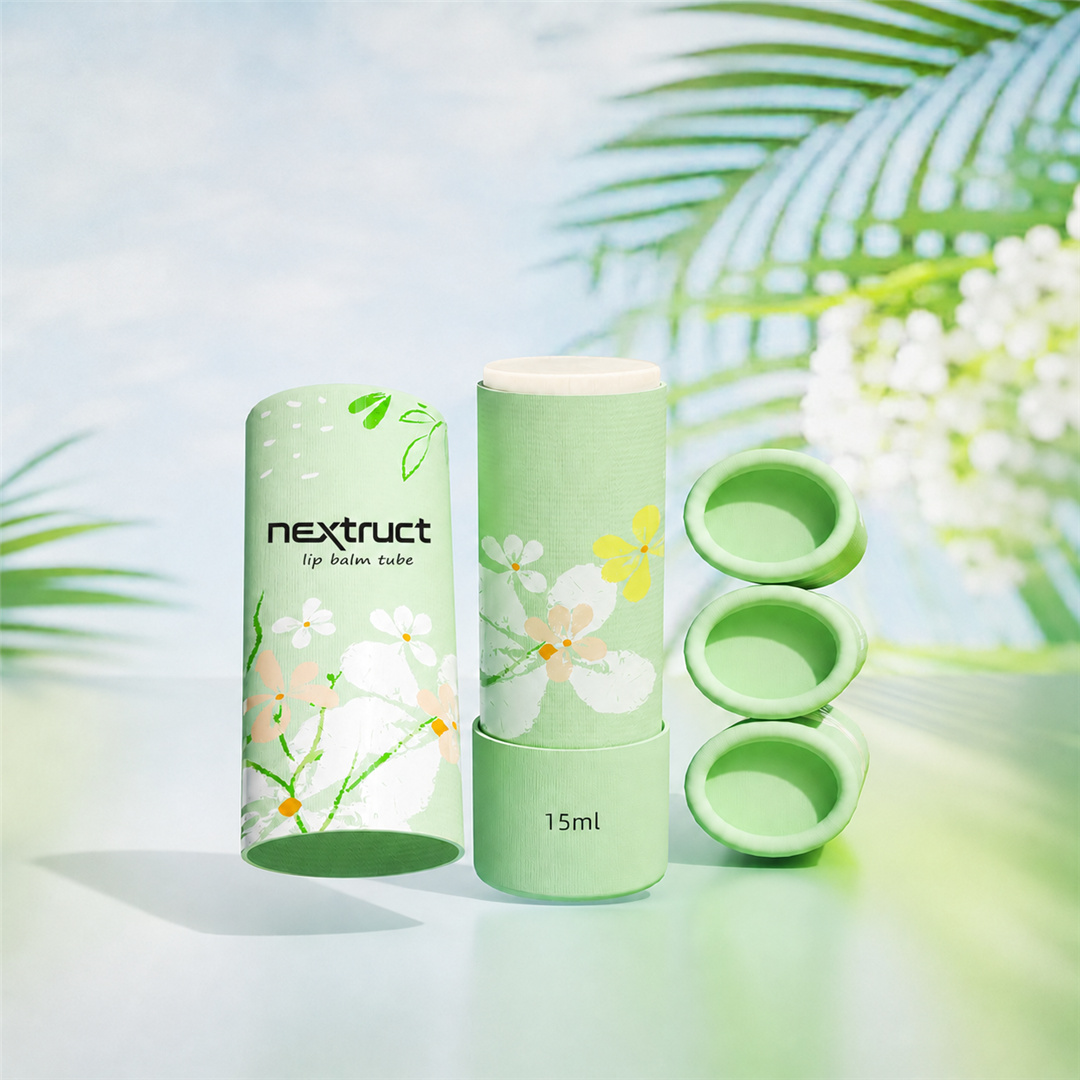
Discover our comprehensive collection of sustainable packaging products designed for the global wellness, cosmetics, and lifestyle industries.