Leave Your Message
The global cosmetic and personal care industry is experiencing an unprecedented structural pivot. Modern consumers—spearheaded by Gen Z and conscious millennials—no longer treat sustainability as a novelty feature. Instead, circular lifecycle proof, zero-microplastic validation, and carbon accountability have become fundamental table stakes. Yet, for an emerging indie cosmetic startup scaling from local direct-to-consumer (D2C) channels into retail titans like Sephora, Ulta, or European pharmacy networks, sustainable packaging presents a grueling industrial bottleneck.
Startups consistently hit the wall known as the "Sustainable MOQ Dilemma". Conventional industrial packaging manufacturers optimize their extruders and injection molds for runs of hundreds of thousands of units, locking young brands into high minimum order quantities (MOQs) or forcing them to settle for generic, non-recyclable stock plastics that dilute brand equity. Moreover, regulatory frameworks such as the European Union’s Packaging and Packaging Waste Regulation (PPWR) and Extended Producer Responsibility (EPR) mandates across North America impose strict penalties on non-recyclable composite materials.
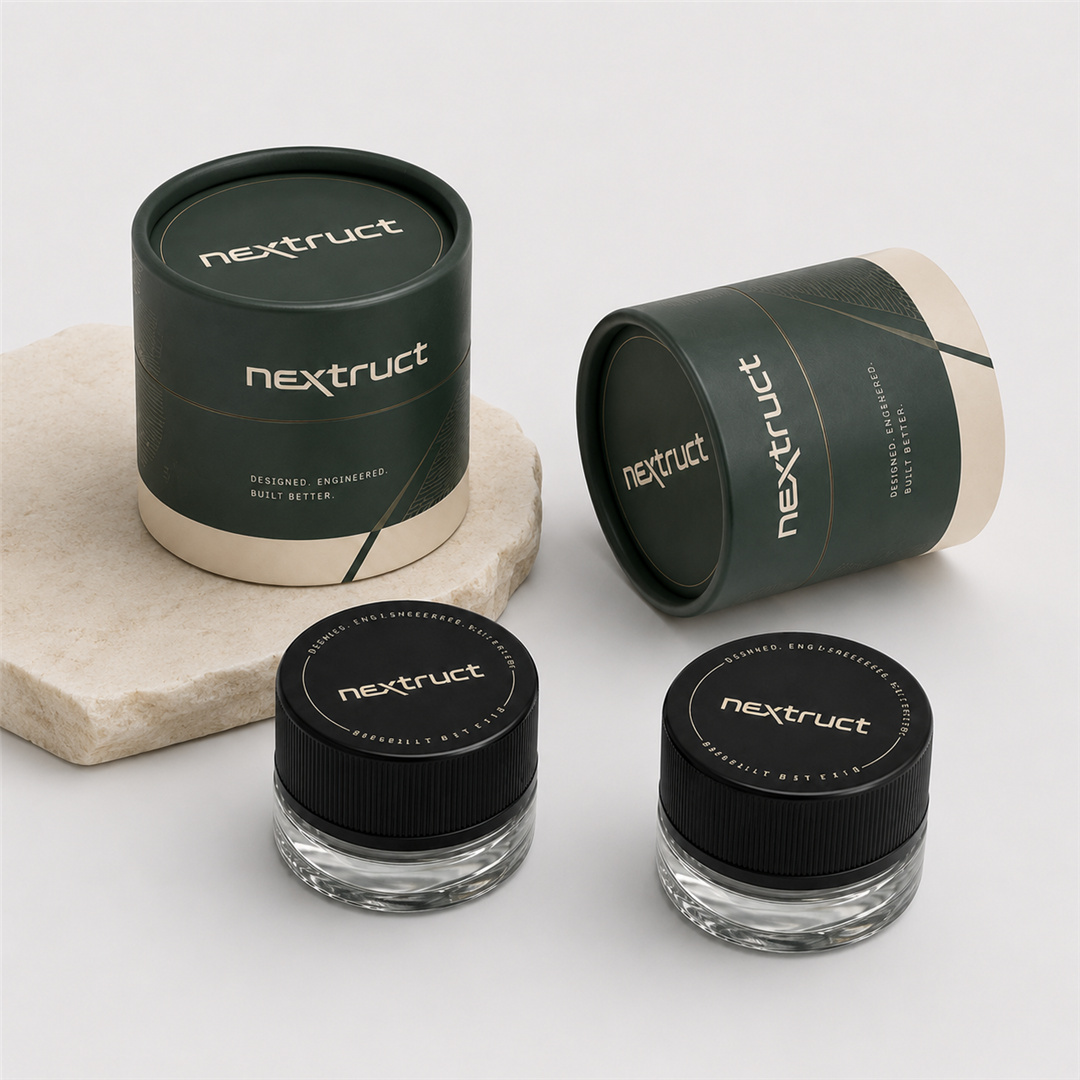
The Structural Breakthrough: Nextruct engineers a bridge across this industrial gap. By synergizing proprietary paper-tube structural mechanics with recyclable glass and post-consumer recycled (PCR) resins, indie brands achieve custom luxury branding, barrier integrity, and tier-one compliance without crippling initial inventory capital.
1. Monomaterial and Fiber Supremacy: Multi-layer laminates with inseparable metallized films are being systematically phased out. Brands are moving toward FSC-certified rigid tubes, molded cellulose outers, and mono-polyolefin assemblies that municipal recycling streams can seamlessly process.
2. Hybrid Structural Architecture: Rather than replacing 100% of functional components with unproven materials, hyper-scaling brands deploy "smart hybrid packaging"—combining lightweight cellulose shells with protective ultra-thin PCR liners or refillable glass pods, cutting virgin fossil-fuel plastic usage by up to 85%.
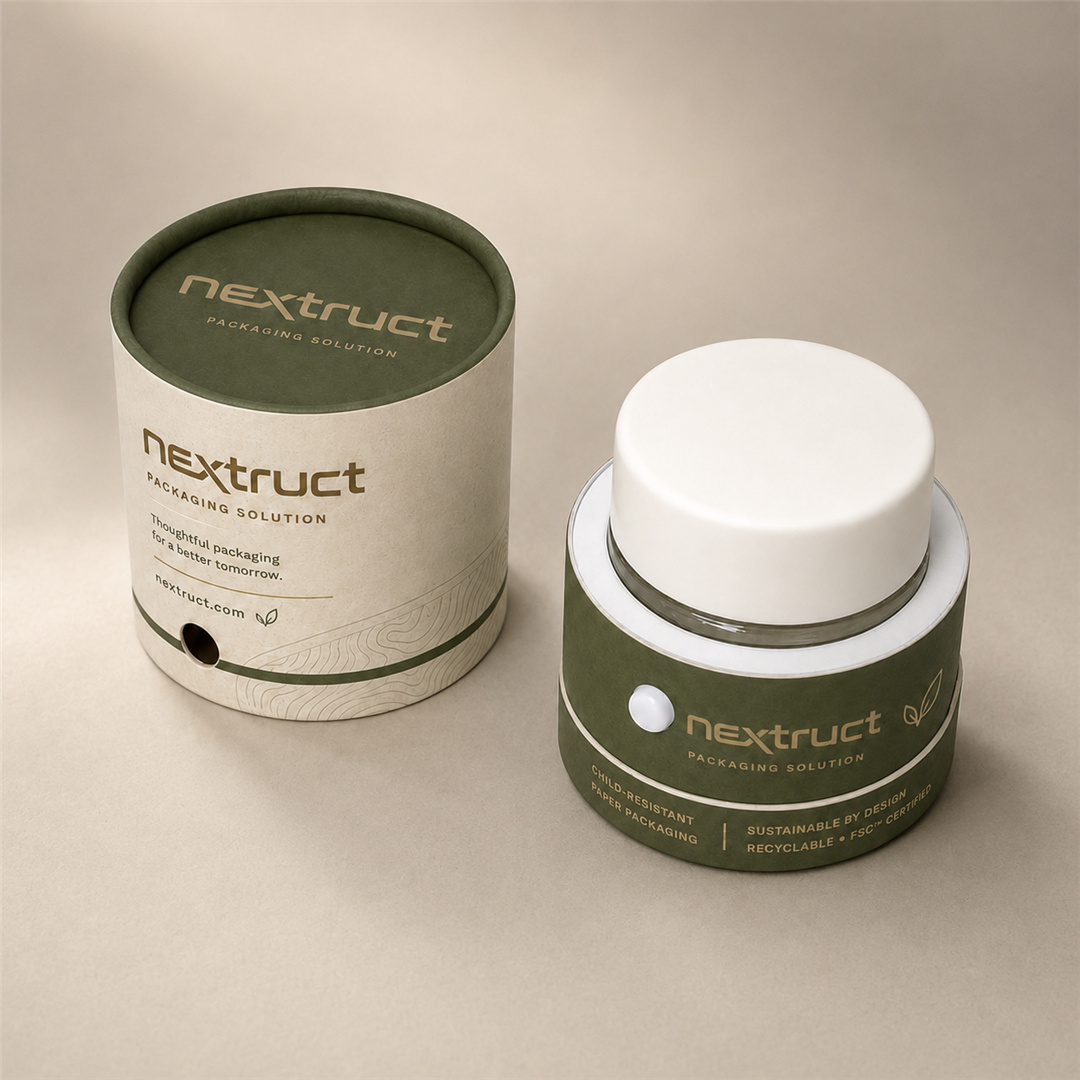
3. Child-Resistant (CR) Compliance for Clean Cosmeceuticals: As functional skincare converges with active apothecary ingredients, retinoids, and botanical wellness extracts, compliant child-resistant paper mechanisms have transitioned from clinical necessity to high-end design assets.
Modular tooling workflows allow nascent cosmetic brands to test limited drops, seasonal collections, and bespoke shapes with compressed prototype cycles and minimal risk.
Fully certified under ISO standards and SA8000, our paperboard formulations leverage FSC-certified fiber matrices ready for global EPR audits and EU PPWR enforcement.
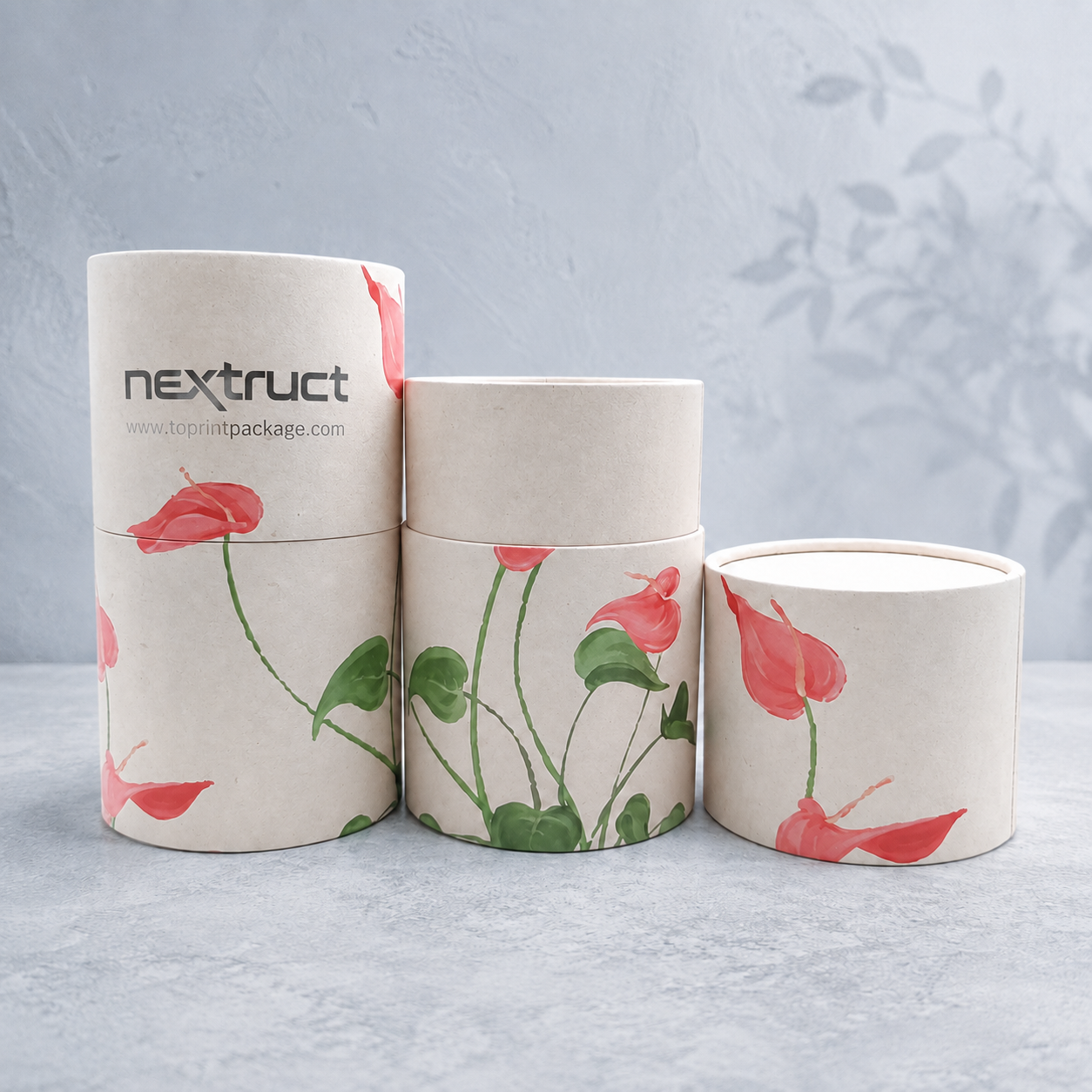
Paper packaging that does not look like raw brown cardboard. Enjoy smooth soft-touch coatings, soy-based CMYK precision, hot foil stamping, and debossed structural textures.



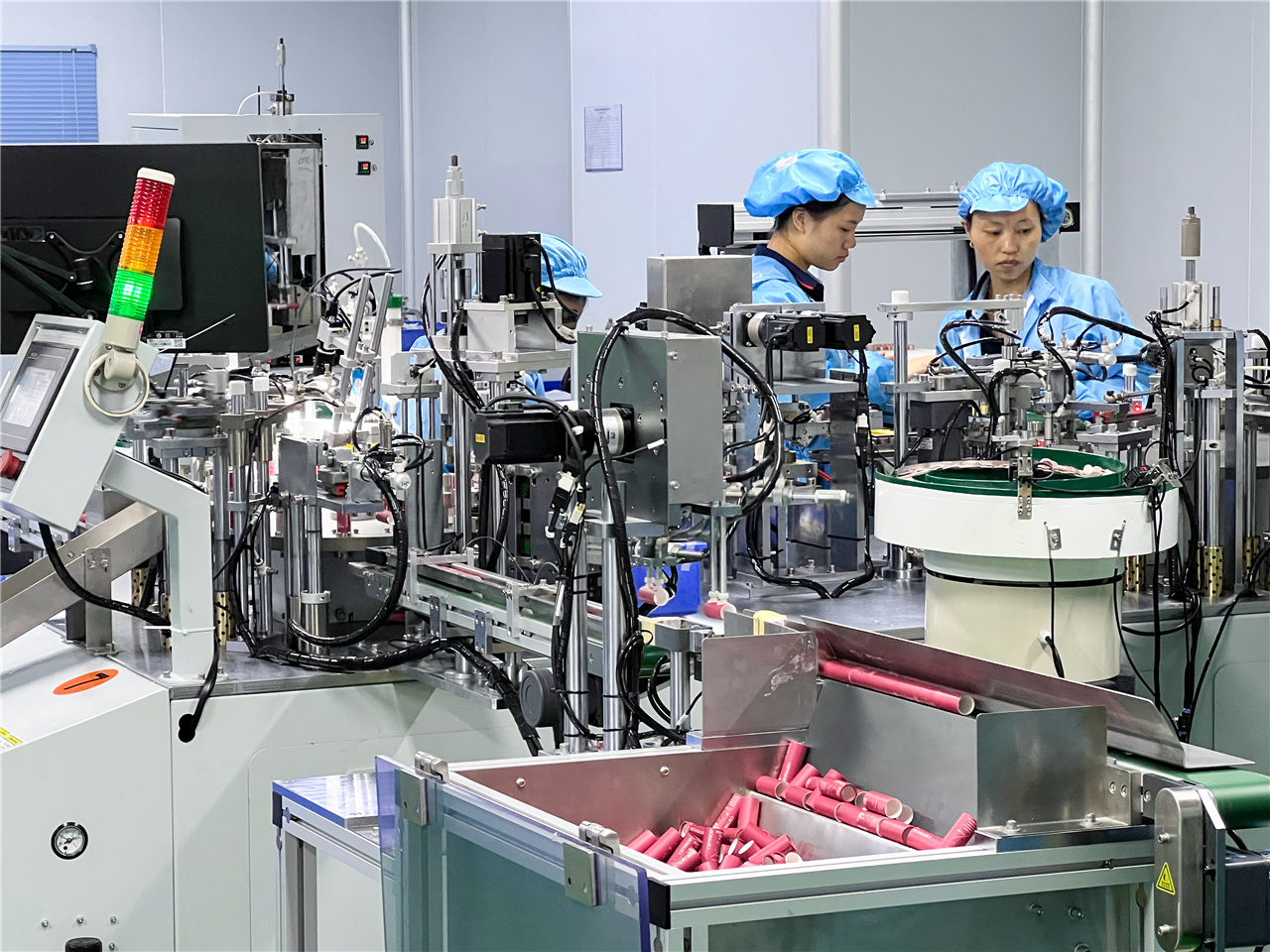
Sustainable packaging design is not an afterthought to slap on a formula; it is an intrinsic driver of customer acquisition costs (CAC) and unboxing retention. When cosmetic brands transition from small-batch artisanal runs into mass retail logistics, package structural integrity experiences rigorous stresses: drop impacts, automated conveyor friction, automated volumetric filling temperatures, and prolonged warehouse humidity cycles.
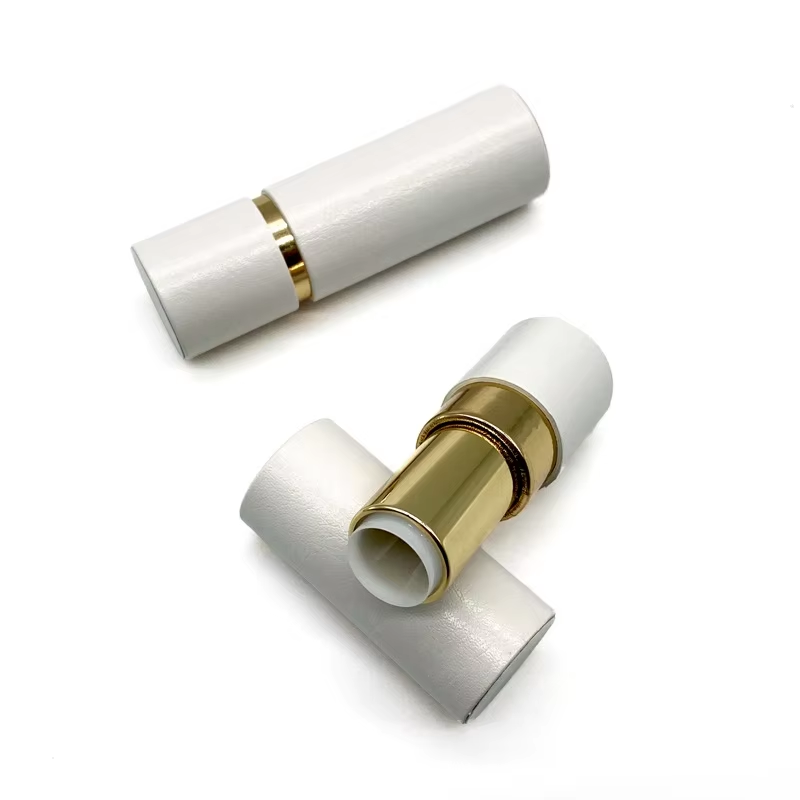
At inception, brands must maximize storytelling and minimize inventory debt. Utilizing customizable cardboard push-up tubes for solid serums, lip tints, and deodorants delivers a 100% plastic-free claim that converts eco-savvy early adopters. Paper canisters eliminate the need for costly $25,000 injection molds while providing complete graphic surface area for custom artwork, holographic stamping, and educational impact labeling.
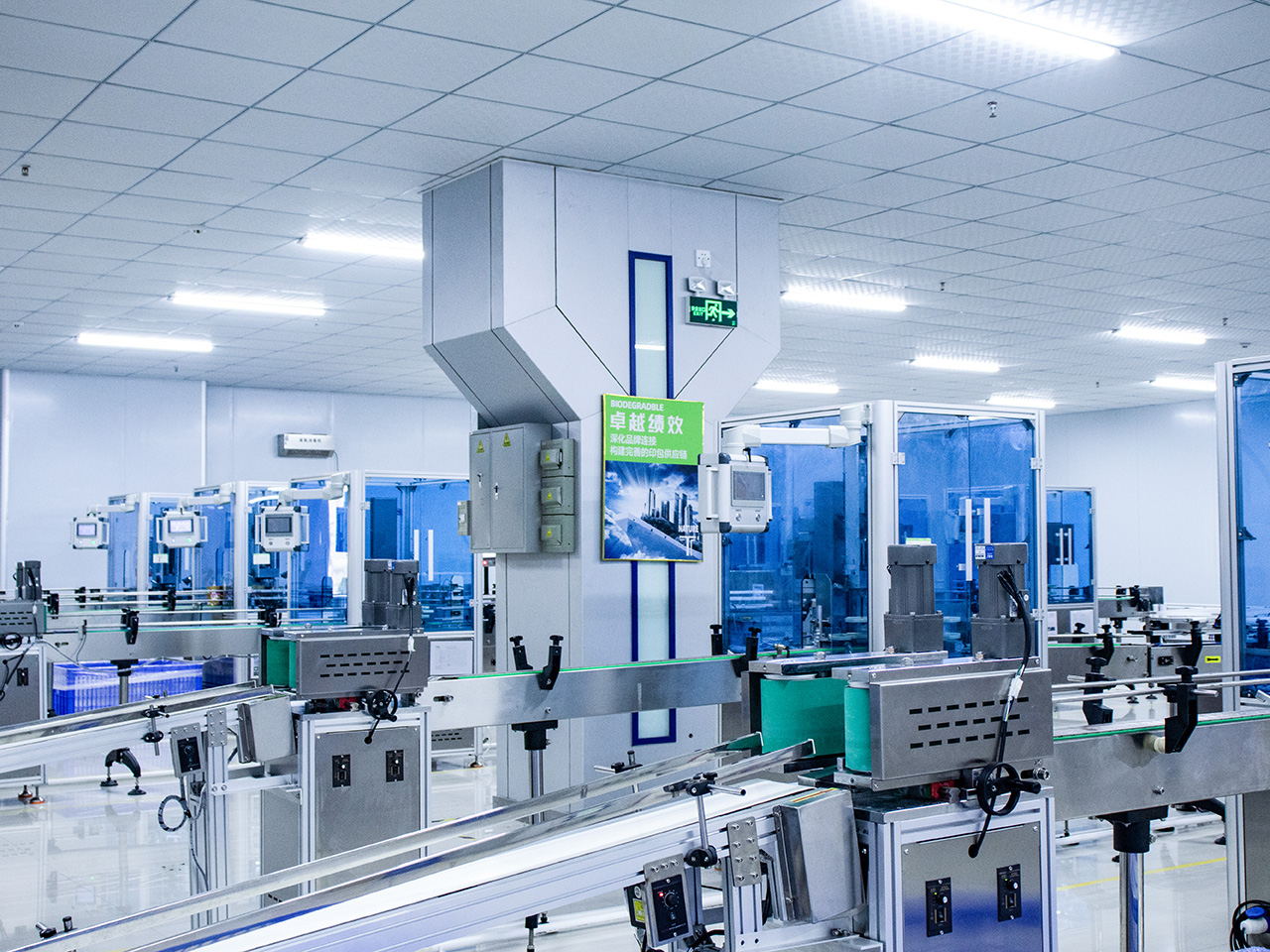
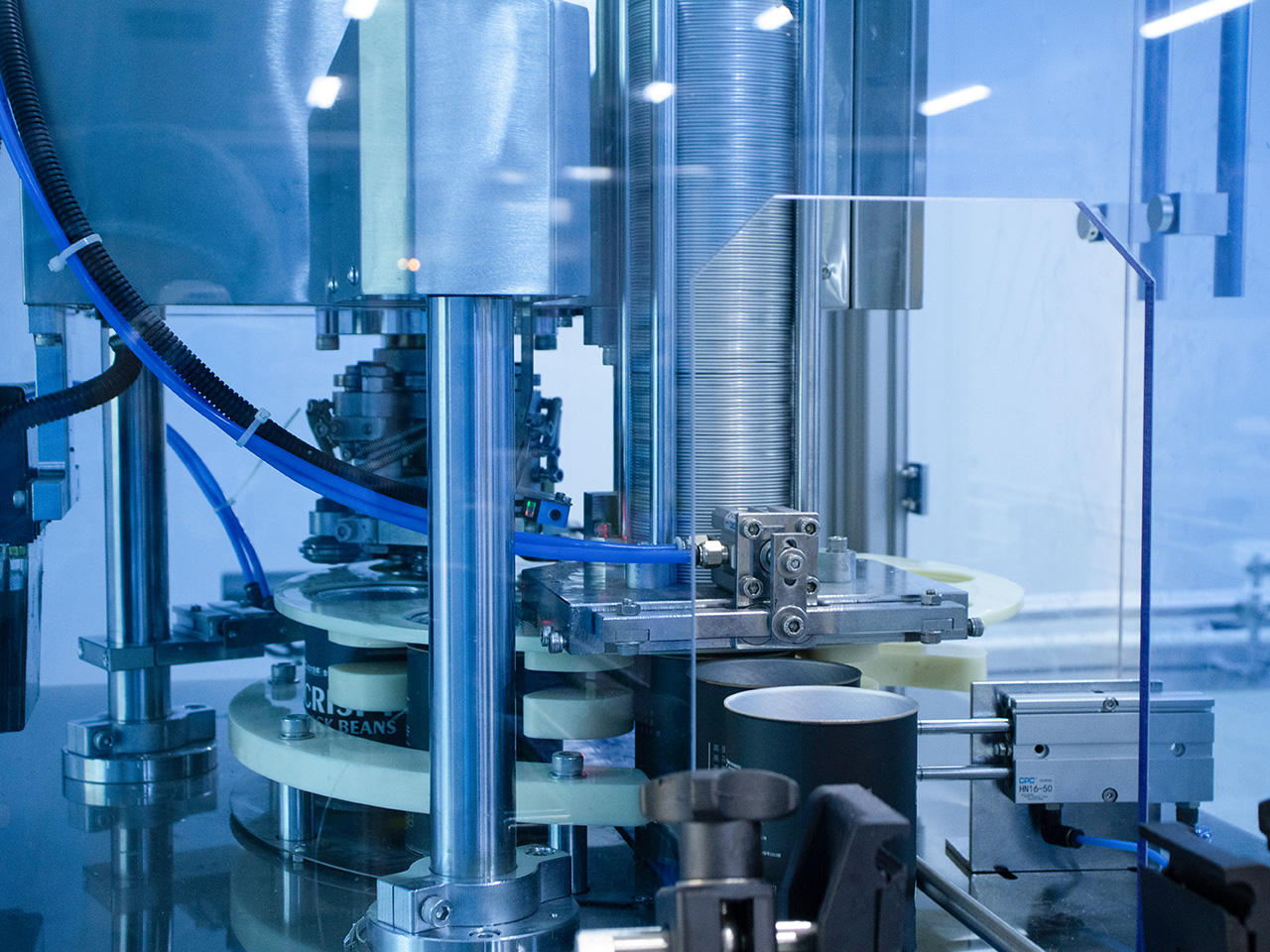
Entering nationwide retail demands exact tolerances. Tubes and canisters must resist high-speed pick-and-place grippers without denting, and closures must maintain airtight seal integrity to protect sensitive active ingredients (such as Vitamin C, retinol, and probiotic complexes) from oxidation and moisture evaporation. Nextruct’s 21 patented structures are calibrated specifically for automated and semi-automated contract packager (CMO/CDMO) equipment.
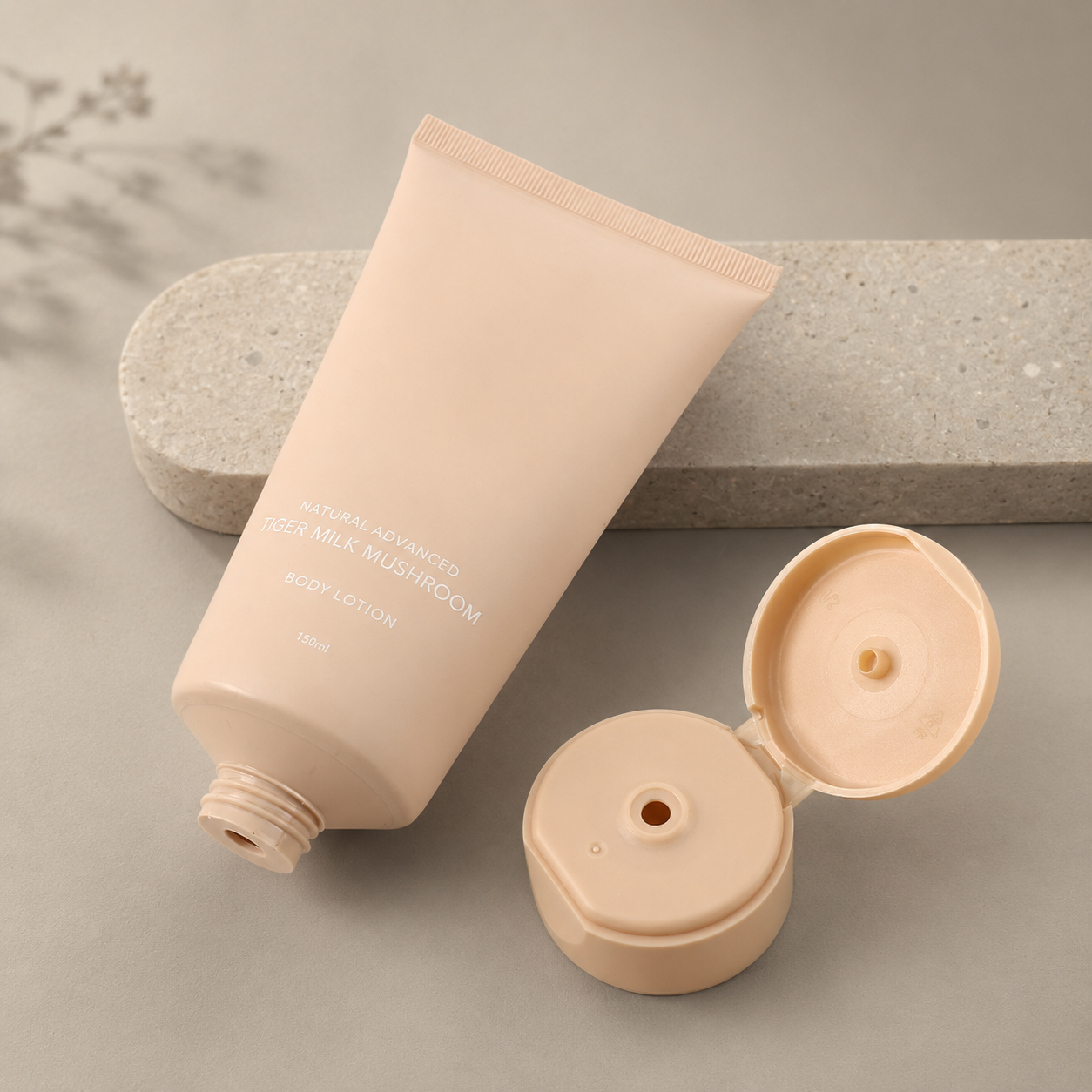
At global enterprise scale, cross-border shipping costs dictate that packaging must be ultra-lightweight. Replacing heavy double-walled virgin ABS plastic caps and jars with fiber composites and PCR-PE squeeze assemblies significantly slashes freight fuel consumption and mitigates regional plastic taxes across the UK, France, Germany, and California.
• Embodied Carbon: High-density recycled kraft tubes yield an estimated 65% reduction in CO2 emissions compared to virgin PET/SAN containers.
• Barrier Resilience: Patented vegetable wax and aqueous water-dispersion barriers achieve Water Vapor Transmission Rates (WVTR) and Oxygen Transmission Rates (OTR) comparable to multi-layer plastic sleeves.
• Post-Consumer Recyclability: Disassembles cleanly into natural municipal fiber streams, completely eliminating non-degradable microplastic residues in ocean biomes.