
Leave Your Message
The cosmetics and beauty industry is experiencing a profound paradigm shift. Globally, regulatory pressures, consumer expectations, and environmental mandates are converging, forcing cosmetic brands to re-evaluate their packaging strategies. At the heart of this transformation is the introduction of global plastic taxes. Regions like the European Union, the United Kingdom, and various states in the US have implemented strict plastic levies to curb the use of virgin plastics. For instance, the UK Plastic Packaging Tax (PPT) imposes a significant charge on plastic packaging components that contain less than 30% recycled plastic. Similarly, the EU's plastic levy penalizes non-recycled plastic packaging waste at a rate of €0.80 per kilogram.
For high-end and mass-market cosmetic brands, these taxes represent a major operational expense that directly eats into profit margins. Kosmetik packaging, which traditionally relied on multi-layered virgin plastics for aesthetic appeal and product preservation, is now one of the primary targets of these regulations. To remain competitive and minimize these heavy tax liabilities, forward-thinking brands are turning to sustainable materials. By adopting paper-based designs, post-consumer recycled (PCR) resins, and hybrid packaging systems, companies can successfully bypass plastic levies while establishing a green, tech-forward brand identity.

Nextruct delivers industry-leading structural engineering that directly addresses the challenges of replacing plastics in cosmetic packaging. Our core expertise includes:


To successfully bypass plastic taxes, kosmetik packaging must minimize the weight of virgin fossil-based plastics. Nextruct achieves this through a multi-tiered material strategy that combines natural fibers, post-consumer recycled resins, and bio-based barriers. Below is a breakdown of the primary materials driving this sustainable revolution:
Paper and paperboard derived from responsibly managed forests serve as the structural backbone. Naturally biodegradable and widely recyclable, cellulose fiber has a zero-tax rating globally.
For applications where flexible plastics are unavoidable (such as squeeze tubes), utilizing Post-Consumer Recycled (PCR) polyethylene and polypropylene ensures compliance with tax exemption thresholds.
To protect paper containers from oil and water-based cosmetic formulas, we integrate plant-derived, biodegradable PLA and water-based coatings that maintain recyclability.
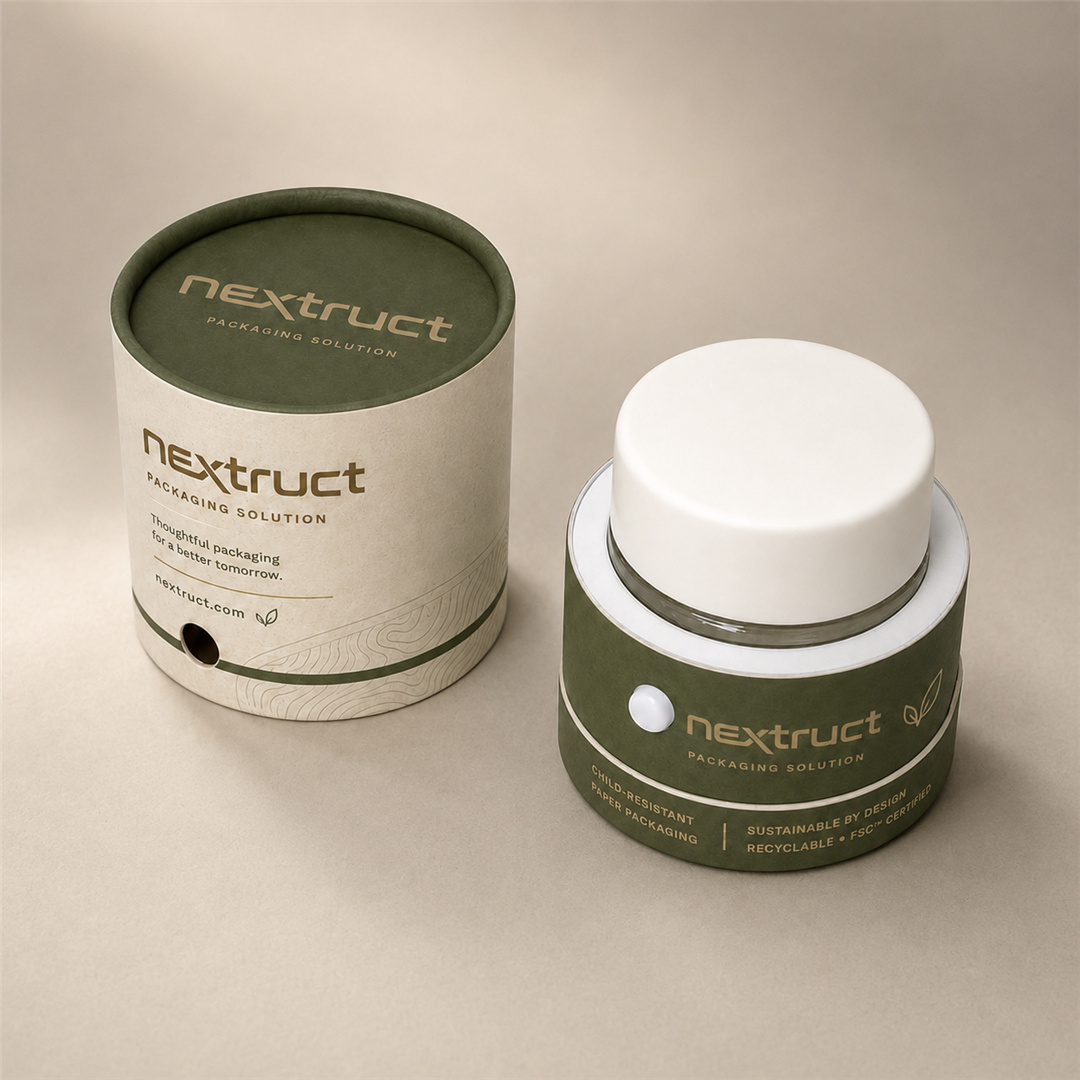
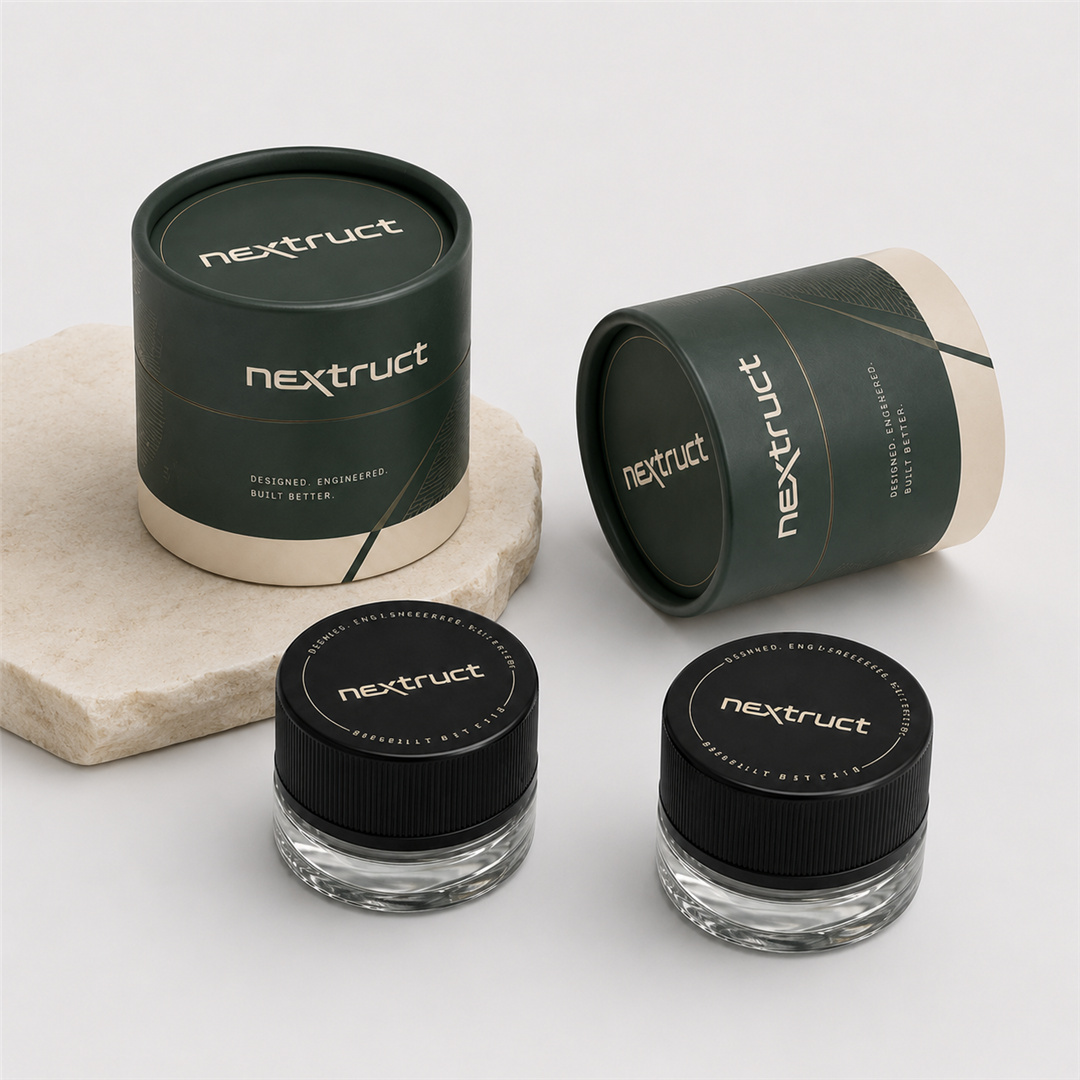
Consider a standard skincare cream jar. Historically, this jar would be made from a heavy, double-walled acrylic or virgin PET container weighing approximately 80 grams. Under new plastic tax frameworks, a production run of 1 million units could incur tens of thousands of dollars in direct taxes. By transitioning to a Nextruct hybrid system—featuring a lightweight, infinitely recyclable glass inner jar housed within a structural paper-molded outer shell—the plastic weight is reduced to zero. The brand not only eliminates its tax liability entirely but also gains a marketing edge by offering a premium, tactile, and eco-friendly unboxing experience.
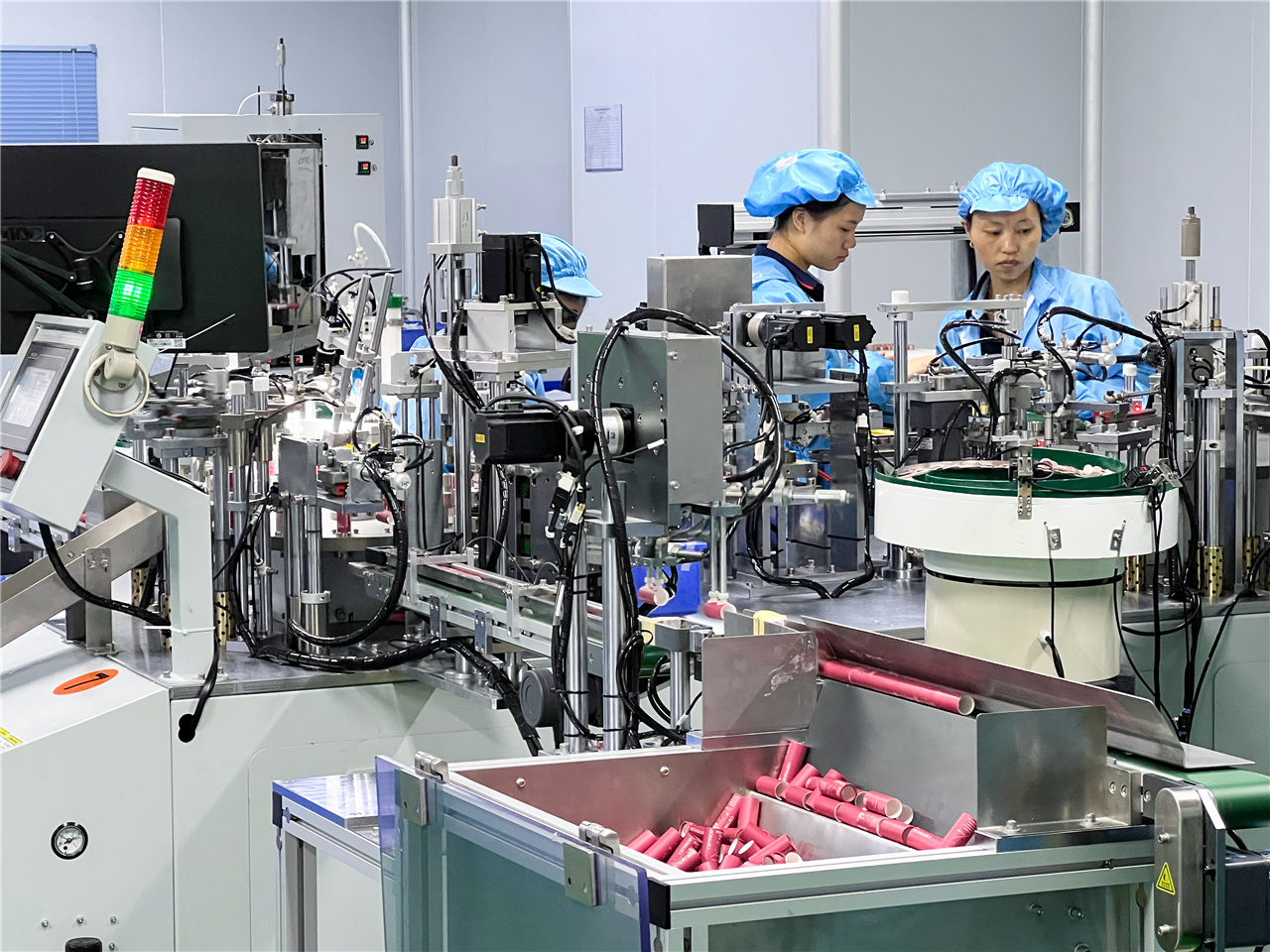
We integrate structural engineering and design capabilities with a global supply chain to provide end-to-end solutions from concept development to mass production and delivery, helping brands achieve packaging innovation and market differentiation.
Our structural design team works closely with cosmetic chemists to ensure that our paper-based and PCR solutions are fully compatible with active ingredients. We test for shelf-life stability, barrier properties, and user ergonomics to guarantee that moving away from plastic does not mean compromising on product performance.
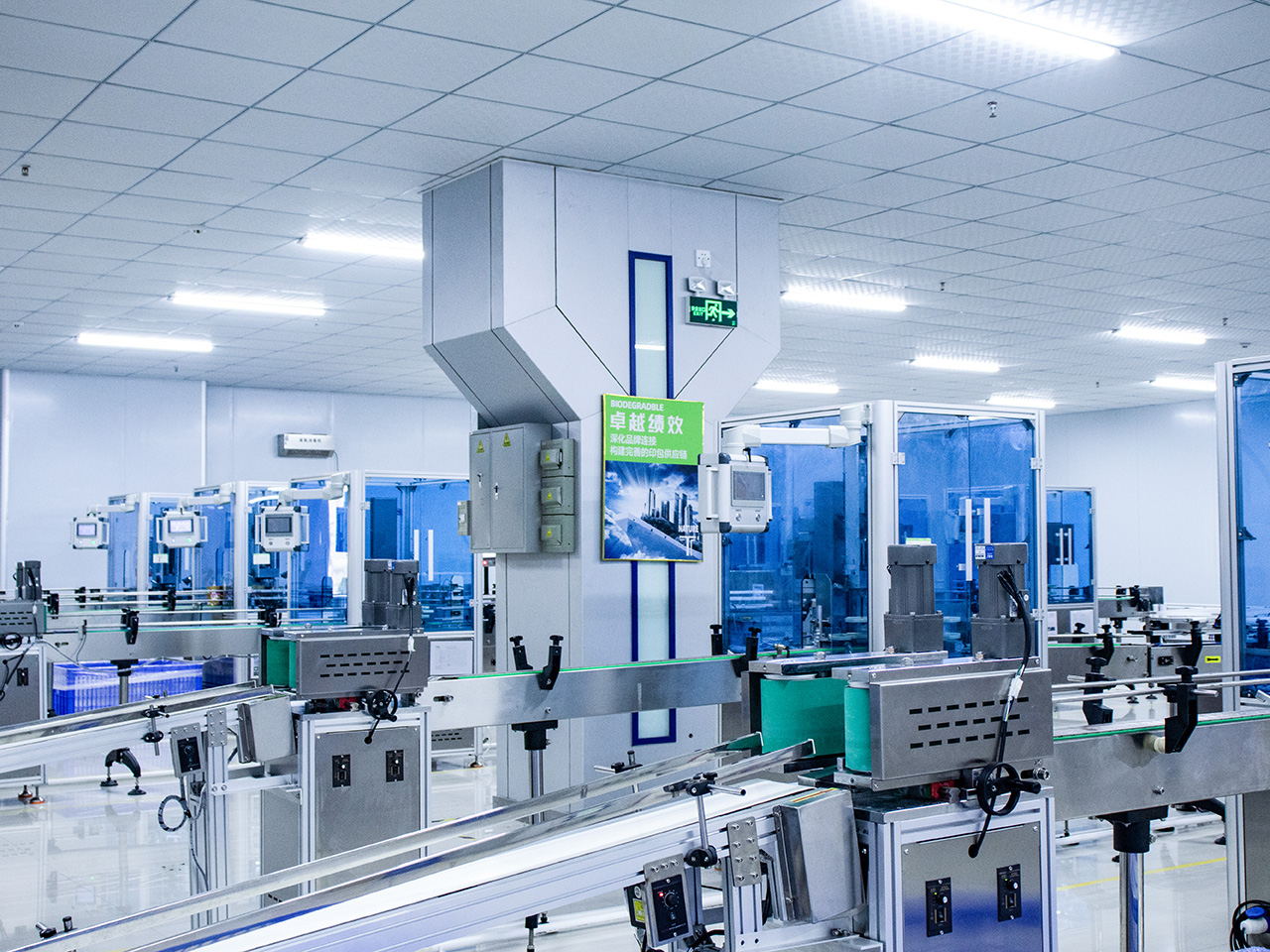
Nextruct strictly adheres to three ISO management systems and the SA8000 social responsibility standard, and holds FSC certification, ensuring its production and supply chain are compliant and well-regulated, providing global clients with compliant, high-quality, and environmentally friendly product solutions.
As international regulations around packaging waste grow increasingly complex, having a fully certified manufacturing partner is essential. Our certifications provide assurance that your brand's transition to sustainable packaging is backed by verified ethical, environmental, and quality standards.
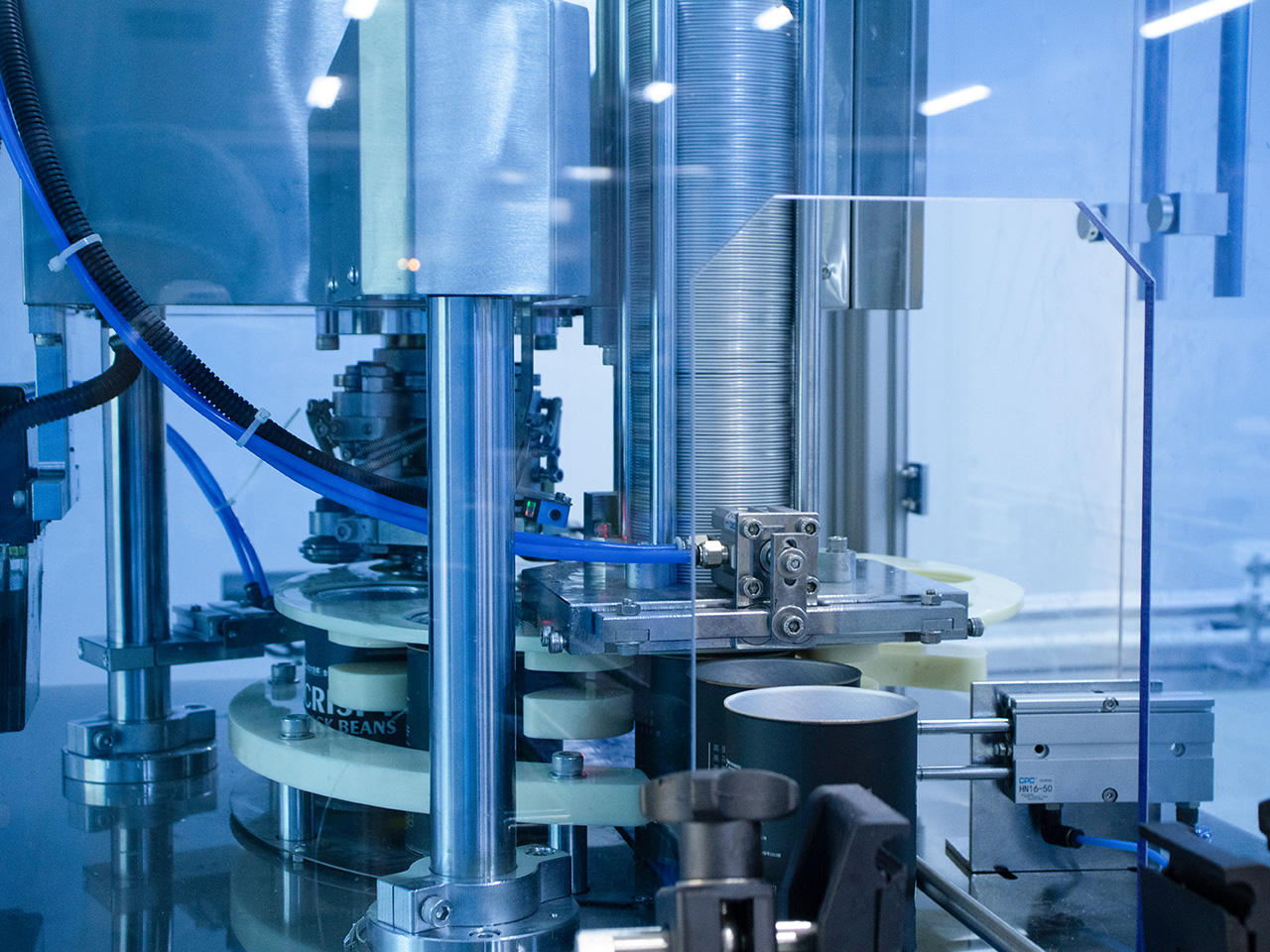
More than a regular packaging supplier, we serve as your reliable long-term ally to advance continuous packaging innovation.
Our research and development pipeline is constantly exploring the next generation of materials, including seaweed-derived coatings, mycelium inserts, and advanced fiber pulping techniques. By partnering with Nextruct, beauty brands stay ahead of legislative changes and consumer trends, ensuring their packaging remains both tax-efficient and highly desirable.
Sustainable packaging is not a one-size-fits-all solution. Different cosmetic products require distinct barrier properties, structural designs, and user interactions. Here is how Nextruct applies sustainable materials across various beauty and personal care categories:
Skincare formulas often contain volatile botanical extracts, active vitamins, and high water content, making them highly sensitive to oxygen and moisture. Traditional packaging relies heavily on thick plastic jars. Nextruct's solution involves hybrid integration. We combine an ultra-lightweight, recyclable glass jar with an outer protective shell made of high-density molded pulp or FSC paperboard. The plastic pump or lid is replaced with a PCR-PP or wood-composite cap. This hybrid construction reduces overall plastic use by up to 90%, easily qualifying the product for the lowest tax rates while keeping the formulation pristine.
Color cosmetics are fast-moving consumer goods that generate vast amounts of small plastic waste. Nextruct has developed 100% paper-based push-up tubes and magnetic closure palettes. By utilizing patented greaseproof paper structures, these containers can hold oil-rich wax formulas like lip balms and solid lipsticks directly, eliminating the inner plastic mechanism. The result is a fully compostable package that stands out on retail shelves due to its unique organic texture and minimalist aesthetic.
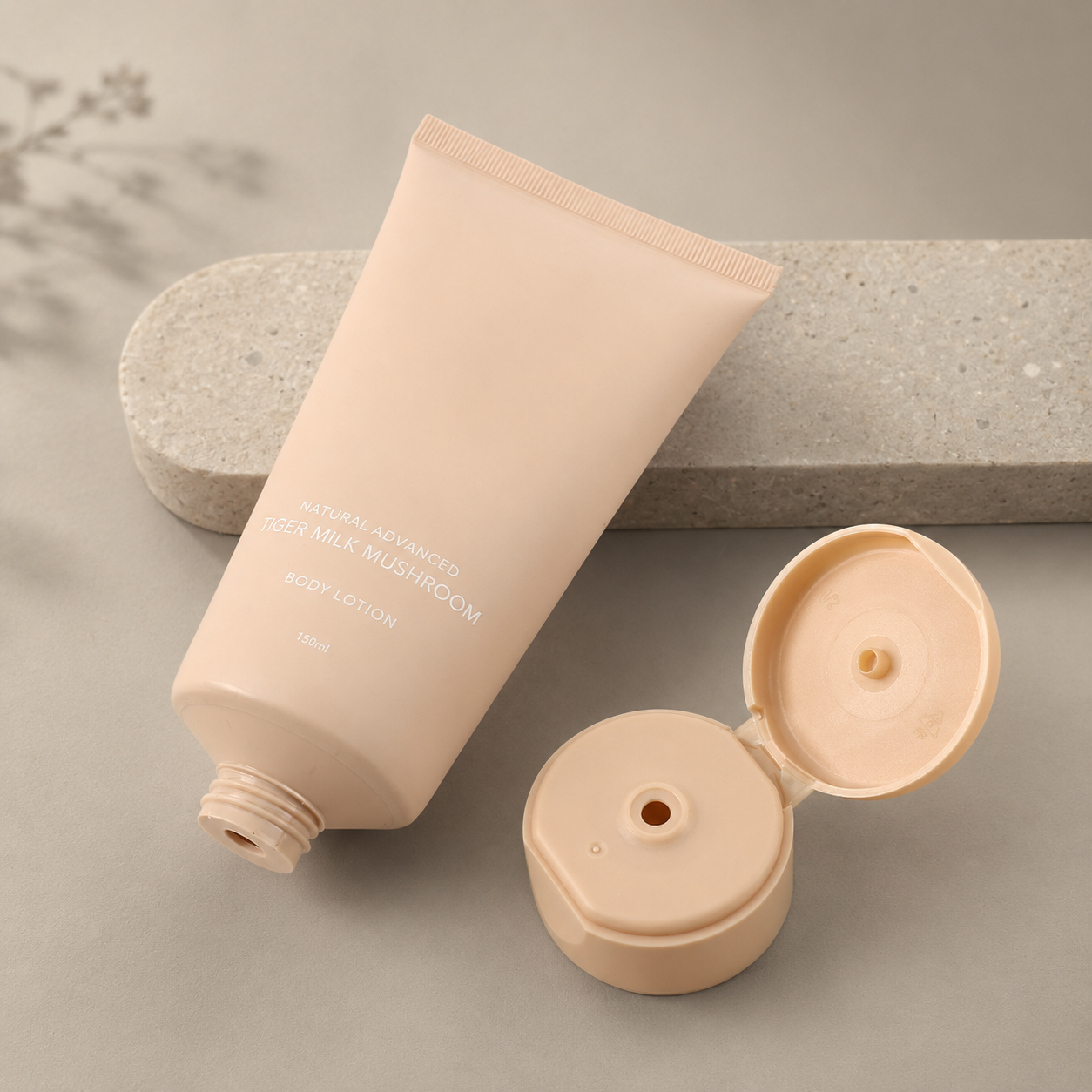
For liquid foundations, sunscreens, and facial cleansers, flexible squeeze tubes are the industry standard. Replacing these entirely with paper can be challenging. Nextruct addresses this with our Custom PCR-PE Squeeze Tubes. By sourcing high-quality post-consumer recycled polyethylene, we ensure that the packaging exceeds the 30% recycled content threshold required by most plastic tax laws. These tubes offer the exact same barrier protection, flexibility, and decoration options (such as silk screening and hot stamping) as virgin plastic tubes, but with a fraction of the carbon footprint and zero tax penalties.
The wellness boom has led to a surge in beauty supplements, collagen powders, and vitamin capsules. Nextruct's high-performance fiber canisters and paper tubes with airtight lids provide the perfect light and moisture barrier for dry formulas. These paper canisters are fully recyclable in standard paper streams, offering a highly tactile, premium alternative to large, bulky HDPE plastic tubs.
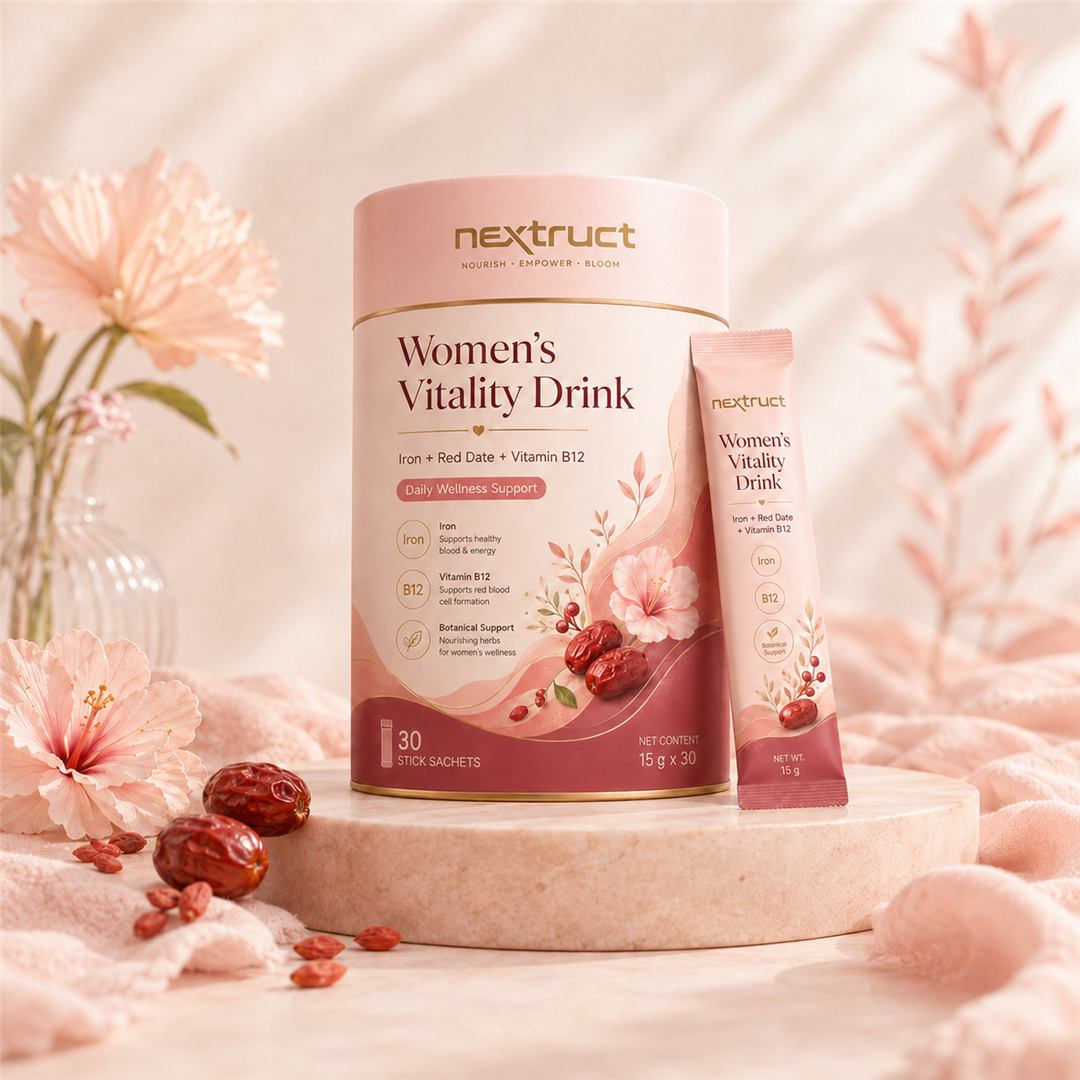
As sustainability transitions from a corporate social responsibility (CSR) initiative to a legally enforced financial mandate, the design of kosmetik packaging must evolve. Brands that continue to rely on virgin, non-recyclable plastic packaging will face escalating tax burdens and declining consumer loyalty. By contrast, adopting structure-driven, paper-based, and PCR hybrid packaging solutions offers a clear path to long-term profitability and environmental stewardship.
At Nextruct, we are committed to guiding beauty brands through this complex regulatory landscape. Our award-winning structural designs, extensive patent portfolio, and adherence to international quality standards make us the premier choice for brands seeking to minimize their plastic tax liabilities without sacrificing the luxury feel and functionality that consumers expect. Contact us today to explore how we can transform your packaging portfolio for a sustainable, tax-efficient future.