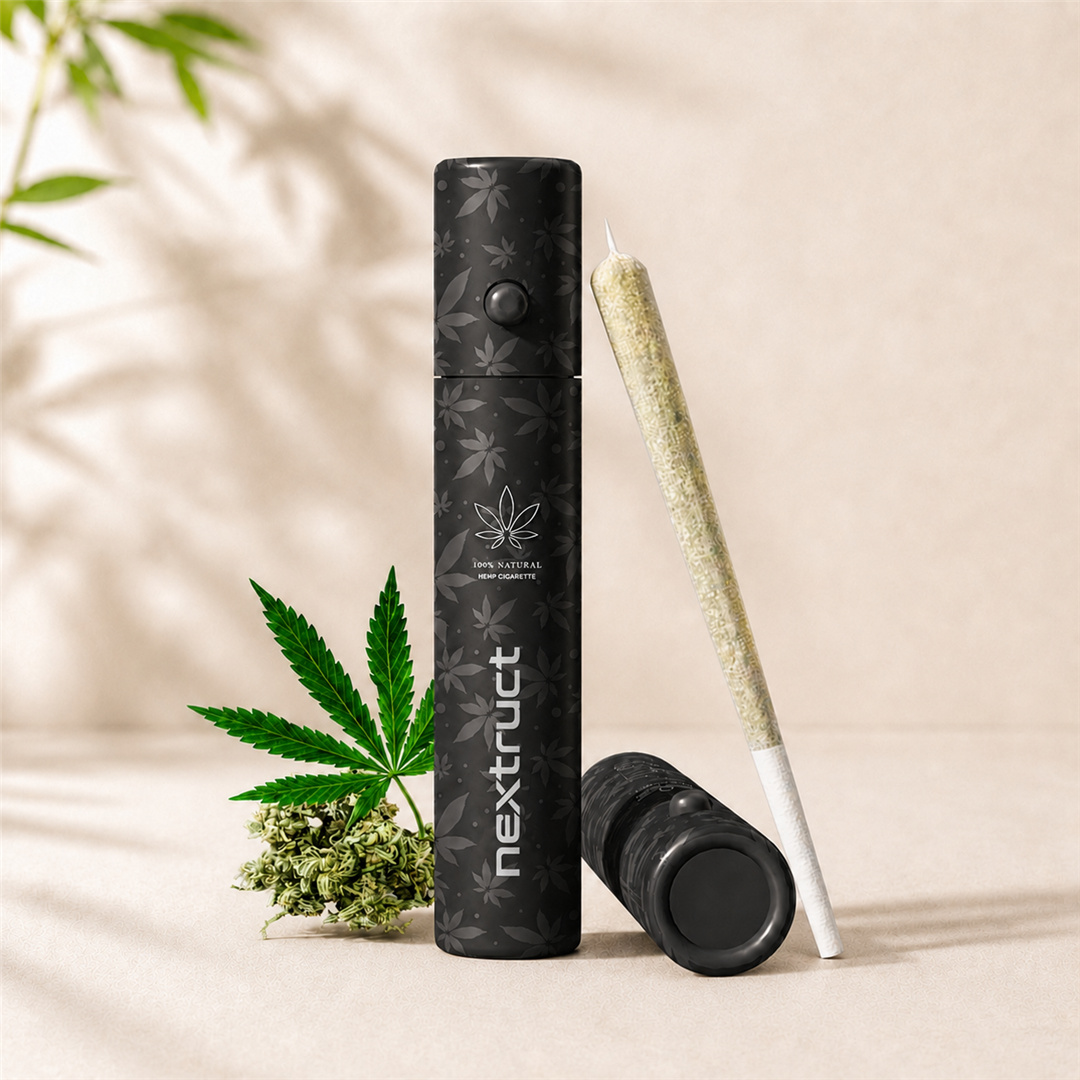
Leave Your Message
Explore our premium packaging solutions designed to streamline complex supply networks.
In today's global market, brands face unprecedented complexity when bringing products to shelf. The traditional packaging supply chain is highly fragmented, requiring procurement teams to coordinate with multiple vendors: one for glass jars, another for plastic closures, a third for child-resistant mechanisms, and yet another for external outer cartons or gift boxes. This siloed workflow introduces massive logistics friction, drives up transport-related carbon footprints, and leaves brands vulnerable to dimensional mismatches during final assembly.
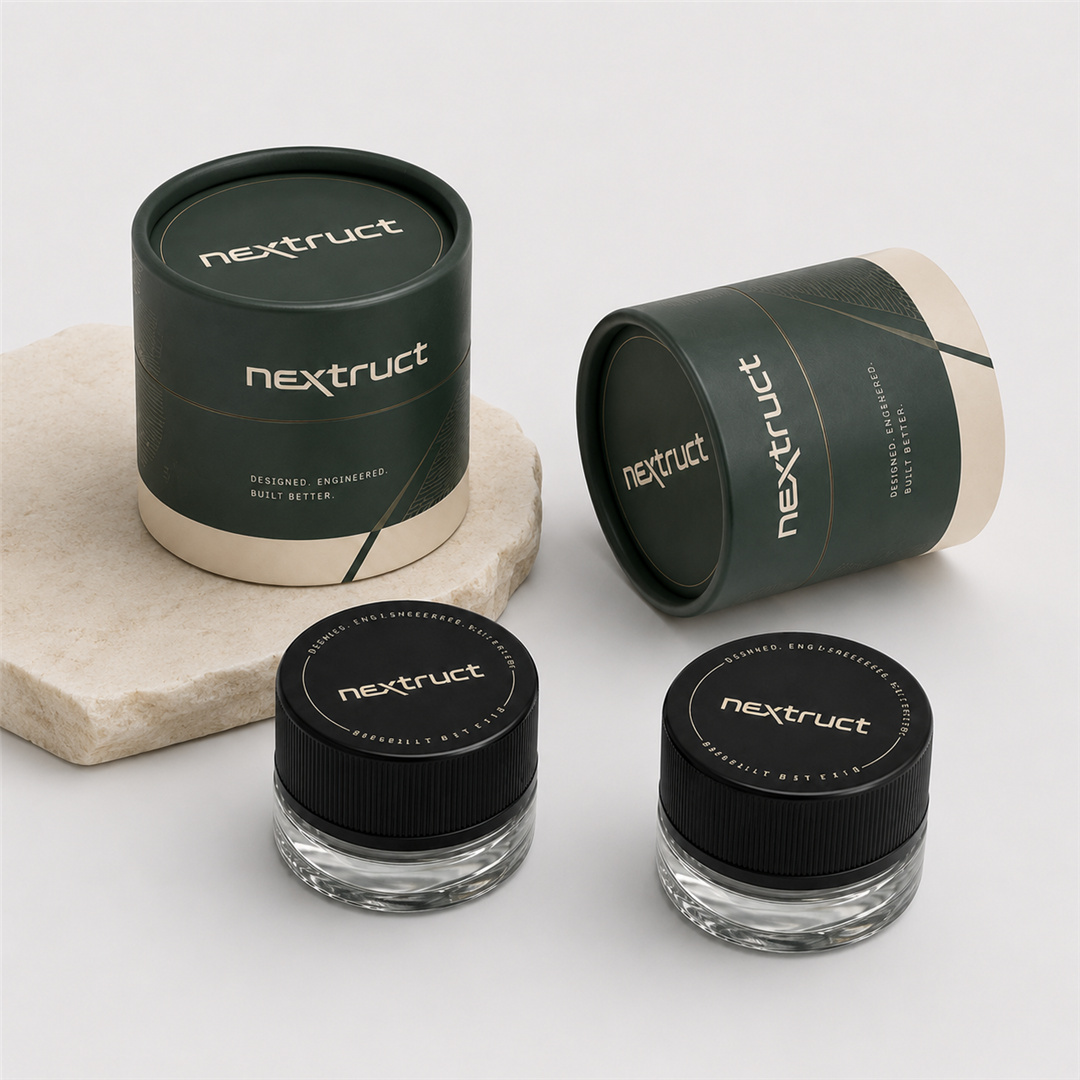
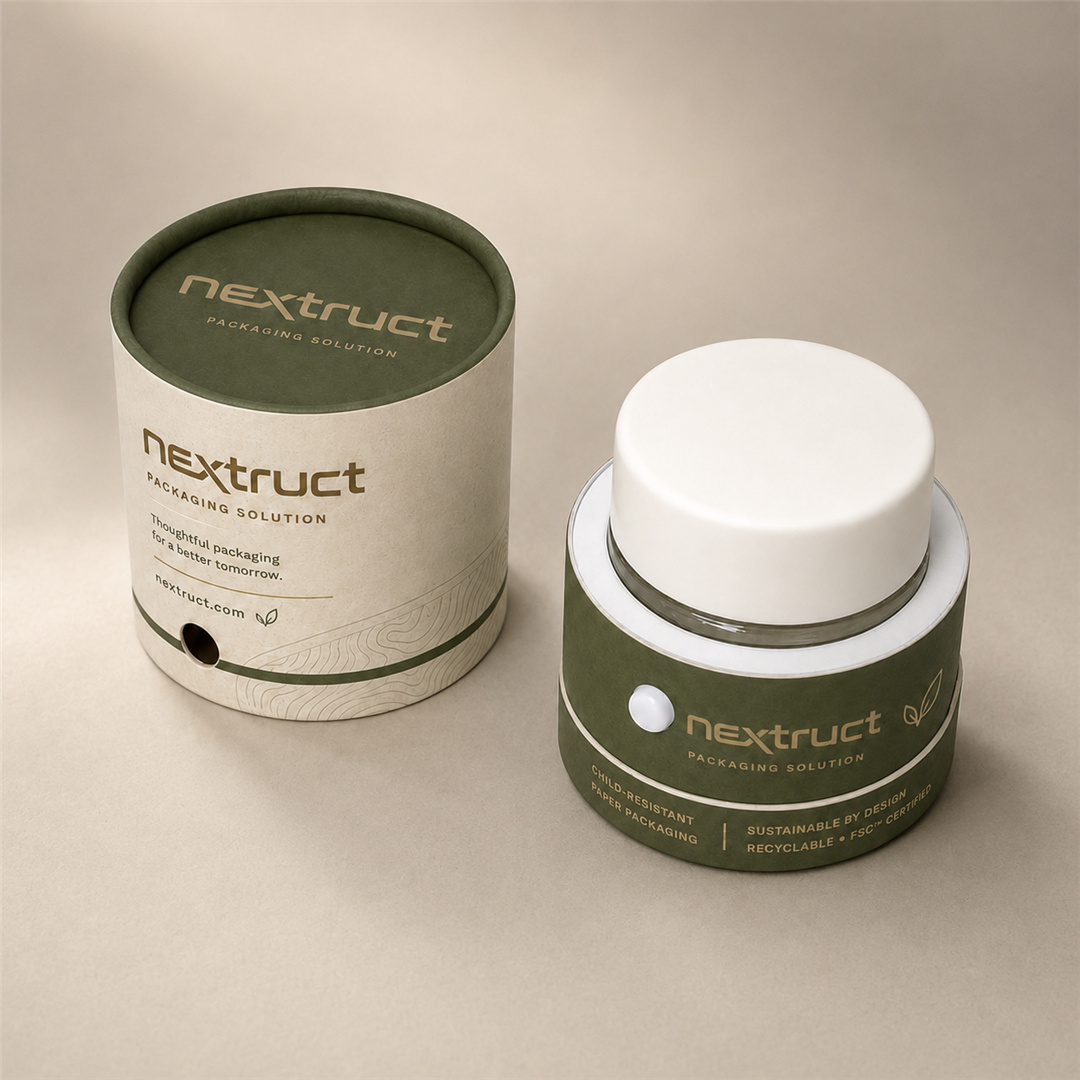
When primary packaging components (like a glass concentrate jar) do not align perfectly with secondary elements (like a custom paper tube), production halts. This is where the concept of "In The Box" packaging acts as a strategic consolidator, streamlining fragmented supply chains by unifying structural engineering, material integration, and graphic design under a single manufacturing framework.
"By integrating primary containers and secondary protective structures at the design phase, brands can eliminate up to 30% of supply chain steps, significantly reducing lead times and ensuring 100% structural compatibility."
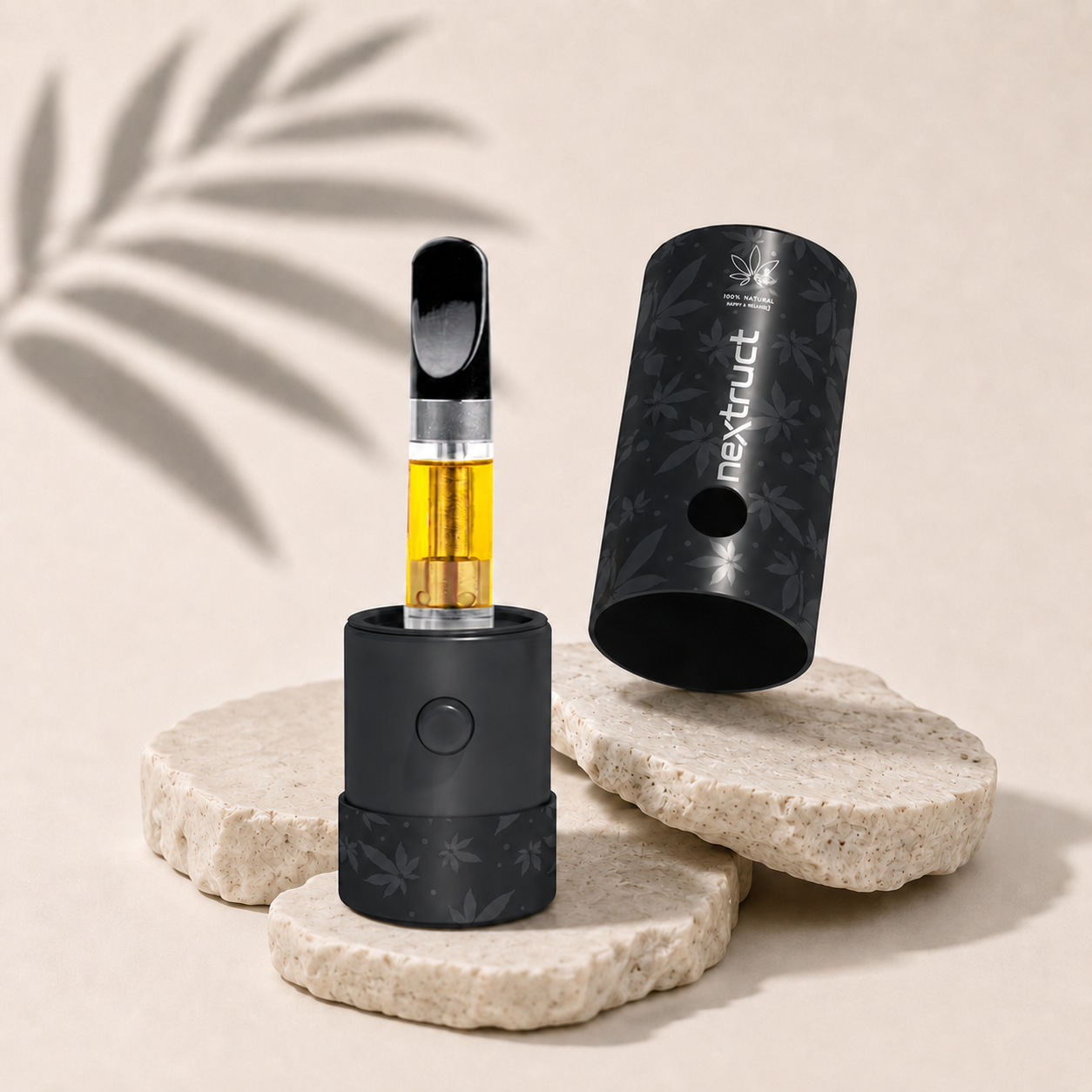
Modern regulatory environments, especially in the cosmetics, wellness, and electronic cigarette sectors, demand compliant and sustainable packaging. Achieving plastic-free child resistance (CR) or integrating PCR (Post-Consumer Recycled) plastics requires deep structural knowledge. When packaging is engineered holistically—ensuring that the insert, the container, and the outer box function as a single unit—brands achieve superior product protection, compliance, and custom aesthetics without juggling multiple suppliers.
Furthermore, the shift toward sustainable materials requires strict adherence to global standards. Utilizing FSC-certified fiberboard, biodegradable paper structures, and ocean-bound plastics requires a transparent, unified chain of custody. By consolidating production with a single partner capable of hybrid integration, brands bypass the complexities of tracking compliance across fragmented networks.

Our journey began with a simple realization: packaging is not just a container; it is an extension of the product's engineering. By focusing on structural design, we help brands transition away from single-use plastics to biodegradable, high-performance fiber solutions. Our recognition at the 2026 Red Dot Design Awards highlights our commitment to combining aesthetic elegance with functional sustainability.
To successfully streamline supply chains, a manufacturer must possess multi-material expertise and advanced structural prototyping capabilities. Nextruct bridges the gap between raw material science and finished retail presentation.
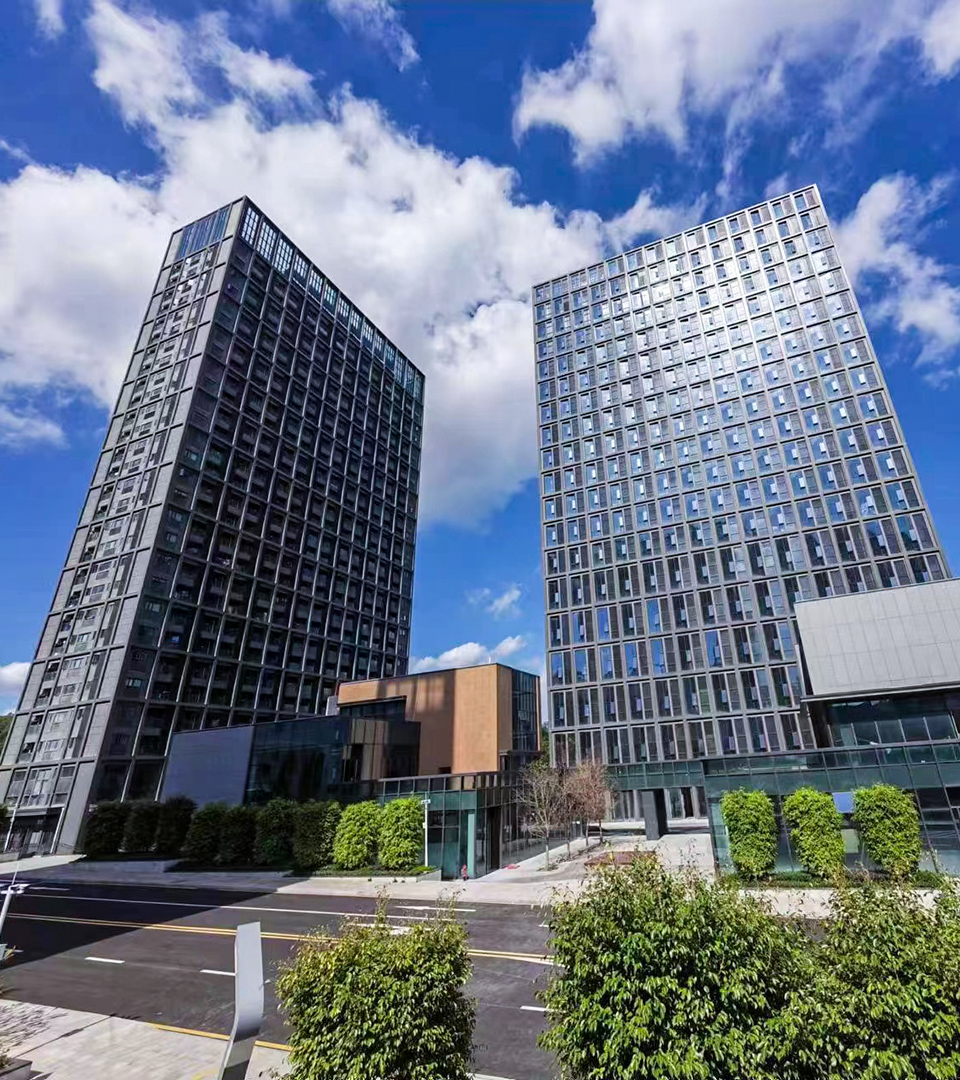

How we help global brands eliminate fragmented vendors and accelerate time-to-market.
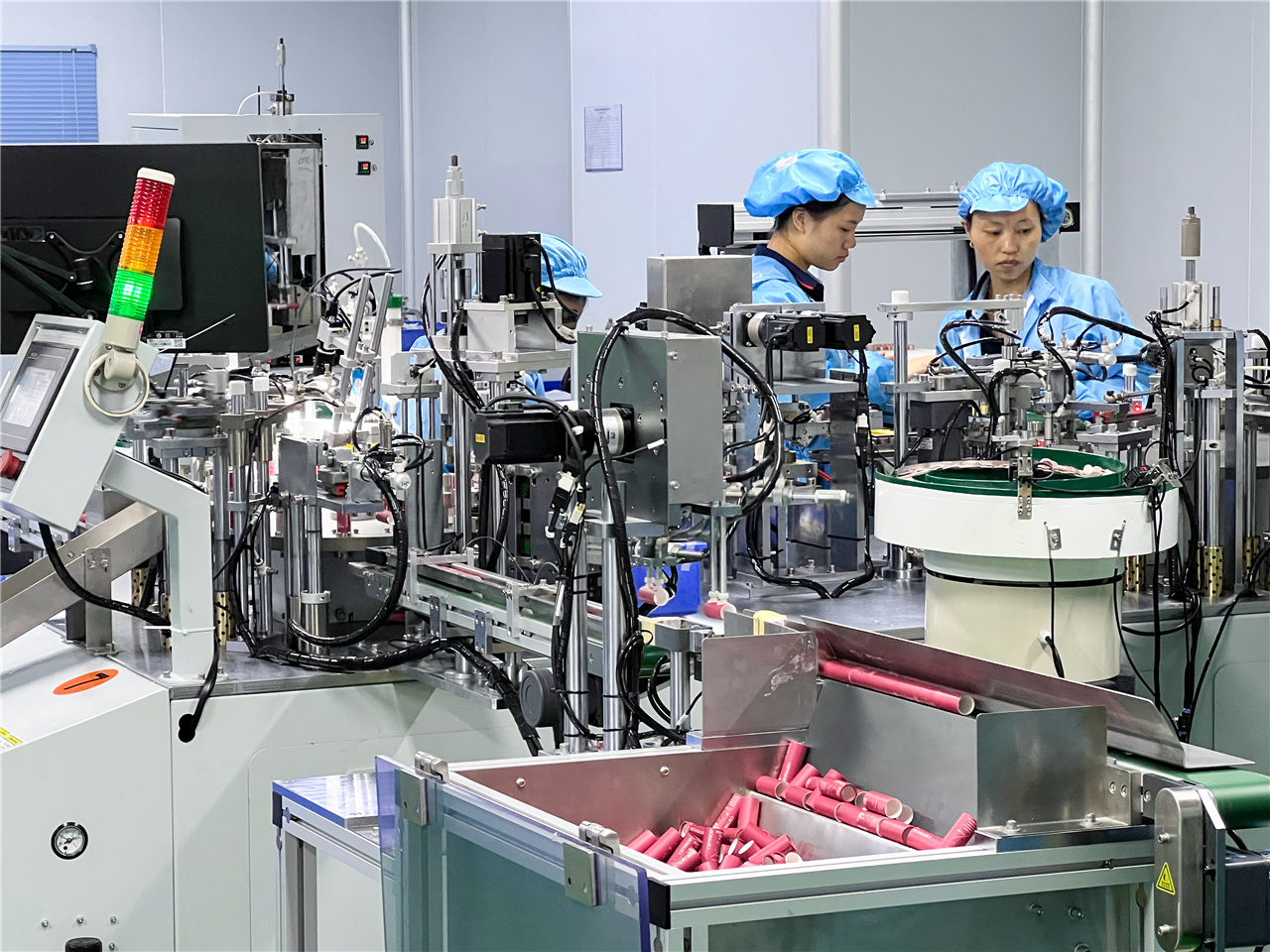
We integrate structural engineering and design capabilities with a global supply chain to provide end-to-end solutions from concept development to mass production and delivery, helping brands achieve packaging innovation and market differentiation.
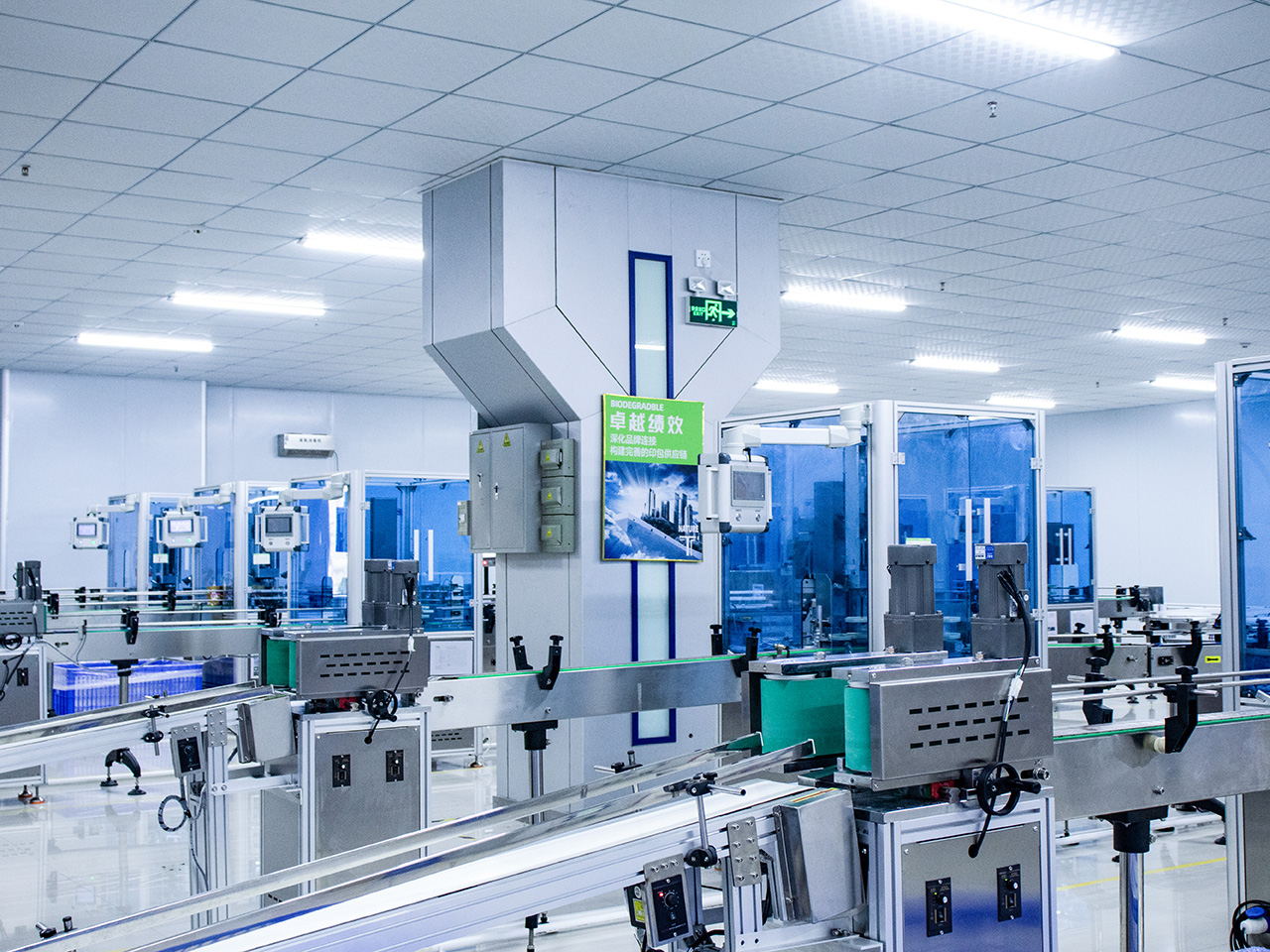
Nextruct strictly adheres to three ISO management systems and the SA8000 social responsibility standard, and holds FSC certification, ensuring its production and supply chain are compliant and well-regulated, providing global clients with compliant, high-quality, and environmentally friendly product solutions.
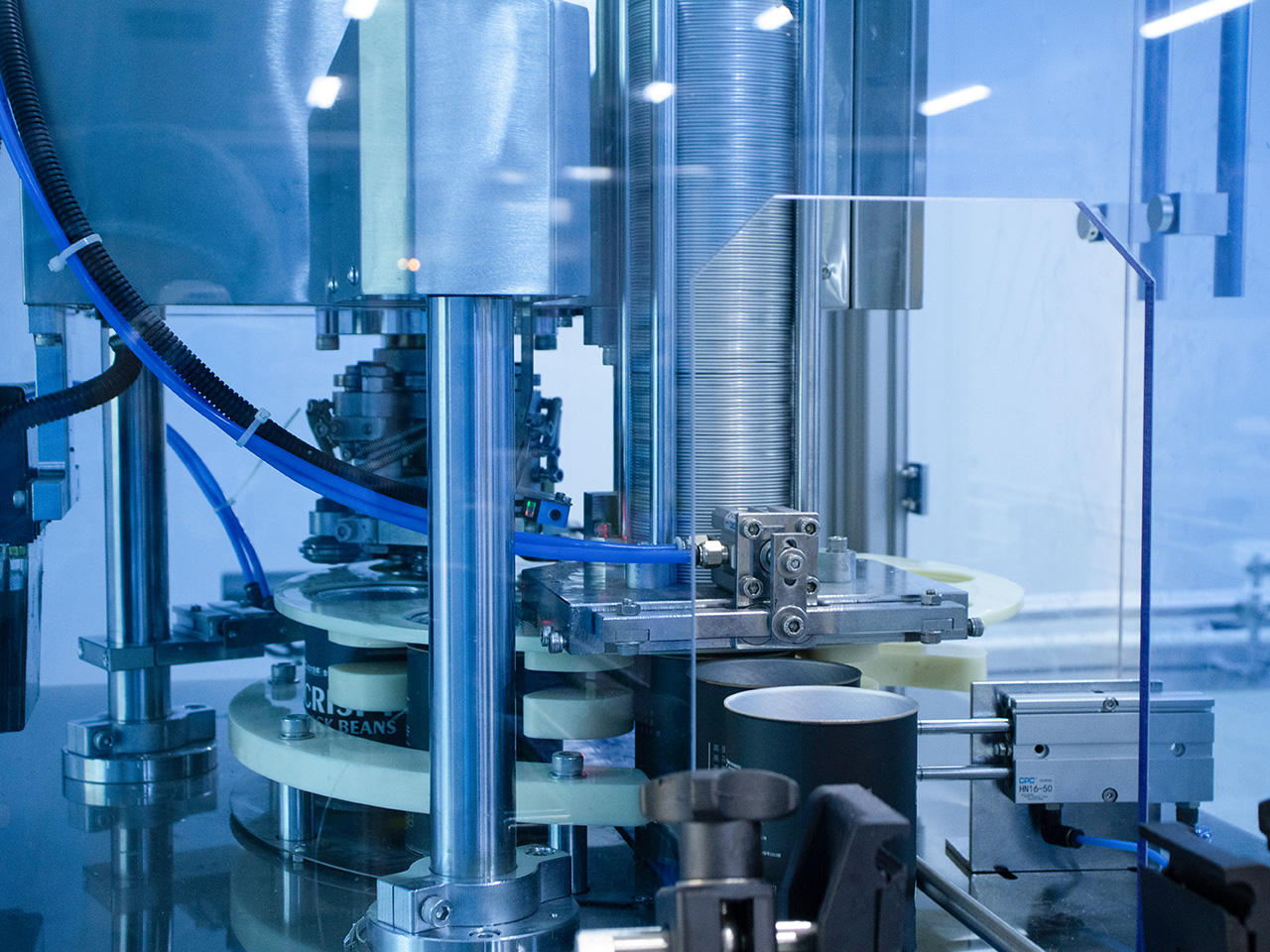
More than a regular packaging supplier, we serve as your reliable long-term ally to advance continuous packaging innovation, ensuring your packaging evolution matches market changes and consumer demands.
Looking ahead, the packaging industry is shifting rapidly toward circular business models. Consumers no longer tolerate excessive plastic components, and governments are enforcing stricter EPR (Extended Producer Responsibility) laws. For brands navigating these changes, consolidating packaging components into a unified "In the Box" concept is no longer optional—it is a survival strategy.
The biggest challenge in recycling is the separation of mixed materials (e.g., plastic trays inside paper boxes). Future trends point toward mono-material packaging, where the container, insert, and outer shell are all derived from the same organic source, such as molded fiber or FSC-certified paperboard. This simplifies the recycling process for the end consumer and reduces sorting costs for municipalities.
By utilizing advanced CAD structural design and rapid visual modeling, Nextruct simulates physical drops, compression loads, and environmental stress before a single physical prototype is made. This digital-first approach drastically cuts down on sample iterations, reducing waste and accelerating the path to mass production.
As retail channels shift further toward e-commerce, the outer box must serve as both a shipping container and a premium unboxing experience. "In the Box" design ensures that secondary packaging requires no additional bubble wrap or plastic fillers, utilizing custom-cut paper inserts that secure the product perfectly during transit.
Explore our full range of sustainable, child-resistant, and custom-engineered packaging solutions.