Leave Your Message
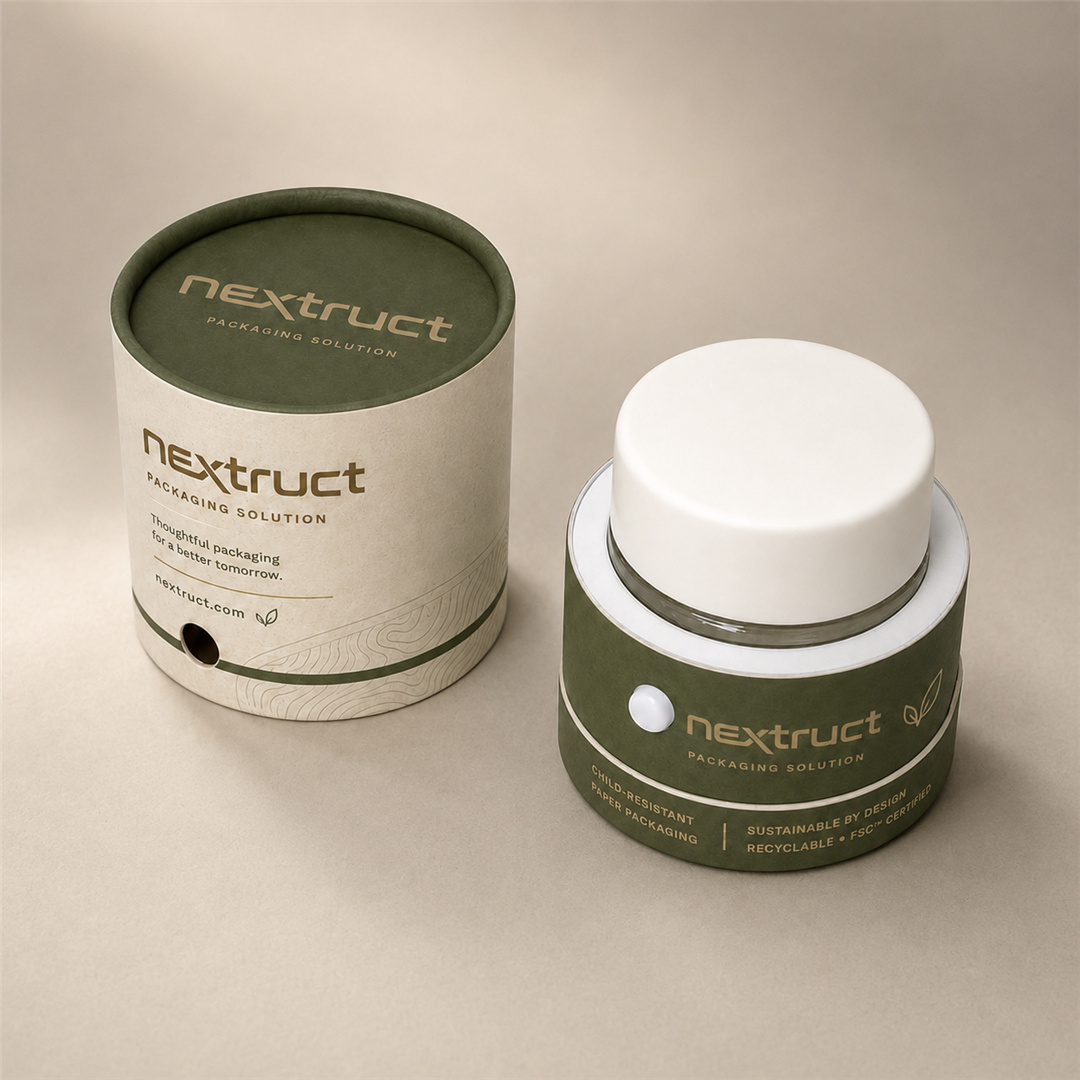
The global consumer goods sector is undergoing a profound paradigm shift. Driven by aggressive legislative mandates, such as the European Union’s Packaging and Packaging Waste Regulation (PPWR), and an unprecedented surge in consumer environmental consciousness, brands are urgently seeking alternatives to conventional single-use plastics. Among these alternatives, carton tube packaging has emerged as a frontrunner. Its cylindrical aesthetic, structural rigidity, and organic tactile feel make it highly desirable for premium cosmetics, personal care, nutraceuticals, and wellness products.
However, the transition from polymer-based containers to paper-based tubes is fraught with engineering challenges. Historically, paper packaging was restricted to dry applications because of its inherent hydrophilicity and porosity. When exposed to liquids, semi-solids, oils, or volatile compounds, untreated paper absorbs moisture, leading to structural degradation, delamination, and catastrophic leakage. To replace plastic bottles and jars, modern carton tube packaging must incorporate highly sophisticated, leak-proof paper tube design requirements.
Traditional barrier solutions relied on laminating paperboard with thin layers of Polyethylene (PE) or Aluminum foil. While highly effective at preventing leaks, these multi-material composites are nearly impossible to recycle in standard pulping mills. The modern industrial trend demands mono-material circularity or the use of biodegradable, water-based dispersion coatings that yield high barrier performance without compromising the compostability or recyclability of the paper fiber matrix.

Achieving a reliable, leak-proof seal in paperboard packaging is not a one-size-fits-all endeavor. Different product formulations present unique physical and chemical challenges that dictate specific design rules.
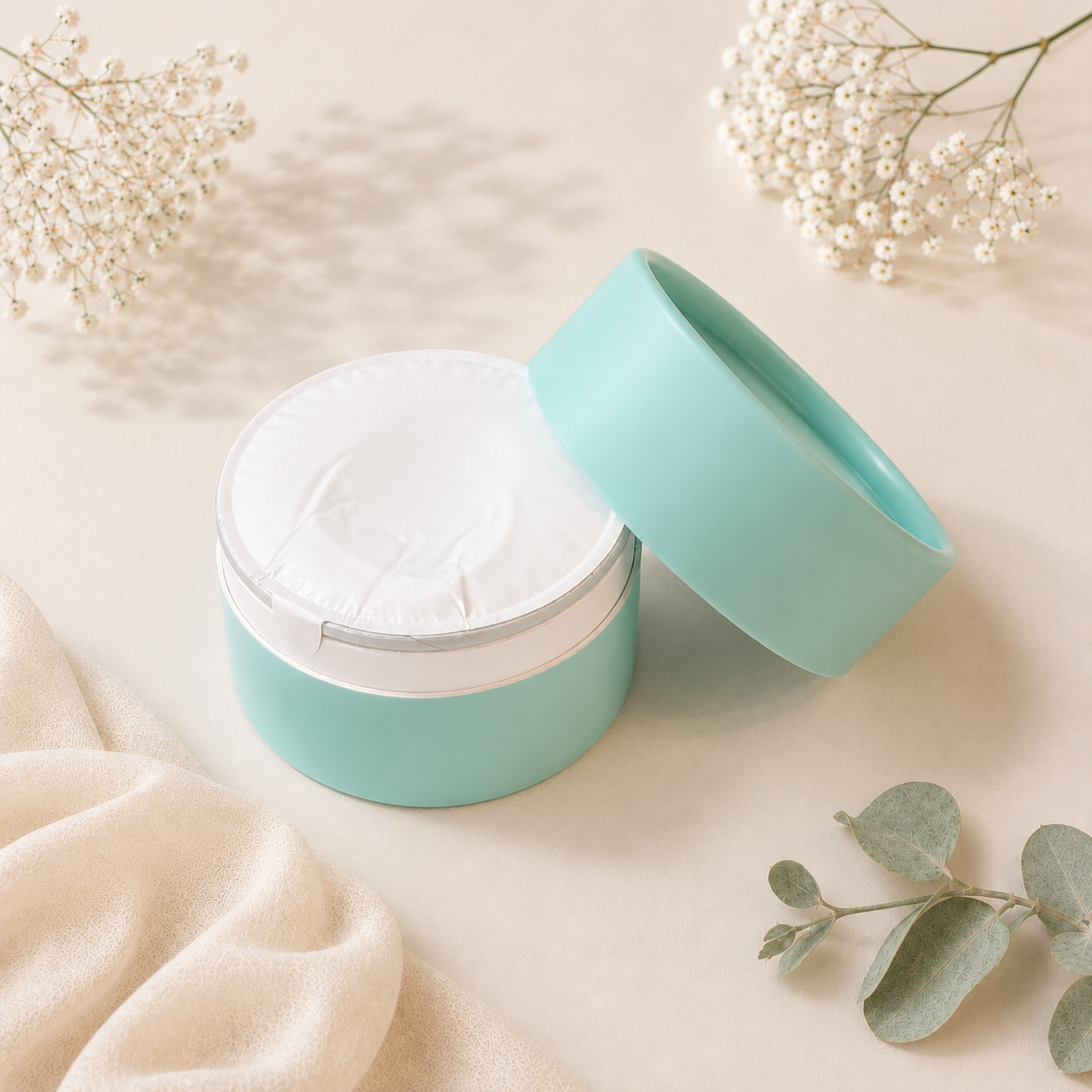
Cosmetic products containing high oil fractions (lipids, essential oils, waxes) require packaging that prevents oil migration. If the inner liner fails, oils will migrate through the paper fibers, causing unsightly grease stains on the exterior and compromising the structural integrity of the tube. Design requirements for this scenario include high grease-resistance barriers (KIT test ratings above 10) and smooth inner walls that allow the product to slide or push up without excessive friction.
This is the most technically demanding application. Liquid formulations require a complete hermetic seal. The paper tube must utilize advanced inner liners—such as bio-based polymers (PLA, PBS, PHA) or sophisticated water-based acrylic dispersions—coupled with ultrasonic or hot-air seam welding. The bottom closure must be reinforced with a double-crimped or deep-drawn fiber cap to withstand hydrostatic pressure during transport and storage.
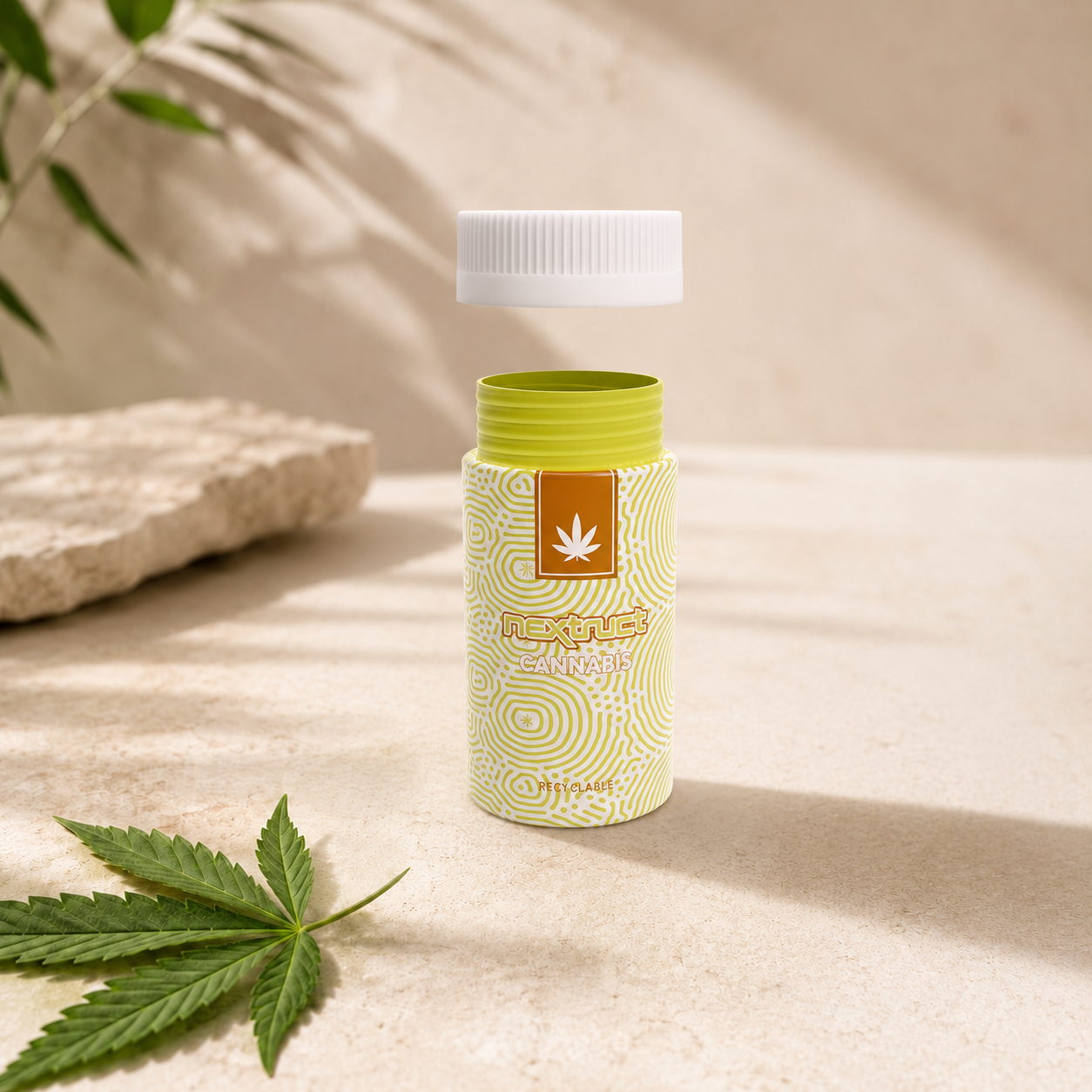
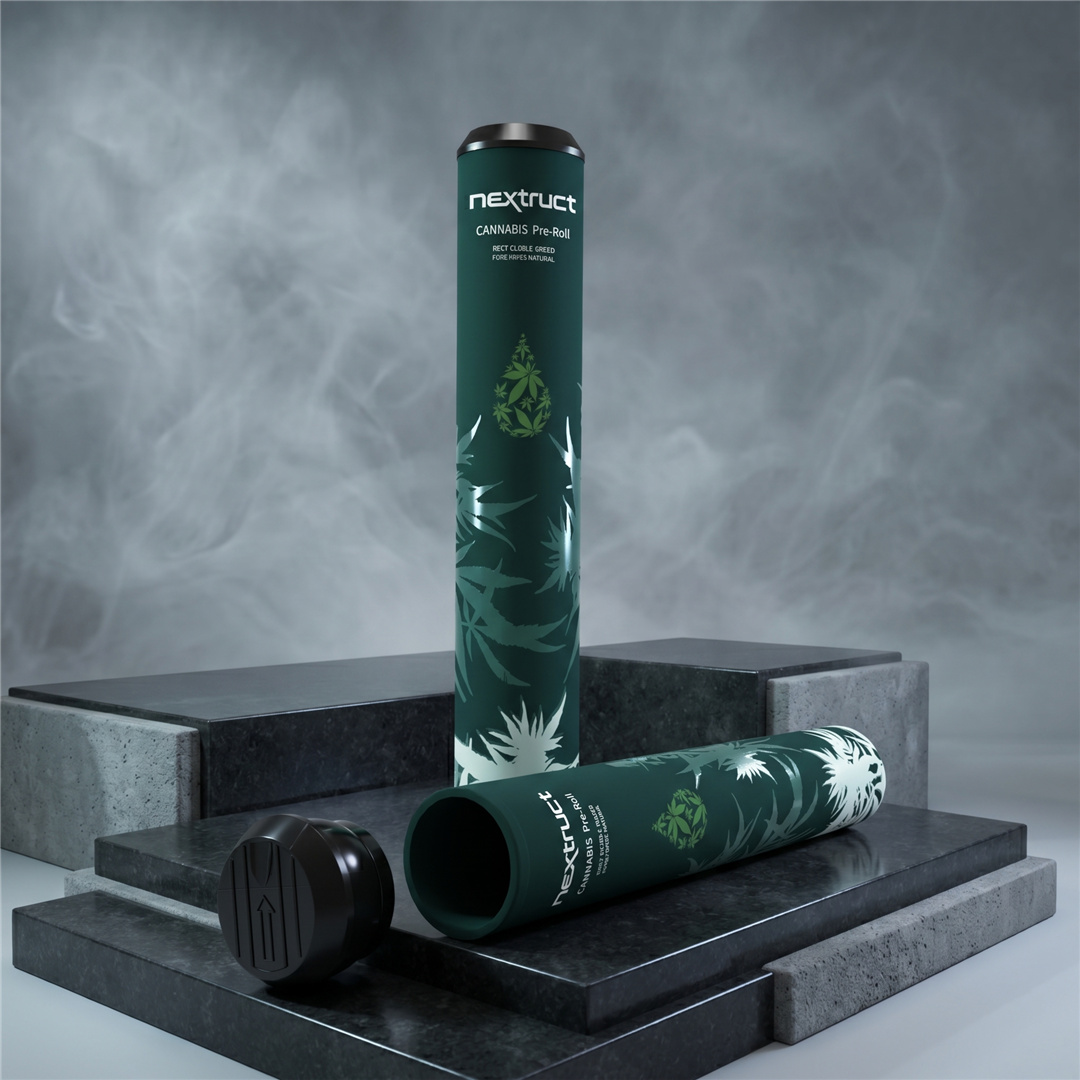
For cannabis concentrates, pre-rolls, and volatile oils, the packaging must prevent the escape of volatile organic compounds (terpenes) while blocking oxygen ingress. This requires a high-barrier liner with extremely low Oxygen Transmission Rates (OTR) and Water Vapor Transmission Rates (WVTR). Additionally, these tubes must often incorporate child-resistant (CR) mechanisms, combining safety with leak-proof and airtight functionality.


To design a carton tube that successfully contains liquids or semi-solids over a prolonged shelf life, packaging engineers must adhere to strict structural and chemical parameters. Below are the critical design rules:
The choice of barrier coating is paramount. The coating must be compatible with the product's pH level and chemical composition. For instance, acidic formulations can degrade certain biopolymers over time. The barrier layer must be applied uniformly to the paperboard prior to the winding process, ensuring that the inner surface of the tube is completely covered, leaving no pinholes or micro-fissures.
Most carton tubes are manufactured using a spiral winding process, where multiple plies of paperboard are wound around a mandrel. For leak-proof applications:
The interface between the tube body and the closure (cap or lid) is a frequent point of failure. Paper is susceptible to environmental humidity, which can cause it to swell or shrink. Design tolerances must be exceptionally tight. Precision-engineered neck steps and friction-fit lids are required to maintain a consistent seal. For liquid-tight applications, integrating a bio-plastic or PCR-plastic liner ring at the neck can provide the necessary elasticity to maintain a hermetic seal under varying climatic conditions.
The bottom of the paper tube is subject to gravity and hydrostatic pressure. Standard rolled edges or simple disc inserts are insufficient for liquid-proof designs. The bottom disc must be coated with the same barrier material as the tube body and sealed using a high-pressure heat-sealing process. A deep-drawn bottom plug, secured with a mechanical crimp and adhesive, offers the highest level of security against leaks.
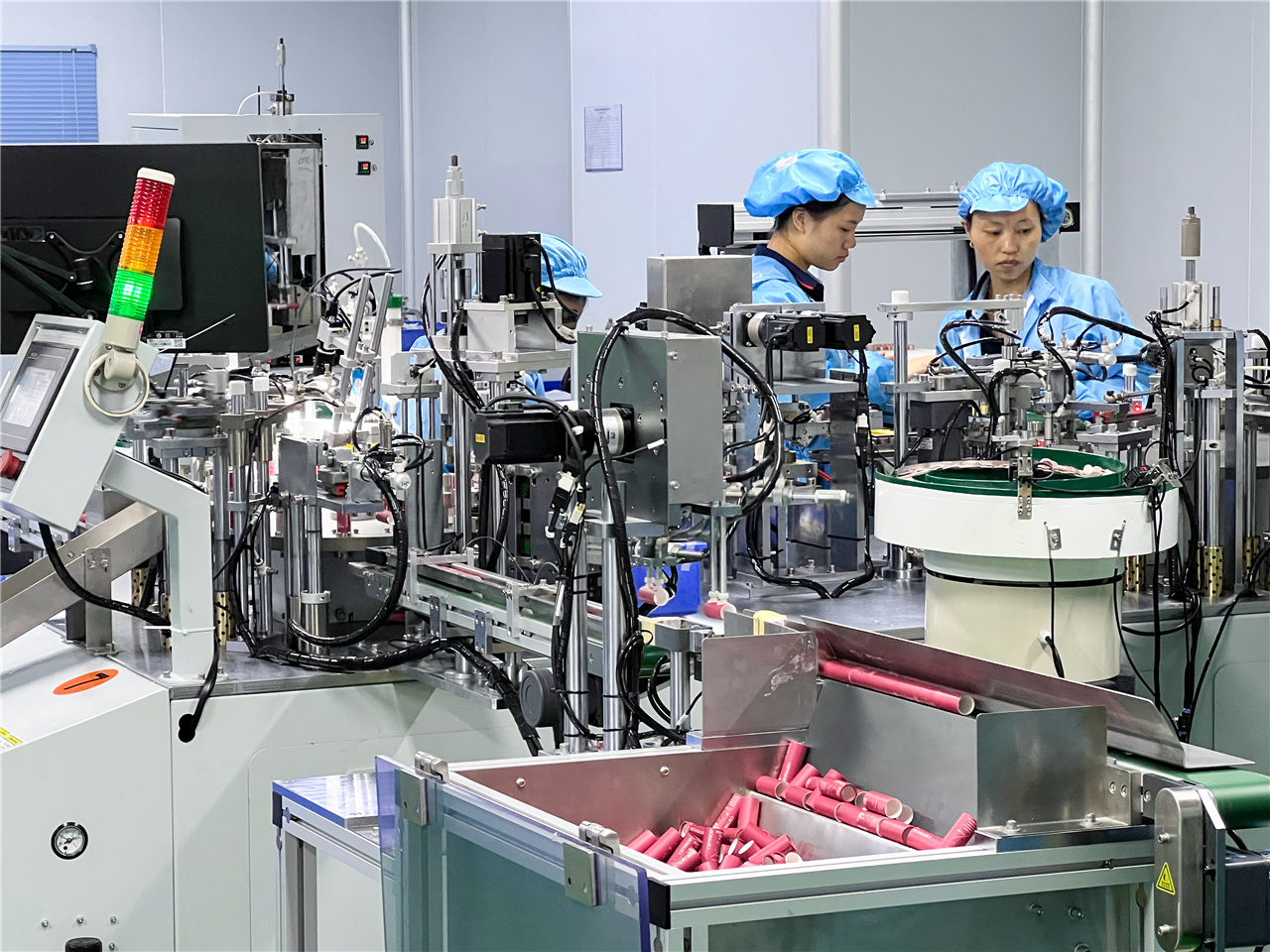
We integrate structural engineering and design capabilities with a global supply chain to provide end-to-end solutions from concept development to mass production and delivery, helping brands achieve packaging innovation and market differentiation.
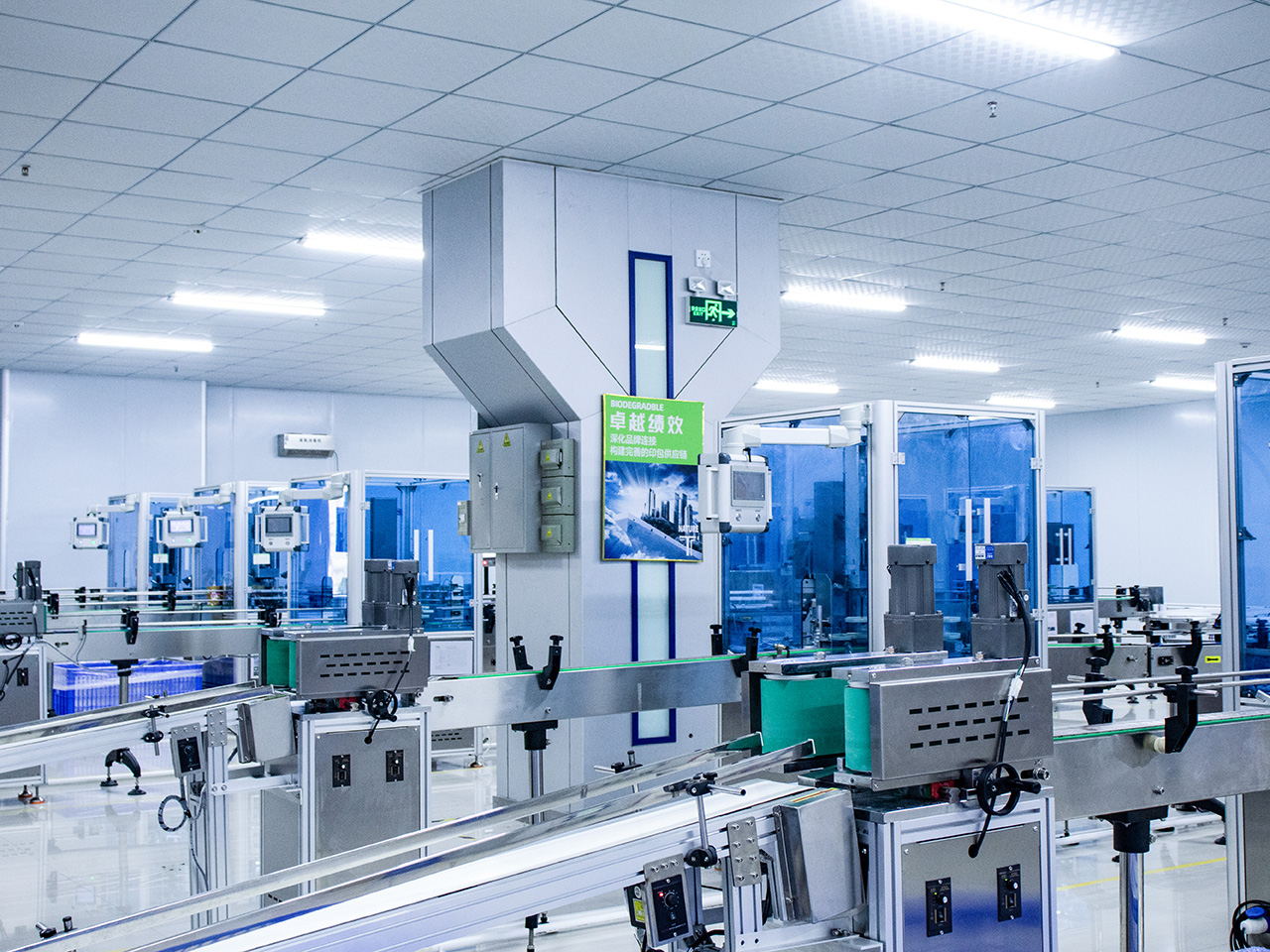
Nextruct strictly adheres to three ISO management systems and the SA8000 social responsibility standard, and holds FSC certification, ensuring its production and supply chain are compliant and well-regulated, providing global clients with compliant, high-quality, and environmentally friendly product solutions.
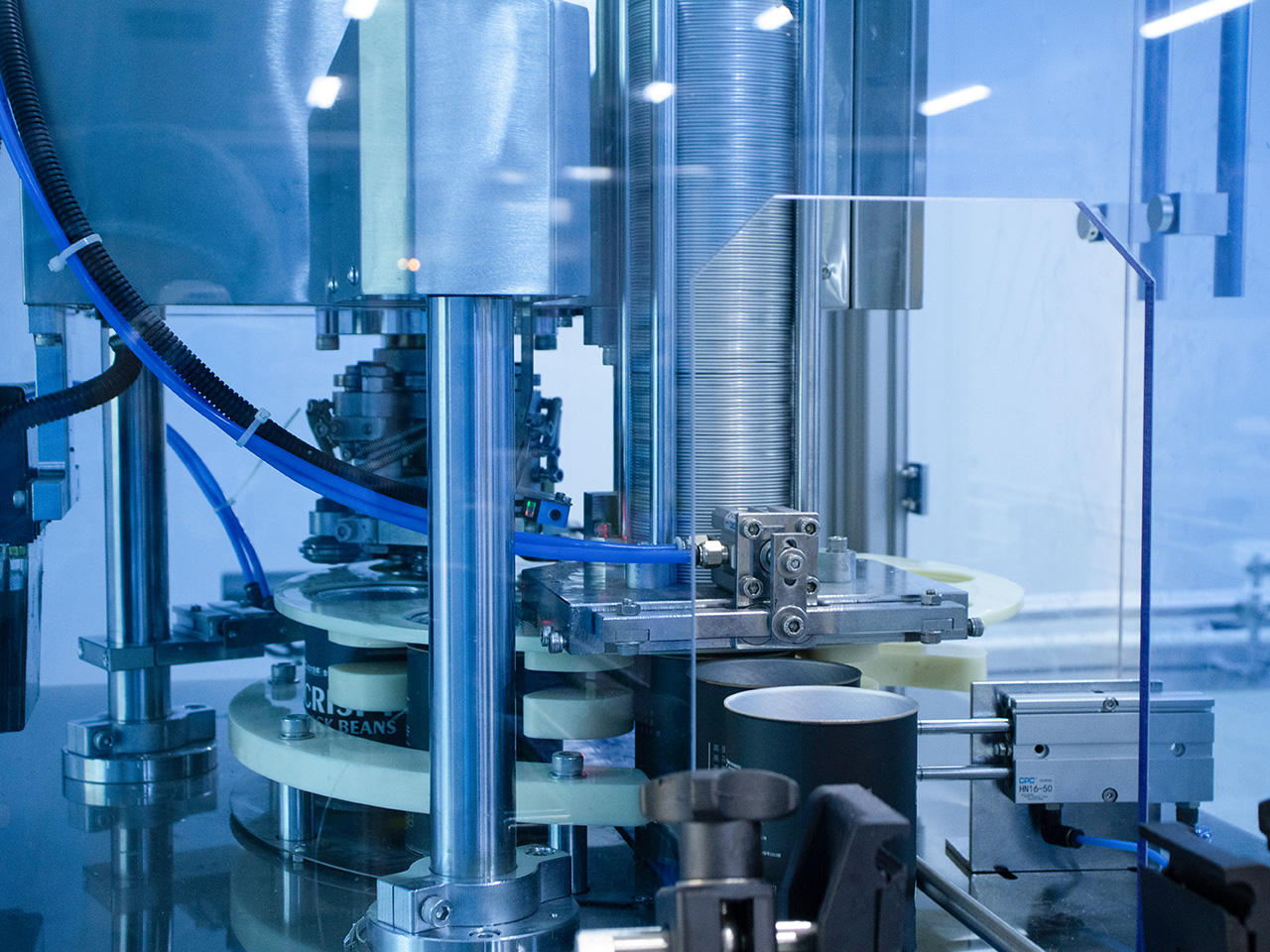
More than a regular packaging supplier, we serve as your reliable long-term ally to advance continuous packaging innovation.
To validate the integrity of leak-proof paper tube designs, manufacturers must conduct rigorous testing under simulated real-world conditions. These protocols ensure that the packaging will perform throughout its intended shelf life without degradation.
As the industry moves closer to a true circular economy, several key technological trends are shaping the future of leak-proof paper tube design:
Water-based dispersion coatings are rapidly replacing traditional extruded polymer liners. These coatings are applied as a liquid and dried, forming a micro-thin, highly resistant barrier. The primary advantage is that during the recycling process, the coating easily detaches from the paper fibers, allowing for 100% fiber recovery in standard paper mills.
Future carton tubes may incorporate active barrier materials, such as oxygen scavengers or moisture-regulating agents embedded within the fiber structure. This is particularly beneficial for organic cosmetics and nutraceuticals that do not contain synthetic preservatives, extending shelf life naturally.
The ultimate goal for sustainable packaging is a completely plastic-free, mono-material paper tube where both the body and the cap are made of fiber. Advanced molding and pressing technologies are enabling the production of threaded paper caps that screw onto paper tubes, creating a tight, leak-proof mechanical seal without relying on plastic components.