Leave Your Message
Name*
Phone number*="7">
Email Address*
Country*
Message*
Your Business Types*
Interested Items(Scroll selection)*
0%

By 2026, when it comes to cosmetic packaging, brands will need to go beyond just making things look good on the shelf. It’s about finding that sweet spot—protecting the product, making it user-friendly, eco-friendly, affordable, and keeping things fresh. I mean, sure, a gorgeous jar catches your eye, but if the pump stops working after a couple of weeks, it kind of kills the whole vibe, right?

William McDonough, this super-respected guy in circular design, sums it up pretty well with his phrase: “Waste equals food.” The idea is that packaging shouldn’t just be designed for that first sale but for its next life too. This means we’re looking at options like refillable compacts, tubes made from one material, aluminum bottles, PCR plastics, and paper-based secondary packaging. But, honestly, no single solution is perfect all the time. Refill systems can cut down on material use, but they also bring up issues like cleaning, dosing, or possible contamination. Glass feels fancy and high-quality, but keep in mind—it’s heavy and can bump up your transport emissions. Then there are airless pumps, which are great for sensitive formulas, but all those mixed materials can complicate recycling efforts.

This overview covers the main types of cosmetic packaging we’re likely to see more of in 2026. We look at where each kind shines, what customers really notice, and which trade-offs might need a bit more testing. Small details matter — like making sure a refill pod clicks in securely, or that a tube dispenses the last bit without needing to squeeze too hard. Or that a carton has clear, easy-to-understand recycling instructions.

Of course, some things still need work. A lot of sustainability claims out there are pretty vague, and some “recyclable” designs actually depend on local waste systems that not everyone can access. That’s a problem that needs testing, so brands can be sure before making big promises. Reliable choices come from real data—testing packaging in real-world conditions, checking compatibility, and comparing lifecycle impacts honestly. The best options aren’t just about looking innovative—they’ll actually safeguard formulas, make daily routines easier, and cut down on waste we could easily avoid.
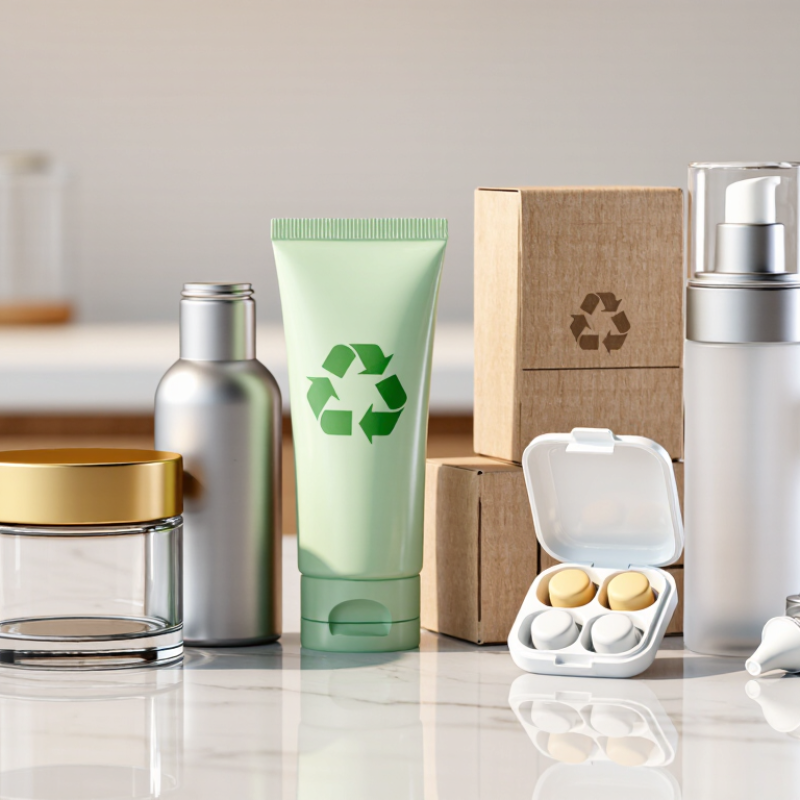
What Are the Top Cosmetic Packaging Types for 2026?

Cosmetic Packaging in 2026: Key Materials, Formats, and Design Trends

Cosmetic packaging in 2026 will balance material efficiency, product protection, and tactile appeal. Grand View Research valued the global cosmetic packaging market at approximately USD 32.4 billion in 2023. It also forecasts steady growth through 2030. This expansion will favor lighter formats, precise dispensing, and packaging designed for digital retail.

Material choices are becoming more technical. Recycled PET can reduce virgin plastic use, while glass supports premium positioning and strong barrier performance. Aluminum remains useful for tubes, tins, and compact containers. Mono-material PP and PE formats may simplify recycling, but local systems differ widely. According to Smithers’ sustainable packaging outlook, lightweighting, recycled content, and refill systems remain major development priorities. Airless pumps will suit sensitive formulas because they limit repeated air exposure. Yet, they can be difficult to recycle when several components remain permanently joined.

Design trends will become quieter and more functional. Slim bottles, soft-touch surfaces, concentrated products, and clear dosage markings can reduce material and user confusion. Euromonitor consumer research has repeatedly linked sustainability with purchase consideration, but intention does not always become correct disposal. Refill packaging is not automatically lower-impact. It needs durable primary packaging, efficient transport, and realistic reuse cycles. This is where the industry still needs better testing, clearer claims, and less optimistic assumptions. Small details matter. A cap that leaks can erase a carefully planned sustainability advantage.

Glass Packaging: Premium Appeal, Reusability, and Product Protection

Glass packaging remains a strong choice for premium cosmetics in 2026. Its weight creates a stable, reassuring feel in the hand. A thick glass jar can also protect creams from pressure and surface damage during storage. That feeling matters. However, clear glass does not block all light. Light-sensitive formulas may need amber, frosted, or opaque glass.

From practical packaging trials, glass often shows excellent chemical stability. It is less likely to react with oils, acids, or active ingredients. A well-fitted closure also reduces air exposure and helps preserve texture. Reusability depends on more than a durable container. The jar needs a washable design, a replaceable inner part, and clear cleaning instructions. Reuse is not automatic. Heavy glass may also increase transport emissions and breakage risks.

For Eco Cosmetic Packaging, recycled glass can reduce reliance on virgin materials. Yet recycled content should be verified through supplier documentation, not assumed from a green-looking surface. Packaging teams should test drop resistance, thermal shock, closure torque, and repeated handling. A beautiful jar can still fail. Designers may reduce unnecessary weight while keeping the base stable and the opening comfortable. In user testing, small details matter, such as a smooth rim, easy product removal, and a lid that does not slip from wet hands.

Plastic Packaging: Lightweight Options and Emerging Sustainable Solutions

Plastic packaging will remain a leading Cosmetic Packaging Set choice in 2026. It is lightweight, impact-resistant, and easy to mold into airless bottles, jars, tubes, and compact closures. A lighter bottle can reduce shipping weight and breakage during retail handling. However, lightweight does not automatically mean sustainable. PlasticsEurope reported that packaging represented 39.3% of European plastics demand in 2022. This figure shows the scale of the design challenge.

For new launches, designers are testing mono-material PE or PP formats, post-consumer recycled resin, and water-based decoration. These options may simplify sorting when labels, pumps, and caps are compatible. The OECD’s Global Plastics Outlook estimated that only 9% of global plastic waste was recycled in 2019. That gap makes recyclability claims require evidence, not attractive wording. A clear resin bottle may look circular, yet a metal spring or bonded sleeve can disrupt processing.

Emerging solutions include refillable plastic cartridges, concentrated formulas, and recycled content with controlled color variation. Refill models need realistic return or reuse rates. Otherwise, extra parts and transport may erase the benefit. Packaging trials should measure grams of plastic per use, not only grams per unit. This is where many product teams still fall short. Small details matter: a 30-milliliter bottle, a tight pump, and a cap that stays secure in a handbag. The best 2026 format may look less perfect. It should be durable, sortable, and honest about its material limits.

Paper-Based Packaging: Recyclable Structures for Cosmetics and Skincare

Paper-based packaging is becoming a serious option for cosmetics and skincare in 2026. The shift is practical, not merely aesthetic. Ellen MacArthur Foundation data shows packaging uses about 40% of global plastic production. Paper structures can reduce this dependence when designed for recovery.

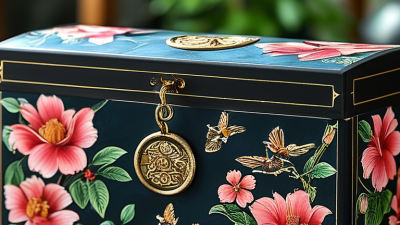
Rigid paperboard cartons remain the simplest choice. They protect jars, tubes, and glass bottles during transport. Moulded fibre can replace some plastic trays and protective inserts. Folding cartons also use less material than many rigid boxes. CEPI reported an 82% paper recycling rate in Europe in 2023. That figure supports paper’s recovery potential, but it does not guarantee every cosmetic pack is recyclable.

Small details matter. A carton with heavy foil, plastic windows, or mixed laminates may lose its recycling advantage. Water-based coatings and recyclable barrier layers can improve performance. However, moisture, oil, and fragrance still challenge fibre packaging. Packaging engineers should test compression strength, humidity resistance, and separation after use. A damp bathroom shelf exposes weaknesses quickly.

Paper is not automatically sustainable.

According to Smithers’ sustainable packaging market analysis, material selection increasingly depends on recyclability, lightweighting, and verified end-of-life systems. Cosmetic companies should request fibre certification, recycled content data, and coating specifications from suppliers. They should also check local recycling guidance. Paper-based packaging can feel warm, premium, and responsible, yet its impact depends on the complete structure. Some “paper” packs still contain more plastic than consumers expect. That gap deserves honest review.

What Are the Top Cosmetic Packaging Types for 2026? - Paper-Based Packaging: Recyclable Structures for Cosmetics and Skincare

Paper-Based Packaging Type Typical Material Structure Common Cosmetic Applications Key Sustainability Attribute Recyclability Considerations Main Performance Limitation
Folding Cartons Paperboard, usually printed and folded into a secondary pack Skincare boxes, makeup cartons, fragrance packs, gift sets Widely accepted paper format with efficient flat-sheet production and transport Generally recyclable when clean, dry, and free from non-paper components; metallic foils, plastic windows, and heavy coatings may affect acceptance Limited resistance to water, oil, and high humidity without additional treatment
Rigid Paperboard Boxes Thicker paperboard with wrapped, printed, or laminated outer surfaces Premium skincare sets, compact cases, subscription boxes, presentation packaging Provides a paper-forward premium appearance and can replace some plastic presentation structures Paper recycling is easier when the box uses fiber-compatible finishes and avoids permanent mixed-material components Higher material use and larger shipping volume than lightweight folding cartons
Molded Fiber Trays and Inserts Formed cellulose fiber made from recycled paper or other plant-based fiber sources Protective inserts for bottles, jars, palettes, tools, and gift sets Can replace expanded plastic foam and is designed for cushioning and product protection Usually compatible with paper recycling if free from plastic films, excessive adhesives, and product contamination Less moisture-resistant and may require greater thickness for delicate or heavy products
Paper Tubes Spiral-wound or convolute-wound paperboard with paper, plastic, or metal components depending on the closure design Solid perfume, lip balm, deodorant, cleansing sticks, and other anhydrous products Can reduce the amount of rigid plastic in products with low-moisture formulas Recyclability depends strongly on the presence of plastic liners, caps, barriers, and adhesive layers; components may need separation Not suitable for every liquid or water-rich formula without an effective, compatible barrier
Paper Sachets and Envelopes Paper outer layer combined with a functional barrier layer, which may be paper-based, coated, or polymer-based Single-use masks, sample creams, powders, wipes, and small product portions Lightweight format that can reduce packaging material and shipping weight for samples and small doses A paper appearance does not guarantee paper recyclability; laminated or multi-layer sachets often require specialist collection or may not be accepted Barrier performance, heat sealing, and product compatibility can be difficult to balance with recyclability
Paper Labels and Sleeves Self-adhesive paper labels or paper sleeves applied to glass, metal, or plastic containers Bottle labels, jar decoration, secondary branding, and tamper-evident sleeves Can provide paper-based decoration while keeping the primary container material unchanged Adhesives, inks, coatings, and full-body sleeves should be assessed for compatibility with the recycling stream of the container Paper labels can be affected by water, oils, condensation, and abrasion during use
Paperboard Display Stands Die-cut corrugated board or solid paperboard assembled into a freestanding display Retail counters, promotional displays, launch kits, and seasonal merchandising Flat-pack design can reduce storage space and supports reuse or recycling after retail use Typically recyclable when kept dry and free from plastic hardware, laminated panels, and excessive contamination Lower durability in humid retail environments and under repeated handling
Corrugated Shipping Boxes Fluted paperboard sandwiched between paper linerboards E-commerce shipping, wholesale cases, refill shipments, and subscription deliveries Strong-to-weight ratio, established recycling infrastructure, and potential for recycled fiber content Generally recyclable when clean, dry, and flattened; water damage, grease, and non-paper attachments can reduce recoverability Requires protective design against crushing, vibration, and moisture during distribution

Important design note: Paper-based packaging is not automatically recyclable. Actual recyclability depends on fiber quality, coatings, laminates, adhesives, inks, closures, product residue, and the collection and sorting systems available in the target market.

Airless Packaging: Preserving Formulas and Improving Product Performance

What Are the Top Cosmetic Packaging Types for 2026?

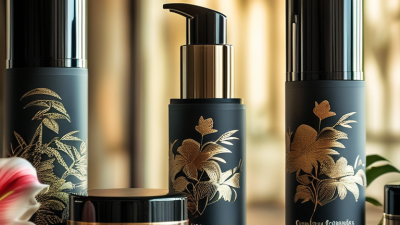
Airless packaging is becoming a serious choice for formulas that dislike air, light, or repeated finger contact. Its piston pushes cream upward through a sealed chamber. Each pump delivers a measured dose without dipping into the container. This can reduce oxidation, preserve texture, and improve the final application experience.

Performance still needs proof. In 2024, McKinsey reported that 60–70% of consumers may pay more for sustainable packaging, although convenience remains important. Smithers’ packaging research also highlights growing demand for lightweight, recyclable, and high-barrier formats. Airless systems can reduce product residue, but recycling is not always simple. Pumps may combine several materials. That weakens the sustainability claim. Cosmetic Box Packaging should therefore support the dispenser, not distract from its function.

Tips: Test the formula inside the final airless pack. Check dose accuracy after heat, cold, and repeated pumping. A product may perform well in a laboratory, then fail after months in a bathroom. Keep the actuator clean and avoid oversized chambers. Smaller headspace often protects sensitive ingredients better. Yet airless is not magic. Poor sealing, unstable viscosity, or an incompatible spring can still damage performance. Independent stability and compatibility testing remains essential.

What Are the Top Cosmetic Packaging Types for 2026?

Airless Packaging: Preserving Formulas and Improving Product Performance

Airless packs typically achieve higher product evacuation than jars and conventional dispensing formats because a piston or collapsible inner container pushes the formula upward while limiting air return. Actual performance varies by viscosity, formula behavior, actuator design, and package size.

Refillable and Reusable Packaging: Reducing Waste Across Beauty Products

What Are the Top Cosmetic Packaging Types for 2026?

Refillable and reusable formats are moving from niche ideas into practical beauty routines. A sturdy outer case can hold a replaceable pan, pod, or inner jar. This reduces repeated disposal after every purchase. Cosmetic Jar Packaging can support this model with durable glass, recycled metal lids, or lightweight refill cups.

The need is measurable. The OECD’s Global Plastics Outlook reports that only 9% of plastic waste was recycled globally in 2019. The Ellen MacArthur Foundation also estimates that 95% of plastic packaging material value is lost after one use.

Refillable systems cannot solve everything. Cleaning, transport, and incompatible parts may create extra impacts. That deserves honest testing. A refill is useful only when customers actually reuse the container several times.

Tips: Choose packaging with clear refill instructions. Check whether the refill uses less material than the original pack. Prefer simple parts that separate easily. Avoid decorative layers that complicate recycling.

From practical testing, wide openings make jars easier to empty and clean. Secure lids prevent product drying between uses. Lightweight refill cartridges reduce shipping weight, but they may feel less premium. That trade-off matters.

The 2023 United Nations Environment Programme report states that plastic pollution could be reduced by 80% by 2040 through reuse, recycling, and reduced consumption. Beauty packaging designers should measure real return rates, refill frequency, and material recovery—not just appearance.

FAQS

Why is glass packaging suitable for premium cosmetics in 2026?

Glass feels stable and reassuring in the hand. Its weight creates a premium impression. Thick walls can protect creams during storage. However, heavy glass may increase shipping emissions and breakage risks.

Does clear glass protect light-sensitive cosmetic formulas?

Not completely. Light can pass through clear glass. Amber, frosted, or opaque glass offers better protection. Formula testing remains necessary.

Can glass cosmetic containers be reused safely?

Reuse requires more than a durable jar. The container should be washable, easy to empty, and clearly labeled. Replaceable inner parts can help. Reuse is not automatic.

What should packaging teams test before choosing glass?

Test drop resistance, thermal shock, closure torque, and repeated handling. Check the lid with wet hands. A beautiful jar can still fail.

Is paper-based packaging always recyclable?

No. Paper is not automatically sustainable. Foil, plastic windows, and mixed coatings can reduce recyclability. Local recovery systems also matter.

How can paper packaging perform better in bathrooms?

Use suitable barrier coatings and strong fibre structures. Test compression, humidity resistance, and material separation. A damp shelf exposes weaknesses quickly.

How do refillable packages reduce cosmetic waste?

A durable outer case can hold replaceable pans, pods, or inner jars. Customers then discard fewer complete containers. The system works only when refills are used repeatedly.

What makes a refillable cosmetic package practical?

Choose simple parts that separate easily. Provide clear refill instructions. Use a wide opening for cleaning. Secure lids help prevent drying. The answer is not always tidy.

Should lightweight refill cartridges replace heavier containers?

They can reduce shipping weight and material use. However, they may feel less premium. Designers should compare refill frequency, return rates, cleaning needs, and actual material recovery. Appearance alone proves little.

Conclusion

Cosmetic Packaging in 2026 is evolving around performance, sustainability, and a more thoughtful consumer experience. Glass remains a preferred choice for premium products because it offers a refined appearance, strong product protection, and excellent potential for reuse. Plastic packaging continues to provide lightweight, durable, and versatile solutions, while newer material developments aim to reduce environmental impact. Paper-based packaging is also gaining attention through recyclable structures designed for skincare and cosmetic applications.

Functional innovation is another major focus. Airless packaging helps protect sensitive formulas from air exposure, supports product stability, and allows consumers to use more of the product with less waste. Refillable and reusable formats are expanding across beauty categories, encouraging longer packaging lifecycles and reducing the need for single-use containers. Together, these trends show how Cosmetic Packaging is becoming more efficient, responsible, and adaptable while balancing visual appeal, product preservation, convenience, and resource-conscious design.
Sophia

Sophia

Sophia is a dedicated marketing professional at Toprint Nextruct, a forefront technology-driven packaging solutions provider based in China. With a deep expertise in paper-based structure research and development, she plays a crucial role in championing the company's innovative packaging solutions.......
Previous 2026 Best Cosmetic Packaging Suppliers for Global Buyers