Leave Your Message
Name*
Phone number*="7">
Email Address*
Country*
Message*
Your Business Types*
Interested Items(Scroll selection)*
0%

Picking the right Pill Bottle Container isn't just about how it looks on the shelf—there are actually some pretty important factors to consider. You gotta think about what kind of medicine or supplement you're packaging, what equipment you'll be using to fill the bottles, storage conditions, and of course, the people who will handle them day-to-day. Sometimes a bottle that looks perfect in a sample photo might feel awkward to hold, or worse, it might not fit nicely into your existing production line. So, it’s not just about the aesthetics.

A solid evaluation kicks off with paying attention to the details. Take a good look at the container’s material, its capacity, the neck finish, how well the cap fits, and where you would place the label. It's a smart move to ask for some samples and test them out—try fitting the caps and labels you'll actually use. Also, see if the bottle stands steady on a work surface. Little things like that really matter.

Here's a good rule to keep in mind: “Match the container to the product, the process, and the user—not just the price.” Now, that’s more of a guideline than a direct quote—just a reminder that choosing the cheapest option might not always be the best move. It’s important to verify any specific claims or recommendations, so only cite quotes from credible sources once you’re sure about them. That trust factor is key—you want to know what’s solid info and what’s just advice.

This guide is all about helping you compare different options, understand what supplier info really means, and weigh the pros and cons before placing your order. It covers practical stuff like making sure packaging stays consistent, testing samples properly, and chatting with suppliers to clear up any uncertainties. Keep in mind, some details might change depending on your specific product or production setup, so it’s worth taking a closer look. A careful choice like this can save you from fitting issues later on—just remember, no single Pill Bottle Container will be perfect for everyone out there.
2026 How to Choose the Best Pill Bottle Container for Buyers

Understanding Pill Bottle Containers and Their Main Uses

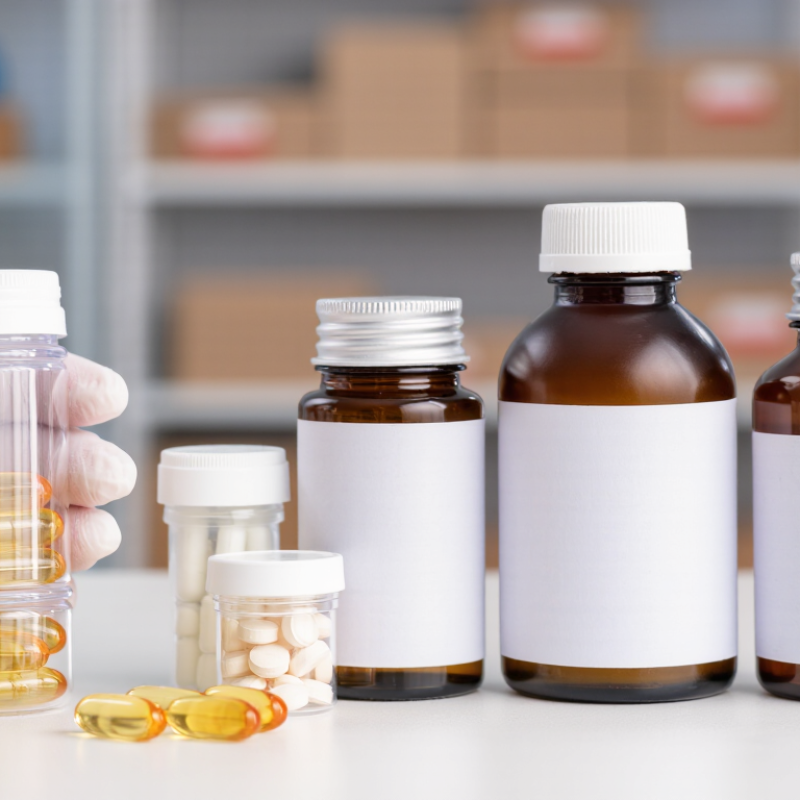
Pill bottle containers are designed to hold tablets or capsules while limiting exposure to moisture, dust, and handling. Their familiar shape fits bathroom cabinets, bedside drawers, travel bags, and pharmacy shelves. A screw cap helps keep contents enclosed, while a wide opening makes doses easier to retrieve. Some containers use child-resistant closures, but no package is completely childproof. That distinction matters. Labels should remain readable and include the medicine name, strength, and directions supplied by a qualified professional. A bottle that looks sturdy can still be unsuitable if its cap loosens or its label rubs off.

Buyers can compare bottle size, material, closure style, and labeling space against the intended use. A compact container may suit a short trip, while a larger bottle can be easier to handle for regular use. Check that the cap turns smoothly and seals evenly; a crooked thread is a small warning sign. For a Pill Bottle Safe choice, treat the phrase as a practical goal, not a guarantee: keep containers closed, store them away from children and pets, and follow storage instructions on the product label. I would not assume every plastic bottle protects sensitive contents equally well. The right container depends on what it holds and where it will be kept.

2026 How to Choose the Best Pill Bottle Container for Buyers - Understanding Pill Bottle Containers and Their Main Uses

Container type Common material Typical capacity range Main uses Key buyer considerations
Round pharmacy bottle HDPE or PET Approximately 30–500 mL Prescription tablets, capsules, and other solid oral medicines Check neck finish, bottle opening, label area, fill volume, and closure compatibility. Actual tablet count depends on tablet size and shape.
Amber medicine bottle Amber glass or amber-colored plastic Approximately 15–500 mL Medicines and health products needing reduced exposure to light Amber packaging can reduce light transmission, but protection varies by material and product. Confirm compatibility and storage requirements for the specific contents.
Wide-mouth bottle HDPE, PET, or PP Approximately 60–1,000 mL Larger tablets, capsules, powders, and products that need easier access A wider opening can make filling and retrieval easier. Verify closure fit, spill resistance, and whether an induction seal or liner is required.
Child-resistant bottle Usually HDPE or PET with a compatible closure Varies by bottle and closure system Medicines and other products for which child-resistant packaging is required or selected The bottle and closure must be evaluated as a complete packaging system. Check applicable regulations, testing requirements, and ease of use for intended users.
Unit-dose container Plastic or blister-pack materials, depending on format Sized for one dose or a defined small quantity Healthcare dispensing, medication organization, and single-use distribution Consider dose format, opening method, labeling space, tamper evidence, and whether the package is intended for single use.
Desiccant-ready bottle HDPE, PET, or PP; may use a desiccant closure or insert Approximately 30–500 mL Moisture-sensitive tablets, capsules, and supplements where product requirements call for moisture control Choose the desiccant type and quantity based on product and packaging requirements. Confirm closure sealing performance and compatibility.
Glass pill bottle Soda-lime or other suitable glass; clear or colored Common formats range from small vials to several hundred milliliters Products needing a glass package or specific chemical compatibility Assess breakage risk, shipping weight, closure and liner compatibility, and light protection. Select glass type based on product and applicable requirements.

Note: Capacity ranges are indicative examples, not universal specifications. Confirm dimensions, material grade, closure fit, testing, labeling, and regulatory requirements with the packaging supplier for the intended product and market.

Identifying Medicine, Dosage, and Storage Requirements

2026 How to Choose the Best Pill Bottle Container for Buyers

Identifying Medicine, Dosage, and Storage Requirements

Before selecting a pill bottle container, identify the medicine and its dosage form. Tablets, capsules, and liquids may need different openings or measuring tools. Check the product label for storage instructions, such as protection from moisture, heat, or light. A tight-fitting cap and a clear, readable label help reduce everyday handling mistakes. Small details matter. Buyers should also consider how often the container will be opened and whether its contents need to remain separate from other medicines.

Match the bottle size to the quantity being stored, leaving enough room to remove doses without spilling. For liquid medicine, confirm that the opening works with the recommended measuring device. Never assume a container is suitable based on appearance alone. Some medicines require their original packaging, so verify requirements with a pharmacist or the product information before transferring them. This step can feel inconvenient, but guessing is worse.

Tips: Compare the label area, cap style, and storage guidance before ordering. Keep dosage information easy to read, and avoid containers that make tablets difficult to retrieve. If the instructions are unclear, ask a pharmacist rather than relying on a general storage rule.

Comparing Bottle Materials, Shapes, and Capacities

Material choice affects protection, handling, and shelf presentation. HDPE is lightweight and resists impact, making it a practical option for routine storage. PET offers a clear view of contents, while polypropylene can suit applications needing greater heat tolerance. Compatibility still matters. Test the bottle with the actual product and closure; material names alone cannot confirm performance.

The U.S. Environmental Protection Agency’s 2018 Advancing Sustainable Materials Management report recorded a 31.3% recycling rate for glass containers and 13.6% for plastic containers and packaging.

These are broad U.S. packaging figures, not pill-bottle-specific results. A useful reminder, but not a final material scorecard.

Shape and capacity should match both the dose and the user’s grip. A Round Pill Bottle can sit neatly in a drawer, but a narrow opening may make retrieval awkward for some users. Compare neck diameter, cap clearance, label area, and how easily the bottle stands on a counter. Capacity is not just a count: oversized bottles can leave contents shifting, while tight fills may complicate packing and removal. Measure a representative fill before approving production samples.

One trade-off is easy to miss: a compact shape may save shelf space but reduce label room. Recheck it with the actual label and closure.

Evaluating Closures, Child Resistance, and Tamper Evidence

For pill bottles, closure performance should be tested with the actual bottle, not judged by cap feel alone. A cap that clicks firmly may still cross-thread when workers close bottles quickly. Under the U.S. Consumer Product Safety Commission’s 16 CFR 1700.20 protocol, at least 85% of tested children aged 42–51 months must fail to open a child-resistant package within five minutes. After a demonstration, at least 80% must still fail; at least 90% of adults must open and properly resecure it. These thresholds make usability a measured balance, not a guess.

Check whether the closure stays secure after repeated opening, and whether the bottle’s neck finish supports consistent torque. USP General Chapter evaluates moisture transmission in containers, so buyers handling moisture-sensitive tablets should request test results for the specific bottle-and-closure combination. A tight cap alone does not prove adequate protection. Small details matter.

Tamper evidence should make interference visible before dispensing. FDA guidance describes features such as induction seals, shrink bands, and breakable closures; each should show clear damage when removed. Inspect seals for wrinkles, gaps, or poor adhesion, especially after transport testing. A band can look reassuring yet tear cleanly and leave little evidence. That is easy to overlook. Consider asking suppliers for documented closure, seal, and distribution-test results, then inspect samples under normal handling conditions.

Pill Bottle Buyer Guide: Child-Resistance Test Benchmarks

Under the U.S. testing protocol, child-resistant packaging must meet the child and adult-use performance criteria shown, with each task assessed within five minutes. These benchmarks address child resistance—not tamper evidence. For applicable products, evaluate the closure and any tamper-evident feature separately.

Source: 16 CFR § 1700.20. Percentages are test acceptance criteria, not a comparison of specific containers.

Checking Labels, Accessibility, and Ease of Use

When choosing a pill bottle container, inspect the label area as carefully as the bottle itself. A label should lie flat without wrinkling around the curve. Check that key details remain readable in ordinary room light, not only under bright office lamps. High contrast, clear print, and enough space for directions can reduce avoidable confusion. Small type may fit more text, but it is harder to scan quickly.

Accessibility depends on more than print size. Consider whether the cap is comfortable to grip and turn, including for someone with limited hand strength. Test opening and closing with dry hands, then with slightly damp hands. A textured cap can help, but deep ridges may feel uncomfortable. The right balance is easy to miss.

Use a Pill Bottle Empty sample to check label fit, cap handling, and how the bottle sits in a drawer or bag. Try reading the label from a natural distance, then test whether the container can be opened without slipping. Also consider whether the bottle is easy to refill and clean, if reuse is intended. These checks do not replace professional packaging review, but they reveal practical problems early. One imperfect detail matters: a label that looks neat on a desk may be difficult to read in dim light.

Assessing Quality Standards, Suppliers, and Total Cost

Choosing a pill bottle container starts with the product’s real storage needs. Check the bottle material, wall thickness, neck finish, and closure fit against your filling process. Ask suppliers for material specifications, inspection records, and evidence that samples were tested under relevant conditions. A cap that feels secure is not proof of an airtight seal. For an Airtight Pill Bottle, request a clear description of the seal design and how leakage or moisture resistance is evaluated.

Quality can vary between samples and production runs. Ask how suppliers control dimensions, color, and closure consistency, and whether they retain batch records. Request samples from more than one production lot when possible. Then check cap alignment, opening force, and visible defects. Small details matter. A slightly warped neck can slow filling or cause rejected units. I would not rely on a polished sample alone; it may not reflect everyday production.

Compare the full cost, not just the quoted price per bottle. Include freight, protective packaging, testing, tooling, minimum order quantities, and the cost of defects or delays. A low unit price can still be a poor deal. Confirm lead times and how the supplier handles specification changes before placing an order. Also consider whether the container fits existing filling and labeling equipment. One easy-to-miss issue is storage space for bulky cartons. It is worth checking early, even if the estimate feels less precise than a simple price comparison.

Making the Best Bottle Choice for Your Needs

Choosing the right pill bottle begins with the person using it, not the shelf appearance. Check the daily dose, hand strength, storage conditions, and label space. Fit matters. A wide-mouth bottle can make tablets easier to retrieve, while a compact shape may travel better in a bag. Test the cap with the actual user; a closure that feels secure to one person may be frustrating to another.

Material and closure should match the product’s protection needs. USP General Chapter describes performance testing for container moisture protection, a useful reference when comparing bottle options. The World Health Organization’s 2003 report, Adherence to Long-Term Therapies, estimated that adherence to long-term treatment averages about 50% in developed countries. A bottle cannot solve adherence on its own, but a clear label and easy-to-use cap can remove small daily obstacles. Check the details.

For child-resistant packaging in the United States, CPSC test criteria require at least 80% of tested children to be unable to open the package after demonstration, while at least 90% of tested adults must open it. Confirm that the chosen design has appropriate testing documentation. Also inspect the bottle under realistic conditions: a damp bathroom shelf, bright kitchen light, or a crowded medicine cabinet. A polished finish is not proof of suitability. Buyers sometimes overvalue appearance; it is worth reconsidering.

Designing Distinction: A Guide to Custom Luxury Glass Perfume Bottles

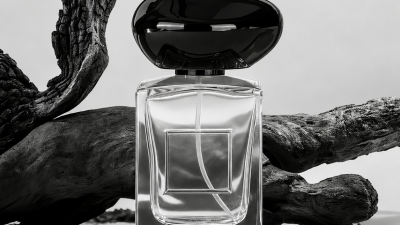
Designing distinction in luxury perfume packaging begins with the bottle itself. Custom glass perfume bottles made from high-white glass showcase fragrance with exceptional clarity, giving the liquid a clean, refined presentation. A thick base adds visual weight and stability, while also creating a satisfying feel in the hand. Whether designed for perfume, fragrance sprays, room fragrances, or other premium scent products, the bottle can be tailored to complement the character of its contents.

Customization brings each detail into alignment. Choose a cap and sprayer that suit the desired look and user experience, then coordinate bottle color and surface decoration to create a distinctive finish. Frosting, color treatments, and other decorative options can help shape the overall impression without obscuring the glass’s elegant transparency. Matching paper gift boxes, protective inserts, labels, and professional assembly services are also available, making it possible to develop a cohesive packaging presentation from bottle to finished set.

FAQS

How should I choose a bottle for different medicine forms?

Match the opening to the contents. Tablets, capsules, and liquids may need different bottle designs or measuring tools.

What storage details should I check before transferring medicine?

Read the product instructions for heat, light, and moisture requirements. Some medicines should stay in their original packaging. Ask a pharmacist if unsure.

How do I choose the right bottle size?

Match the bottle to the quantity, with enough room to remove doses without spilling. A bottle that is too small can be awkward.

What makes a bottle easier to use every day?

Check label space, cap style, and opening size. A wide mouth may help someone retrieve tablets more easily. Fit matters.

How can I assess a bottle’s quality?

Inspect the neck, cap alignment, and visible defects. Ask for material details and sample checks from different production lots. One polished sample may not tell the whole story.

Does a tight-fitting cap guarantee moisture protection?

No. Ask how the seal is designed and tested. A cap can feel secure without providing the protection the medicine needs.

What costs should buyers compare beyond the bottle price?

Include freight, packaging, testing, tooling, minimum quantities, and possible defect costs. Also check lead times and storage space for bulky cartons.

How can I tell whether a bottle suits the person using it?

Consider hand strength, daily dose, and where the bottle will be stored. Test the cap with the actual user; a secure closure can still be frustrating. Check twice.

Should appearance guide my final choice?

Not by itself. Check the bottle under realistic conditions, such as a bright kitchen or damp bathroom shelf. A polished finish is not proof of suitability.

Conclusion

Choosing the right Pill Bottle Container starts with understanding what it will hold and how it will be used. Consider the medicine’s form, the prescribed dosage, and any storage needs, such as protection from moisture or light. Compare materials, shapes, and capacities to find a container that is durable, practical, and appropriately sized without making it difficult to handle or store.

Next, evaluate the closure for a secure fit, suitable child-resistant features, and visible signs of opening where needed. Clear, readable labels and easy access can support accurate use, while quality checks help ensure consistent performance. When comparing suppliers, consider product specifications, reliability, and the total cost, including packaging and delivery. Balancing safety, convenience, storage requirements, and value will help you select a bottle that fits your needs.
Isabelle

Isabelle

Isabelle is a seasoned marketing professional at Toprint Nextruct, a technology-driven packaging solutions provider based in China. With a deep expertise in the realm of sustainable packaging, she is dedicated to revolutionizing the industry through innovative, paper-based structures. Isabelle......
Previous 10 Tips for Choosing a Perfume Beauty Box?