Leave Your Message
Name*
Phone number*="7">
Email Address*
Country*
Message*
Your Business Types*
Interested Items(Scroll selection)*
0%

Picking a printed tube supplier in 2026 isn’t just about comparing prices anymore. You really need a partner who can protect your formula, reflect your brand’s vibe, and deliver consistent quality, even at large volumes. Packaging guru David Luttenberger, who’s the Global Packaging Director at Mintel, puts it simply: “Packaging needs to grab attention while also keeping the product safe.” That idea still holds true whether you're dealing with cosmetics, personal care, pharma, or household stuff.

A trustworthy supplier should be more than just a quote. Make sure they’re willing to send you physical samples before you commit—check out the shoulder, the cap fit, how well the print lines up, the color density, and whether the ink holds up with rubbing. Also, ask how they handle batch-to-batch consistency. It’s important to see proof of material traceability, factory audits, quality records, and compliance with market standards. For example, a big player like Berry Global might have tons of manufacturing capacity, but a smaller regional converter could be quicker to communicate with and accept smaller orders. Both have their perks, so don’t assume one’s automatically better.

And don’t just go for the cheapest quote, you know? Look into things like lead times, tool charges, artwork support, filling compatibility, and whether they have backup plans if things go sideways. Also, ask if they can reproduce a tricky gradient months down the line—don’t just rely on their sales pitch. Regarding sustainability, watch out for vague green claims. Dig into what’s actually inside the tube—recycled content, the barrier layers, whether it’s recyclable locally—instead of taking green buzzwords at face value. Sometimes, a cheaper tube might end up costing you more in the long run due to leaks, color mismatches, or delays. The best choice combines proven performance, clear documentation, and honest conversations. Of course, absolute certainty isn’t realistic, but following a thorough process can really help minimize avoidable issues.
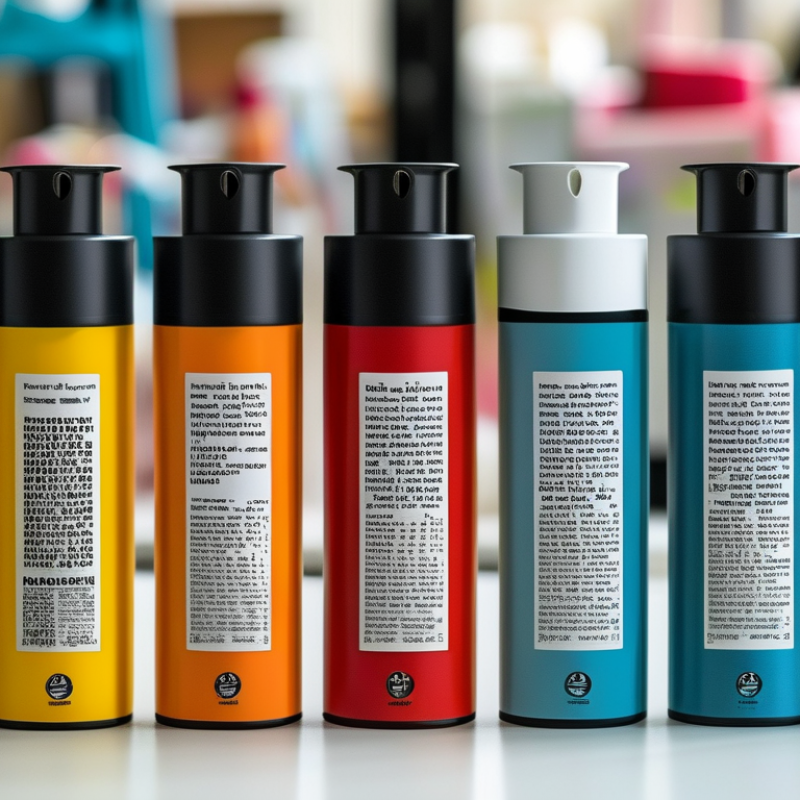
How to Choose a Printed Tube Supplier in 2026?

Define Your Printed Tube Requirements and Use Cases

Choosing a Printed Tube Packaging supplier starts with defining the product, not comparing quotations. Record the formula’s viscosity, fill volume, sensitivity to light, and expected shelf life. A thin face cream may need a different shoulder and barrier than a thick cleansing paste. Grand View Research valued the global cosmetic tubes market at approximately USD 2.6 billion in 2023, with continued growth expected through 2030. This growth makes specification discipline more important, not less.

Describe the use case clearly. Will the tube sit in a bathroom, travel bag, pharmacy, or professional salon? Select the material, opening size, cap style, decoration method, and squeeze force around that setting. The tube must also run smoothly on your filling equipment. Ask for compatibility tests, ink migration documentation, seal-strength results, and samples from the intended production line. Smithers’ packaging research continues to identify recyclability and material reduction as major development priorities. However, lighter packaging is not automatically better if it collapses during use.

Tips: Build a one-page requirement sheet. Include tube diameter, length, capacity, print colors, finish, closure, annual volume, and delivery region. Request pilot samples before approving artwork. Measure print alignment after filling, not only on empty tubes. A common mistake. I have seen attractive samples fail when the formula softened the shoulder or made the cap difficult to open. Leave room for revision. That is usually cheaper than correcting thousands of finished tubes.

Compare Tube Materials, Sizes, Closures, and Printing Options

How to Choose a Printed Tube Supplier in 2026?

Material selection should match the formula, filling process, and disposal plan. PE tubes feel flexible and suit many everyday products. PP offers stronger heat resistance and a firmer hand feel. Recycled content can improve environmental performance, but it may affect color consistency or barrier properties. Ask for compatibility data, seal tests, and batch samples. Do not rely on a polished sales sheet alone.

Size affects both usability and production efficiency. A 50 ml tube with a 35 mm diameter may feel stable in the hand. A narrow 20 ml tube can suit travel or trial formats. Check shoulder shape, wall thickness, filling tolerance, and label-free print area.

Closures deserve equal attention. Flip-tops open quickly, while screw caps may provide better control for thicker formulas. Test them with wet hands.

Printing should remain readable after rubbing, squeezing, and exposure to oil. Offset printing can support detailed graphics, while flexographic printing often suits larger production runs. Digital printing may help with short runs or changing artwork. Request a physical color proof, not only a screen image. I would also test fine text at actual tube size. It can look perfect on a monitor and fail in production.

One judgment call remains: the cheapest supplier may not deliver the lowest total cost. Review defect rates, lead times, inspection records, and communication before approving the order.

Evaluate Supplier Quality Standards and Production Capabilities

How to Choose a Printed Tube Supplier in 2026?

A reliable printed tube supplier should prove quality before discussing price. Ask for recent inspection records, material specifications, and documented quality procedures. Certifications such as ISO 9001 can support credibility, but they do not replace factory visits or sample testing. Check whether the supplier measures color accuracy, print registration, seal strength, wall thickness, and leakage. A silk screen printed shampoo bottle may look impressive under showroom lighting, yet production results can differ.

Production capability matters just as much. Review the supplier’s printing equipment, mold range, daily capacity, and backup machinery. Request a controlled production sample using your actual artwork and tube material. Examine fine lettering, curved-surface coverage, ink adhesion, and resistance to rubbing or moisture. Ask how rejected units are identified and traced. A capable team should explain its inspection points clearly, not hide behind general promises. Still, no evaluation is perfect. I once focused too heavily on print quality and overlooked inconsistent delivery records. That mistake changed my checklist.

Tips: Compare at least three suppliers using identical requirements. Ask for a pilot run before placing a large order. Confirm lead times in writing, including artwork approval and tooling. Visit the facility if possible. Observe cleanliness, operator training, storage conditions, and final packing. Small details matter. Also ask how production changes are communicated. A supplier with strong equipment but weak communication can create expensive delays.

Review Customization, Sampling, and Artwork Approval Processes

Choosing a printed tube supplier in 2026 requires more than comparing unit prices. Customization should begin with the product’s viscosity, filling method, closure, diameter, and decoration area. Ask for a written specification sheet. It should show material layers, wall thickness, print colors, finish, and tolerances. Smithers’ 2024 packaging analysis forecasts the global packaging market will exceed 1.2 trillion US dollars by 2028. That growth increases supplier choice, but not necessarily supplier control. A capable partner should explain limitations before sampling.

Sampling reveals practical weaknesses. Request production-representative samples, not only digital mockups. Check shoulder alignment, cap fit, squeeze recovery, print registration, and color under warehouse lighting. For artwork approval, require a dieline with safe zones, barcode placement, and readable text. A prepress specialist should confirm trapping, resolution, and color references. The International Organization for Standardization reports that standardized color management improves repeatability across production stages, although real substrates can still shift color. We learned this the hard way: a pale green looked accurate on screen, then appeared grey on the tube. Better approval needs physical proofing.

Tips: Keep one approved master sample. Record its dimensions, finish, and color readings. Ask how revisions are logged. Do not approve artwork from a phone screen. Request a signed proof and a final inspection report. Also test a filled tube after transport simulation. Small changes matter. A supplier may offer impressive customization, yet weak sampling discipline can create costly rework. Review the process, not just the sample.

How to Choose a Printed Tube Supplier in 2026? - Review Customization, Sampling, and Artwork Approval Processes

Evaluation Category Data Dimension Practical Benchmark for 2026 What to Request or Verify Common Risk Signal Priority
Customization Tube material options At least 3 documented options, such as plastic, laminate, and aluminium, with application guidance for each. Material structure, barrier performance, recyclability information, and compatibility with the filling formula. Material is described only as “eco-friendly” without a technical specification or declaration. High
Customization Available tube diameters A practical range of approximately 13–60 mm, depending on the supplier’s equipment. Diameter chart, fill-volume range, shoulder styles, cap compatibility, and dimensional tolerances. The supplier confirms a diameter but cannot provide drawings or tolerance data. Medium
Customization Decoration methods At least 2–3 suitable methods, such as offset printing, flexographic printing, digital printing, or hot stamping. Maximum print colors, white ink capability, metallic effects, varnish choices, print registration tolerance, and minimum order quantity. Decoration effects are promised without a physical sample or defined color and registration tolerances. High
Customization Closure and applicator selection Compatible options should include standard screw caps, flip-top caps, nozzles, and applicators where relevant. Closure drawings, opening force, leakage test method, torque range, and compatibility with the filling line. Cap fit is assessed visually without torque, leakage, or line-performance testing. High
Customization Minimum order quantity The supplier should state separate minimum quantities for standard tooling, custom tooling, and digital printing. Written MOQ by diameter, material, decoration method, cap type, and production batch. One general MOQ is quoted, but extra quantities are added later for colors, components, or setup. High
Sampling Initial sample lead time Approximately 5–10 working days for stock components or digital samples; custom tooling normally requires more time. Sample schedule separated into artwork preparation, tooling, printing, assembly, and dispatch. Only a single delivery date is provided, with no explanation of the activities included. High
Sampling Production-intent sample The final approval sample should use the intended substrate, decoration process, cap, and assembly method. Written confirmation that the sample represents mass-production materials and processes. A digitally printed mock-up is used to approve a product that will later be produced by offset or flexographic printing. High
Sampling Sample quantity A useful approval set normally includes multiple pieces, allowing color, dimensional, and assembly checks. Number of samples supplied, sample identification method, and retention sample policy. Only one sample is provided, making it difficult to distinguish a one-off defect from a repeatable result. Medium
Sampling Formula and compatibility testing Testing should cover leakage, stress cracking, odor transfer, discoloration, and product-container interaction where applicable. Test conditions, duration, temperature, filled-product quantity, and written results. Compatibility is accepted solely because the tube has been used for a similar product. High
Sampling Dimensional inspection Critical dimensions should be measured against an approved drawing with defined tolerances. Tube length, diameter, wall thickness, neck dimensions, cap fit, and inspection records. Measurements are described as “standard” without a controlled drawing or inspection method. High
Artwork Approval Accepted artwork format Editable vector artwork, such as AI, EPS, or print-ready PDF, should be supported with linked files and fonts handled correctly. Artwork template, bleed requirements, safe area, minimum line thickness, minimum text size, and image resolution. Artwork is accepted as a low-resolution image without preflight or technical review. High
Artwork Approval Print-area template A supplier should provide a dieline showing printable areas, seams, shoulder curves, cap overlap, and distortion zones. Dimensioned template with revision number and clear non-printable areas. The customer is expected to create artwork without a supplier-approved tube template. High
Artwork Approval Color-management process Color approval should define a reference standard, ink system, substrate, proof type, and acceptable visual tolerance. Color reference, proofing method, ink information, lighting conditions, and approval record. Color is approved from an uncalibrated screen image or a different substrate. High
Artwork Approval Artwork preflight review Preflight should check overprint settings, trapping, fonts, barcodes, bleeds, white underprint, and metallic layers. Preflight checklist and written confirmation of corrections before plate or cylinder production. Printing begins before artwork risks and technical limitations are documented. High
Artwork Approval Approval revision control Every proof should include a revision number, date, approver, and clear approval status. Approval form, annotated proof, revision history, and named approval contact. Approval is recorded only through informal messages with no final controlled file. High
Quality Control Color and print inspection Inspection should cover color consistency, registration, text legibility, smearing, pinholes, scratches, and missing print. Control plan, sampling level, acceptance criteria, inspection lighting, and defect photographs. Quality is judged only by general appearance without measurable acceptance criteria. High
Quality Control Leakage and seal testing Finished tubes should be tested using a documented method appropriate to the tube and closure design. Test pressure or vacuum, test duration, sample size, failure definition, and test report. The supplier tests empty tubes only or provides no record of the test conditions. High
Quality Control Traceability Material, ink, component, production date, and inspection records should be traceable to each batch. Batch coding system, certificate of analysis where applicable, and retention sample procedure. Finished goods cannot be linked to raw-material or production records. High
Compliance Packaging and product-contact documentation Documentation should match the destination market and intended product category. Material declaration, restricted-substance statement, migration information where relevant, and recycling data. Generic certificates are supplied without identifying the actual material structure or production site. High
Commercial Tooling ownership and storage The quotation should clearly state tooling cost, ownership, storage period, maintenance, and reuse conditions. Tooling agreement, replacement responsibility, storage duration, and transfer terms. Tooling ownership is not defined until after the purchase order is issued. Medium
Commercial Total landed cost transparency The comparison should include tube, cap, decoration, tooling, sampling, packaging, freight, duties, and inspection costs. Itemized quotation with validity period, payment terms, packaging quantity, and delivery terms. The lowest unit price excludes tooling, setup, color changes, or secondary packaging charges. High
Sustainability Recyclability and material reduction Claims should identify the exact structure, local recycling context, and any required separation of components. Material composition, recycled-content percentage where claimed, component separation instructions, and supporting evidence. Broad environmental claims are made without a defined structure or market-specific guidance. Medium
Decision Method Supplier comparison score Use a weighted score: customization 25%, sampling 20%, artwork approval 20%, quality 20%, compliance 10%, and commercial terms 5%. Score each supplier from 1 to 5 using documented evidence rather than sales statements alone. A supplier is selected on price only, without considering approval risk, defect cost, or launch delays. High

Assess Pricing, Minimum Orders, Lead Times, and Logistics

How to Choose a Printed Tube Supplier in 2026?

Pricing, minimum orders, lead times, and logistics should guide your supplier review. Request a line-by-line quotation for tubes, printing plates, setup, proofing, packing, and freight. A low unit price can hide high tooling costs. Compare the landed cost, not only the factory price. Ask for tiered pricing at 5,000, 20,000, and 50,000 units. Minimum order quantities should match your launch volume and storage capacity. Overstock can damage cash flow.

Lead time needs evidence. Ask for a production calendar with approval, printing, filling, inspection, and dispatch dates. The 2024 State of Logistics Report by CSCMP valued United States business logistics costs at about 2.3 trillion dollars in 2023. Freight planning is not a minor detail. Confirm carton dimensions, pallet counts, shipping terms, customs documents, and responsibility for delays. I have seen promising schedules fail because artwork approval took longer than production.

Tips: Request a physical pre-production sample. Check color consistency, cap fit, seam strength, and print rub resistance. Ask for recent on-time delivery data, but treat one perfect month carefully. A supplier should explain defects openly and provide corrective actions. Build a small pilot order into the plan, even when the quoted unit cost feels uncomfortable. Production assumptions are often wrong.

Verify Compliance, Sustainability, Communication, and After-Sales Support

Choosing a printed tube supplier in 2026 requires evidence beyond attractive samples. Ask for batch traceability, ink specifications, migration testing, and current quality certificates. ISO’s 2023 Survey recorded more than 1.4 million ISO 9001 certificates worldwide, but certification alone proves little. Review audit dates, corrective-action records, and production controls.

Sustainability claims need measurable proof. The OECD Global Plastics Outlook identifies packaging as the source of 40% of global plastic waste, based on 2019 data. Request material percentages, recycled-content evidence, recyclability guidance, and energy data. Check whether the Tube Lip, shoulder, cap, and printed layers share compatible materials. Small mismatches can disrupt recycling. “Eco-friendly” is not a specification.

Communication becomes critical during artwork changes, color approvals, or delayed shipments. Require named contacts, approval timelines, and written escalation procedures. After-sales support should include retained samples, complaint analysis, replacement rules, and documented corrective actions. A pilot order can test response speed under pressure. No checklist is perfect. I have seen suppliers answer quickly before payment, then become vague after delivery. That risk deserves a practical test: send a mock defect report and measure the reply. Choose the supplier that provides precise evidence, admits limitations, and improves when questioned.

How to Choose Reliable China FSC Twist-Up Deodorant Tube Suppliers for Sustainable Packaging

Choosing a reliable China FSC twist-up deodorant tube supplier requires more than checking appearance and price. According to FSC Facts & Figures, more than 160 million hectares of forest were FSC-certified globally in recent years, reflecting the growing importance of traceable paper sourcing. Buyers should therefore verify the supplier’s valid FSC Chain of Custody credentials, material documentation, production audits, and batch-level traceability. Independent quality systems such as ISO 9001, together with documented inspection procedures, can further demonstrate consistent manufacturing performance.

For solid deodorants, body balms, and fragrance sticks, the tube should combine a mainly paper outer structure with a robust PP inner core. This construction supports a lower-impact packaging profile while helping maintain leak resistance, product stability, and compatibility with semi-solid formulations. A dependable supplier should provide testing data for moisture resistance, compression strength, twist-up performance, cap fit, and transportation durability. Multiple capacity options are also valuable for serving different product formats and market segments.

McKinsey and NielsenIQ’s analysis of consumer-packaged goods found that products carrying ESG-related claims achieved approximately 28% cumulative sales growth over five years, compared with 20% for products without such claims. This highlights the commercial value of credible sustainability communication. Suppliers should support customization of paper texture, printing, color, and exterior finishing without compromising FSC requirements. A retractable mechanism, protective dust cover, stable inner core, and scalable factory capacity make this tube a practical choice for personal care businesses seeking reliable, customizable, and sustainability-oriented packaging.

FAQS

: How should I choose between PE and PP tube materials?

: PE feels flexible and suits many everyday formulas. PP offers firmer handling and stronger heat resistance. Check compatibility data. Recycled content may improve environmental performance, but it can change color or barrier performance. Request seal tests and batch samples.

What tube size works for travel or regular use?

A narrow 20 ml tube can suit travel or trial formats. A 50 ml tube with a 35 mm diameter may feel steadier. Check wall thickness, shoulder shape, filling tolerance, and disposal requirements. The smallest size is not always the most efficient.

Which closure should I select?

Flip-tops open quickly and suit frequent use. Screw caps may control thicker formulas better. Test both with wet hands. A cap that feels fine when dry may become awkward in a bathroom.

Which printing method fits my order size?

Offset printing supports detailed graphics. Flexographic printing often suits larger production runs. Digital printing can help with short runs or changing artwork. Request a physical color proof. Screen images can mislead.

How can I approve artwork safely?

Request a dieline showing safe zones, barcode placement, and readable text. Confirm resolution, trapping, and color references. Test fine text at actual tube size. It may fail later. Keep one signed master proof for comparison.

What should production samples be checked for?

Inspect shoulder alignment, cap fit, squeeze recovery, print registration, and color under warehouse lighting. Fill the tube and simulate transport. Check seam strength and print rub resistance. Small changes can cause expensive rework.

How should I compare supplier pricing?

Request a line-by-line quotation covering tubes, printing plates, setup, proofing, packing, and freight. Compare landed cost, not only unit price. Ask for prices at 5,000, 20,000, and 50,000 units. A low unit price may hide tooling costs.

How can I judge minimum orders and lead times?

Match the minimum order with launch volume and storage capacity. Overstock can restrict cash flow. Request a production calendar covering approval, printing, inspection, and dispatch. Confirm carton dimensions, pallet counts, shipping terms, customs documents, and delay responsibility.

What supplier records should I review before approval?

Review defect rates, inspection reports, communication quality, and recent delivery performance. Ask for corrective actions when problems occur. One perfect month proves little. A small pilot order may reveal weak assumptions before full production.

Conclusion

Choosing the right Printed Tube supplier in 2026 starts with clearly defining your product requirements, target market, filling conditions, and intended use. Compare suitable materials, tube sizes, shoulder designs, closures, barrier properties, and printing methods to ensure the packaging delivers both protection and visual appeal. A capable supplier should demonstrate consistent quality standards, modern production equipment, reliable capacity, and effective inspection procedures.

Before making a decision, review the supplier’s customization process, sample development, artwork approval, and color control systems. Pricing should be evaluated alongside minimum order quantities, production lead times, shipping arrangements, and overall logistics reliability. It is also important to confirm compliance documentation, material safety, sustainability initiatives, communication efficiency, and after-sales support. By assessing these factors together, buyers can select a dependable Printed Tube partner that meets current packaging needs while supporting future product growth.


Isabelle

Isabelle

Isabelle is a seasoned marketing professional at Toprint Nextruct, a technology-driven packaging solutions provider based in China. With a deep expertise in the realm of sustainable packaging, she is dedicated to revolutionizing the industry through innovative, paper-based structures. Isabelle......
Previous China Top Cosmetic Packaging Solutions for Global Buyers?