Leave Your Message
The nutraceutical market is really growing nowadays, and packaging is actually playing a bigger role than just looking good. I mean, according to Grand View Research, the global nutraceuticals market was worth around USD 432.1 billion in 2022. And get this — they're expecting it to grow at an annual rate of about 9.6% from 2023 all the way to 2030. That kind of growth definitely means there’s a higher demand for reliable nutraceutical bottles—things like better protection, clearer labels, and consistently top-notch quality.
David Luttenberger, who’s the Global Packaging Director at Mintel, once said, “Packaging is the product’s first moment of truth,” and honestly, he’s spot on, especially when it comes to supplements. A good bottle needs to shield capsules from moisture, light, oxygen, and rough handling during transit. A loose cap or weak liner? That can seriously damage a customer’s trust pretty fast. Little things like that really do make a difference.
In this guide, we’re taking a look at China’s Top 10 Nutraceutical Bottle Manufacturers based on some practical points—things like whether their materials are safe, how well their closures work, their mold-making skills, customization options, quality control measures, export experience, and how serious they are about sustainability. According to reports from Smithers, brands are under increasing pressure to cut down on material use and make their packaging more recyclable. But, fair warning—no list is perfect. Sometimes, the info online can be incomplete, and a factory’s capacity might change over time. A slick website doesn’t tell the whole story either. That’s why factory audits, testing samples, and certifications are still super important.
These manufacturers on the list might cater to different needs. Some focus on HDPE or PET bottles, while others might be good with glass, child-resistant caps, or customized decorations. Picking the right supplier really depends on how sensitive your product is, what your market demands, your order size, and budget. Trust is built here, but don’t forget—you still need to verify everything beyond what’s on the surface.
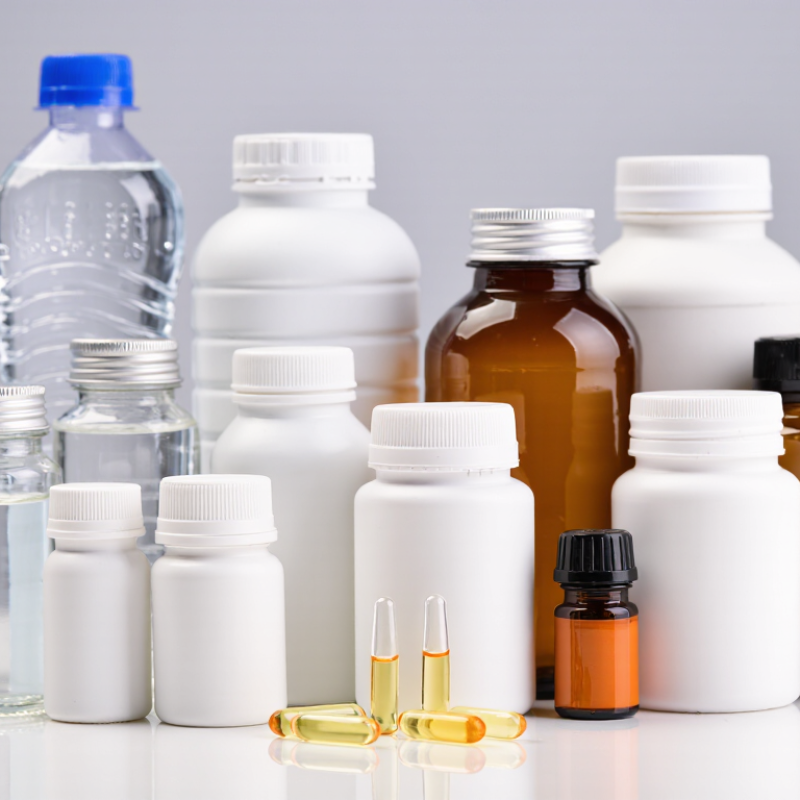
China’s nutraceutical bottle sector draws on a broad packaging supply chain, including resin processing, bottle molding, closure production, and label printing. Manufacturers commonly offer PET and HDPE bottles in several sizes, with screw caps, induction-seal liners, and moisture-control options. Small details matter. A cap that feels secure on the production line may still loosen during shipping, so testing should include vibration and drop checks.
Market demand provides useful context, but it does not guarantee orders for every factory. Grand View Research valued the global dietary supplements market at US$177.5 billion in 2023 and projected a 9.1% compound annual growth rate from 2024 to 2030. This growth supports interest in dependable Nutraceutical Containers, especially bottles that protect contents from light and moisture. Yet packaging choices vary by product, filling equipment, and storage conditions. There is no universal bottle specification.
For buyers assessing Chinese suppliers, practical checks include wall-thickness consistency, neck-finish measurements, seal performance, and batch traceability. Requesting sample bottles and reviewing inspection records can reveal issues that catalog images miss. This part is less glamorous. It is also easy to overlook. Sustainability claims deserve similar scrutiny: ask for material composition and evidence behind recycled-content statements, rather than relying on broad marketing language.
| No. | Bottle Type | Common Material | Typical Capacity | Typical Applications | Common Closure Options | Manufacturing Considerations | Food-Contact Compliance Reference |
|---|---|---|---|---|---|---|---|
| 1 | HDPE supplement bottle | High-density polyethylene (HDPE) | 60–500 mL | Tablets, capsules, powders | Screw cap; induction-seal liner; optional child-resistant cap | Opaque resin helps limit light exposure; wall thickness and neck finish should match the closure and filling line. | Check applicable requirements in China’s GB 4806 food-contact material standards. |
| 2 | PET supplement bottle | Polyethylene terephthalate (PET) | 60–1,000 mL | Tablets, capsules, gummies, liquids | Screw cap; tamper-evident closure; induction-seal liner | Clear PET offers product visibility; light-sensitive contents may require an opaque, tinted, or secondary-packaging solution. | Verify food-contact suitability for the intended contents and conditions of use. |
| 3 | PP tablet bottle | Polypropylene (PP) | 30–500 mL | Tablets, capsules, small-dose products | Screw cap; snap-fit cap; child-resistant closure where required | Confirm dimensional tolerances, cap fit, and compatibility with any liner or sealing process. | Assess against the relevant GB 4806 requirements for the material and intended application. |
| 4 | Amber PET bottle | Light-protective colored PET | 60–500 mL | Light-sensitive tablets, capsules, and extracts | Screw cap; induction-seal liner; tamper-evident band | Color can reduce light transmission, but the required protection should be validated for the specific product. | Confirm colorant and resin compliance for food-contact use. |
| 5 | Wide-mouth powder jar | HDPE or PP | 250–2,000 mL | Protein powders, greens powders, and other dry blends | Wide-mouth screw cap; liner; optional scoop | Opening diameter, headspace, sealing, and scoop storage affect filling and consumer use. | Check material compliance and confirm that the closure and liner are suitable for the product. |
| 6 | Small-dose bottle | HDPE, PP, or PET | 15–60 mL | Concentrated supplements, sample packs, and small-count capsules | Screw cap; dropper-style closure for compatible liquid products | Small neck openings and low fill volumes may require dedicated tooling or filling-line adjustments. | Verify the full package system, including bottle, closure, liner, and any dispensing component. |
| 7 | Liquid supplement bottle | PET or HDPE | 60–1,000 mL | Liquid vitamins, herbal liquids, and nutritional concentrates | Screw cap; tamper-evident cap; measuring insert where needed | Leak testing, closure torque, and compatibility with the liquid formulation are important quality checks. | Evaluate suitability for the specific liquid, storage conditions, and intended contact duration. |
| 8 | Induction-seal-ready bottle | Commonly HDPE or PET | 60–1,000 mL | Tablets, capsules, powders, and selected liquids | Compatible screw cap and induction-seal liner | Reliable sealing depends on the bottle finish, liner, cap fit, and validated induction-sealing settings. | Check compliance of both the bottle resin and all components in contact with the product. |
| 9 | Child-resistant closure bottle | HDPE or PET bottle with a compatible closure | 60–500 mL | Products for which packaging risk assessment or destination-market rules call for child-resistant packaging | Push-and-turn or squeeze-and-turn closure | Performance depends on the tested bottle-and-closure combination; confirm requirements in the target market. | Food-contact compliance and child-resistance performance are separate assessments. |
| 10 | Custom-shape nutraceutical bottle | Typically HDPE, PET, or PP | Size depends on the product and mold design | Branded tablets, capsules, powders, and selected liquid products | Selected to match neck finish and sealing requirements | Custom molds can affect tooling cost, lead time, minimum order quantity, and compatibility with automated filling lines. | Confirm material and additive compliance for the final production specification. |
This is an industry overview of common nutraceutical bottle formats manufactured in China, not a verified ranking or list of ten named manufacturers. Capacities are indicative examples rather than guaranteed specifications. Confirm current technical data, food-contact documentation, testing, and destination-market requirements with each supplier.
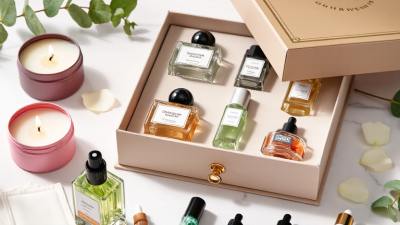
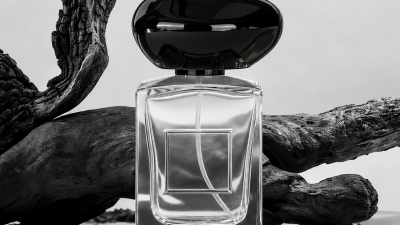
Custom luxury glass perfume bottles are becoming an important packaging solution as the fragrance market places greater emphasis on premium presentation, personalization, and complete brand experiences. Market research indicates that consumers increasingly value distinctive shapes, refined materials, sustainable packaging choices, and gift-ready details. High-white glass meets these expectations with exceptional clarity and a luxurious appearance, allowing the fragrance inside to be presented beautifully while supporting a premium product position. The thick-bottom design improves stability on shelves and provides a comfortable, substantial grip for a more refined user experience.
As a China-based factory solution, we offer flexible customization for perfume, fragrance sprays, room fragrances, and other premium scent products. Customers can personalize the cap, sprayer, bottle color, surface decoration, and overall finish to create packaging aligned with their product concept. We also provide complementary paper gift boxes, inserts, labels, and assembly services, helping simplify sourcing and maintain visual consistency across every packaging component. From small design details to complete presentation sets, this integrated service supports efficient product development, reliable quality control, and a polished retail-ready result.
PET and HDPE are common options. The right choice depends on the product, filling equipment, and storage conditions.
Request samples and test the closure with the intended cap and liner. Check for leaks, then try vibration and drop tests. Small flaws matter.
Measure wall thickness and neck dimensions. Check color consistency, cap fit, and surface defects under ordinary lighting.
Ask for material traceability, inspection records, and current certificates with clear factory and product details. A logo alone proves little.
Request material declarations and relevant migration test results. Confirm that bottles, caps, liners, and colorants suit the destination market.
Review carton markings, pallet plans, loading methods, and shipping documents. Confirm peak-season lead times too. Delays can happen.
No. Ask for material composition and evidence supporting recycled-content statements. Broad claims can be hard to verify.
A small order can reveal uneven color, loose caps, or inconsistent neck sizes. I might be overcautious, but catching these early seems worthwhile.
China’s nutraceutical bottle industry serves a wide range of packaging needs, from everyday supplements to specialized wellness products. This overview explains how leading manufacturers can be assessed using factors such as material options, bottle design, production capabilities, quality-control practices, and export experience. It also considers the role of certifications and compliance systems in supporting consistent manufacturing and dependable supply.
Nutraceutical Bottles are available in materials and formats suited to different product and handling requirements, with customization options that may include shapes, sizes, colors, and closures. Comparing manufacturers involves looking beyond product range to evaluate process controls, production capacity, customization flexibility, and the ability to meet project specifications. Together, these considerations help buyers make informed decisions about packaging partners and identify suppliers whose capabilities align with their quality, design, and supply needs.