Leave Your Message
When you think about beauty packaging, it’s so much more than just a pretty bottle sitting on the shelf. It actually protects the product inside, helps tell you what it’s for, and even shapes your very first experience with it. For example, a good pump can give you just the right amount with each press, and airtight containers can help keep air (which can spoil some formulas) out. These little details really matter—whether it’s creams, serums, perfumes, or makeup—because they influence things like hygiene, convenience, how long the product stays good, and how confident the customer feels using it.
Packaging also sends a message—both practical and emotional—about the brand. Glass might suggest something solid and lasting, while recycled paper could hint that the brand cares about reducing waste. But honestly, looking nice only gets you so far. The materials should match the product itself, how it’s made, how it’s shipped, and how long it’s meant to last. It’s important to do proper testing, check compatibility, and label everything clearly—ingredients, instructions, safety info—so customers can trust what they’re using. Think about how easy it is to open the container—if it looks gorgeous but is a pain to open, that’s not a win. Sometimes, the small frustrations make all the difference.
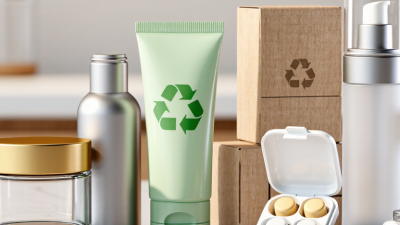
And then there’s the whole environmental side of things—definitely not a straightforward story. Lightweight plastics can make shipping easier and greener, but recycling depends heavily on local systems and how the packaging is made. Refillable jars sound great, but only if consumers can actually clean them easily and reuse them without hassle. Honestly, no packaging is perfect, and that’s okay to admit. The goal with responsible beauty packaging is to balance protection, convenience, brand identity, cost, and environmental impact—all while backing decisions with real evidence, not just pretty promises. When you look at all these factors together, it’s clear that packaging is more than just the finishing touch; it’s a key business decision with a real purpose behind it.
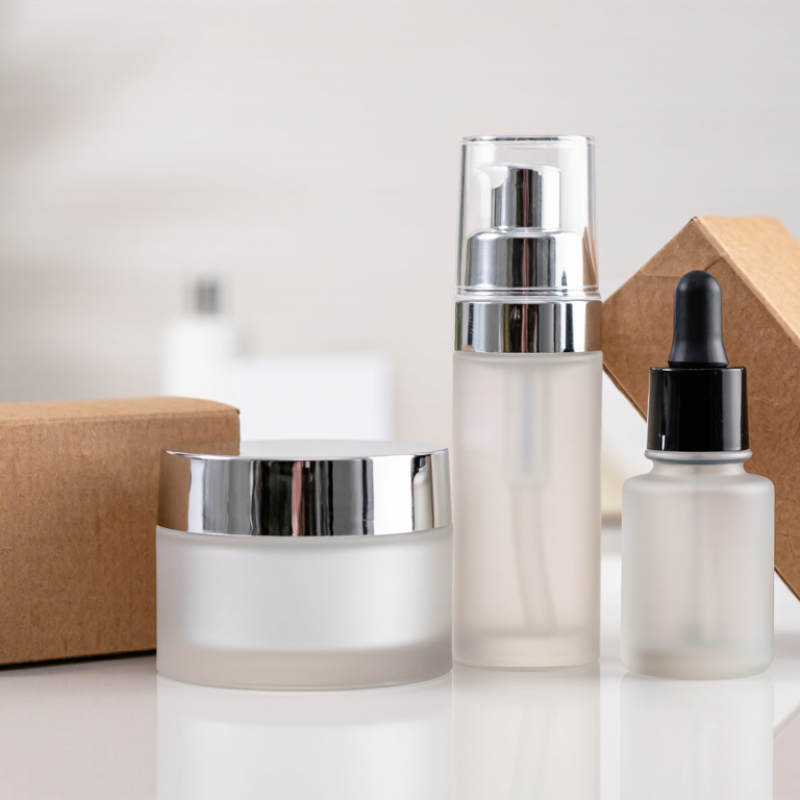
Beauty packaging is the material system that holds, protects, dispenses, and presents a beauty product. It includes bottles, jars, tubes, pumps, caps, labels, cartons, and protective seals. Primary packaging touches the formula. Secondary packaging carries information and adds protection during shipping.
It is also a working tool. A narrow nozzle controls product flow. An airless pump can reduce exposure to air. A textured cap may improve grip in a wet bathroom. These small details affect hygiene, usability, and perceived quality. The packaging must also show ingredients, usage directions, volume, and safety information clearly.
The market is significant. Grand View Research estimated the global cosmetic packaging market at about USD 32.9 billion in 2023. It also projects continued growth through 2030. Euromonitor International’s sustainability research shows that environmental concerns influence purchasing decisions, but convenience still matters. This creates tension. A refill system may reduce material use, yet it can add parts and cleaning steps. A lightweight package may lower transport emissions, but it may feel fragile.
Packaging decisions need evidence, not attractive claims. Lifecycle studies should examine material sourcing, production, transport, use, and disposal. The Ellen MacArthur Foundation reports that packaging design strongly affects whether plastic can remain in circulation. That insight is practical, but not perfect. Local recycling systems differ widely. A package labeled recyclable may still lack a realistic recovery route. Good beauty packaging balances protection, access, information, appearance, and measurable environmental performance.
| Packaging Element | Definition | Common Materials | Typical Formats | Main Function | Important Design Considerations |
|---|---|---|---|---|---|
| Primary Packaging | The container that directly holds the cosmetic or personal-care product. | Glass, plastic, aluminum, laminated tubes, and airless multilayer containers | Jars, bottles, tubes, compacts, pots, and pumps | Protects the formula and provides the main user interface. | Material compatibility, product stability, dosing accuracy, leakage resistance, and ease of use |
| Secondary Packaging | Packaging placed around the primary container after filling. | Paperboard, folding carton board, molded fiber, and printed paper | Cartons, sleeves, gift boxes, and product sets | Provides information, protection during handling, and space for visual presentation. | Structural strength, print quality, regulatory information, opening experience, and material efficiency |
| Tertiary Packaging | Outer packaging used to group and transport multiple retail units. | Corrugated fiberboard, stretch film, pallets, and protective paper materials | Shipping cases, cartons, pallet loads, and transport wraps | Reduces damage during storage, distribution, and transportation. | Stacking strength, handling efficiency, moisture resistance, and optimized shipment volume |
| Glass Packaging | A rigid, non-porous container commonly used for formulas that require strong barrier protection. | Soda-lime glass, borosilicate glass, and colored glass | Serum bottles, fragrance bottles, cream jars, and cosmetic vials | Offers high chemical resistance, premium appearance, and strong protection from oxygen and moisture. | Weight, breakage risk, transport energy, closure compatibility, and recycled-content availability |
| Plastic Packaging | A lightweight packaging option available in rigid and flexible forms. | PP, PE, PET, HDPE, acrylic, and multilayer plastic structures | Pumps, squeeze tubes, bottles, caps, jars, and pouches | Combines low weight, design flexibility, impact resistance, and scalable production. | Resin selection, additives, decoration, product compatibility, and ease of sorting for recycling |
| Metal Packaging | A durable packaging format made from metal materials with strong protective properties. | Aluminum, tinplate, and aluminum-plastic laminates | Aerosol cans, tins, tubes, pans, and compact components | Provides durability, light protection, and effective barriers against oxygen and moisture. | Corrosion protection, lining compatibility, forming requirements, and recycling infrastructure |
| Airless Packaging | A dispensing system designed to minimize air contact with the product during use. | Plastic, glass, metal springs, and multilayer barrier components | Airless pumps, jars, and cartridges | Helps limit oxidation and supports controlled dispensing with reduced product residue. | Formula viscosity, pump performance, dose consistency, refillability, and component separation |
| Flexible Packaging | Packaging made from materials that can bend, fold, or collapse during use. | Plastic films, aluminum foil laminates, paper laminates, and mono-material films | Sachets, refill pouches, sample packs, and small-dose packs | Reduces package weight and volume while supporting efficient product distribution. | Seal strength, puncture resistance, barrier performance, dispensing control, and recycling compatibility |
| Closures and Dispensing Systems | Components that control how the product is opened, dispensed, and resealed. | Plastic, metal, elastomers, glass, and silicone components | Screw caps, flip tops, droppers, pumps, sprays, and applicators | Controls dosage, prevents contamination, and improves convenience. | Child resistance where required, seal integrity, user accessibility, dosage accuracy, and compatibility with the formula |
| Decorative Packaging | Visual and tactile treatments applied to packaging surfaces. | Inks, coatings, labels, foils, embossing, debossing, and printed films | Labels, direct printing, metallic details, textured finishes, and transparent windows | Communicates product information and supports visual differentiation on the shelf or online. | Legibility, abrasion resistance, ink compatibility, recyclability, and compliance with labeling requirements |
| Sustainable Packaging Features | Design choices intended to reduce material use, waste, or environmental impact. | Recycled materials, refill systems, mono-material structures, paperboard, molded fiber, and bio-based materials | Refillable containers, lightweight bottles, recyclable cartons, and concentrated-product packaging | Can reduce material consumption, packaging waste, and transport-related impacts when properly designed and used. | Actual local recycling access, durability, refill hygiene, material separation, life-cycle impacts, and clear disposal instructions |
| Regulatory and Information Packaging | Printed or digital information required to identify and use a product safely. | Labels, cartons, leaflets, inserts, QR codes, and tamper-evident seals | Ingredient labels, directions, warnings, batch information, and security seals | Supports safe use, traceability, legal compliance, and informed purchasing decisions. | Readable type size, accurate claims, ingredient disclosure, language requirements, batch coding, and accessibility |
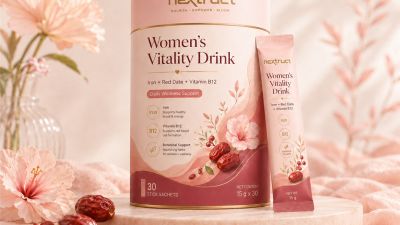
Custom paper supplement tube packaging offers a practical and sustainable solution for modern nutrition, wellness, and functional drink products. Designed to hold stick sachets, powder packs, tablets, and daily health supplements, these tubes provide organized storage while creating a distinctive presentation on shelves or during delivery. Made from high-quality paper, the packaging combines a natural appearance with dependable structure, helping businesses reduce reliance on conventional plastic containers without sacrificing convenience.
As an experienced factory and supplier in China, we provide flexible customization for different product requirements. Tube dimensions, internal capacity, opening style, exterior artwork, and surface finishes can be adjusted to match the product format and visual identity. The top-open lid allows users to access contents easily and close the tube securely after use, making it suitable for home storage, travel, and daily routines. Printed patterns, textured finishes, and clean minimalist designs can also enhance the package’s aesthetic appeal while communicating a thoughtful, eco-conscious positioning.
From initial concept to bulk production, our packaging solutions support brands seeking functional, attractive, and resource-conscious supplement containers. Whether used for individual portions or multiple daily servings, custom paper tubes can help create a more memorable user experience while meeting the practical demands of modern health product packaging.
Common materials include glass, plastic, aluminum, paperboard, bamboo, and molded fiber. Each material affects weight, durability, appearance, and disposal.
Glass feels substantial and usually resists chemical interaction with formulas. A clear jar also lets shoppers inspect the product. However, glass is heavy and can break during shipping.
Plastic is lightweight, flexible, and resistant to impact. Recycled plastic can reduce demand for new materials. Its color may vary, and pumps often combine several materials.
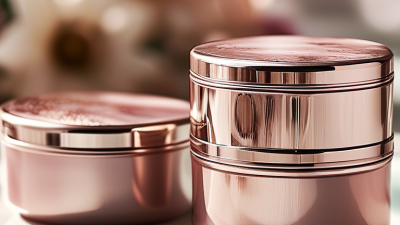
Aluminum is lightweight, durable, and highly recyclable when collection systems work properly. It can dent easily. A visible dent may reduce perceived quality.
Paperboard folds efficiently and supports detailed printing. Glossy coatings, metallic layers, adhesives, and mixed fibers may complicate recycling. The attractive finish can create hidden waste.
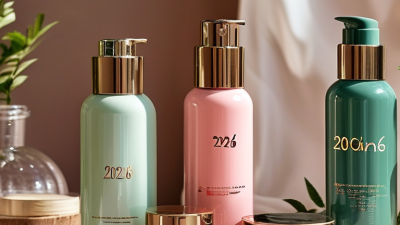
Packaging signals quality before shoppers use the formula. A heavy jar may suggest richness, while a pump suggests hygiene and controlled dosing. Clear labels reduce hesitation online.
Reduce unnecessary layers, use recycled content, and consider simple material structures. Refill systems may help, but transport, cleaning, and replacement parts can add impact. Nothing is perfect.
Use readable type, strong color contrast, tactile cues, and a stable grip. Packaging should open without excessive force. Test it with older adults and people with different abilities.
Teams should check formula compatibility, drop resistance, opening force, and dosage control. They should also test wet-hand use. A studio sample may fail in real hands.
State the specific material, recycled content, and disposal steps. A recycling symbol alone proves little. Clear instructions build trust, though some claims still need stronger evidence.
Beauty Packaging is the design, materials, and functional structure used to contain, protect, and present beauty products such as skincare, cosmetics, haircare, and fragrances. Common formats include bottles, jars, tubes, pumps, boxes, pouches, and compact containers. These packages may be made from glass, plastic, metal, paperboard, or newer plant-based and recycled materials, depending on the product’s formula, usage, and storage needs. Good packaging helps prevent contamination, leakage, light exposure, moisture loss, and damage during transportation, while also making products easier and safer to use.
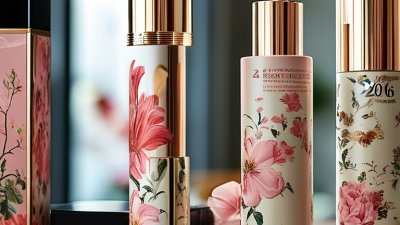
Beyond protection, Beauty Packaging strongly influences how consumers understand a product. Color, shape, texture, labeling, and opening mechanisms can communicate qualities such as cleanliness, luxury, simplicity, or practicality. Effective packaging should balance attractive design with clear information, convenient handling, and accessibility for people with different abilities. Sustainable packaging can reduce waste through recyclable, refillable, reusable, lightweight, or responsibly sourced materials. The most successful solutions combine product safety, consumer experience, visual communication, environmental responsibility, and inclusive design.