Leave Your Message
Name*
Phone number*="7">
Email Address*
Country*
Message*
Your Business Types*
Interested Items(Scroll selection)*
0%

So, the 2026 *cosmetic packaging* market is really evolving—becoming more regional, precise, and, honestly, a bit more demanding. Today’s global buyers aren’t just eyeing how things look anymore; they’re digging deeper. They want to know if the materials are safe, recyclable, compatible with filling, and if the environmental claims hold up—stuff that wasn’t as important a few years back.

According to Grand View Research, the worldwide cosmetic packaging market was worth around USD 32.2 billion in 2023. And it’s not slowing down. The forecasts show steady growth through 2030, fueled by rising skincare interests, luxury beauty trends, and all the online shopping happening these days. Smithers adds that sustainable packaging is quickly becoming a big focus for investment too. But, honestly, it’s not super easy to pin down exact numbers—the market isn’t perfectly measurable, and different research firms sometimes get slightly different figures.

This guide aims to help you get a better sense of who the leading suppliers are—their experience, the materials they use, quality controls, customization options, minimum order quantities, and how well they handle exports. We’re talking about everything from glass jars, airless pumps, tubes, and bottles, to compact cases, closures, and refillable types. Keep in mind, a package might look gorgeous but can still run into issues during filling, shipping, or repeated use—that’s just part of the practical side of things.

Ellen MacArthur, a real expert in circular packaging, once said, “We need to move from a take-make-waste society to one that designs out waste.” This idea is super relevant for anyone buying cosmetic packaging now. Using recycled materials, designing with single materials, making things lighter, and offering refillable systems can really help cut down environmental impact—though, of course, they’re not a magic bullet and won’t fix every problem.

Also, some supplier claims require a closer look. Don’t hesitate to ask for test reports, proof of recycled content, technical drawings, or actual samples. It’s important to verify if their sustainability promises hold up under real manufacturing conditions. And remember, the cheapest option isn’t always the best; the real winner is the partner that consistently provides high-quality, compliant materials and honest communication, no matter where you’re selling.
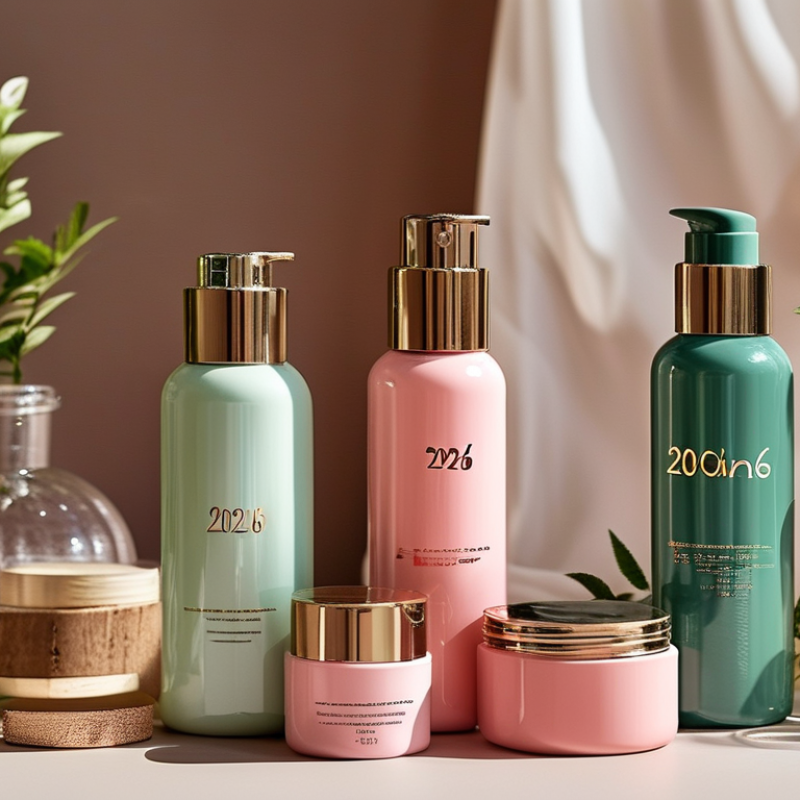
2026 Best Cosmetic Packaging Suppliers for Global Buyers

What Makes a Cosmetic Packaging Supplier Suitable for Global Buyers

For global buyers, a suitable cosmetic packaging supplier offers more than attractive samples. McKinsey’s 2023 beauty report projects the global beauty market may reach about $590 billion by 2028. This expansion raises expectations for capacity, consistency, and speed. Buyers should request material specifications, inspection plans, batch records, and documented corrective actions. A beautiful prototype is useful. It is not proof of factory reliability.

Environmental competence now needs evidence. The OECD’s Global Plastics Outlook reports that only 9% of plastic waste was recycled globally in 2019. A capable supplier can explain resin origin, recycled content, recyclability, and component separation. It should provide test methods, not vague green language. Recycled material may bring color variation or supply instability. That weakness deserves honest discussion, not concealment. Certification can support trust, but certificates require scope and expiry checks.

Global readiness also depends on practical execution. Ask how the supplier handles artwork changes, multilingual labels, tooling ownership, and small pilot orders. The World Bank’s Logistics Performance Index 2023 evaluates customs, infrastructure, shipment reliability, and related factors across 139 economies. Suppliers should share realistic lead-time ranges, packaging dimensions, and export documents before contracting. Video audits help, yet they cannot replace on-site or independent inspections. I would test one complete shipment first. It may feel slower. It can expose hidden damage, leakage, or closure failure before scale.

Key Packaging Products and Materials Offered by Leading Suppliers

Leading cosmetic packaging suppliers serve global buyers with bottles, jars, tubes, compacts, pumps, droppers, and closures. Each format supports a different product texture and user experience. Airless pumps help protect sensitive creams from repeated air exposure. Glass jars offer a premium feel, but they add shipping weight. Lightweight plastic bottles can reduce freight costs and breakage risks.

Material selection now goes beyond appearance. Suppliers commonly offer glass, aluminum, PCR plastic, virgin plastic, bio-based resin, and paper-based components. Eco Cosmetic Packaging may use recycled content, refillable structures, or simplified parts for easier separation. However, recycled resin can vary in color and odor. That detail needs testing.

Reliable suppliers provide drawings, material declarations, sample units, and production tolerances. Global buyers should request compatibility tests with the actual formula. A thick serum may clog a narrow pump. A strong essential-oil blend may affect certain plastics. Testing should include leakage, drop impact, torque, spray output, and heat exposure. Small flaws often appear after filling, not during sampling.

Decoration options include screen printing, hot stamping, labeling, frosting, and color matching. Buyers should confirm ink durability and artwork accuracy before mass production. Regulatory documents also require careful review across destination markets. Supplier audits can examine batch records, inspection procedures, and corrective actions. No supplier is perfect. A missed tolerance or delayed sample can reveal weak communication early.

How to Evaluate Cosmetic Packaging Quality and Product Safety

A reliable cosmetic packaging supplier should prove quality with evidence, not polished photographs. During a factory review, inspect a Cosmetic Packaging Set under bright, neutral light. Look for uneven seams, pinholes, sharp edges, loose caps, and inconsistent color. These details often reveal weak process control.

Ask for material specifications, batch records, and test reports from qualified laboratories. Packaging should remain stable when exposed to the intended formula, heat, cold, light, and repeated opening. Compatibility testing can detect swelling, cracking, leakage, odor transfer, or color changes. Check pump output across multiple samples, not just one. A small dosing variation can affect customer use and product performance.

Safety also depends on traceability. Each component should link to a production batch, inspection record, and approved material source. Request migration, cleanliness, and restricted-substance documentation where relevant. Certificates help, but they are not proof of every shipment. Independent verification is wiser. Supplier answers should be specific, dated, and technically consistent.

Do not ignore the closure. A beautiful bottle with a weak seal is still a failure. Test filled samples through transport simulation, drop testing, torque checks, and storage trials. Some problems appear only after several weeks. No checklist is flawless. Review findings with the supplier, record corrective actions, and repeat testing before approval. A lower price may hide higher waste, returns, or safety risks. geschniegelt

2026 Best Cosmetic Packaging Suppliers for Global Buyers - How to Evaluate Cosmetic Packaging Quality and Product Safety
Evaluation Dimension What to Check Recommended Benchmark or Requirement Relevant Standard, Test, or Regulation Evidence to Request from a Supplier
Material Identification Confirm the exact material used for the bottle, jar, closure, pump, liner, and decoration. Material type, grade, colorant, coating, and additives should be documented and consistent with the approved sample. Supplier material specification; applicable local cosmetic-packaging requirements. Material specification sheet, declaration of composition, approved color standard, and batch traceability records.
Product Compatibility Evaluate interaction between the package and the formula, including swelling, cracking, discoloration, odor transfer, leakage, and active-ingredient loss. No visible damage, unacceptable odor, leakage, or meaningful change in package function during the intended shelf life. Compatibility and stability testing under the product's intended storage conditions. Compatibility protocol, filled-pack stability results, retained samples, and final acceptance criteria.
Chemical Safety Screen packaging components for restricted substances and potential migration into the cosmetic formula. Results should meet the legal requirements of every intended sales market and the buyer's restricted-substance list. Applicable chemical regulations, migration testing, and laboratory risk assessment. Recent third-party test reports, declarations of compliance, restricted-substance statement, and corrective-action history.
Microbiological Hygiene Review manufacturing-area hygiene, component cleanliness, and contamination controls before filling. Packaging should be supplied at the agreed cleanliness level and protected from contamination during storage and transport. Cosmetic good manufacturing practice principles, including ISO 22716 where applicable. Hygiene procedures, environmental monitoring records, cleaning validation, and packaging cleanliness specifications.
Dimensional Accuracy Measure neck finish, wall thickness, height, diameter, weight, thread dimensions, and component fit. Critical dimensions must remain within approved tolerances and allow reliable filling, capping, labeling, and assembly. Approved technical drawing, control plan, and statistical quality-control records. Dimension report, inspection gauges, first-article approval, and sampling plan.
Closure and Leakage Performance Test the assembled package for leakage, seal integrity, torque, pump fit, and closure retention. No leakage or closure failure under normal handling, orientation, temperature, and pressure conditions defined for the product. Package-specific leak, torque, seal, and pressure testing methods. Leak-test records, torque results, closure drawings, test parameters, and failure-rate data.
Dispensing Function Assess pump output, spray pattern, dropper delivery, actuator consistency, and residual product level. The dispensing system should deliver repeatable doses throughout the expected number of uses. Output-per-actuation test, priming test, endurance test, and formula-specific compatibility testing. Dose-output data, actuation-cycle results, priming requirements, and functional inspection records.
Mechanical Strength Check resistance to compression, impact, drop, vibration, and deformation during distribution. The filled package should remain functional and protect the product after the agreed transport simulation. Distribution testing based on the intended shipping method and package configuration. Drop-test, compression-test, vibration-test, and transport-validation reports.
Thermal and Environmental Resistance Evaluate performance after exposure to temperature changes, humidity, light, and freezing or thawing where relevant. No unacceptable warping, brittleness, color change, delamination, or loss of sealing performance. Accelerated aging, temperature-cycle, humidity, and light-exposure protocols. Environmental test plan, before-and-after measurements, photographs, and storage-condition recommendations.
Decoration Quality Inspect printing, coating, hot stamping, metallization, labels, color consistency, and registration accuracy. Decoration must meet the approved artwork, color reference, adhesion requirement, and rub-resistance specification. Ink or coating adhesion, abrasion, chemical-resistance, and visual inspection tests. Color approval record, artwork proof, adhesion results, rub-test results, and defect classification standard.
Tamper Evidence Verify whether the package clearly shows opening or interference when the product requires tamper evidence. The tamper feature should be difficult to remove without visible damage and should remain intact through normal distribution. Design verification, seal-integrity testing, and market-specific labeling requirements. Tamper-feature specification, integrity test results, and approved packaging artwork.
Child-Resistant Features Determine whether the formula or market requires a child-resistant package and verify opening performance for intended users. Where required, the complete package should pass the applicable child-resistant and senior-adult usability tests. Applicable child-resistant packaging requirements in the destination market. Independent certification or test report, usability results, and closure-component specifications.
Manufacturing Quality System Review incoming inspection, process controls, calibration, nonconformance handling, and corrective actions. The supplier should operate documented, repeatable controls with traceable records for every production batch. ISO 9001 quality-management principles; ISO 22716 for cosmetic manufacturing operations where applicable. Quality certificate, process flow, control plan, audit report, calibration records, and CAPA log.
Batch Traceability Confirm that raw materials, production dates, tooling, operators, inspection results, and shipment records can be linked. A finished component should be traceable from shipment back to its raw-material and production records. Document-control and traceability procedures within the supplier's quality system. Sample batch record, lot-code format, retention-sample policy, and recall procedure.
Sustainability Profile Assess recycled content, recyclability, material reduction, refillability, energy use, and packaging waste. Environmental claims should be specific, verifiable, and supported by the actual component design and supply chain. Life-cycle assessment principles, recycled-content verification, and destination-market recycling rules. Material data sheet, recycled-content certificate, recyclability statement, life-cycle data, and sustainability policy.
Supply Capacity Check tooling availability, production capacity, lead time, minimum order quantity, and backup production arrangements. Capacity should cover forecast demand with documented lead times and contingency plans for critical components. Capacity plan, production scheduling, and business-continuity review. Capacity statement, tooling list, lead-time history, forecast process, and contingency plan.
Packaging and Logistics Review protective inner packaging, palletization, moisture protection, carton strength, and shipping identification. Components should arrive clean, undamaged, correctly counted, and protected from deformation or contamination. Packaging specification, warehouse controls, and transport-validation testing. Packing specification, carton test results, pallet pattern, photographs, and shipment inspection records.
Sampling and Acceptance Define visual, dimensional, functional, and critical-defect inspection rules before mass production. Critical defects should be zero-tolerance; major and minor defect limits should be agreed in writing before shipment. Agreed acceptance sampling plan and product-specific inspection standard. Inspection checklist, defect reference samples, acceptance criteria, and pre-shipment inspection report.
Documentation and Regulatory Support Confirm that the supplier can provide technical, safety, quality, and compliance documents for international commercialization. Documents should be current, component-specific, signed by an authorized representative, and available in the buyer's required format. Destination-market cosmetic-packaging, chemical, labeling, and product-safety requirements. Technical file, declarations, safety data where applicable, test reports, certificates, and change-notification procedure.

Customization, Design Services, and Minimum Order Requirements

For global buyers, cosmetic packaging suppliers must offer more than standard bottles and jars. Grand View Research estimates that the global cosmetic packaging market will continue growing through 2030, driven by premium design, sustainability, and product differentiation. This growth increases pressure on suppliers to provide flexible customization without creating excessive waste.

Customization should begin with practical design questions. Can the supplier match a precise color under different lighting? Can it produce compatible pumps, caps, and liners? Buyers should request physical samples, decoration tests, and drop-test results before approving mass production. Design services may include structural modeling, material selection, surface finishes, and packaging artwork support. However, “full customization” can mean different things. Sometimes it only changes a label. Ask carefully.

Minimum order quantities remain a major purchasing issue. Large factories may require thousands of units for custom molds, while stock packaging can support smaller trial orders. McKinsey reported that 71% of consumers expect personalization, yet 76% feel frustrated when it is absent. This supports customized packaging, but not every market needs a unique mold. A sensible supplier can offer staged production: stock components for testing, then custom decoration or tooling after demand is proven. Buyers should compare mold fees, unit prices, lead times, and defect allowances, not MOQ alone. The weakest quotation often hides these costs.

Sustainability Standards and Regulatory Compliance in Global Markets

2026 Best Cosmetic Packaging Suppliers for Global Buyers

Sustainability now begins with evidence, not attractive claims. Reliable suppliers of Cosmetic Box Packaging should provide material specifications, recycled-content records, and packaging safety declarations. Buyers should request batch traceability from paper mill to finished carton. A supplier’s experience becomes visible in small details, such as consistent board thickness and clean folding edges.

Global compliance requires market-specific checks. Packaging may need recycled-content documentation, responsible forestry evidence, and chemical safety information. In some regions, extended producer responsibility rules also affect labeling and waste fees. Ask for ink, adhesive, and coating data before approving production. Migration testing can help assess whether packaging components could affect the product. Independent laboratory reports are more dependable than verbal assurances.

The factory floor matters too. Review quality-control photos, sampling procedures, and corrective-action records. Check whether the supplier separates certified materials from standard stock. No supplier is perfect. I have seen sustainable cartons fail because the coating prevented normal recycling. That detail was missed during early approval. A practical audit should examine moisture resistance, color consistency, print durability, and carton dimensions. It should also confirm whether claims remain accurate after shipping across humid and dry climates. Keep compliance files current, since regulations and customer expectations continue to change.

Pricing, Production Capacity, and International Supply Chain Support

In 2026, global buyers will compare cosmetic packaging suppliers beyond unit price. A reliable quote should separate mold fees, decoration, testing, packing, and freight. Cosmetic Jar Packaging may look affordable initially, but closures, liners, and surface finishes can change the final cost. Small batches cost more. Larger orders usually reduce tooling and labor costs, but they increase inventory risk.

Experienced buyers should request clear production capacity data. Ask for monthly output, standard lead times, peak-season limits, and backup equipment. A supplier producing 500,000 jars monthly may not reserve enough capacity for your launch. Production samples, inspection records, and batch traceability offer stronger evidence than sales promises. I would also check whether capacity figures include rejected units. That detail is often unclear.

International supply chain support requires practical coordination. Suppliers should provide export documents, carton specifications, pallet plans, and shipment tracking. They should explain which trade terms apply and identify responsibility for customs clearance. A regional warehouse can shorten replenishment time, while local packaging standards may still require separate checks. Forecasts are never perfect. I have seen buyers overestimate demand and suppliers underestimate holiday delays. A safer plan includes approved samples, staged production, realistic safety stock, and written responses to quality problems. Communication matters most when a container is delayed at port.

FAQS

What evidence should a cosmetic packaging supplier provide?

Request material specifications, inspection plans, batch records, and corrective-action reports. A beautiful prototype proves little. Factory reliability needs documented evidence.

How can buyers evaluate a supplier’s environmental claims?

Ask about resin origin, recycled content, recyclability, and component separation. The supplier should explain test methods clearly. Vague green language is not enough.

What risks can recycled materials create?

Recycled materials may cause color variation or unstable supply. Discuss these weaknesses openly before approval. Perfect consistency may not be realistic.

Should buyers check certificates carefully?

Yes. Check each certificate’s scope, issuing body, and expiry date. A certificate supports trust. It does not replace inspections.

How can buyers test international production readiness?

Ask about artwork changes, multilingual labels, tooling ownership, and pilot orders. Request packaging dimensions and export documents early. Details prevent expensive surprises.

Is a video factory audit sufficient?

No. Video audits are useful but incomplete. Independent or on-site inspections provide stronger evidence. I would test one complete shipment first.

What should a reliable quotation include?

The quote should separate molds, decoration, testing, packing, and freight. Closures, liners, and finishes can change the final cost. The cheapest unit price may mislead.

How can buyers verify production capacity?

Request monthly output, normal lead times, peak-season limits, and backup equipment. Check whether capacity figures include rejected units. That detail is often unclear.

What supply chain support should global buyers expect?

Suppliers should provide carton specifications, pallet plans, export documents, and tracking information. They should clarify customs responsibilities and trade terms. A regional warehouse may shorten replenishment time.

How can buyers reduce launch and delivery risks?

Use approved samples, staged production, realistic safety stock, and written quality responses. A complete shipment can reveal leakage, damage, or closure failure. Forecasts remain imperfect.

Conclusion

Choosing the right Cosmetic Packaging supplier is essential for global buyers seeking reliable quality, attractive design, and consistent supply. Leading suppliers typically offer bottles, jars, tubes, pumps, caps, and secondary packaging made from materials such as glass, plastic, aluminum, and recycled content. Buyers should assess material safety, product durability, sealing performance, compatibility with formulas, and quality-control procedures before placing an order. Clear communication about customization options, decoration techniques, prototypes, lead times, and minimum order quantities can also help align packaging with both brand requirements and budget expectations.

Sustainability and regulatory compliance are equally important in international markets. Responsible suppliers should provide transparent material information, support recyclable or refillable solutions, and maintain documentation relevant to product safety and environmental standards. Buyers should also compare pricing, production capacity, quality consistency, logistics experience, export documentation, and supply-chain responsiveness. A dependable partner can balance competitive costs with flexible development services, stable manufacturing, and effective international delivery support.


Sophia

Sophia

Sophia is a dedicated marketing professional at Toprint Nextruct, a forefront technology-driven packaging solutions provider based in China. With a deep expertise in paper-based structure research and development, she plays a crucial role in championing the company's innovative packaging solutions.......
Previous How to Choose a Printed Tube Supplier in 2026?